Nationwide Sales & Service - 01536 802333

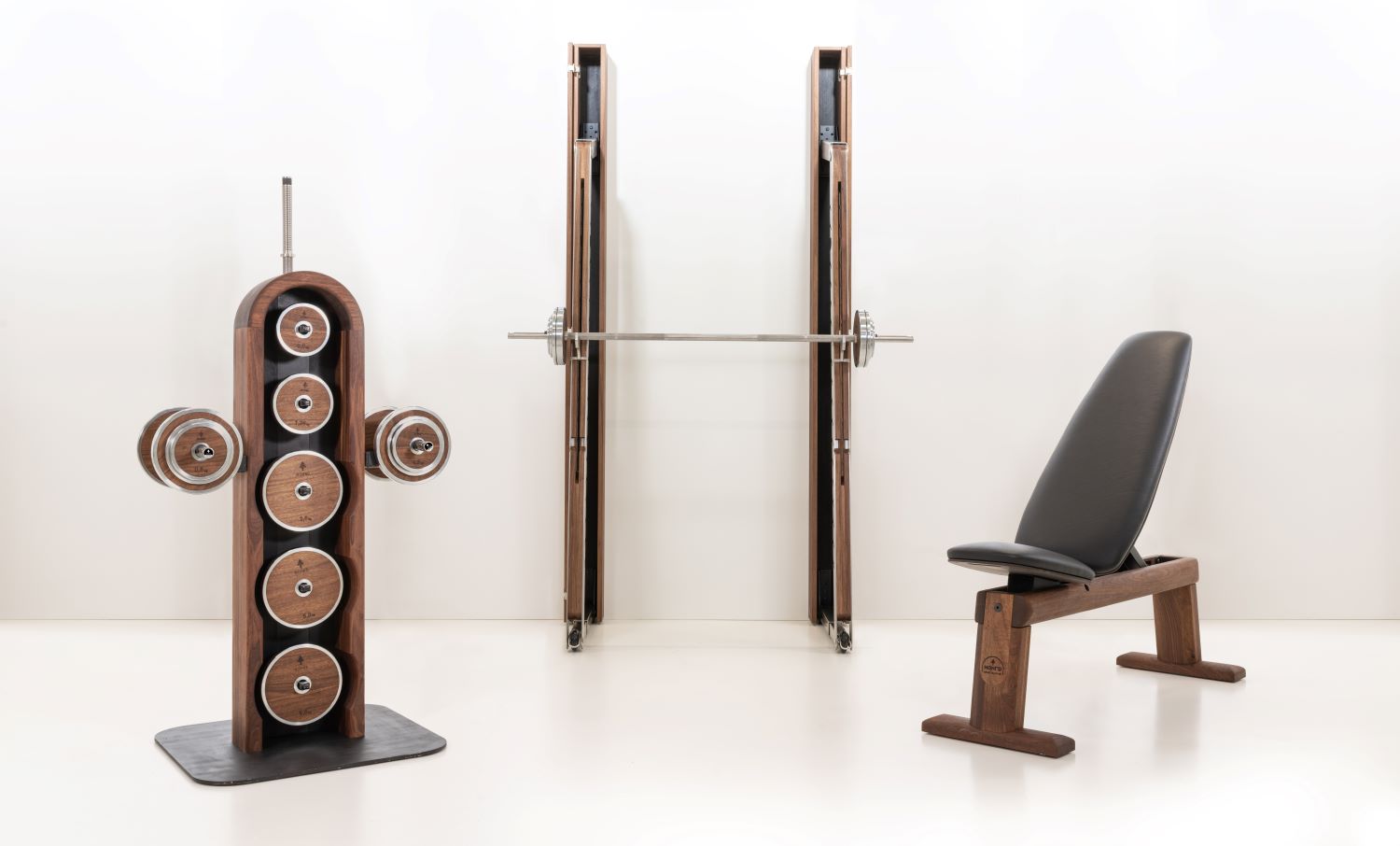
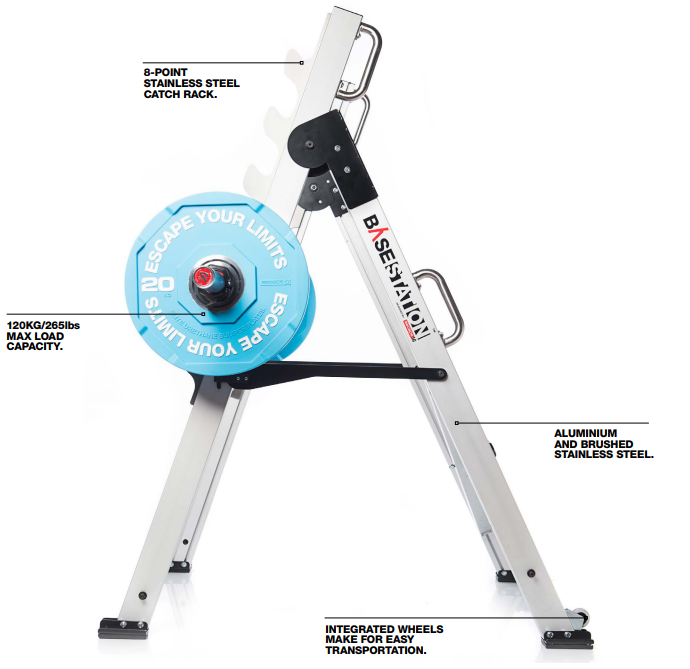
Ever popular our range of durable and varied squat racks, can be either wall mounted, foldable or free standing or may be a squat stand suits you better, depending on your budget & space a Squat Rack or Squat Stands is an excellent strength addition, an adjustable bench is a good addition.
From the leading strength brands such as Life Fitness, Raze, Primal, Watson & Jordan and more, either in stock or supplied to your home or commercial gym. See our features on Understanding Squat movement or if your weighing up between a Squat Rack or Smith Machine to help you.
Ever popular our range of durable and varied squat racks, can be either wall mounted, foldable or free standing or may be a squat stand suits you better, depending on your budget & space a Squat Rack or Squat Stands is an excellent strength addition, an adjustable bench is a good addition.
From the leading strength brands such as Life Fitness, Raze, Primal, Watson & Jordan and more, either in stock or supplied to your home or commercial gym. See our features on Understanding Squat movement or if your weighing up between a Squat Rack or Smith Machine to help you.


Viewing 16 out of 25 products
Load MoreThe main differences between squat racks and a squat stand lie in their structure, stability, safety features, and versatility. Both serve as barbell supports for squats and presses, but each suits different training needs, gym spaces, and experience levels.
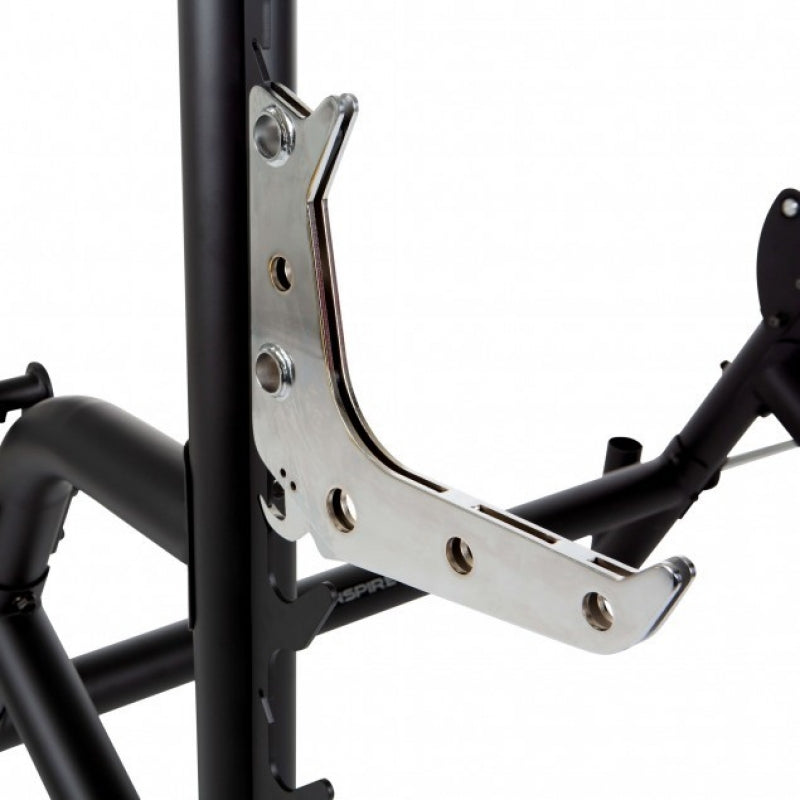
Squat racks provide controlled support for heavy lifts, allowing safe racking and unracking without the need to lift the barbell from the floor. They promote compound strength development by enabling progressions in barbell squats, presses, and pulls targeting the quadriceps, hamstrings, glutes, back, and core. Adjustable J-cups and safety arms allow lifters to push limits safely—ideal for solo training. Squat stands share these fundamental benefits but emphasise portability and flexibility—perfect for smaller home or garage gyms.
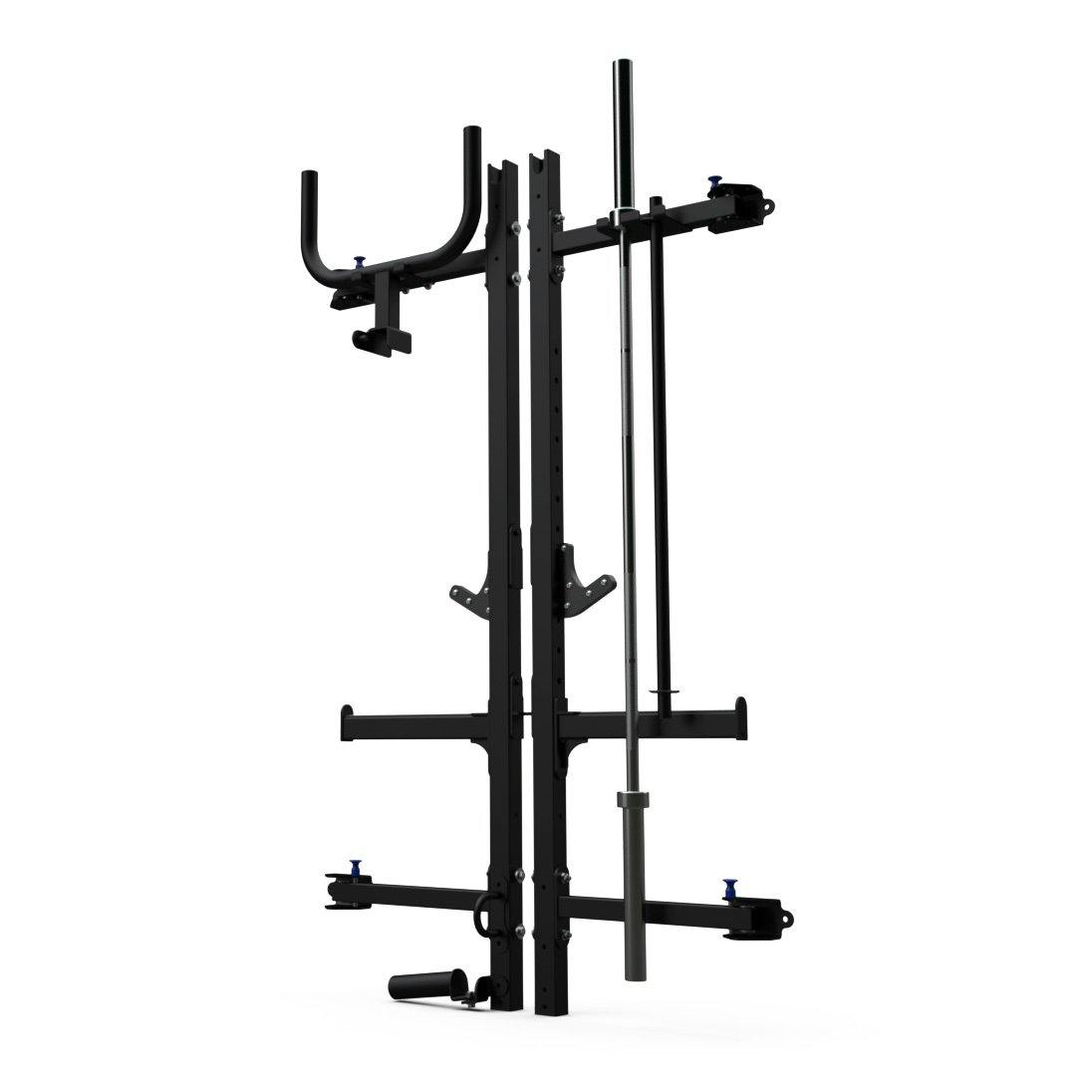
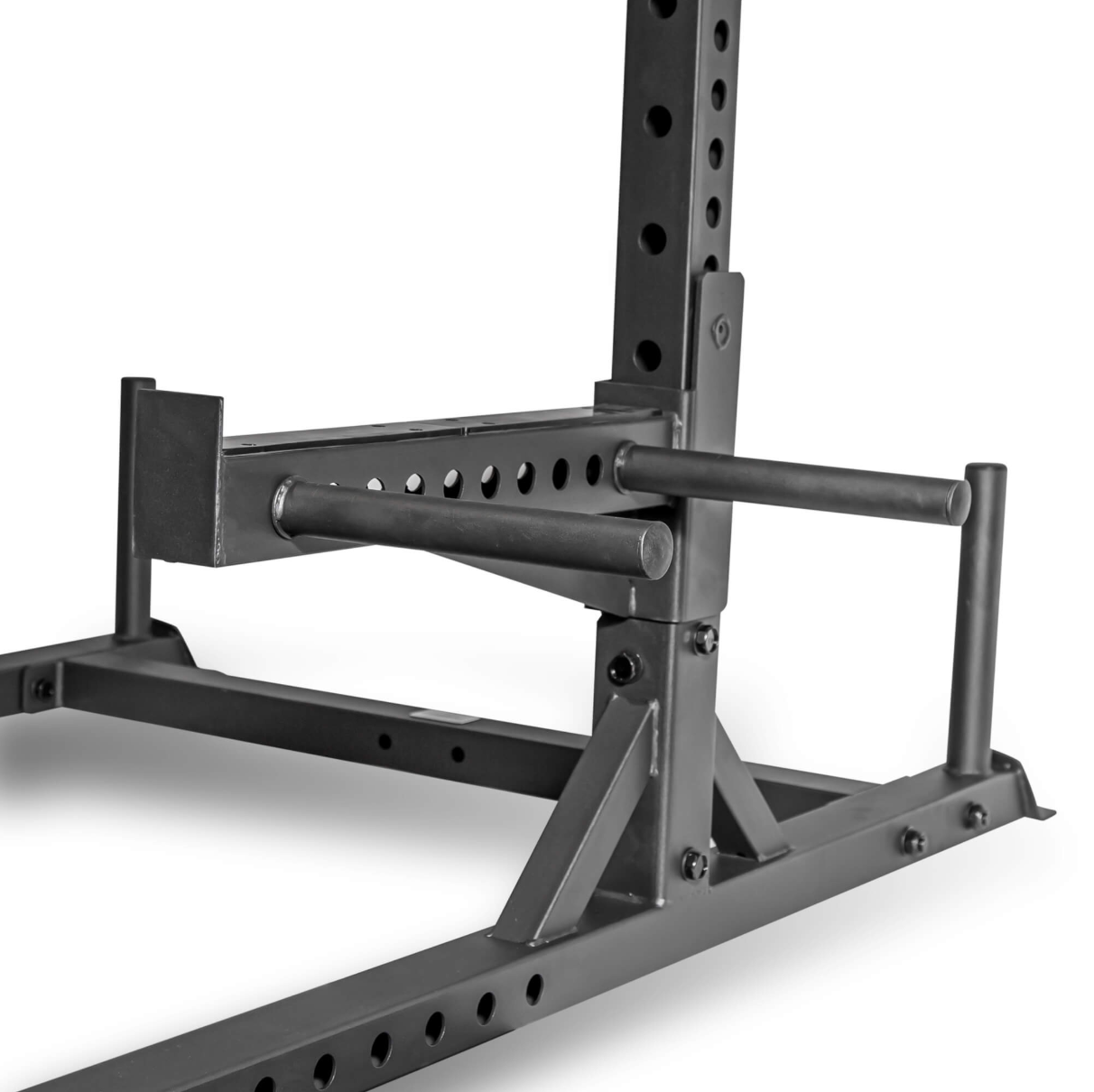
Squat racks often include adjustable J-hooks, safety spotter arms or pins, pull-up bars, and optional attachments like dip handles or landmine bases for expanded exercise variety. They are typically built from heavy-duty laser-cut steel for structural durability and feature Westside hole spacing for precision bar placement. Squat stands, by contrast, consist of two independent uprights or a joined base.
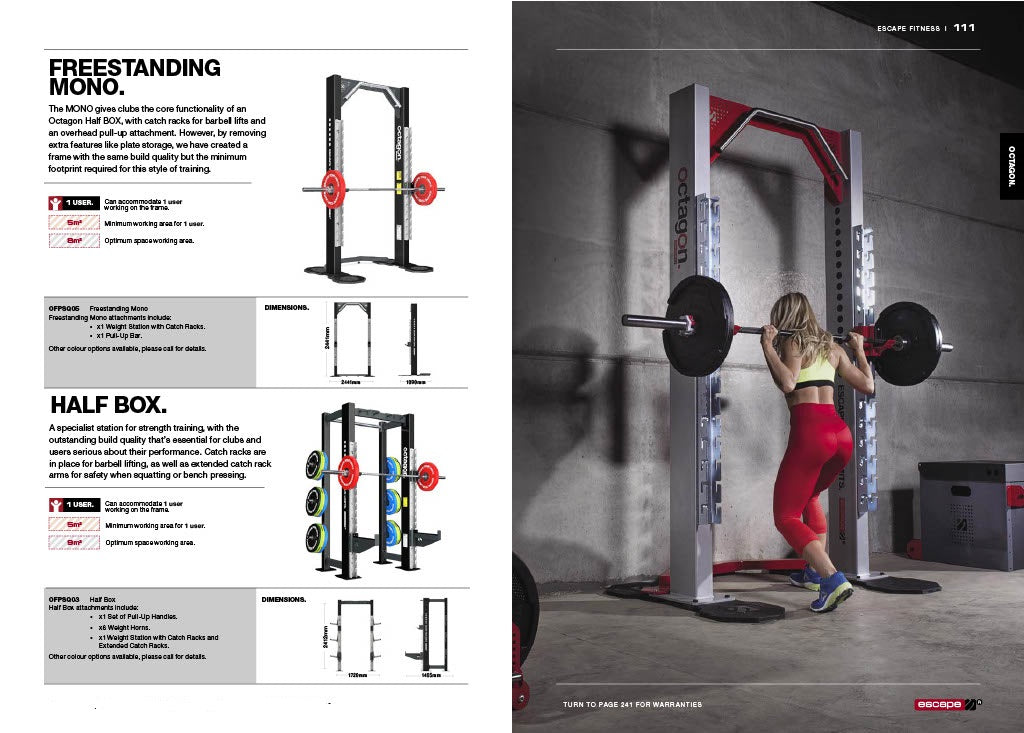
A squat rack typically features four uprights (like a mini-cage or half-rack), providing a more secure framework with built-in safety arms, J-hooks, and sometimes a pull-up bar.
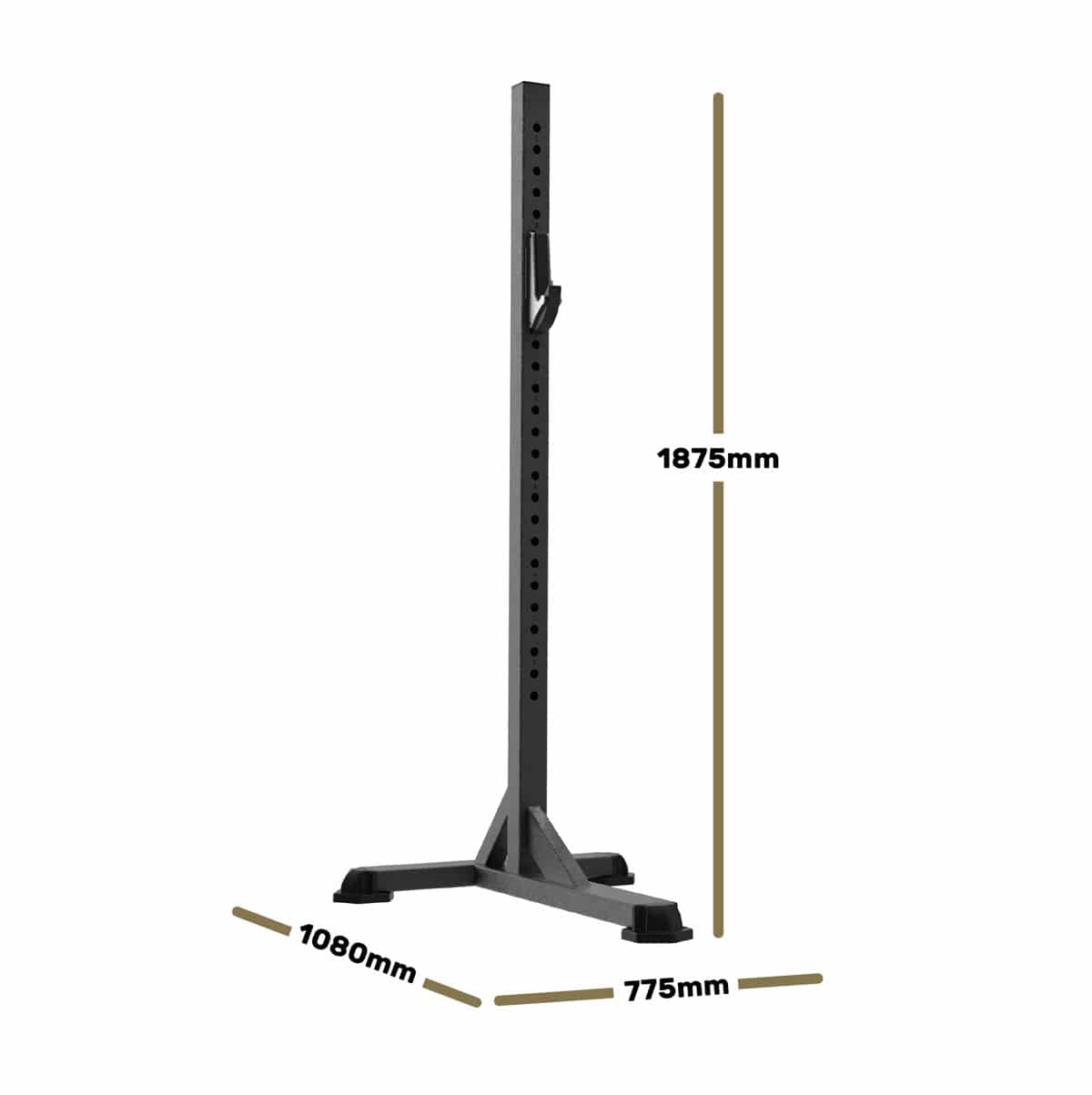
A squat stand, by contrast, consists of two separate or connected posts designed purely to support a barbell for squats or presses. It’s lighter, more compact, and easier to move but lacks the structural reinforcement of a full rack.
Squat racks are made from heavy-duty materials and remain stable under loads exceeding 600–1,000 lbs, making them ideal for heavy or progressive strength training.
Squat stands usually support lighter weight ranges (around 300–700 lbs) and rely on the floor’s stability. For this reason, they’re better suited for intermediate lifters or smaller setups.
Full squat racks include adjustable safety spotter arms or pins, acting like mechanical spotters to catch the barbell during failed lifts. This is essential for solo lifters.
Squat stands generally lack enclosed safety rails, though some newer models come with optional spotter arms. However, they require more caution when lifting heavy, especially without a spotter.
Racks allow attachment of accessories—pull-up bars, dip handles, landmine attachments, and cable systems—making them versatile for complete body workouts.
Stands remain minimal, used mainly for barbell squats, front squats, and overhead presses. Some users prefer their open design for movements like Olympic lifts or CrossFit WODs requiring fast transitions.
Squat stands win in compactness—most measure under 70 inches high and take up minimal floor space, ideal for garages or tight home gyms.
Racks are taller (often 80–95 inches) and bulkier, requiring more floor area but adding security and integrated exercise variety.
Squat stands are generally cheaper due to simpler construction and fewer accessories. Squat racks cost more but offer greater long-term value through stability and multifunctionality.