







Garage Gym Equipment : Essentials, Upgrades and Luxury Options
The best garage gyms don’t start with a random selection of equipment; they start with a clear plan. Your training style, space and budget should decide what you buy first, what can wait, and what you might never need. When you treat your garage like a Training Station rather than a storage unit, every piece of kit has a purpose.
Our blueprint walks you through how to choose your “anchor” equipment, what counts as essential, where conditioning fits in, how to handle small spaces, and how to build your gym in sensible budget tiers. The aim is simple: no wasted spend, no wasted space, and no compromise on how well you can train.
Quick Answer: The Core Garage Gym Solution
If you want a serious but efficient garage gym, most Training Station designs are built around a short list:
- One main anchor: rack + bar + plates, a functional trainer, or a high‑quality multi‑gym.
- A solid, appropriately sized bench.
- Enough plates or resistance to challenge you now and for the next few years.
- At least one conditioning/cardio option suited to your preferences and noise tolerance.
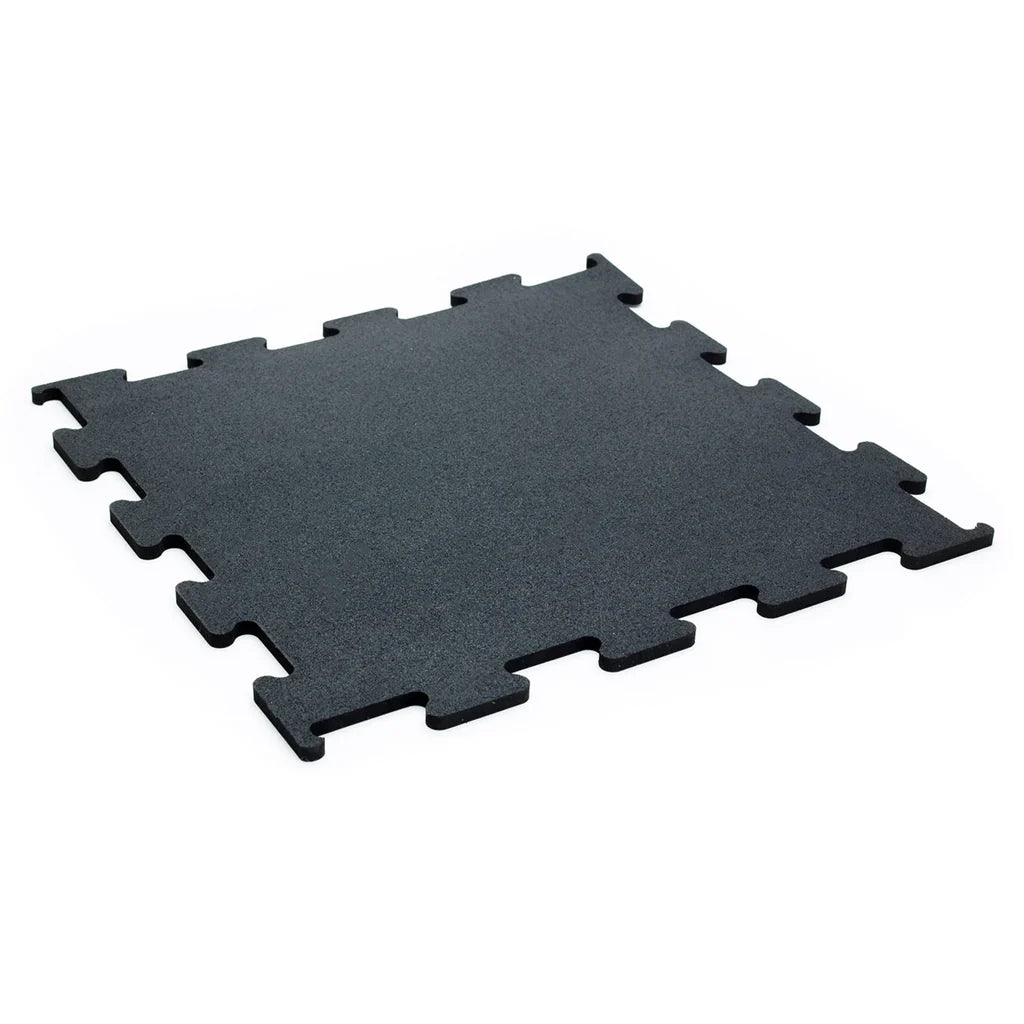
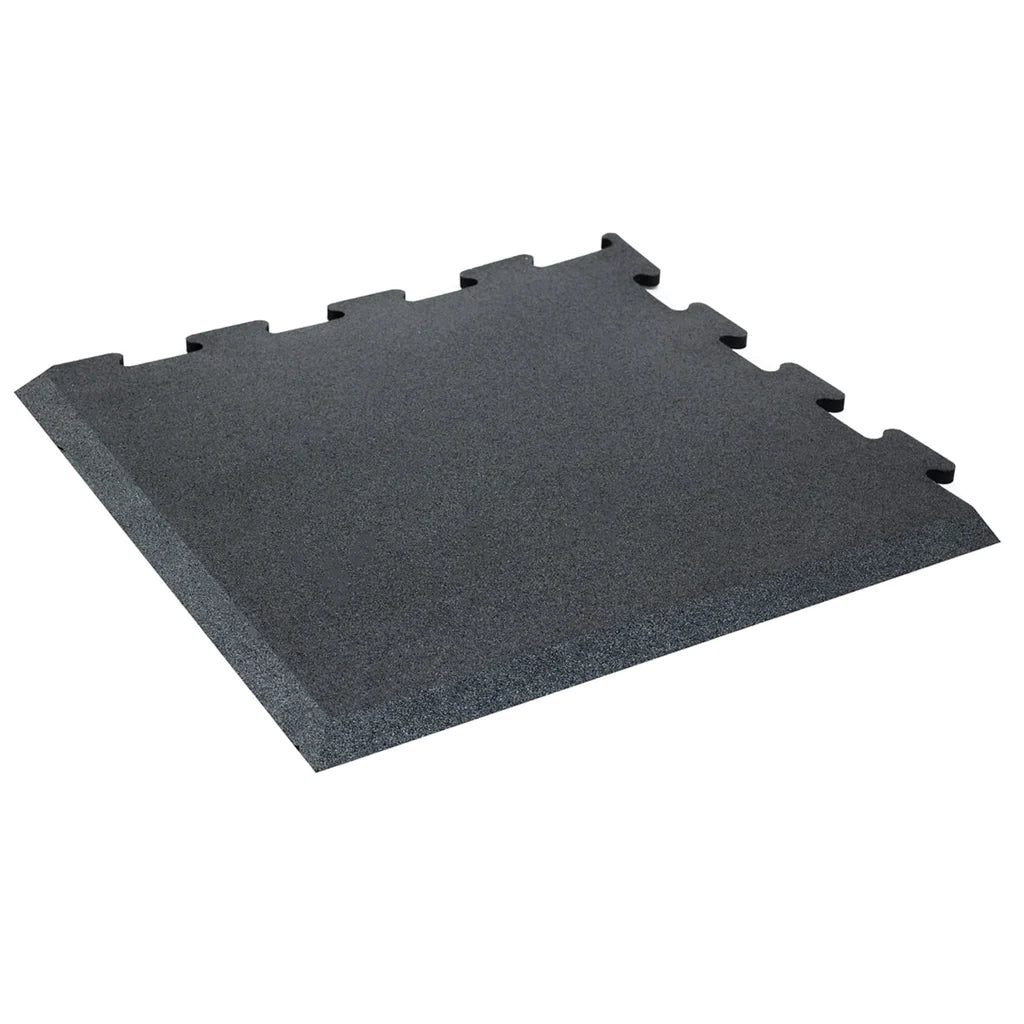
- Proper flooring and storage so everything has a safe, logical home.
Everything else is either a variation on that theme or a future upgrade.
Start With Your Training Style and Anchor Equipment
Your anchor is the piece of garage gym equipment that defines the feel and function of your garage gym. It should match how you like to train most days, not how you occasionally imagine training.
Strength‑dominant: rack + barbell
Choose this if you:
- Love squats, presses, deadlifts and heavy barbell work.
- Care most about strength progression and simple, hard training.
- Want maximum versatility from a relatively compact footprint.
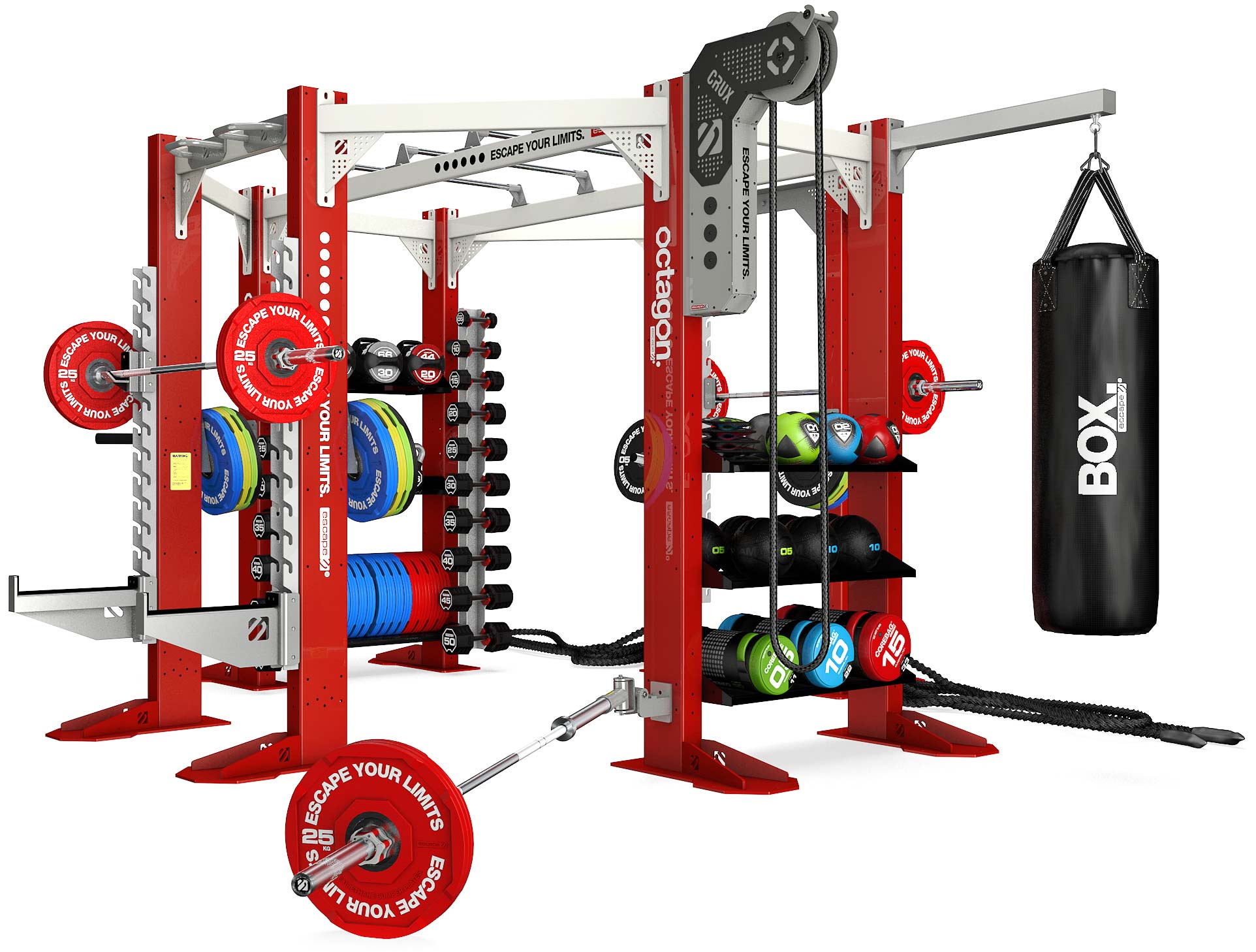
A good rack, bar and plates allow back and front squats, presses, bench work and pulls, rack pulls and pin work, plus add‑ons like pull‑ups, dip attachments and landmines. For most serious lifters, this is the most future‑proof anchor.
Functional‑trainer / cable‑dominant
Choose this if you:
- Prefer cable work, hypertrophy‑style training and joint‑friendly options.
- Want your partner or family to feel comfortable using the main station.
- Value versatility in a relatively sleek, single footprint.
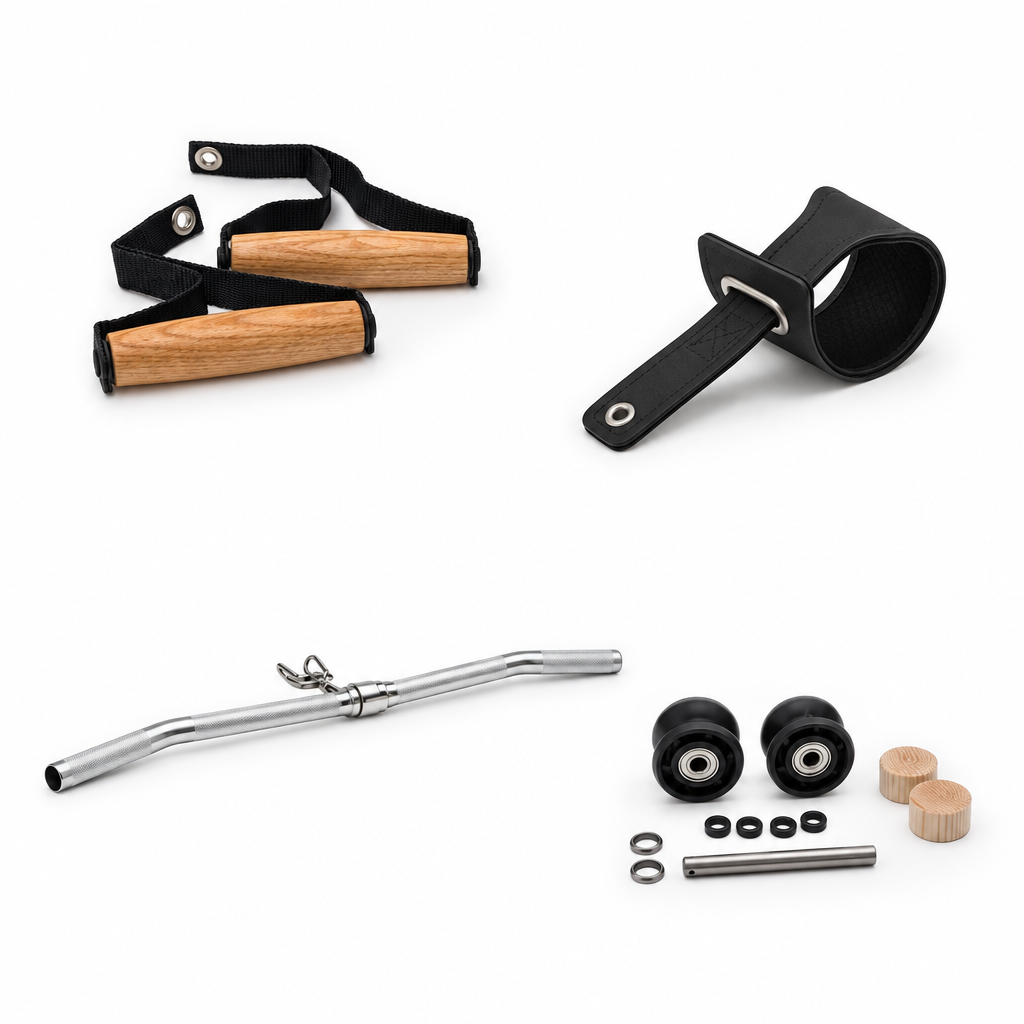
A quality functional trainerallows push and pull variations at many angles, single‑arm and unilateral work, and safer solo training for those less comfortable under a barbell.
Multi‑gym
Choose this if you:
- Want as many fixed‑path options as possible in one footprint.
- Prefer guided movement patterns.
- Are less concerned with maximal strength and more with convenience.
The right multi‑gym still needs smart placement and sensible surrounding space, but it can be very effective in garages where free‑weight confidence is low or multiple family members want straightforward machines.
Essential Equipment for Most Garage Gyms
Once you’ve chosen your anchor, the next decisions are remarkably similar across Training Station garage gym design builds.
Racks: full, half, wall‑mount and folding
Your rack type depends on ceiling height, footprint and whether you still park a car.
- Full rack: maximum safety, great for heavy lifting; needs more depth and headroom.
- Half rack: lighter footprint, still very capable, easier to place against a wall.
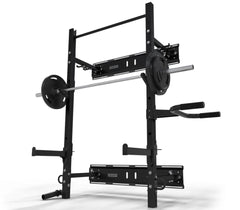
- Wall‑mounted / folding rack: ideal when space is tight or mixed‑use; folds away to reclaim floor space.
In tight single garages, a well‑specced folding rack is often the difference between a serious gym and constant frustration.
Benches: flat vs adjustable
A poor bench can undermine an otherwise great setup.
- Flat benches: stable, robust and usually more affordable; ideal for powerlifting‑style training.
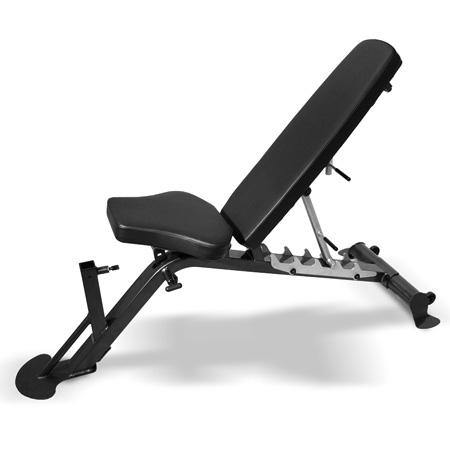
- Adjustable benches: add incline and sometimes decline options; better for varied hypertrophy work and shared use.
Consider bench length and pad width relative to your build, height from the floor for leg drive, and whether wheels and handles will make regular repositioning easier.
Barbells and plates
Bars and plates are where home gyms often separate from home studios. If you lift heavy or drop from height, quality barbells and bumpers are worth the investment. For general lifting, mixed sets of bumpers and iron plates can be sensible: bumpers in the load zone, iron for extra load or machines.
Plan storage from day one: vertical or horizontal bar holders and plate storage integrated into or near the rack.
Dumbbells, kettlebells and secondary strength Machine
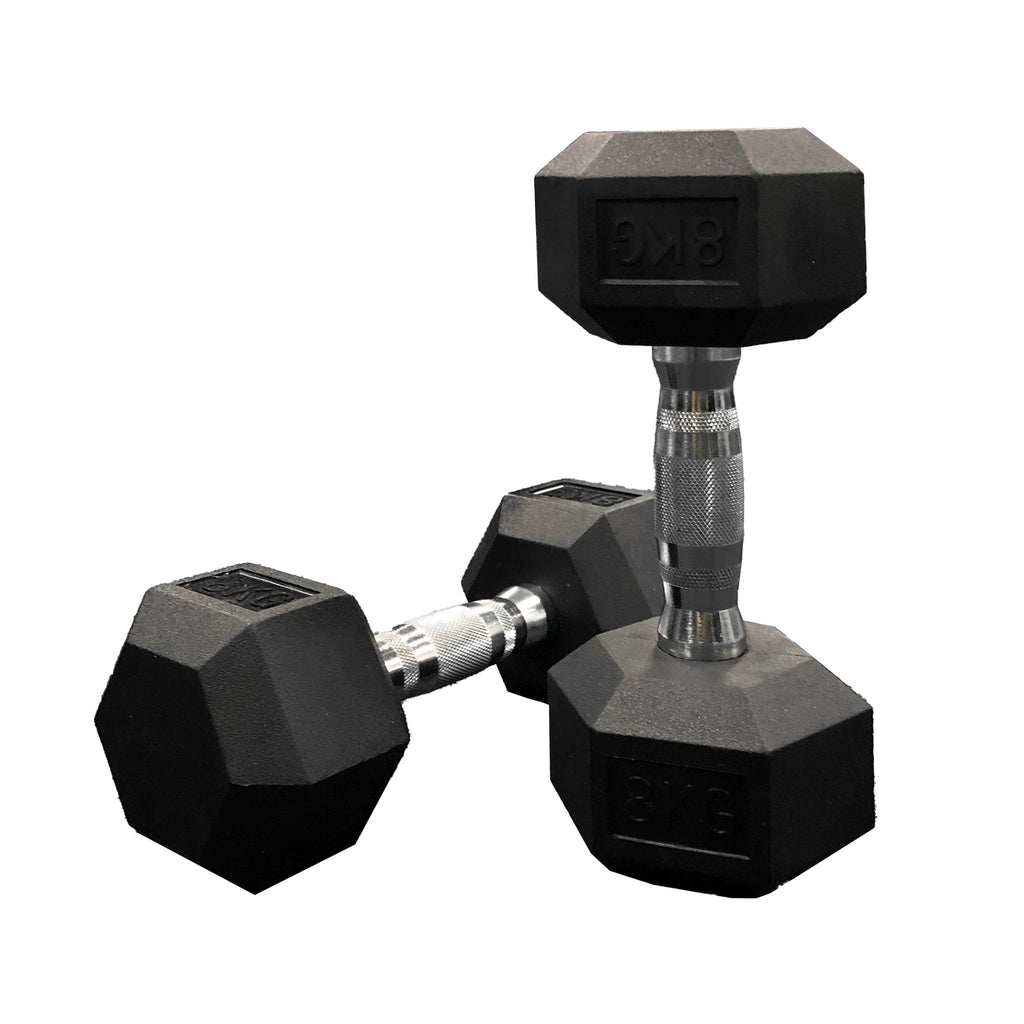
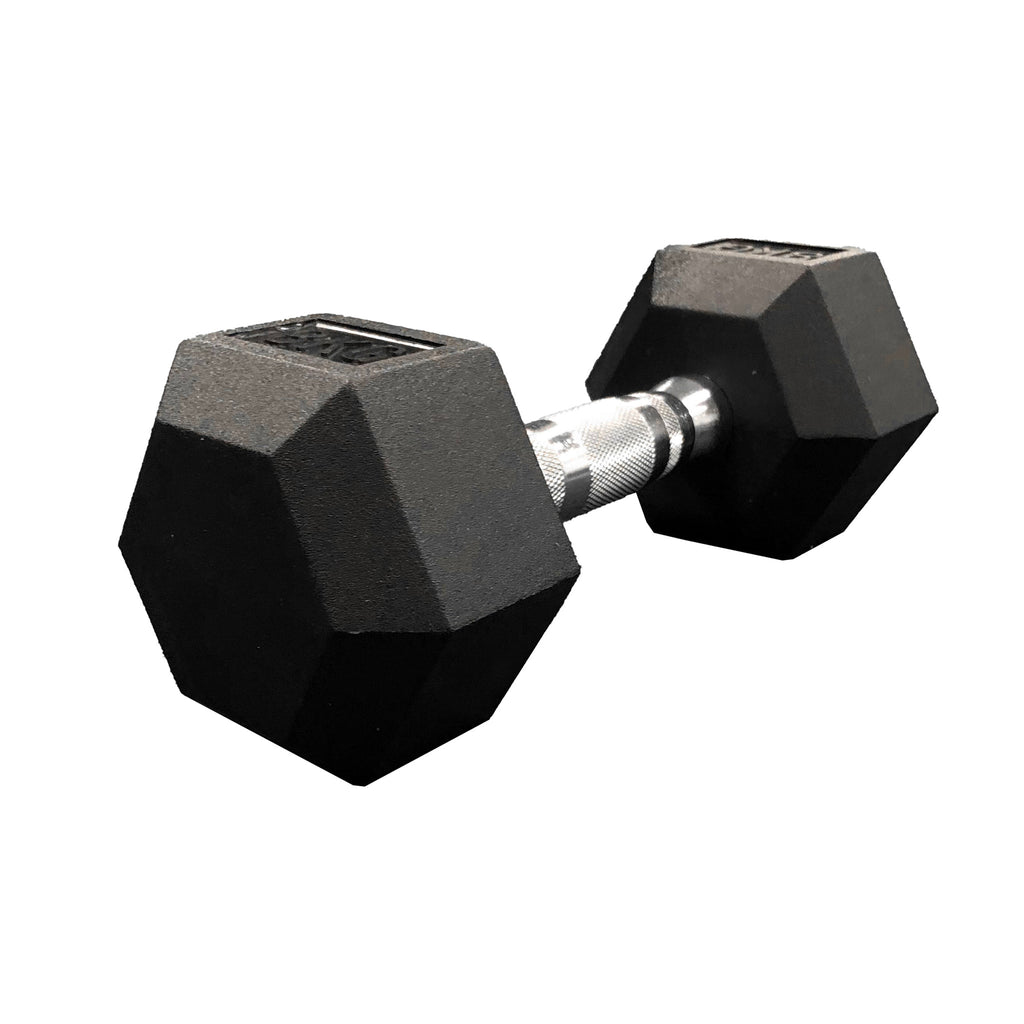
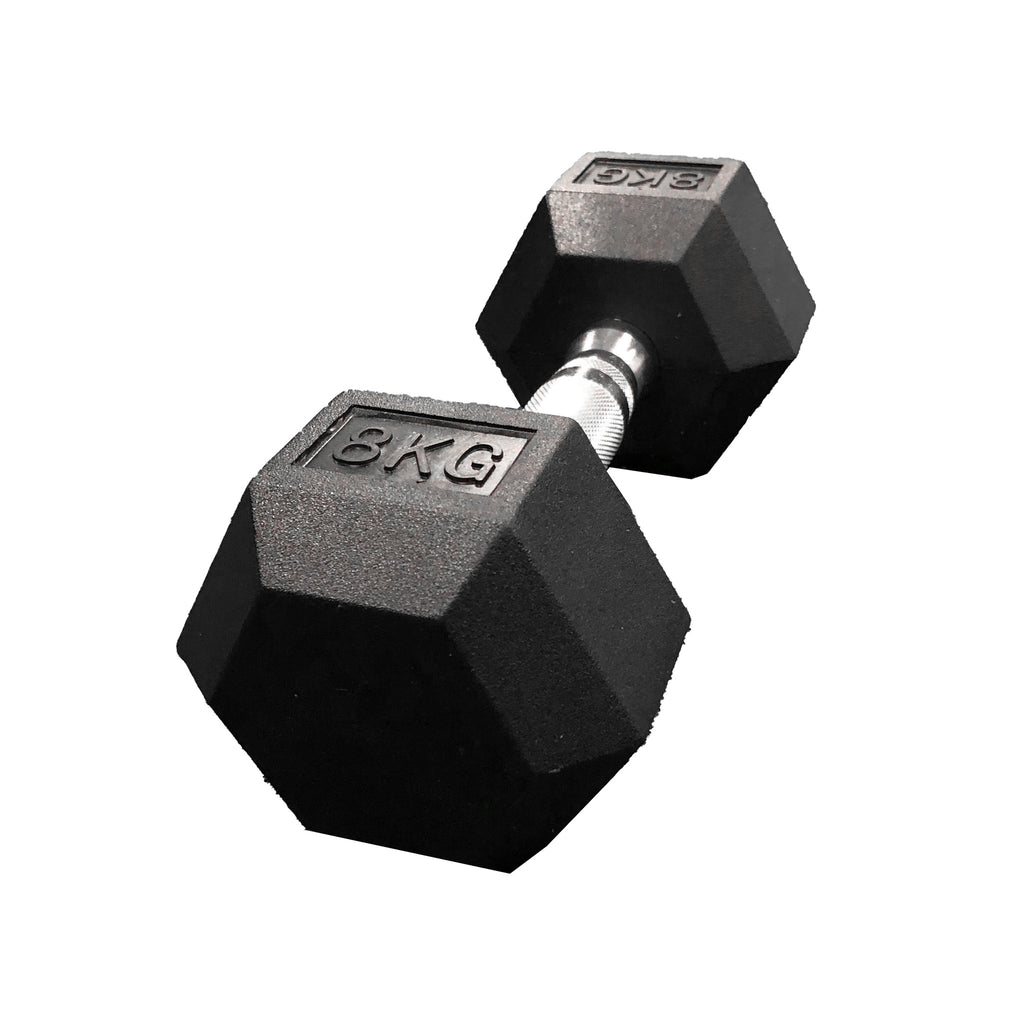
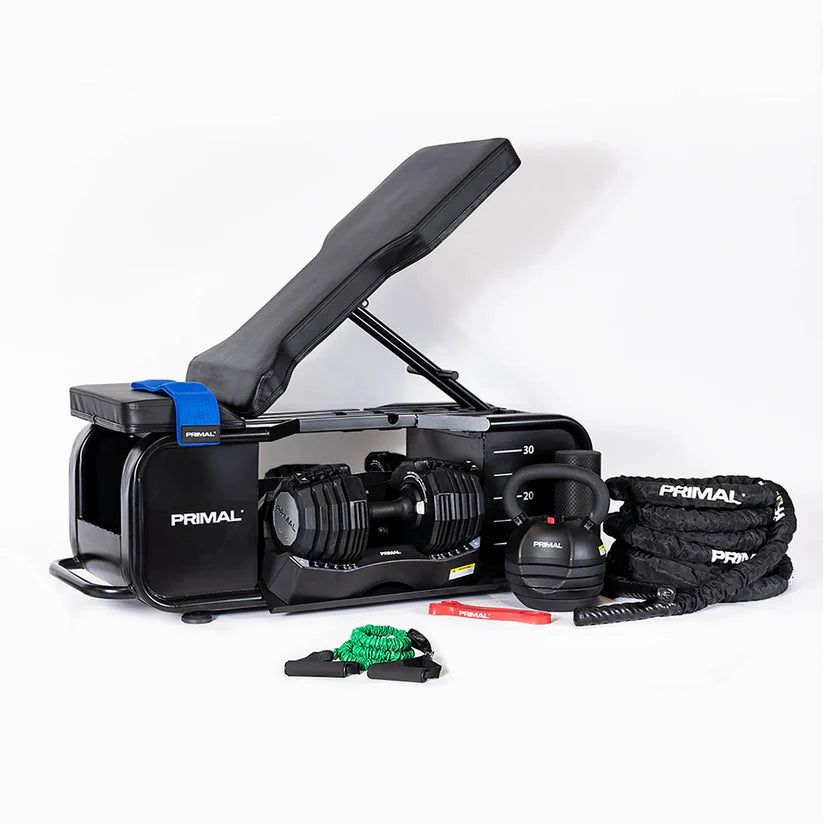
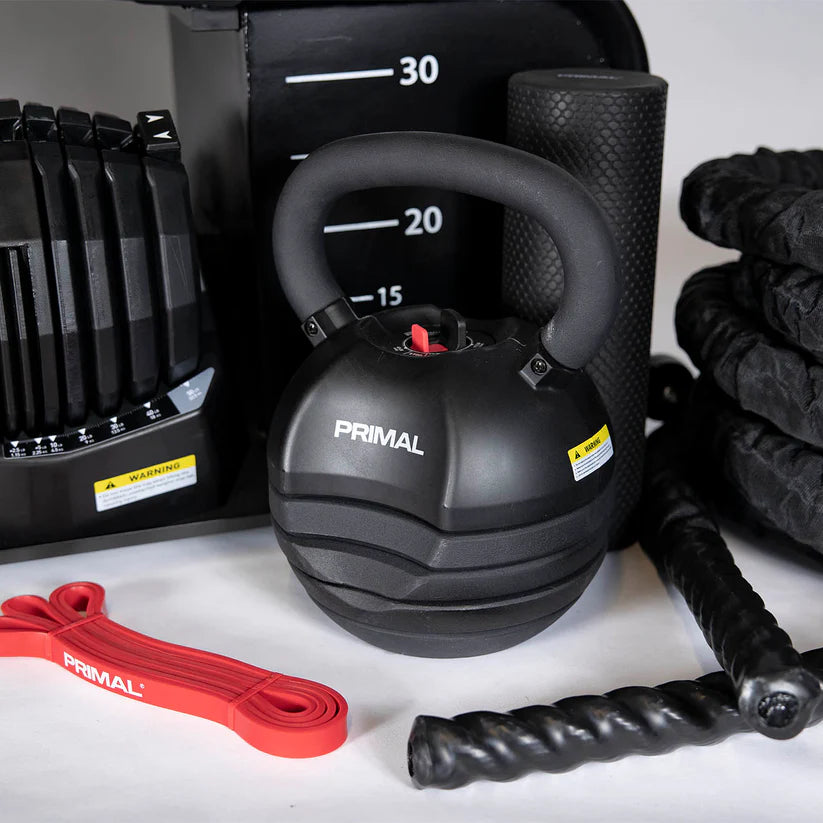
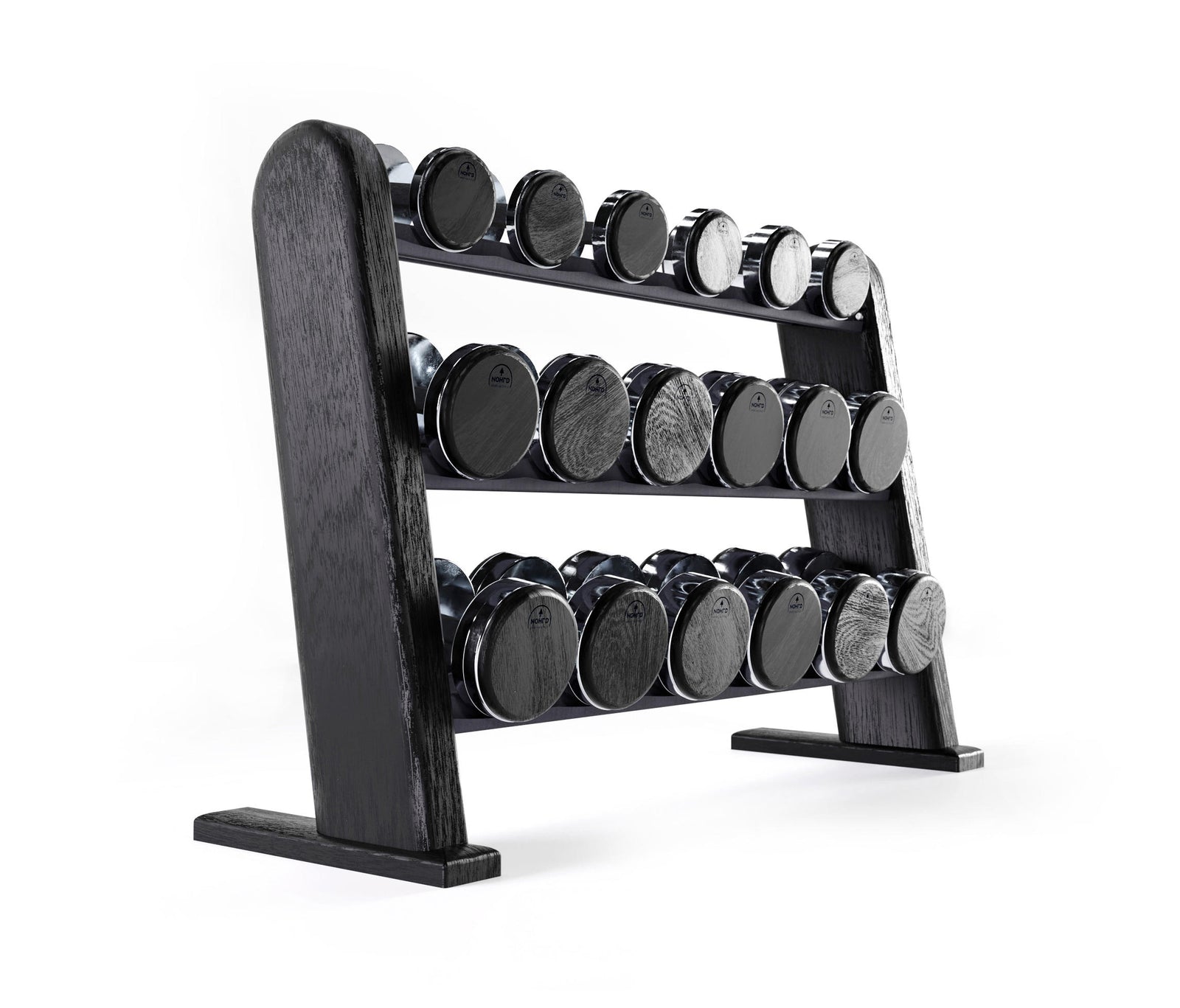
You don’t need a full commercial dumbbell run. Good starting points include one set of adjustable dumbbells if space is tight or a modest range of fixed pairs covering light, medium and heavy training ranges and a handful of kettlebells for swings, carries etc. power bands, suspension trainers and speciality bars can come later.

Conditioning - Cardio Equipment: Choosing the Right Piece
Conditioning kit should support your training, not dominate your footprint or noise profile.
Key Factors to consider
- Space: length, width and headroom for treadmills; footprint for bikes and rowers.
- Noise and vibration: treadmills and some ellipticals can be louder than bikes or rowers.
- Maintenance and durability: garages can be harsher environments.
Common choices
- Air/assault bikes: compact, brutally effective, relatively simple to maintain.
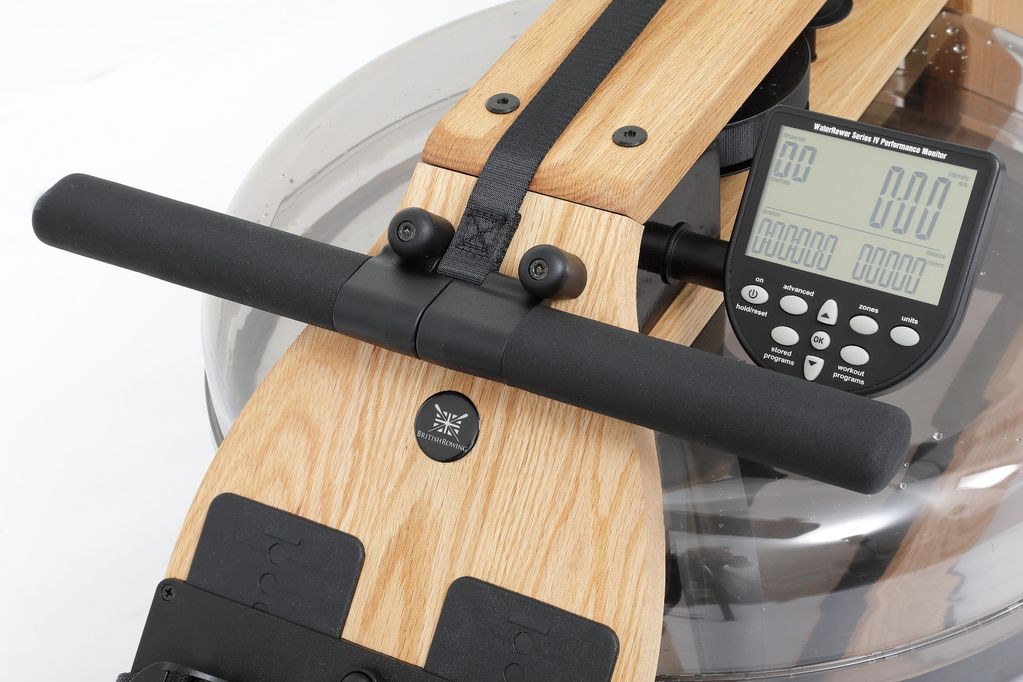
- Rowers: great conditioning with relatively small footprint; can store upright.
- Ski machines: wall‑ or stand‑mounted; excellent if floor space is limited.
- Treadmills: best when you truly want running; require more space, careful positioning and robust flooring.
In smaller garages, a single high‑quality conditioning piece is almost always better than several mediocre ones.
Small‑Space and Multi‑Use Equipment Strategies
Many Training Station clients are working with single or narrow garages that still have to serve as storage or parking. In those cases, equipment choices become more creative.
Folding and wall‑mounted solutions
- Folding racks let you reclaim depth when not in use.
- Wall‑mounted cable systems consolidate many exercises into a shallow footprint.
- Wall‑hung storage for bars, plates, dumbbells and accessories keeps the floor clear.
Multi‑purpose pieces
- Benches that double as storage.
- Adjustable dumbbells that remove the need for a large rack.
Floor‑space discipline
In a small garage, every piece must justify its footprint. If you can’t clearly articulate how it fits into your weekly training, it probably doesn’t belong in the first wave of purchases.

Buying in Phases: A Practical Order of Investment - If Needed
Phase 1 – Key Machine + basic floor
Focus on one strong "central" machine (often an all in one trainer or half or folding rack with bar and plates), a flat or basic adjustable bench, a few dumbbells or an adjustable set, and mid range but appropriate flooring under the training zone.
Phase 2 – Bench, bar and plates or key resistance
Add more plate capacity or a second bar if your training demands it, a better or additional cardio/ conditioning piece, an expanded accessory range.
Phase 3 – Conditioning and speciality kit
Build on progression with a premium rack, integrated storage, potentially a second strength piece such as a functional trainer, specialist machines that support your goals, multiple conditioning options and a fully fitted out environment.
Phase 4 – Refinements and upgrades
Upgrade where you now see bottlenecks and dial in environment and aesthetics around a proven training flow.
Common Equipment Buying Mistakes
- Over‑equipping too early, leaving too little floor for actual training.
- Under‑investing in the key product or two, a flimsy rack or poor‑quality cable unit undermines everything you do.
- Ignoring footprint and ceiling; beautiful kit that only fits on paper, not in reality.
- Chasing "trendy" with speciality pieces used once a month.
Our Training Station approach is simple: get the basics perfect, then layer nice to haves on top.
How Training Station Helps You Choose the Right Equipment
The right equipment list is specific to your garage, your body and your goals. Training Station designs around your preferred training style and experience level, the exact dimensions and constraints of your garage, how many people will use the gym and how often, and your budget now and how you might grow it over time.
We then specify an equipment blueprint that respects your space, supports your training and leaves room for future progression, rather than pushing you towards a one‑size‑fits‑all kit list.
FAQs: Garage Gym Equipment
Should I start with a rack or a functional trainer?
If heavy barbell work is central to your training, a good rack with bar and plates is usually the better starting point. If you prefer cables, joint‑friendly options and shared use with less experienced lifters, a functional trainer can be the more practical option.
Do I really need a full rack, or is a half rack enough?
A full rack offers more built‑in safety for heavy work, especially if you train alone. A well‑designed half rack can be more than sufficient in many home setups, especially where space is limited. Your ceiling height, depth and training style will decide.
Are adjustable dumbbells worth it?
In small garages, adjustable dumbbells can be excellent value, replacing an entire rack of fixed pairs. If you have the space and budget, a small run of fixed dumbbells in your most‑used weights feels better in the hand and speeds up sessions.
How much weight should I buy in plates when I’m starting out?
Buy enough to cover your current strength with a sensible growth margin. For many lifters, that means at least bodyweight plus 50–100% in total plate load, spread across sizes that make loading efficient. You can always add more once you’re genuinely close to maxing out.
Is a treadmill a good idea in a garage?
It can be, but treadmills demand more headroom, potentially better flooring . If you mainly want conditioning rather than running specifically, a bike, rower or ski machine often offers a cleaner fit and less noise.
What one conditioning machine would you choose if space is tight?
For many garage gyms, an air bike or rower is the most efficient choice: relatively compact, brutally effective, and simple to maintain. The right answer still depends on your joints, preferences and noise tolerance.
When should I consider speciality machines like leg presses or GHDs?
Only once your core machine, barbell work and basic accessories are in place and seeing consistent use. Speciality machines make more sense in larger double garages or hybrid semi‑commercial setups than in cramped single garages.
Can I build a serious garage gym with a modest budget?
Yes. A well‑chosen main machine, a bar, plates, a bench, mid range flooring and one conditioning option are enough for balanced training if the planning is right. The key is resisting impulse purchases and letting your real training drive each upgrade.