Bumper Plate | Bumper Plates Banner

Bumper Plate | Bumper Plates

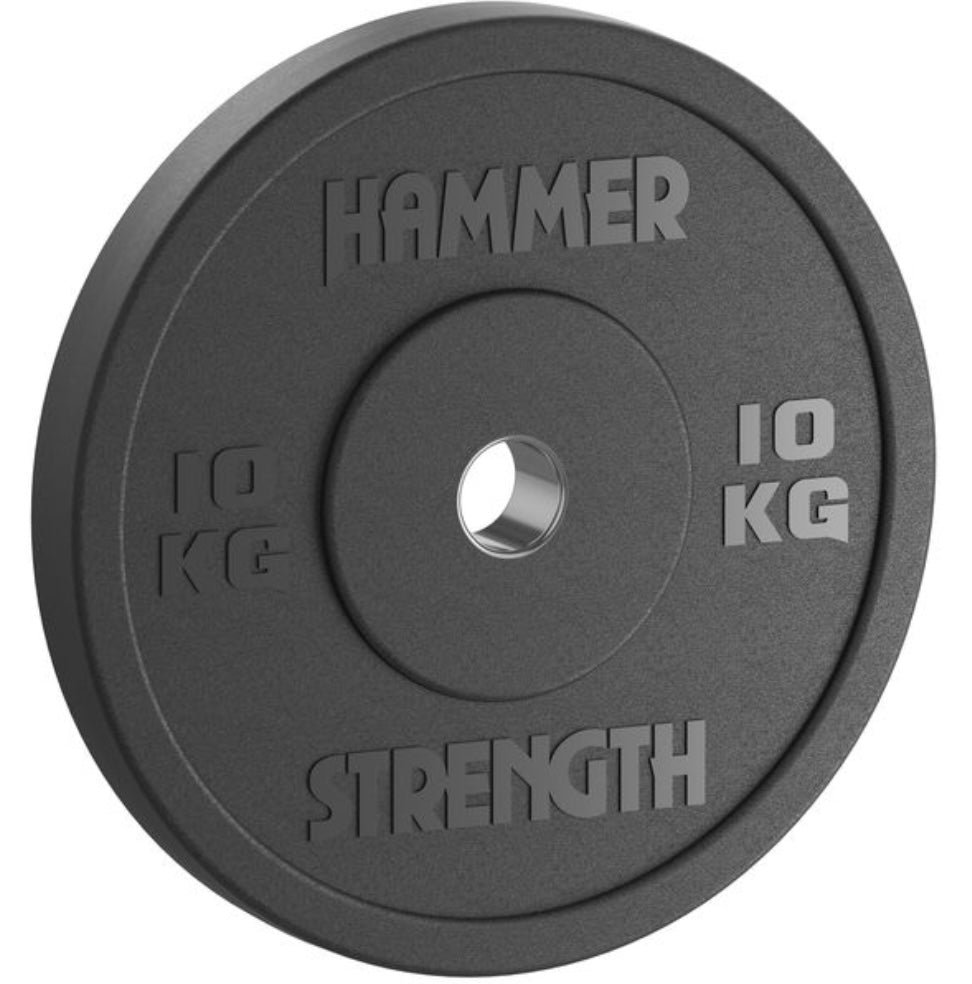
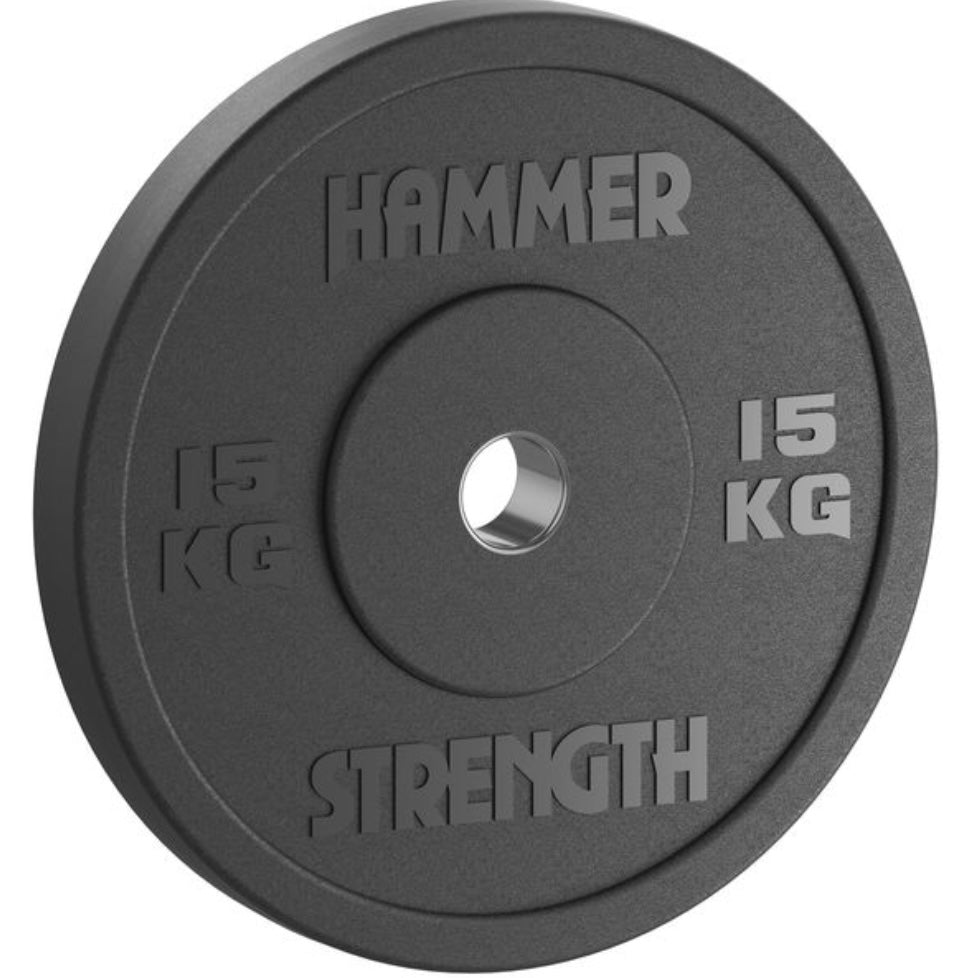
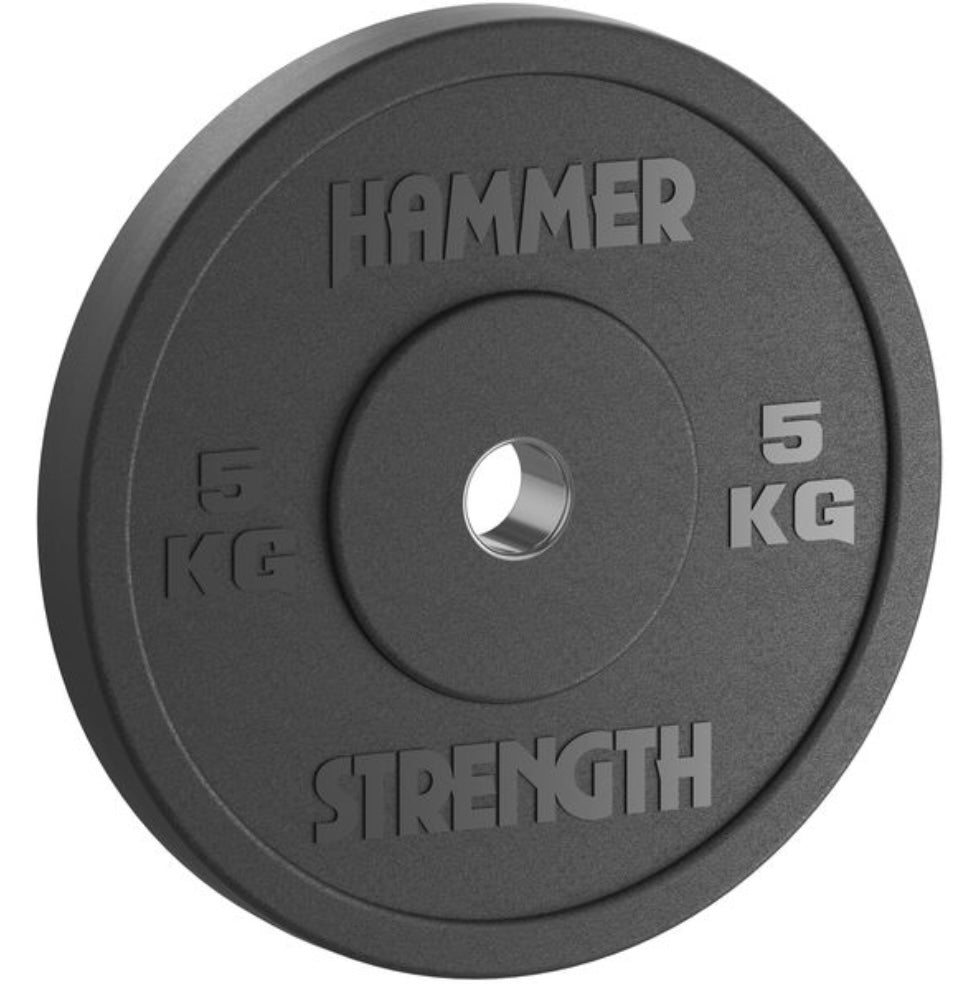
Ever popular Olympic sized Bumper Plates for both homes and commercial gyms, a competition Bumper Plate can be bought in pairs or singularly or as a Bumper Plate Set.  The ideal training plates to use at home or in your commercial facility, not  sure, then read our "Plate Buying Guide"  where we can supply from the leading strength brands such as Primal Strength, Jordan, Technogym, Escape, Hammer Strength and more.

Ever popular Olympic sized Bumper Plates for both homes and commercial gyms, a competition Bumper Plate can be bought in pairs or singularly or as a Bumper Plate Set.  The ideal training plates to use at home or in your commercial facility, not  sure, then read our "Plate Buying Guide"  where we can supply from the leading strength brands such as Primal Strength, Jordan, Technogym, Escape, Hammer Strength and more.

Bumper plates are weight plates made of dense rubber, designed for safe dropping and versatile use in barbell training. Their key benefits include protecting both floors and equipment, reducing noise, and supporting Olympic lifts and high-impact workouts. There are several main types, buying considerations, and common questions relevant to selecting the right bumper plates for your needs.

Benefits of Bumper Plates

  1. Bumper plates are extremely durable, able to withstand repeated dropping without damaging floors or equipment.
  2. They provide a safer and quieter lifting environment, as the rubber construction reduces noise and absorbs vibration.
  3. Consistent diameter across all weights helps lifters maintain proper technique, especially for deadlifts and Olympic lifts.
  4. Bumper plates are beginner- and home gym-friendly, offering a forgiving surface and minimising injury risk from drops.
  5. Their rubber coating is aesthetically pleasing and easy to identify, especially with color-coded competition plates.

Types of Bumper Plates

Bumper plates come in several distinct types, each designed for different training scenarios, durability levels, and price ranges. The main differences depend on the materials, dimensions, color coding, and intended use.

Standard (Training) Bumper Plates

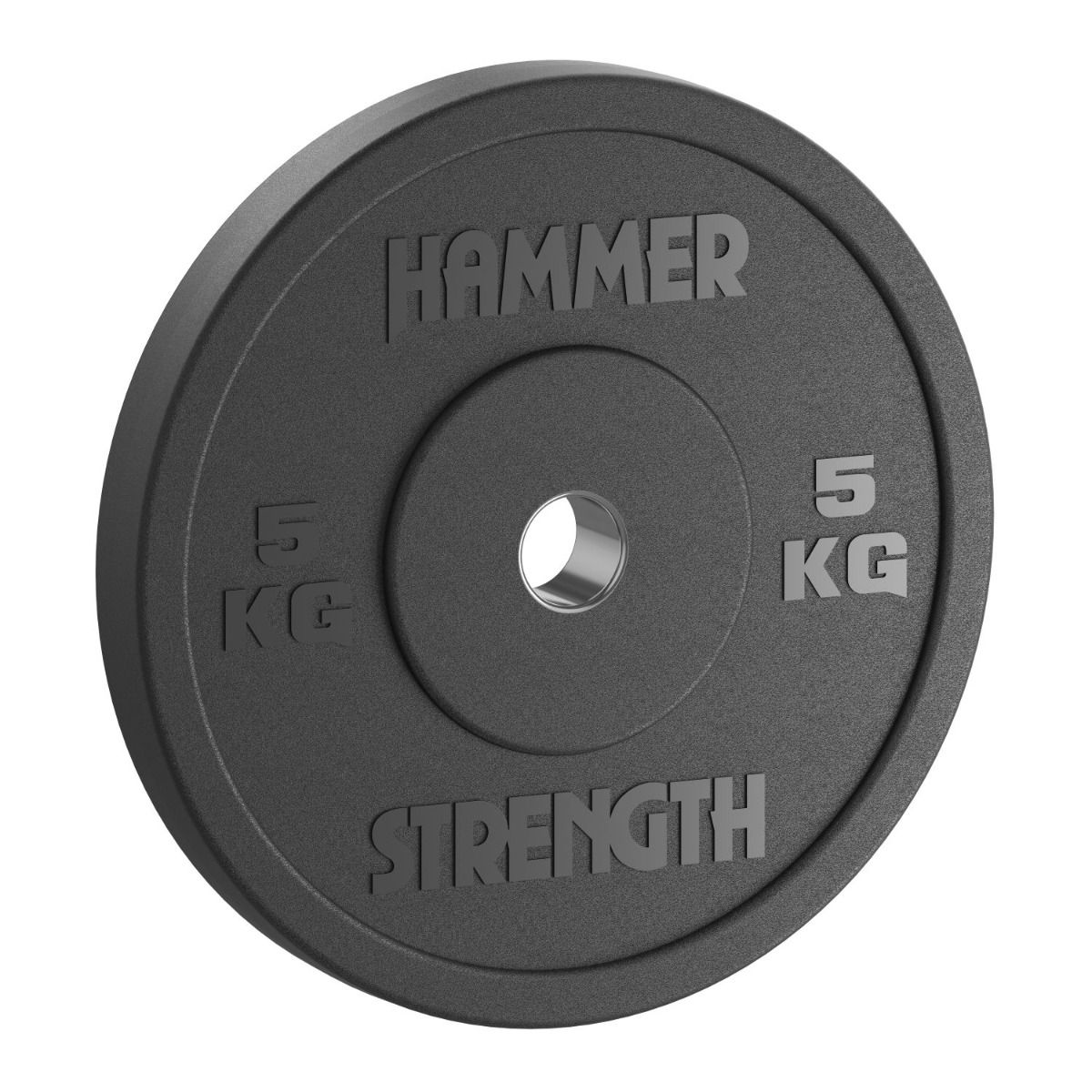
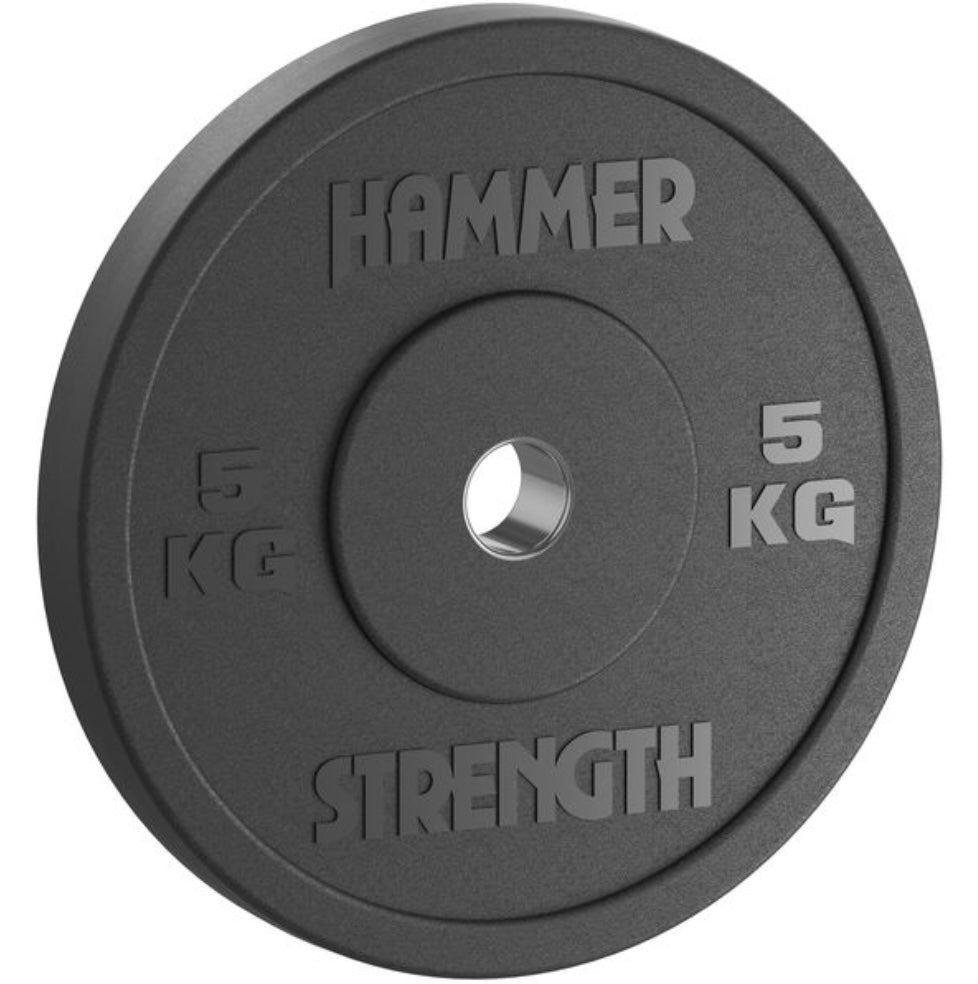
  • Made of virgin or recycled rubber, usually black but sometimes colorized for visibility.
  • Stainless steel insert for barbell compatibility.
  • Thick profile (especially in heavier weights), which can restrict max load on the bar.
  • Best for general lifting, CrossFit, and home gym use; more affordable but may deform (“taco”) with excessive abuse.
  • Typically meet basic size and diameter standards (450mm diameter), but may vary by brand.

Competition Bumper Plates

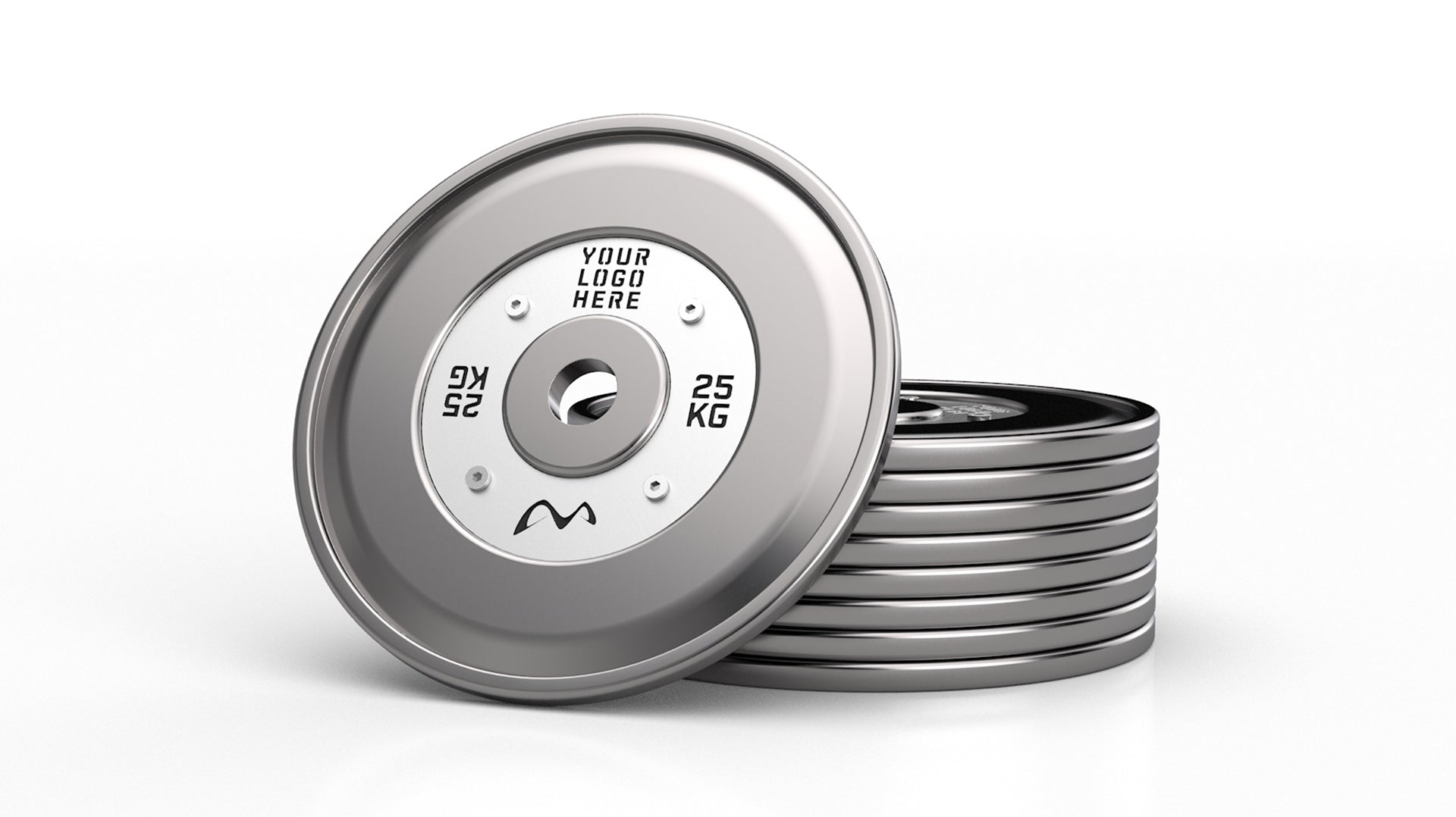
  • Designed to meet strict International Weightlifting Federation standards.
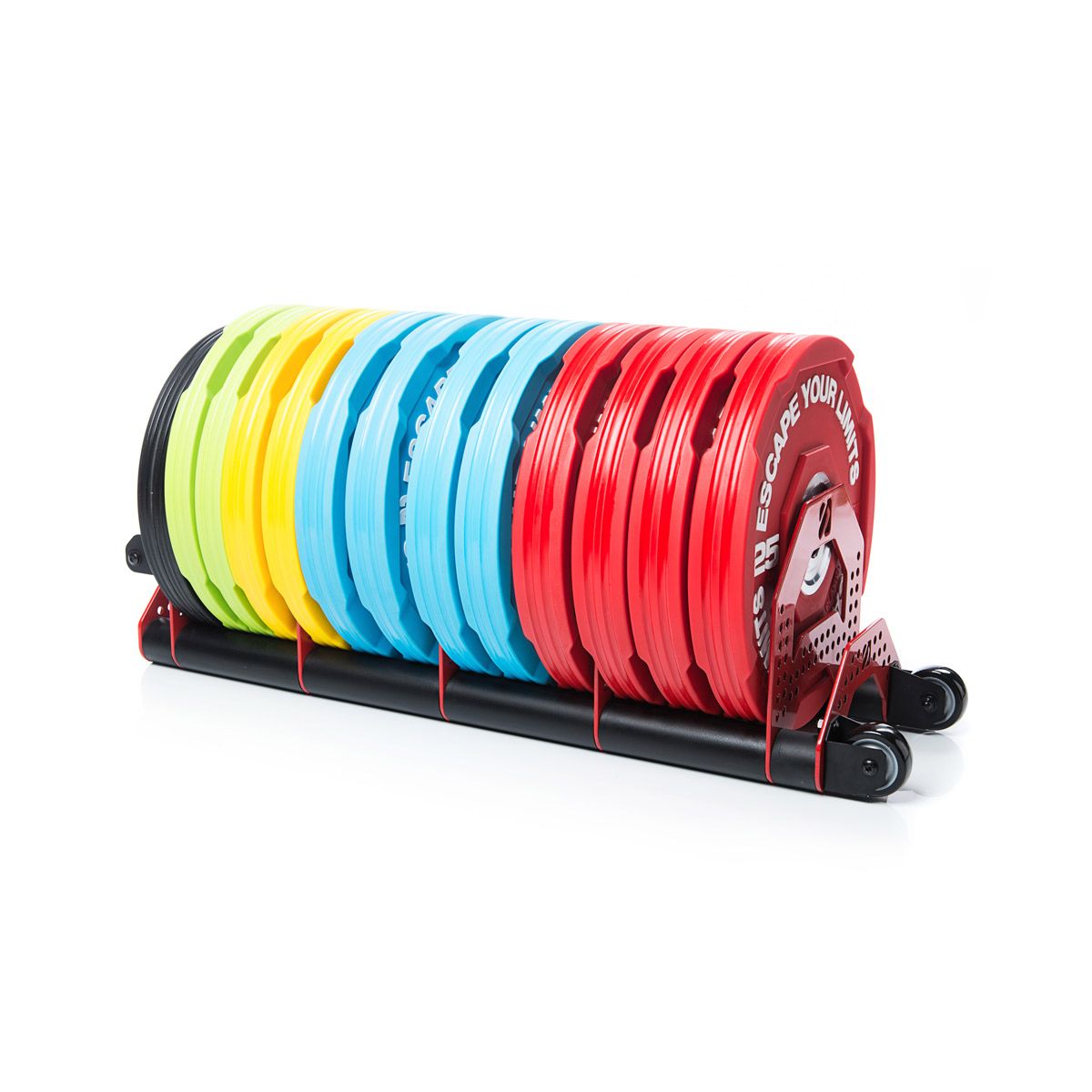
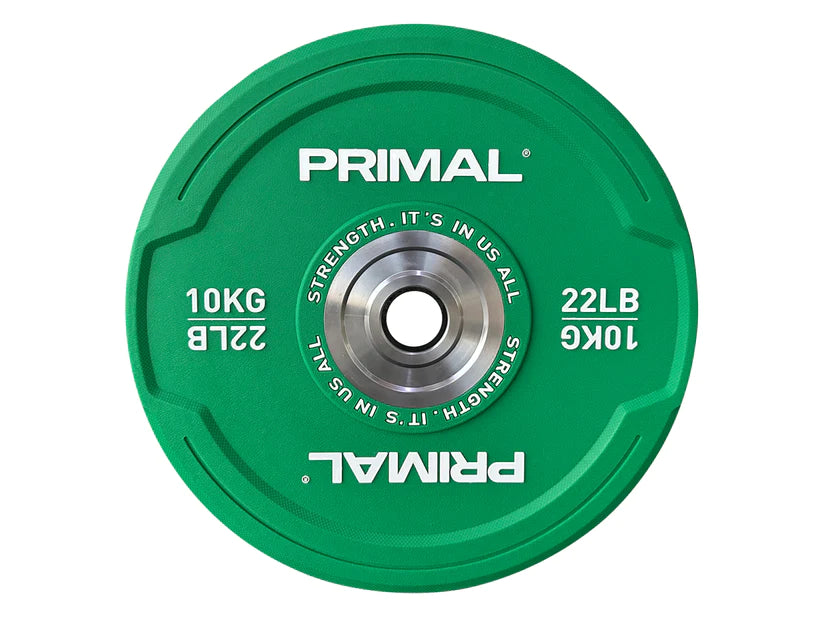
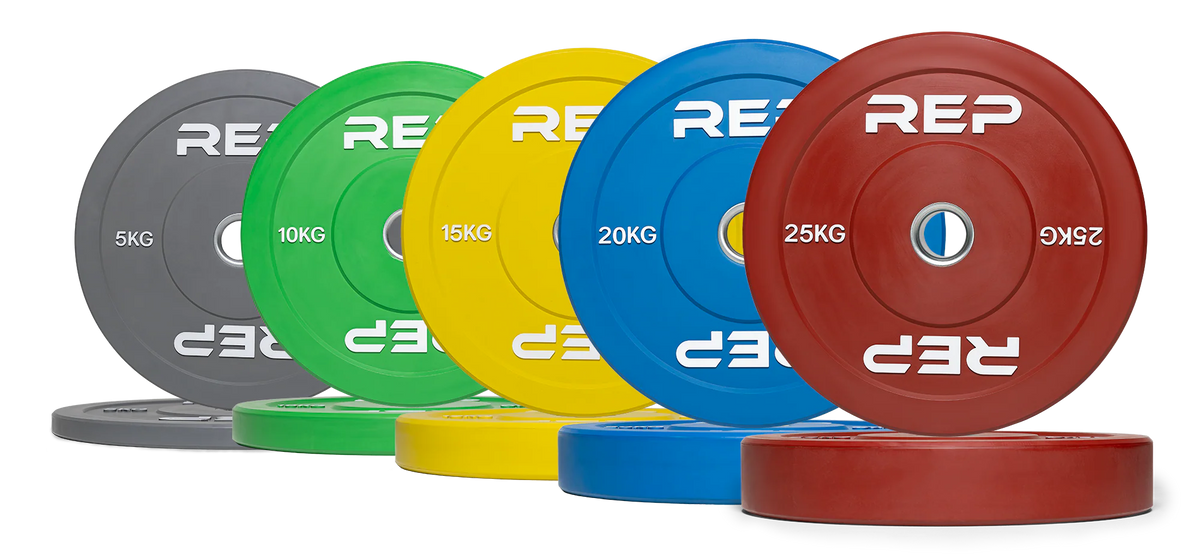
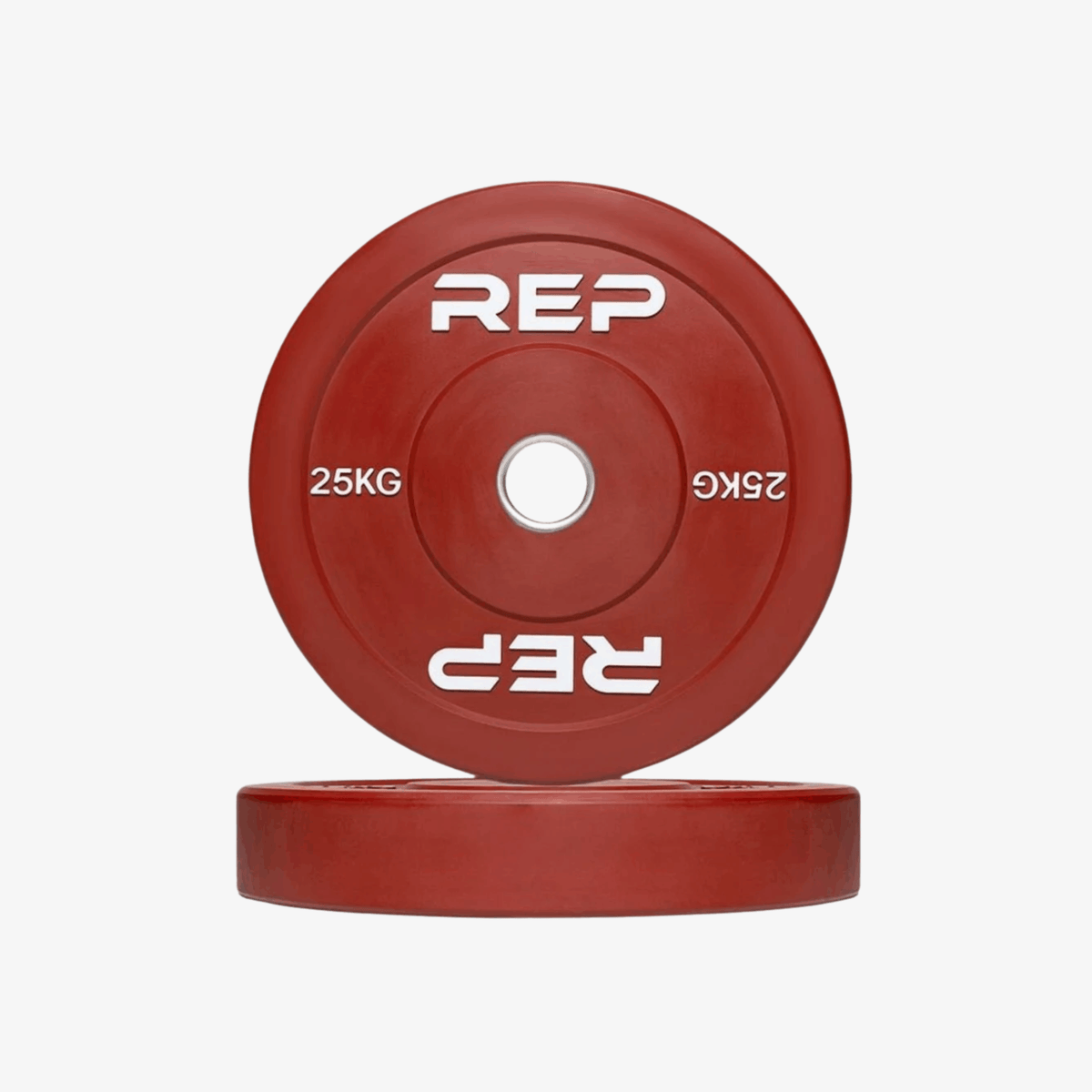
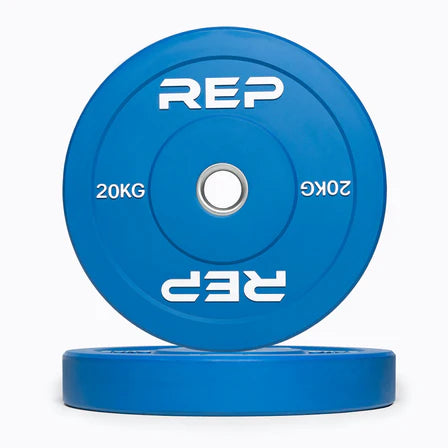
  • Competition bumper plates are color-coded for instant weight identification.
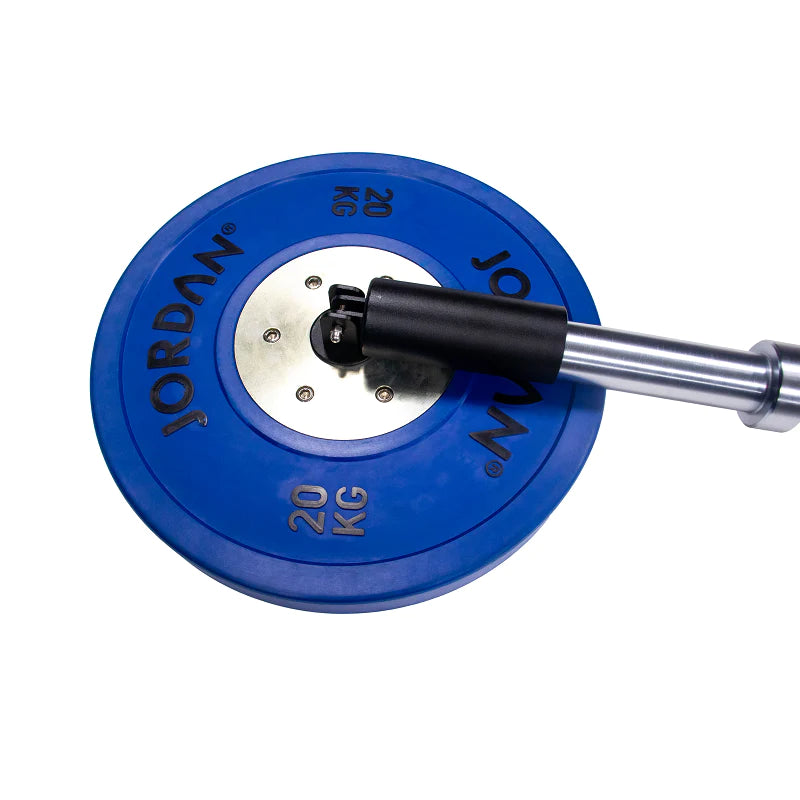
  • Have a steel hub/disc bolted through, making the plate thinner so more weight can be loaded on the barbell sleeve.
  • Very accurate in weight tolerance (usually within 1%), extremely durable, and intended for Olympic lifting or competitive environments.
  • More expensive than standard bumpers, but have “dead bounce” and high precision.

Crumb Rubber Bumper Plates

  • Made from recycled rubber “crumbs,” often speckled in appearance.
  • Generally thicker and bouncier than virgin rubber plates.
  • More budget-friendly, environmentally conscious, but less durable for frequent drops in commercial settings.

Urethane Bumper Plates

  • Urethane is a high-end synthetic that resists abrasion, chemicals, and temperature fluctuations.
  • Urethane plates have a glossy finish, maintain color clarity longer, and shrug off scuffs.
  • More durable and expensive than rubber plates, favored in heavy-use or commercial gyms.

Technique Plates

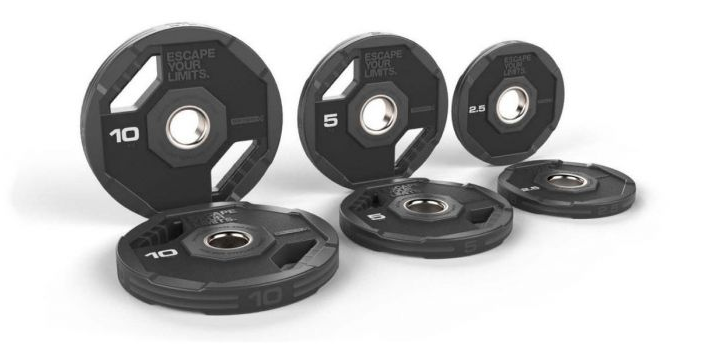
  • Light weight (2.5kg or 5kg), but maintain the same diameter as heavy bumper plates for skill practice.
  • Allow beginners to learn Olympic lifts with proper bar height and safety.

Bumper Plate Buying Tips

  • Material: Virgin rubber is denser and longer-lasting; crumb rubber is cheaper but less durable; urethane offers superior durability, but at a higher price.
  • Bounce: Look for plates with lower bounce (higher durometer rating, usually over 85) for safety and reduced impact.
  • Weight accuracy: Choose plates with good weight tolerance (within 1–2%) for consistent, predictable loading—vital for competition or serious training.
  • Brand reputation: Opt for well-reviewed brands known for quality bumper plates; established brands often offer better warranties and durability.
  • Compatibility: Ensure central hole diameter matches standard Olympic barbell sleeves (50.4mm).
  • Intended use: For Olympic lifting, competition plates may be essential; for general strength or home use, standard bumpers are generally used.

Bumper Plates FAQ's

Are all bumper plates the same diameter?

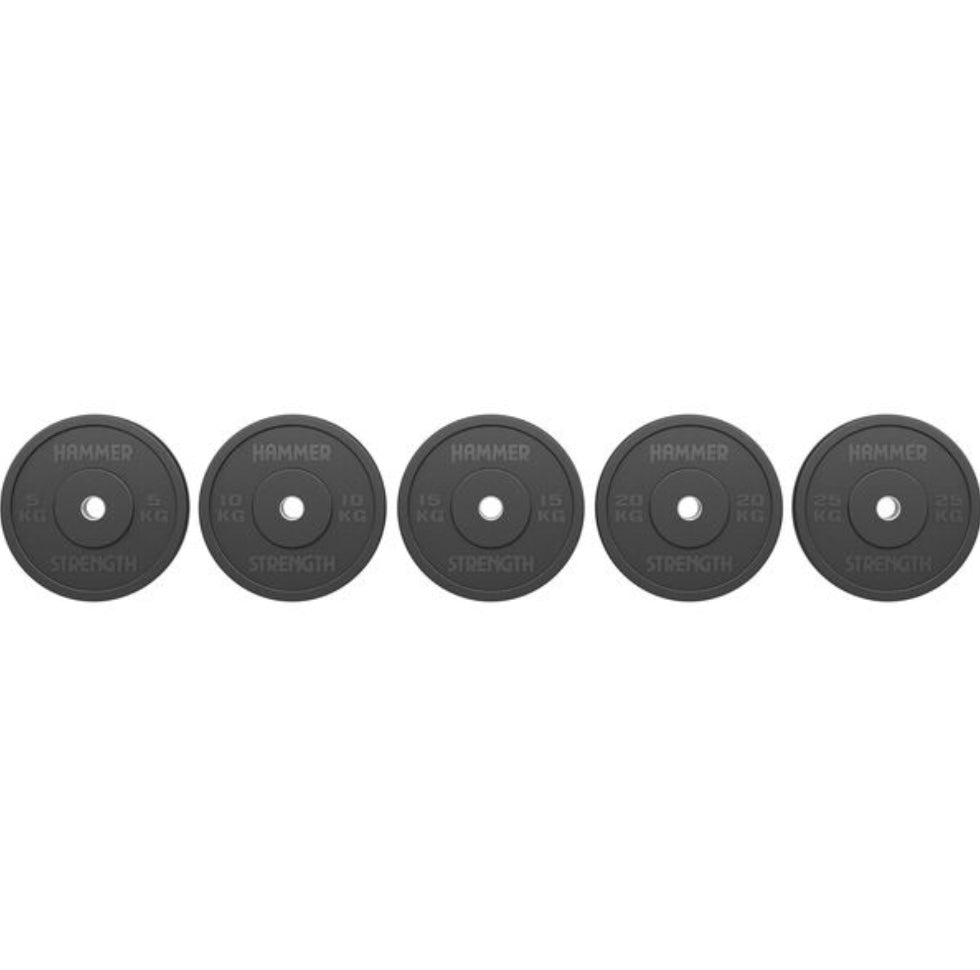
Most bumper plates follow the International Weightlifting Federation standard diameter of 450mm (about 17.7 inches), but some manufacturers vary slightly. All weight increments generally have the same diameter for consistency in lifting technique.

What sizes do bumper plates come in?

Common sizes include 5kg, 10kg, 15kg, 20kg, and 25kg plates, but they are also available in lighter technique plates (2.5kg or 5kg) and smaller change plates (0.5 to 5kg).

What materials are bumper plates made of?

They come mainly in virgin rubber, recycled crumb rubber, and urethane. Virgin rubber is denser and more durable, crumb rubber is budget-friendly but less durable, and urethane is premium and very durable with excellent resistance to wear.

Are bumper plates safe for home gym floors?

Yes. They absorb impact and protect floors better than iron or steel plates, making them ideal for home gyms and spaces with delicate flooring.

Do bumper plates bounce?

Yes, bumper plates have some bounce, but the amount decreases as plate weight increases. Heavier plates bounce less due to their weight.

Can bumper plates be used with any barbell?

They are designed for Olympic barbells with a 50mm sleeve diameter. Always check bar compatibility before purchasing.

Are color-coded plates necessary?

No, but color-coded plates help quickly identify weights and meet competition standards.

Do bumper plates wear out?

Yes, especially those made from crumb rubber. Proper care and use greatly extend their lifespan.

Are bumper plates worth the price?

They are generally more expensive than iron plates but offer superior safety, durability, and noise reduction, making them a good long-term investment.

Can bumper plates be used for all types of lifts?

They are ideal for Olympic lifts and any exercises involving dropping weights. They also work well for general strength exercises like squats and deadlifts.