Nationwide Sales & Service - 01536 802333

Our Range
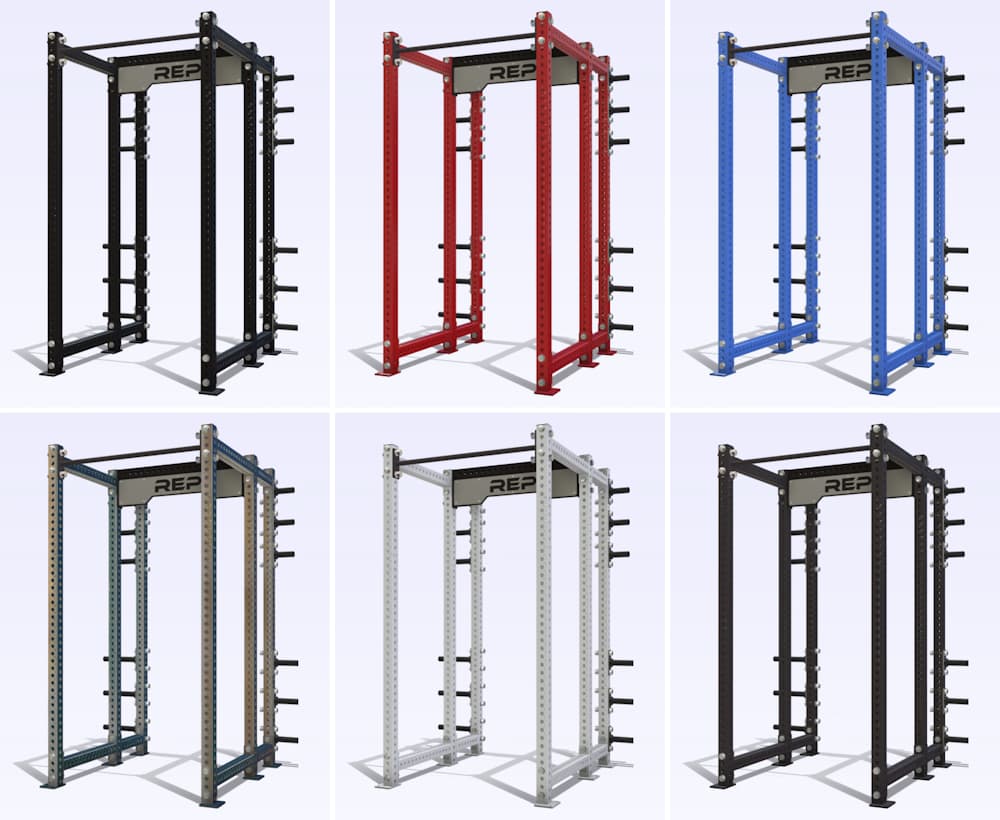
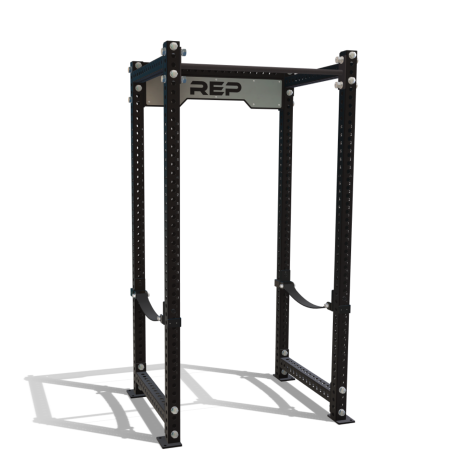
Ever popular Power Racks or Half Rack for Strength Training at home or in a commercial gym, they can be foldable, wall mounted or free standing to suit your space. With various attachments to personalise to your training needs. Not sure, read our "What is the difference between a Power Rack & Half Racks " article.
Explore our range of innovative & quality options from the leading strength brands such as Primal, Life Fitness, Hammer Strength, Raze, Watson & Jordan and more.


Viewing 15 out of 53 products
Load MoreHalf racks and power racks are two of the most essential pieces of strength training equipment, each designed to support barbell-based lifts safely and efficiently. The choice between them depends on available space, training style, budget, and safety requirements.
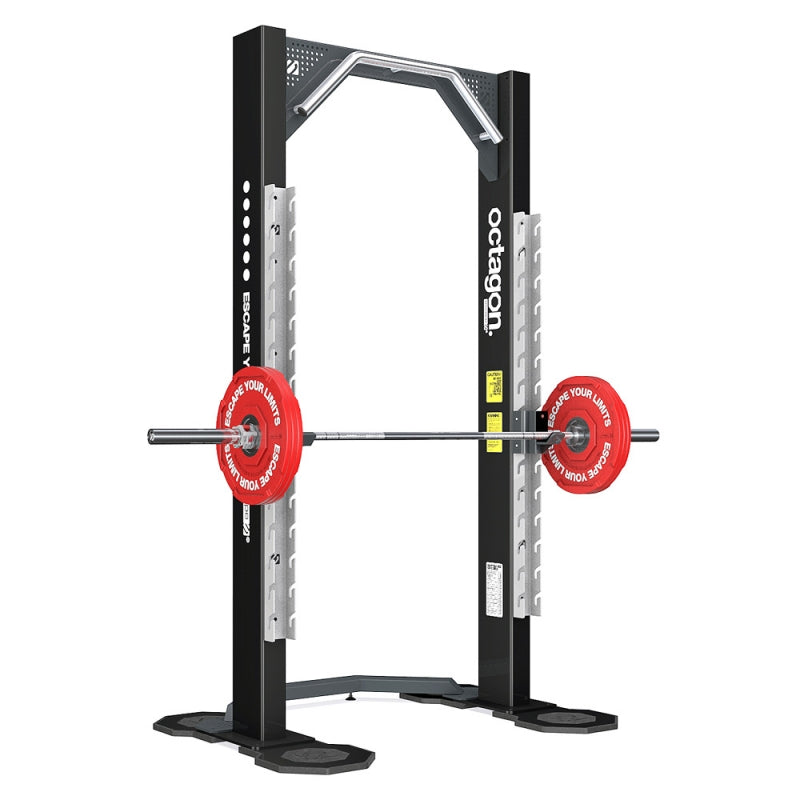
Features: Half racks typically have two main uprights with safety spotter arms, J-hooks for barbell placement, and often include integrated pull-up bars or storage pegs. They are built from 11-gauge steel and are lighter and more compact than power racks.
Benefits:
Limitations:
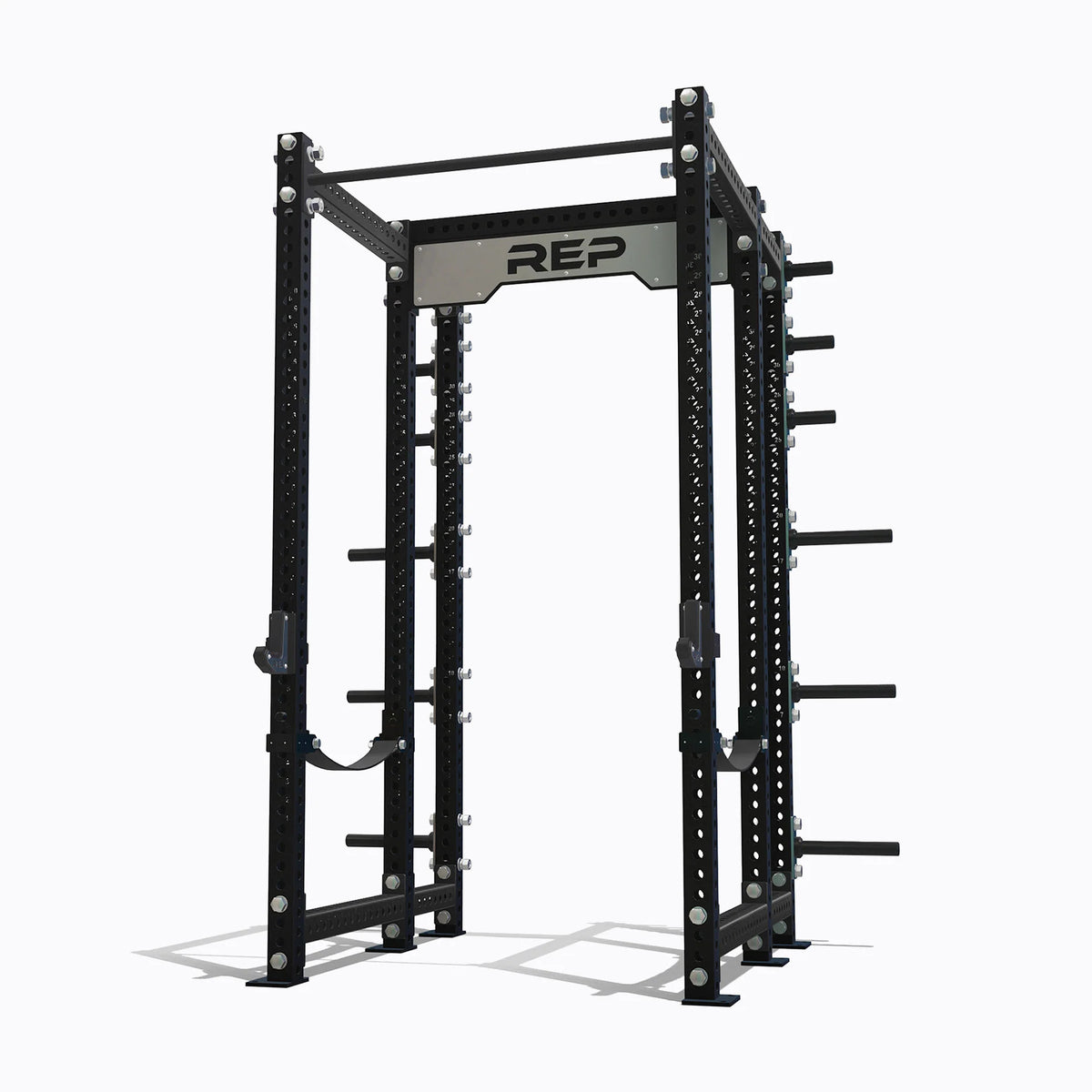
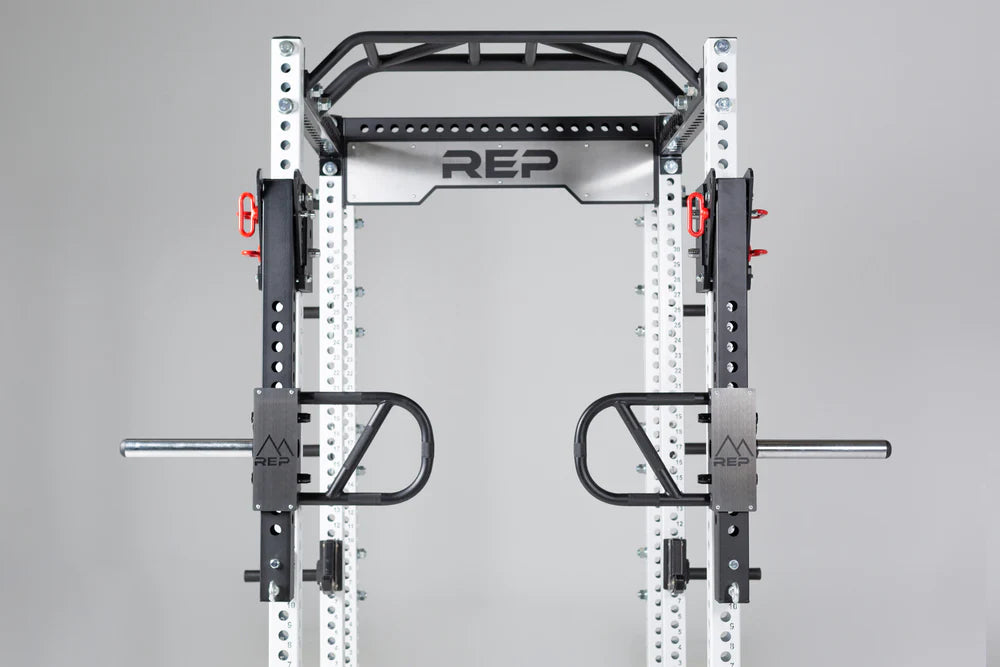
Features: Power racks, sometimes called full racks or cages, include four vertical posts forming an enclosed lifting area. They come with adjustable safety bars, pull-up options, and a wide range of accessories including cable crossovers, lat attachments, and band pegs.
Benefits:
Limitations:
Half racks suit compact home gyms and functional training setups, while power racks are better for dedicated strength athletes who need maximum safety and exercise variety. Both can be long-term investments when chosen with appropriate quality and safety features
Common FAQs about half racks and power racks, covering features, usage, setup, for both home and commercial gyms.
What is the difference between a half rack and a power rack?
A half rack has two vertical posts (sometimes with stabilizers or supports) and is open-fronted, making it more space-efficient. A power rack has four posts forming an enclosed cage, offering greater safety for heavy lifts.
Which is safer?
Power racks provide superior safety because they have full-length enclosure and adjustable safety bars on both sides, catching the bar even if dropped. Half racks rely on external spotter arms and require more control during the lift.
What exercises can you do with these racks?
Both racks support compound lifts such as squats, bench presses, overhead presses, bent-over rows, pull-ups, and shrugs. Power racks can also accommodate accessory exercises like rack pulls, triceps dips, and cable work with attachments.
Is a half rack good for heavy lifting?
Yes, but only if the rack uses high-gauge steel (11–12 gauge) and is securely bolted or weighted for stability. Under extremely heavy loads, power racks remain safer.
Do I need to bolt down a half rack?
Bolting increases stability, but many modern half racks feature wide bases or plate storage pegs for counterbalance, making bolting optional for moderate training.
Are half racks suitable for beginners?
Yes. They’re easier to set up, require less space, and allow users to master fundamental barbell lifts safely when equipped with spotter arms.
How do I choose the right power rack?
Consider weight rating, frame thickness, height clearance, accessories, and expandability options. Power racks rated above 250–300 kg are ideal for progressing lifters.
Can I train alone with a power rack?
Yes. Power racks are designed for solo training due to built-in safety rails that can catch the barbell if you fail a lift.
What accessories should I look for?
Optional add-ons include lat pulldown systems, dip bars, landmine attachments, band pegs, and pull-up handles to expand functionality.
Half racks are best for compact setups and multifunctional training, while power racks excel in safety, versatility, and long-term progression. Choosing between them depends on your lifting style, available space, and future training goals.