Rubber is almost always the most suitable and preferred flooring for a home or garage gym, fitted as interlocking tiles or mats. Turf suits sled work and conditioning, and vinyl suits lighter-use rooms. Interlocking rubber tiles and luxury vinyl tile (LVT) are our most popular choices, especially for in-home gyms. Acoustic LVT is a different choice again. Compare each type below, then choose by how you train.
Quick answer: For most home, garage and garden room gyms, choose interlocking rubber tiles, 15 to 20mm thick for most home gyms with free weights, and 30mm or thicker for heavy deadlifts and dropped barbells. Thinner rubber, 5 to 10mm, is enough for cardio and yoga. Add a turf strip for sled work, or choose LVT where the gym needs to look like part of the house.
| Type | Best for | Shock absorption | Installation | Watch out for |
|---|---|---|---|---|
| Interlocking rubber tiles | Smaller rooms, garages | High | Easy, one person | Higher cost per unit |
| Vinyl and LVT | Lighter-use, colour-led rooms | Lower | Professional fit advised | Damage from heavy or sharp weights |
| Acoustic LVT | Homes where noise matters, lighter use | Lower | Glue-down, professional fit advised | Not for heavy drops or dropped weights |
| Rubber mats | Small spaces, barbell areas | High | Very easy | Joins and gaps if not interlocked |
| Turf | Sleds, CrossFit, yoga | Moderate with a padded backing (not for dropped weights) | Simple, loose lay or glued | Hygiene upkeep |
Rubber is versatile and shock-absorbing, with acoustic benefits that reduce noise and vibration. It protects the surface beneath and is easy to clean, which is why it suits everything from cardio to Olympic lifting. It also helps with high-impact work such as plyometrics, which can be hard on the joints.

Best for smaller rooms and garages
Interlocking tiles are easy to lay and can be fitted by one person, which makes rubber tiles the most popular choice for home and garage gyms. A damaged tile can be replaced without lifting the whole floor.

Best for in-home gyms, colour and lighter-use spaces
Vinyl is colourful, easy to clean and gives a smart finish, so it suits studios and lighter-use rooms. Luxury vinyl tile (LVT) planks are especially popular for in-home gyms, where the floor needs to look like part of the house. Acoustic LVT is a different choice again: it is designed to reduce noise, so it suits a gym above or next to living space where you want a residential finish without a rubber floor.

Best for confined spaces and barbell areas
Mats cover just the training zone, so they suit confined spaces, a single rack area or a barbell platform. They are the most flexible option if you want to move equipment around.

Best for sleds, CrossFit and yoga
Turf is built for sled pushes, lunges and conditioning drills, and works well for yoga and mobility. It can be combined with rubber, using turf in a strip beside a rubber lifting area. Padded turf cushions footwork, but it is not a substitute for dense rubber, so keep dropped weights to a rubber area.
We supply and fit gym flooring for home, garage and garden room gyms, from established brands including Primal, Pavigym, Paviflex, DuraTRAIN, Jordan and Gerflor. Whichever floor suits you, we can specify it as part of your gym design. Here are some of the options.


| Training | Suggested flooring |
|---|---|
| Heavy lifting and Olympic lifting | Thick rubber tiles or mats, with a lifting platform or drop pads as needed |
| HIIT, jumping and plyometrics | Rubber tiles, 10 to 15mm |
| Cardio, yoga and pilates | Rubber, 5 to 10mm, or vinyl for studio spaces |
| Sleds, CrossFit and conditioning | Turf strip beside rubber |
| Garage gym | Rubber tiles, laid over a clean, dry slab |
For thickness guidance and buying tips, read our flooring considerations guide. To see the range, browse gym flooring. Looking for flooring for a commercial gym, hotel, office or school? See our commercial gym flooring guide. If you want logos, markings or custom turf track layouts, see customising your gym space. For garages, read our garage gym flooring advice and double garage gym layout ideas.
Sweep or vacuum regularly to remove grit, and wipe up sweat and spills promptly. Use a damp mop with a mild cleaner and avoid harsh solvents on rubber. Keep turf brushed and clean, and check manufacturer guidance for any specific product.
Rubber, fitted as interlocking tiles or mats, is almost always the most suitable and preferred. It absorbs shock, reduces noise, protects the surface beneath and is easy to clean.
Interlocking rubber tiles and LVT are our most popular choices, especially for home gyms. Tiles are easy for one person to fit, a single damaged tile can be replaced, and they suit smaller or irregular rooms. LVT suits a gym that needs to look like part of the house.
Yes, for sled work, conditioning, yoga and mobility. It can be combined with rubber, and a padded backing helps with jumping and footwork, and it needs regular cleaning. Keep heavy dropped weights on rubber rather than turf.
Vinyl suits lighter-use spaces. It is more vulnerable to damage from heavy or sharp weights and gives less shock absorption than rubber.
Good-quality rubber flooring typically lasts 10 years or more with normal use and sensible care, depending on thickness, quality and how heavily the floor is used.
Most people can fit interlocking tiles or mats in a home gym. LVT is best fitted by a professional, and we can provide professional flooring installers.
Yes. Colours, markings, logos and custom turf track layouts are possible. See our customising page for details.
Sweep or vacuum to remove grit, then use a damp mop with a mild cleaner. Avoid harsh solvents, and follow the care guidance for your specific product.
Yes. Rubber tiles are popular in garage gyms, laid over a clean, dry slab. Our garage flooring guides cover noise and environment in more detail.
Thick, dense rubber. 20mm suits controlled lifting, while 30 to 40mm, a lifting platform or drop pads suit heavy deadlifts that are dropped. Your subfloor also matters, and ground floors are better for weight-bearing.
Cardio, yoga and pilates suit 5 to 10mm rubber. HIIT, jumping and plyometrics suit 10 to 15mm. Free weights and most home and garage gyms suit 15 to 20mm tiles. Heavy deadlifts and dropped barbells suit 30 to 40mm, or a lifting platform. Our flooring considerations guide covers thickness in more detail.
Yes. We supply gym flooring for home, garage and garden room gyms across the UK as part of a free gym design, and we can provide professional flooring installers.
Yes. If you are specifying flooring for a commercial gym, hotel, office or school, see our commercial gym flooring guide.
Flooring Guides
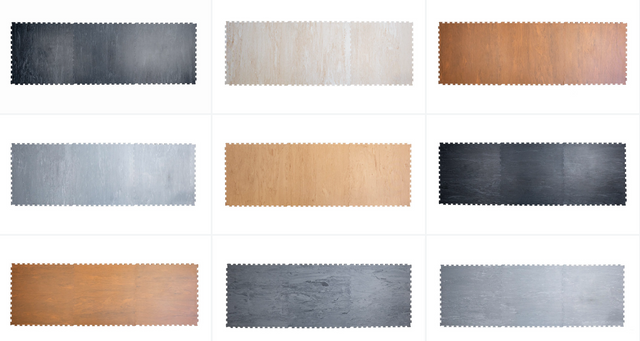
Pavigym’s new marbled and grained flooring thus sets a benchmark for combining performance, design, and environmental awareness in gym interiors, o...
Read the guide →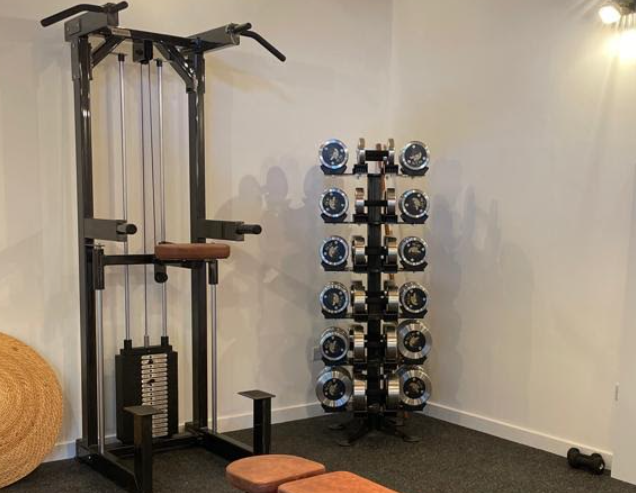
When setting up a garage gym, one of the most important considerations is the type of flooring you choose. The right flooring can provide a safe an...
Read the guide →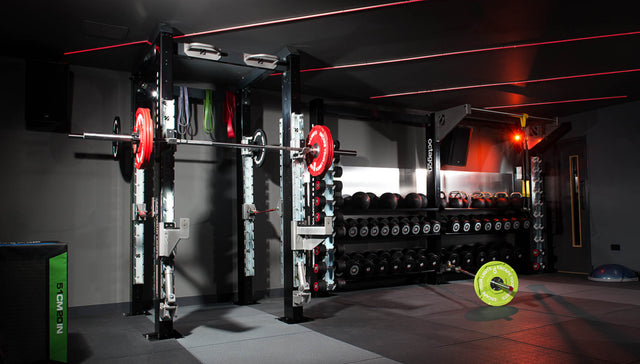
Zoning your double garage gym, whatever layout you choose, think in terms of zones rather than random kit placement. In a 5.5–6 m wide double garag...
Read the guide →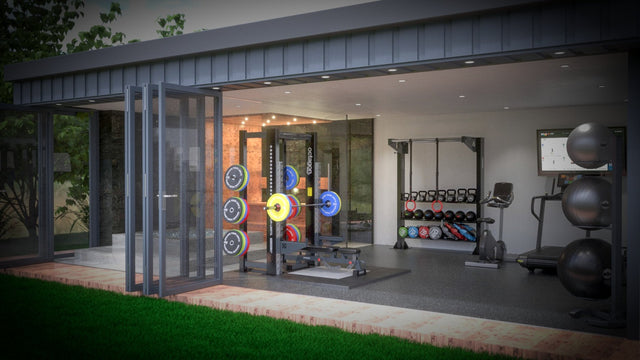
Home gym design consultancy plans your gym around your space, training and budget. Learn what a consultant does, how to choose one, and how Trainin...
Read the guide →If you wish to contact us for any reason, our dedicated team of customer service experts are here to help.
Please either fill in the contact form or send us a message using our online chat at the right-hand side of the screen. Our Customer Service Online Chat is available 7 days a week from 9am-8pm. If your enquiry relates to an existing order, please include your order number.