Nationwide Sales & Service - 01536 802333

Our Range
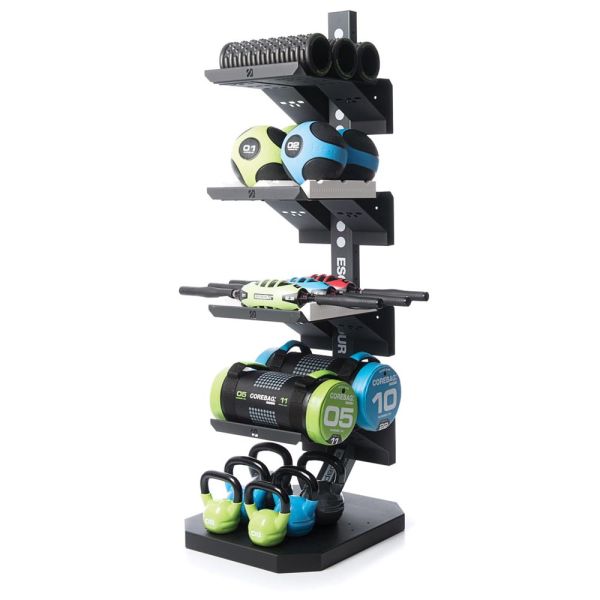
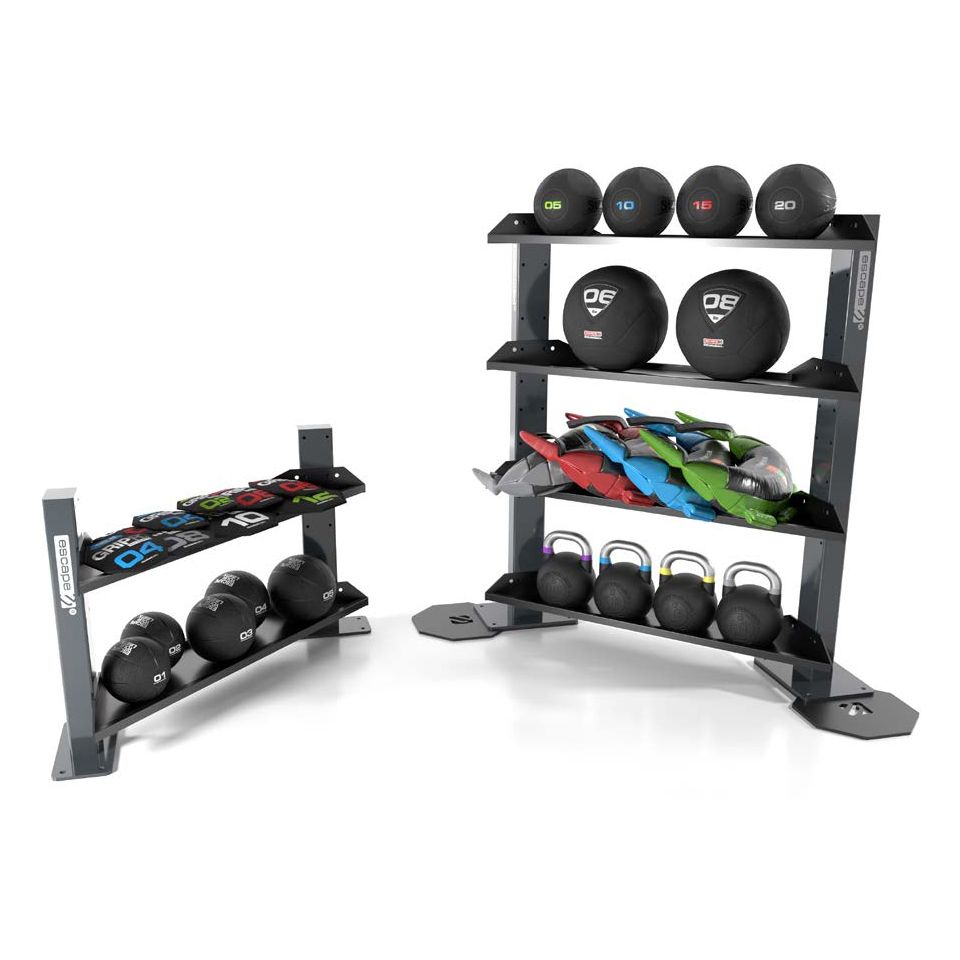
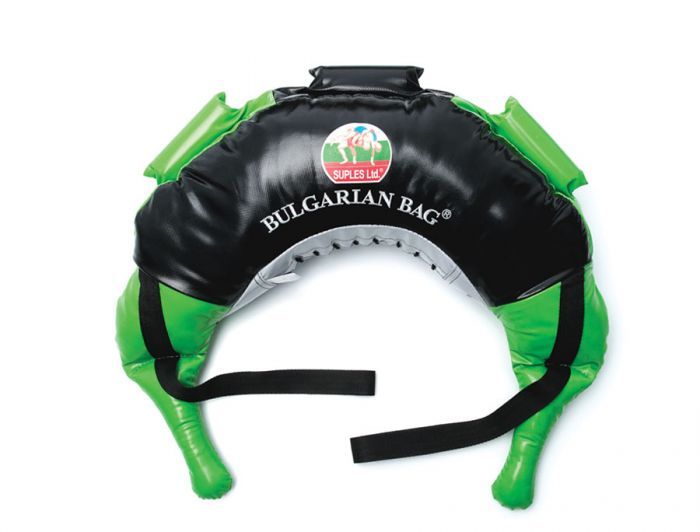
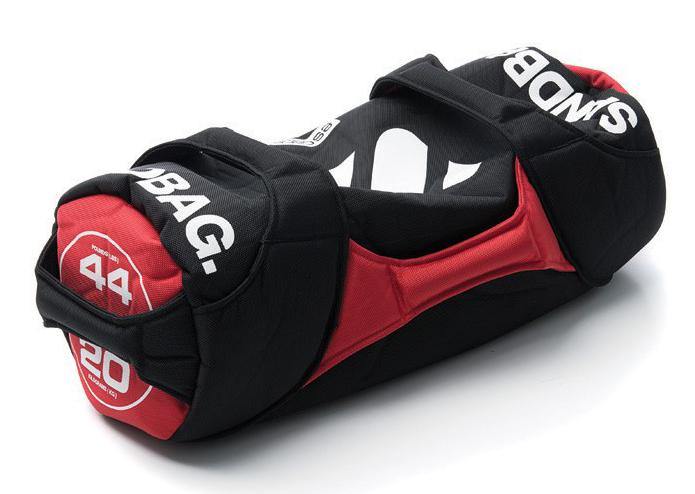
Numerous strength bag options such as Bulgarian bags, Sand bags, Core bags & Titan bags, they provide versatility and different challenges to your strength and functional training.
Read our guide to which weighted bag might suit your training, popular in home & commercial gyms, you can trust our leading strength brands such as Jordan, Physical, Escape, Primal & Ziva.

Viewing 15 out of 17 products
Load MoreStrength bags— such as Bulgarian bags, sandbags, and core bags—are dynamic functional training tools prized for versatility, strength, and conditioning benefits. Each bag type offers unique features, with specialised uses depending on training goals.
1. Bulgarian Bags:
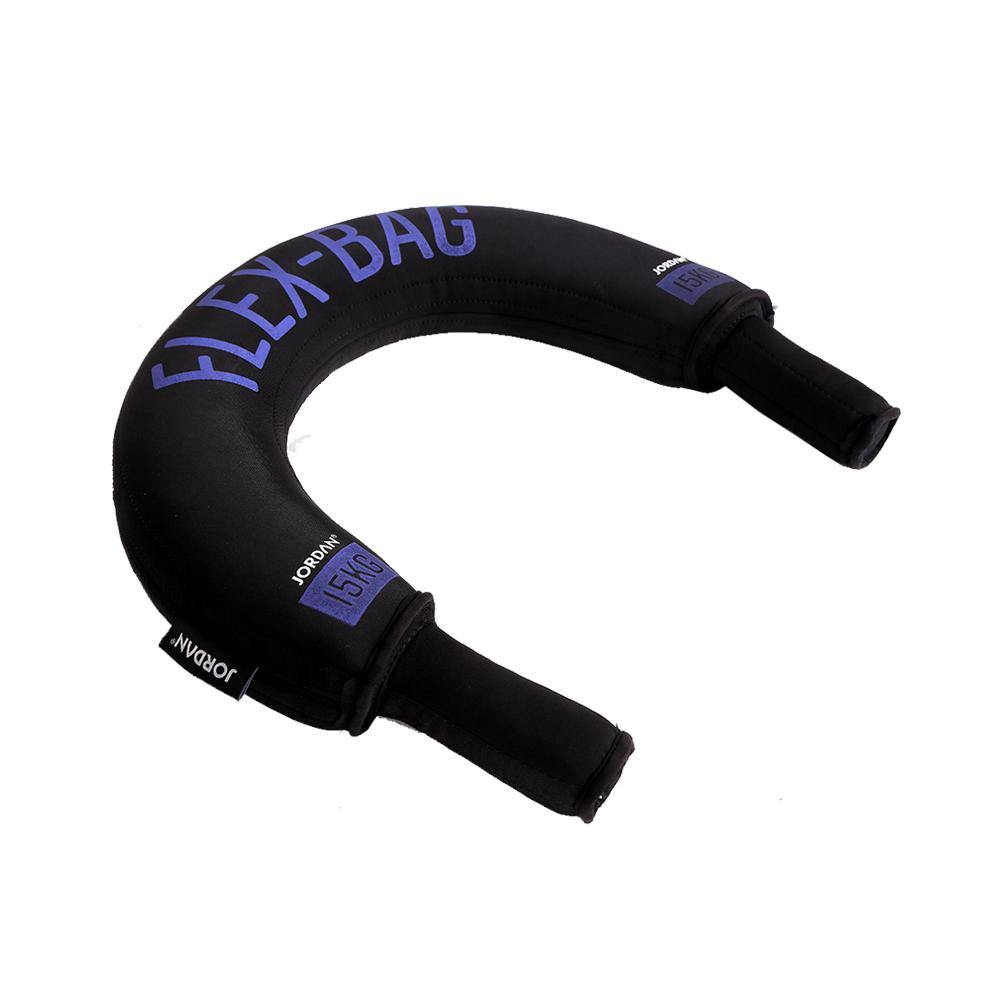
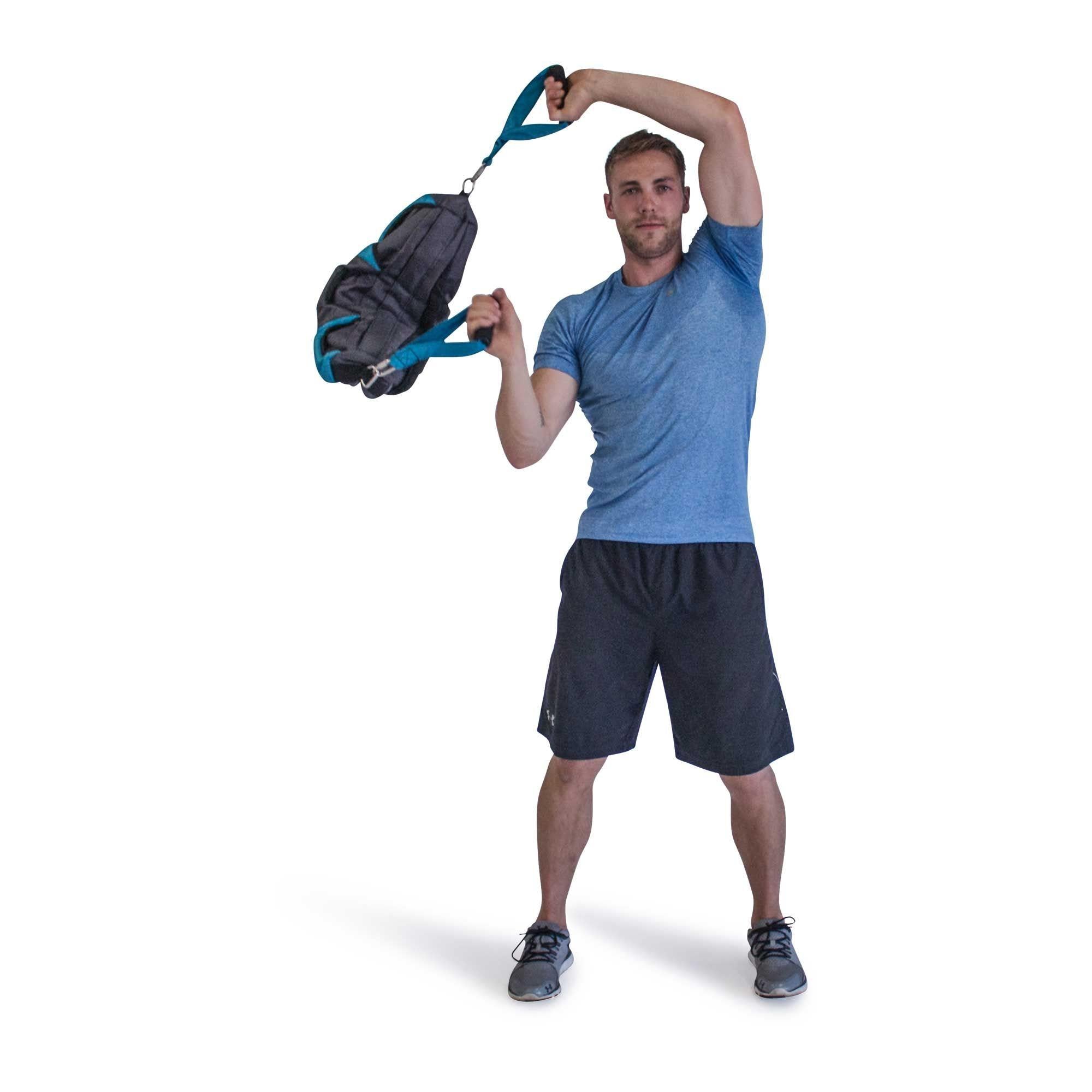
Semi-circular, crescent-shaped bags, usually made of leather or synthetic materials, with multiple handles/grips. Designed for rotational, swinging, and multi-planar movements that mimic wrestling and grappling actions. Typical weights range from 5–38 kg (11–84 lbs), with a flexible outer shell.
2. Sandbags:
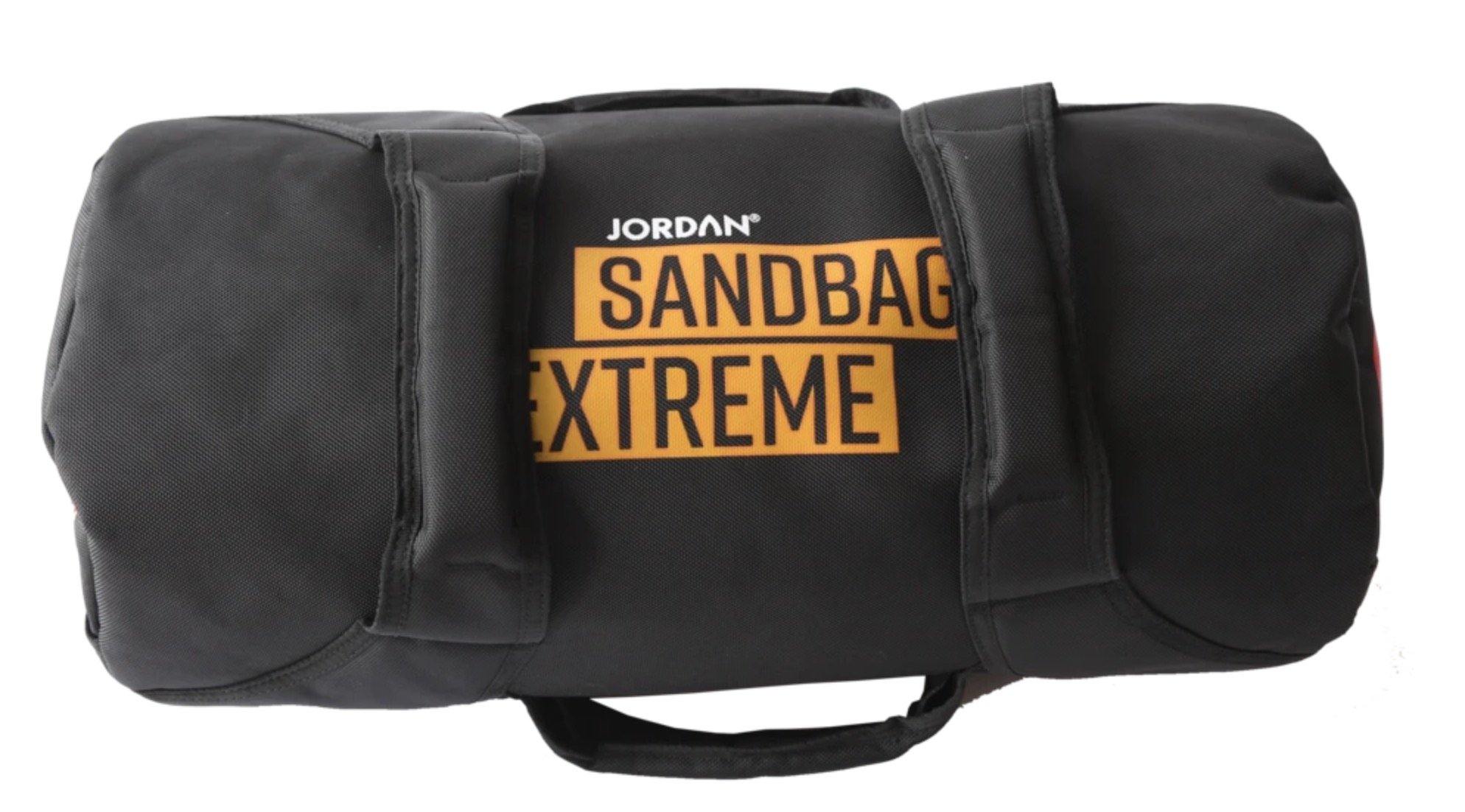
Rectangular or duffel-shaped, filled with sand or similar media. Feature multiple grip handles for cleans, presses, carries, drags, and throws. Most are constructed from military-grade Cordura or nylon, have varied compartment/filler systems, and come in adjustable weights (typically 20–200+ lbs). Some brands offer specialized "strongman" or tactical sandbags with reinforced stitching and zippers.
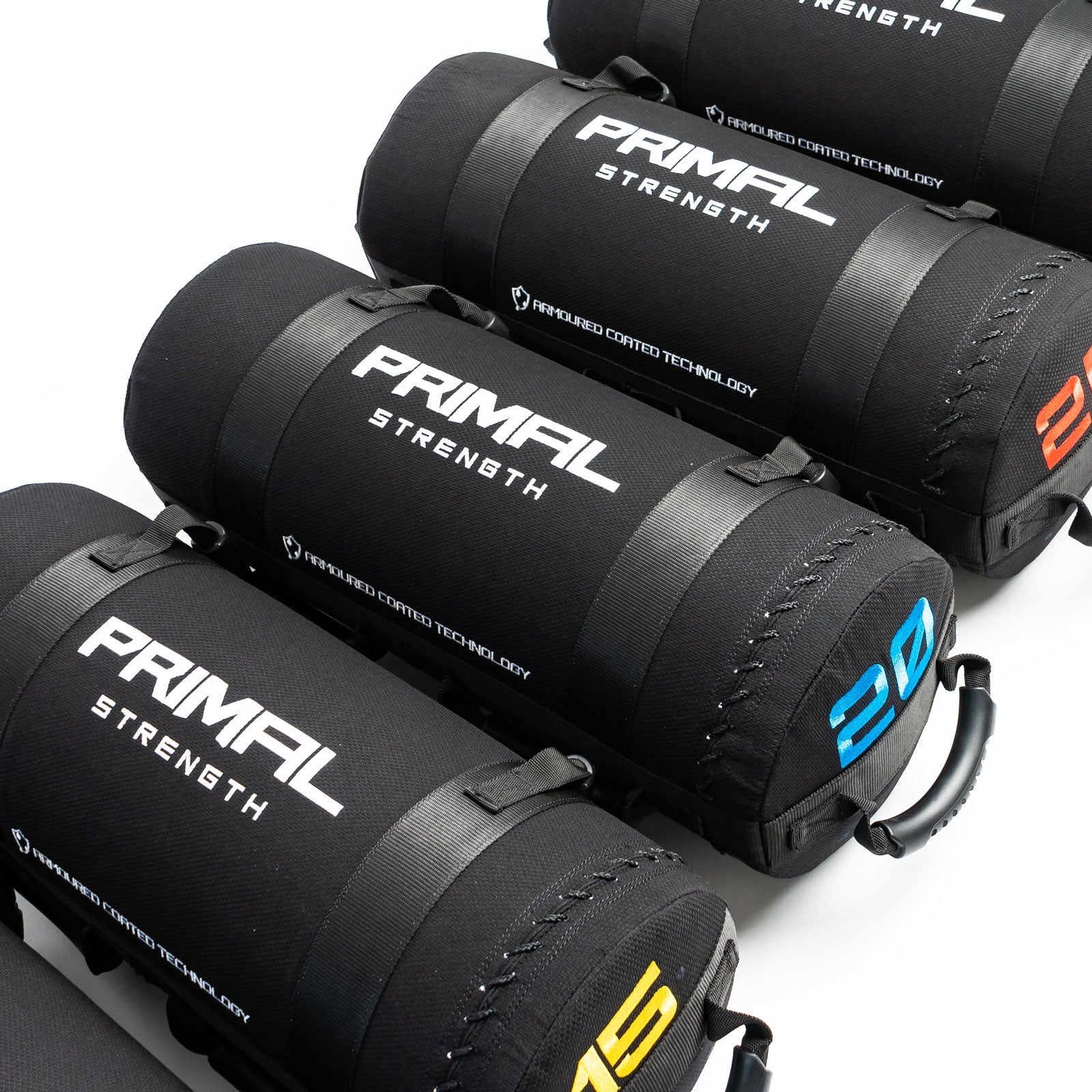
3. Core Bags (Power Bags):
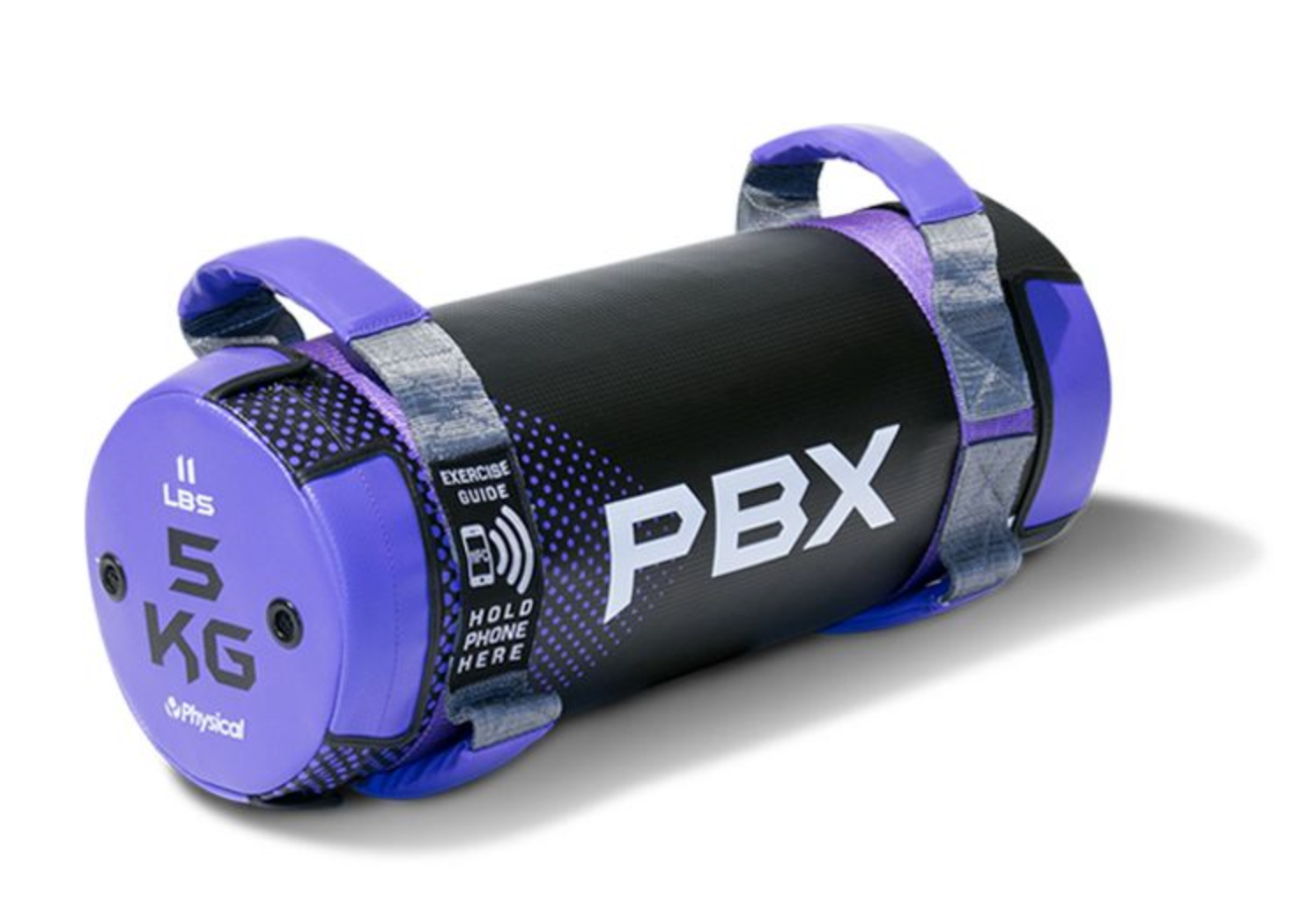
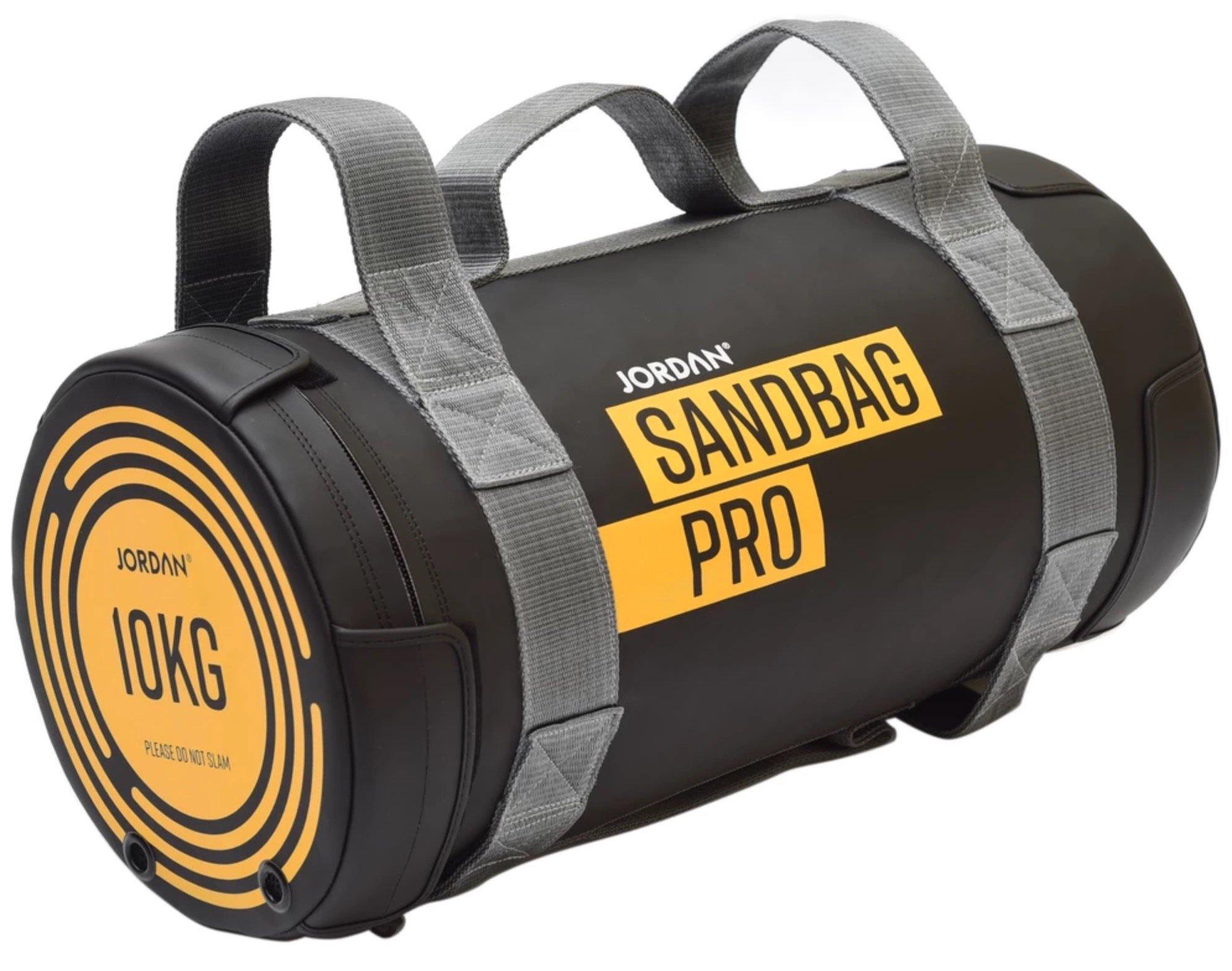
Cylindrical, soft shell bags with end and side handles. Designed for general strength, functional training, and core-focused exercises. Typically filled with sand or synthetic materials, in fixed weights (5–30 kg/11–66 lbs). Newer designs may feature even weight distribution, soft outer materials, and thermogel zones for comfort.
Strength bags are among the most practical and effective tools for real-world, athletic, and robust fitness results, especially when you prioritise construction, versatility, and load type to match your needs.
Can weighted bags be used for both strength and cardio workouts?
Yes, weighted bags support a wide spectrum: strength exercises (lifts, carries, throws) and cardio routines (farmer's walks, loaded circuits, flow sequences). Their dynamic load promotes conditioning and real-world power.
How do I choose the right weight for a sandbag or weighted bag?
General recommendations are to start with a bag weighing 40–60% of your bodyweight for all-around functional training, and consider heavier (75–100%+) for advanced strength, carries, or strongman work. It's normal to own more than one bag for different exercise types and progressions.
What materials are best for durability?
Look for double- or triple-stitched Cordura nylon shells, heavy-duty zippers, and leak-proof filler bags. Bags with multiple handles and reinforced seams hold up best under frequent throwing, dragging, and impact.
Are weighted bags safe for people with injuries?
Weighted bag training can be safe if you choose manageable loads and maintain proper technique, but always consult your doctor or rehab professional if you have a medical condition or injury.
Why does the load feel heavier and “awkward”?
The shifting sand/filler creates instability, activating more stabiliser muscles and making each lift unique. This is an advantage over fixed-weight tools like barbells or dumbbells for functional, real-world strength.
How often can I use weighted bags?
This depends on your fitness goals and current capacity. Many routines use bags 2–4 times per week for metabolic conditioning, strength, or athletic circuits; always listen to your body and adjust as needed.
What exercises can I do with weighted bags?
Common moves: cleans, presses, carries, squats, bear-hugs, overhead throws, rotational swings, and loaded flow sequences. Multi-handle bags expand versatility