Nationwide Sales & Service - 01536 802333

Our Range
We have an excellent range of weightlifting platforms to go with your rack or separate to use as a Deadlift Platform for home or commercial gyms so to ensure you have the right equipment for your strength training and environment.
From leading brands such as Watson, Primal Strength, Exigo, Jordan, Hammer Strength & more, either in stock or supply to project. Read our "Why use a Lifting Platform" Feature to understand if it works for you.
Weightlifting platforms are specially designed surfaces used in gyms and home training areas to provide a stable, safe, and durable lifting environment for heavy weightlifting activities like Olympic lifting, powerlifting, and general strength training.
1. Are weightlifting platforms necessary?
They are highly recommended for safety, performance, and protecting your flooring. Platforms provide a flat, non-slip surface helping maintain proper lifting form. They also absorb shock from dropped weights, protecting equipment and reducing noise in the gym.
2. What materials are commonly used?
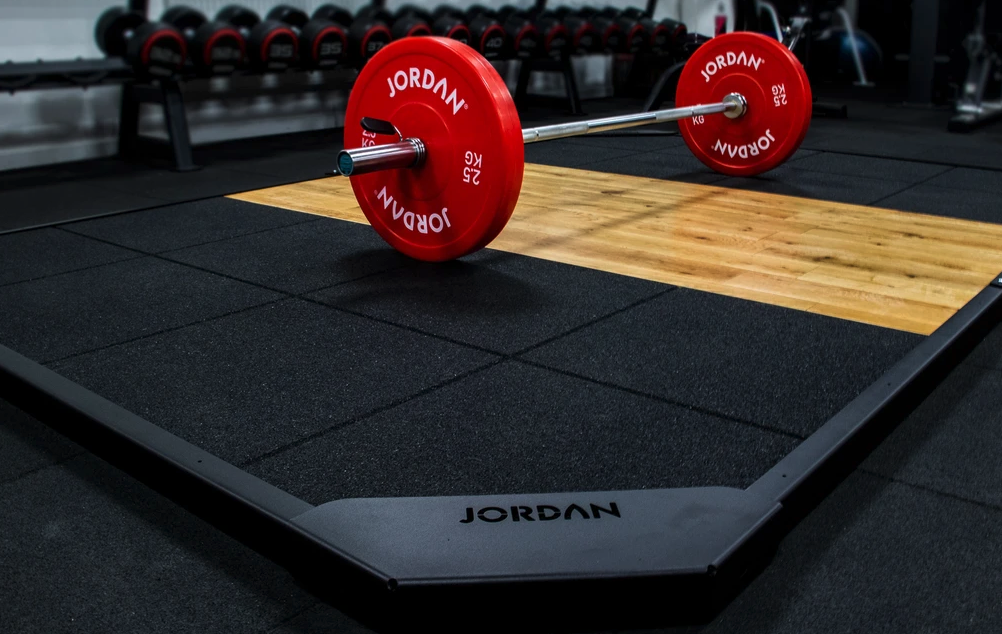
Standard platforms use a multi-layer construction with a hardwood center (like plywood or maple) and dense rubber edges for shock absorption and traction. Some platforms may be entirely rubber or wood, depending on the design.
3. What sizes do weightlifting platforms come in?
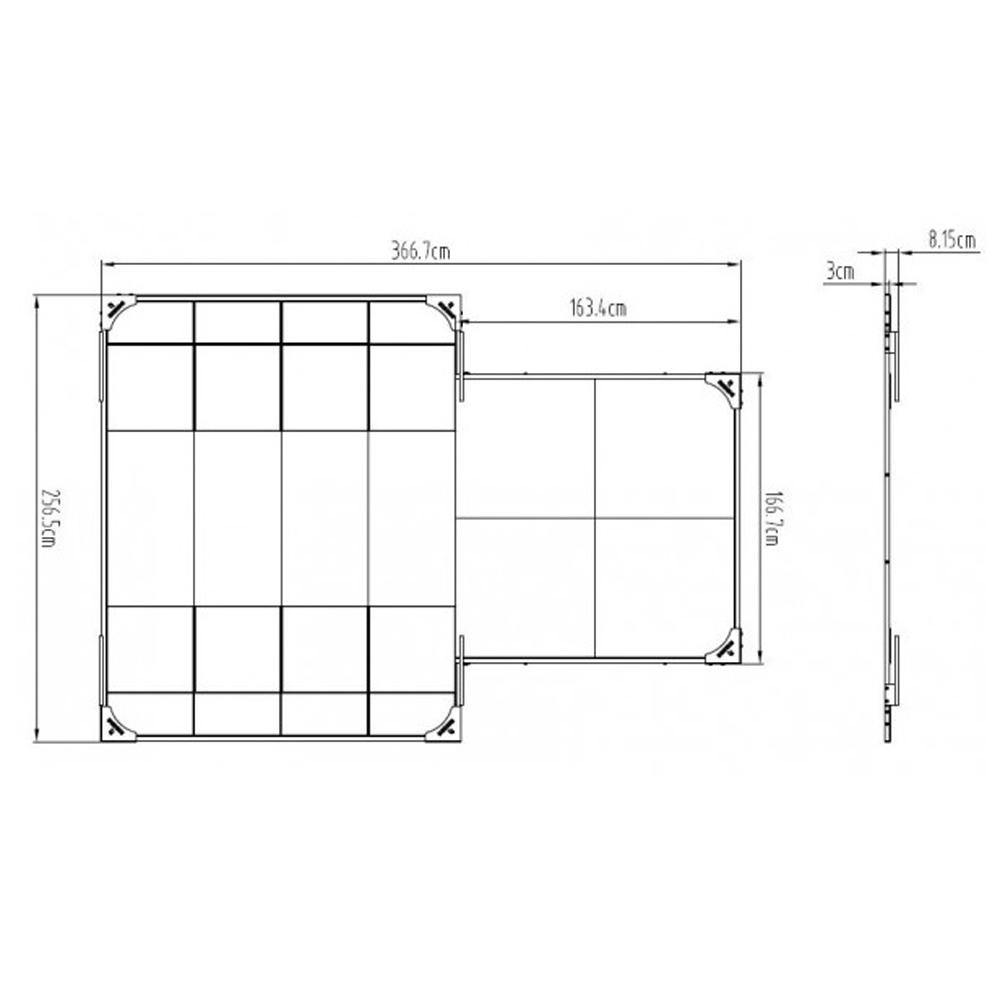
Typical dimensions range between 6x6 feet to 8x8 feet with thicknesses of 1 to 2.25 inches. The choice depends on the type of lifts you do and your available space.
4. How do I maintain a platform?
Platforms require minimal maintenance but should be kept clean and dry. Sealed or treated wood surfaces resist moisture, and periodic checks for levelness can prevent instability and uneven wear.
5. Can the platform affect my lifting?
A stable and level platform improves performance by providing steady footing, helping ensure proper mechanics during lifts like the clean and jerk or snatch. An uneven or unstable surface can increase injury risk.
6. What about noise?
Weightlifting platforms dampen the noise from dropped weights considerably, reducing stress on neighbors or others in the gym.
7. Is it necessary in a home gym?
If you lift heavy and drop weights regularly, a platform protects your flooring, equipment, and neighbors. For lighter workouts, rubber mats may suffice, but platforms are a professional-grade investment.
Weight lifting platforms are essential for lifters serious about safety, performance, and protecting their floors and equipment. The optimal platform balances size, materials, and features to fit your training style and space while providing impact absorption, traction, durability, and noise reduction.
Investing in a high-quality weightlifting platform enhances workout confidence and longevity of your gym environment. Whether for commercial or home use, it elevates your training experience markedly.