Nationwide Sales & Service - 01536 802333

Our Range
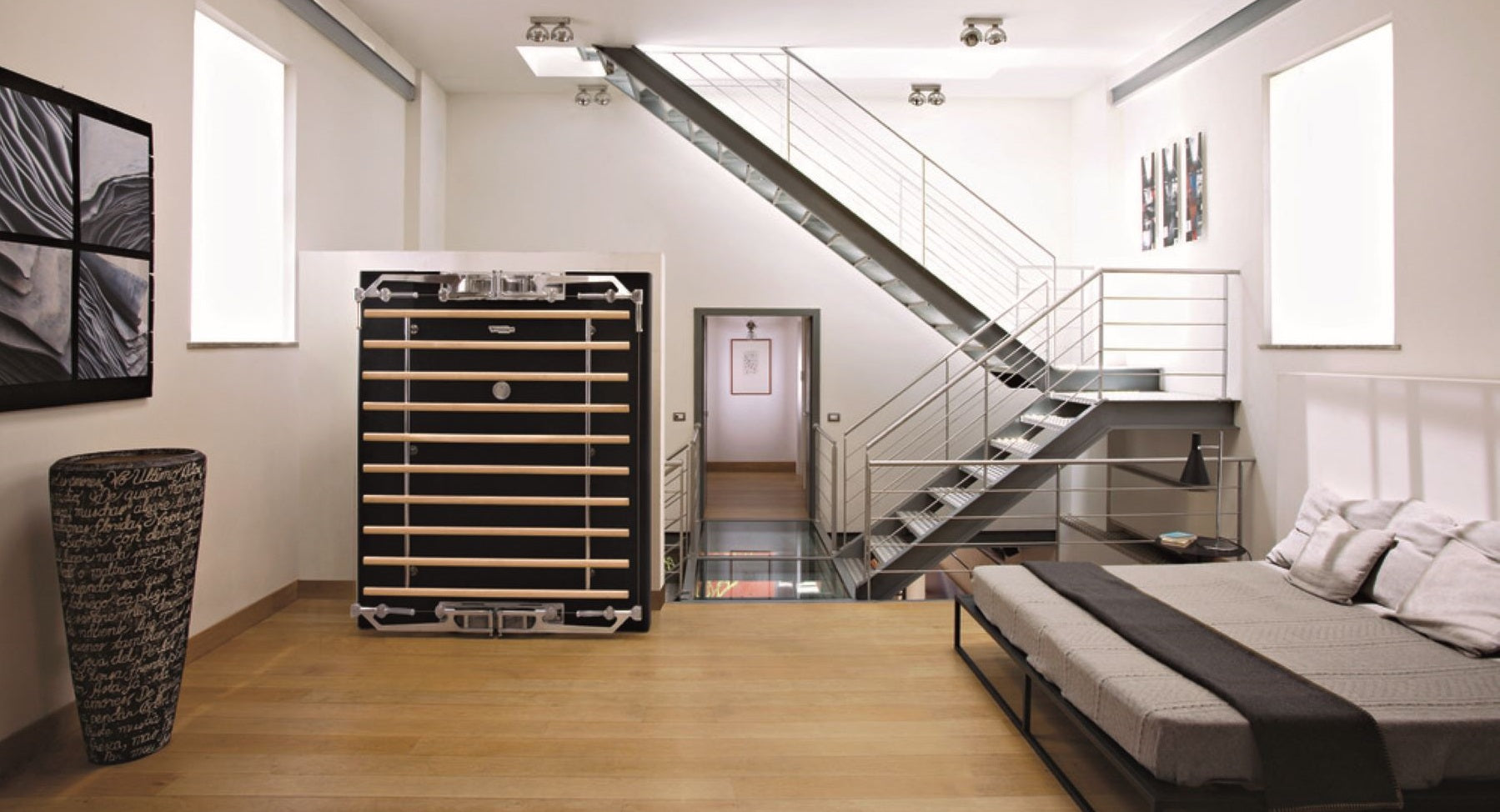
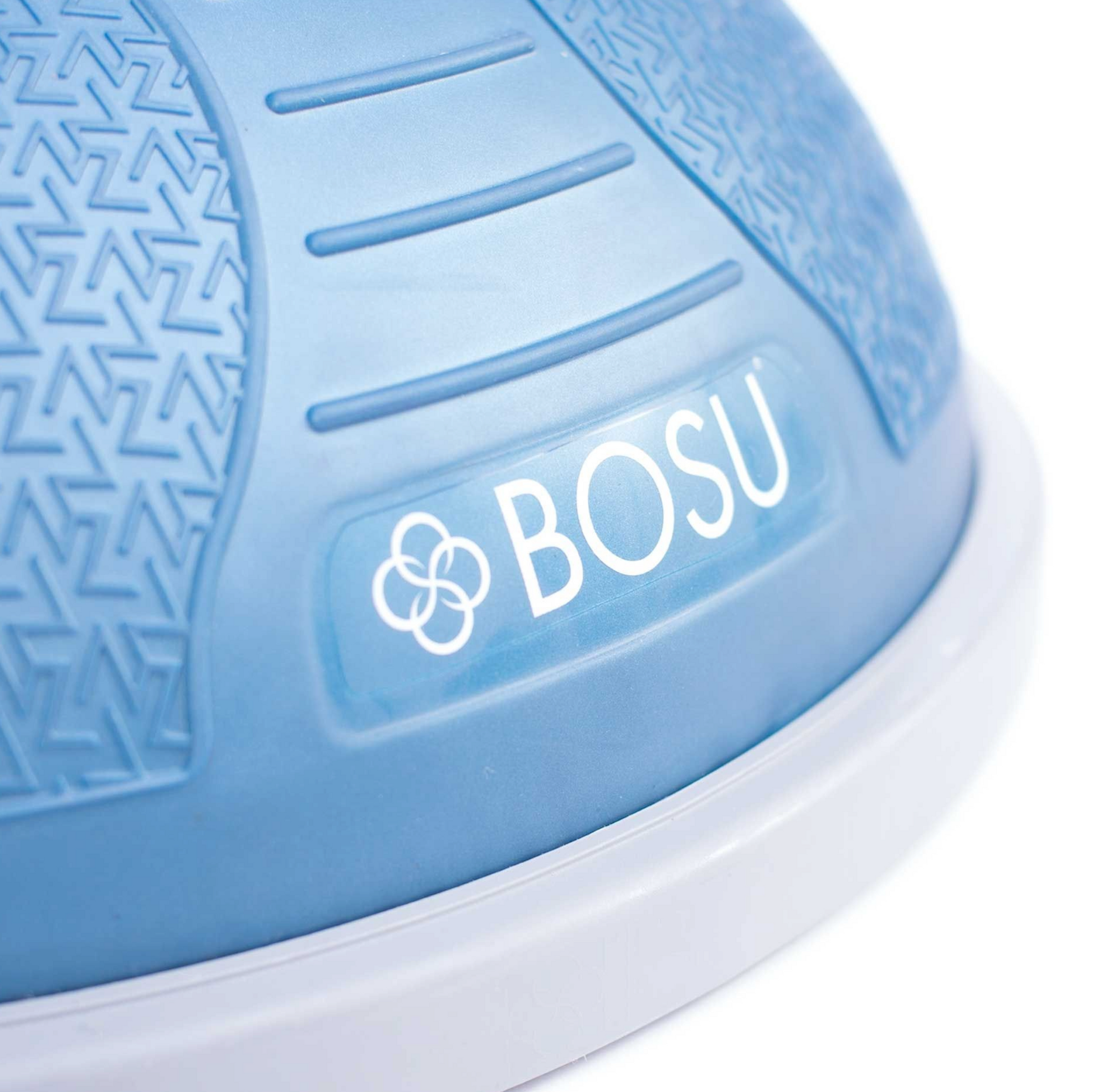
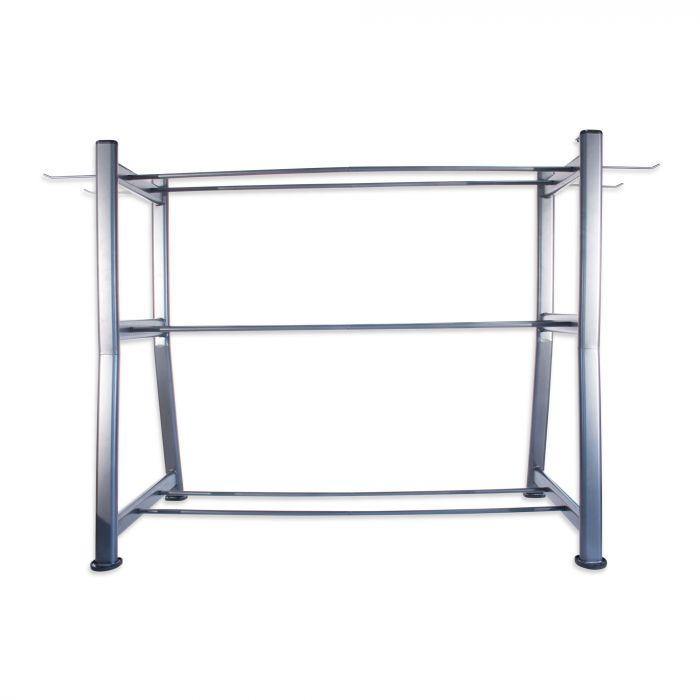
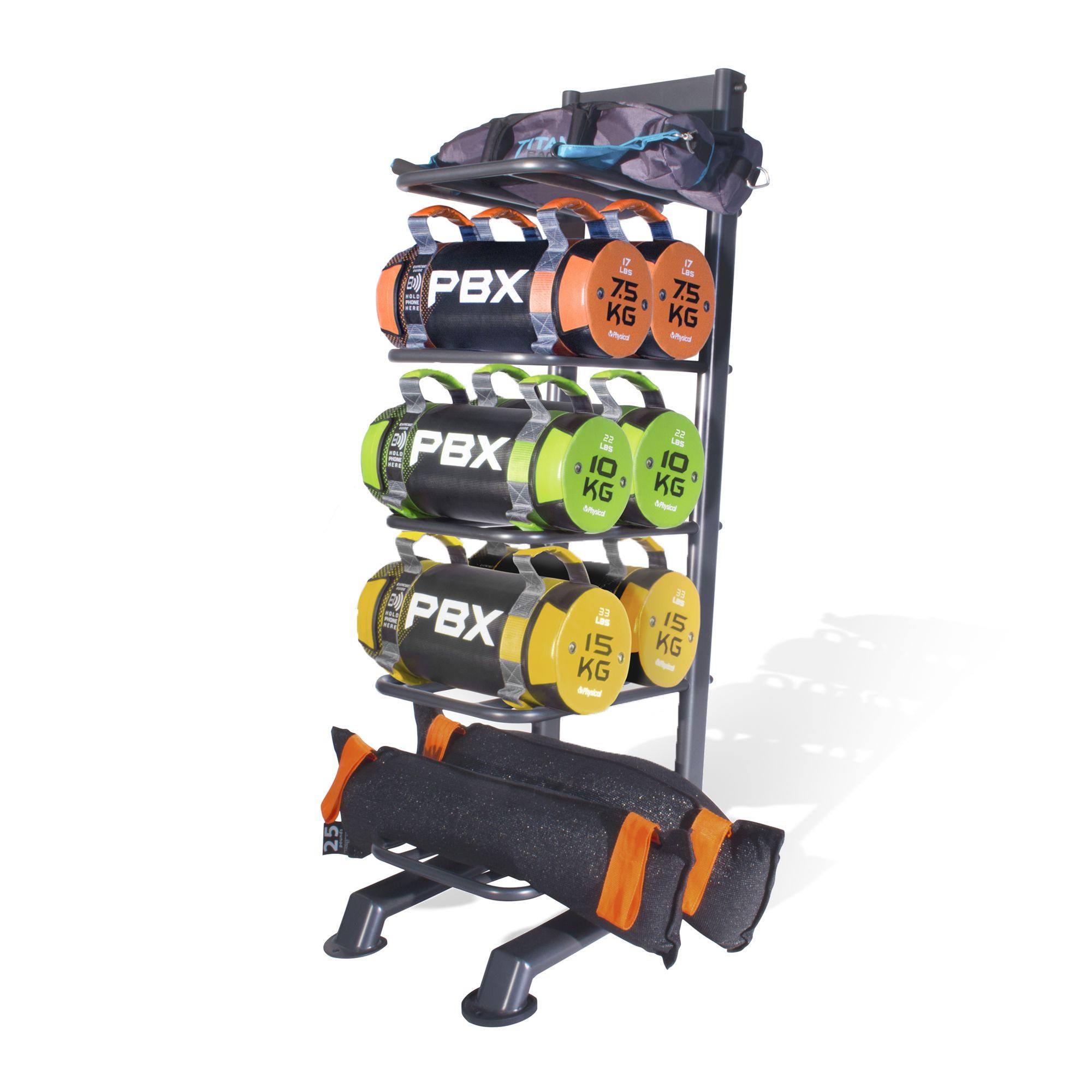
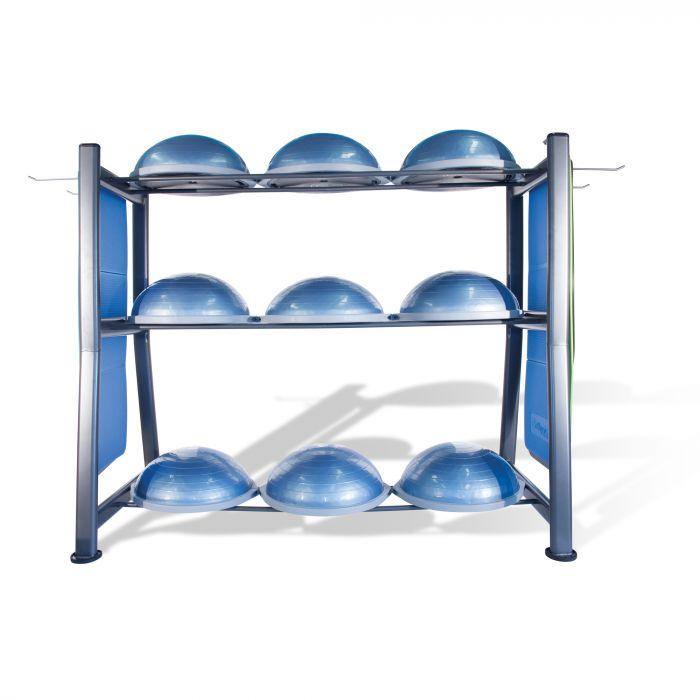
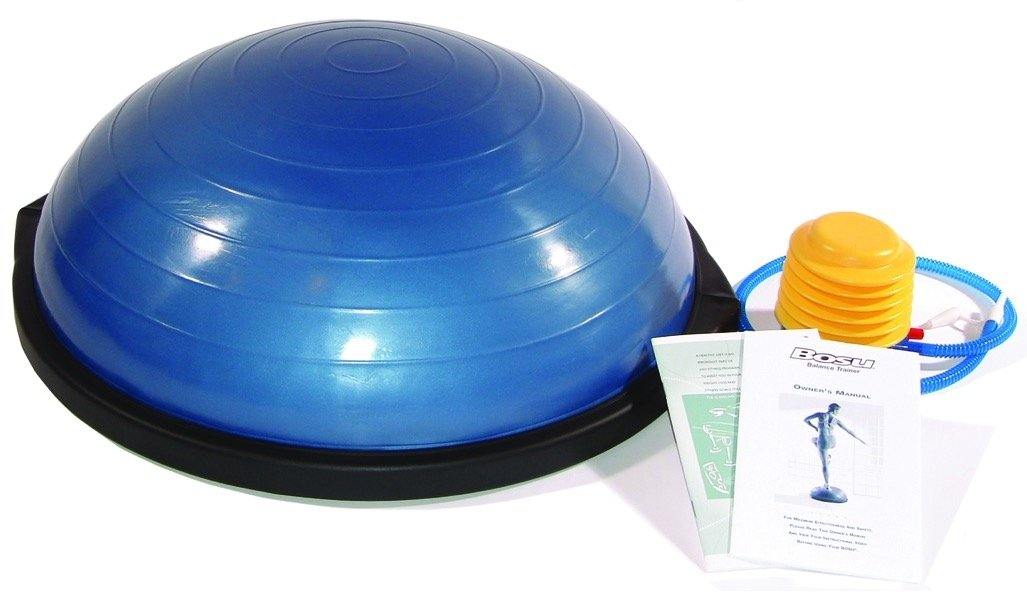
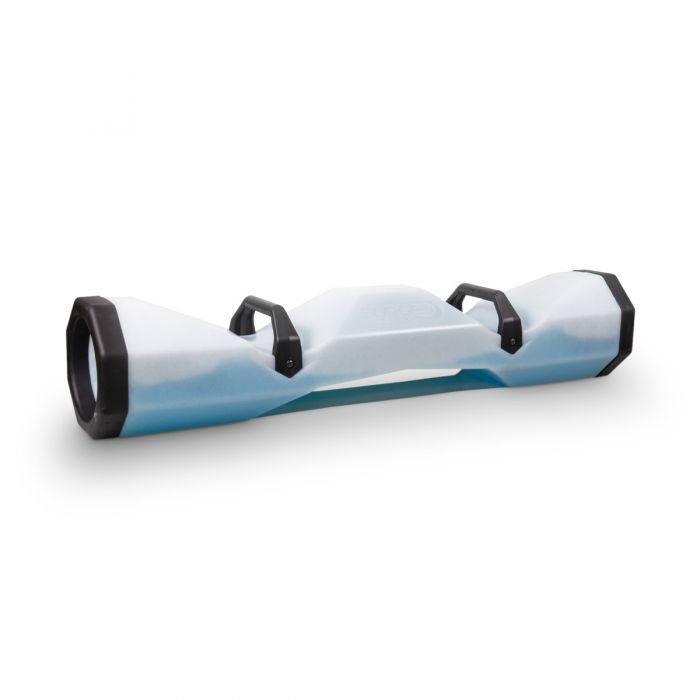
Various products from the Bosu equipment range, Home or Commercial quality to suit your needs and also Bosu Racks for commercial facilities, either in stock or supply to project. A BOSU is a popular fitness training device designed to enhance balance, stability, and functional strength. The term "BOSU" stands for "Both Sides Up" (or "Both Sides Utilized"), which reflects its versatility: it can be used with either the dome or the flat platform facing up during exercises.
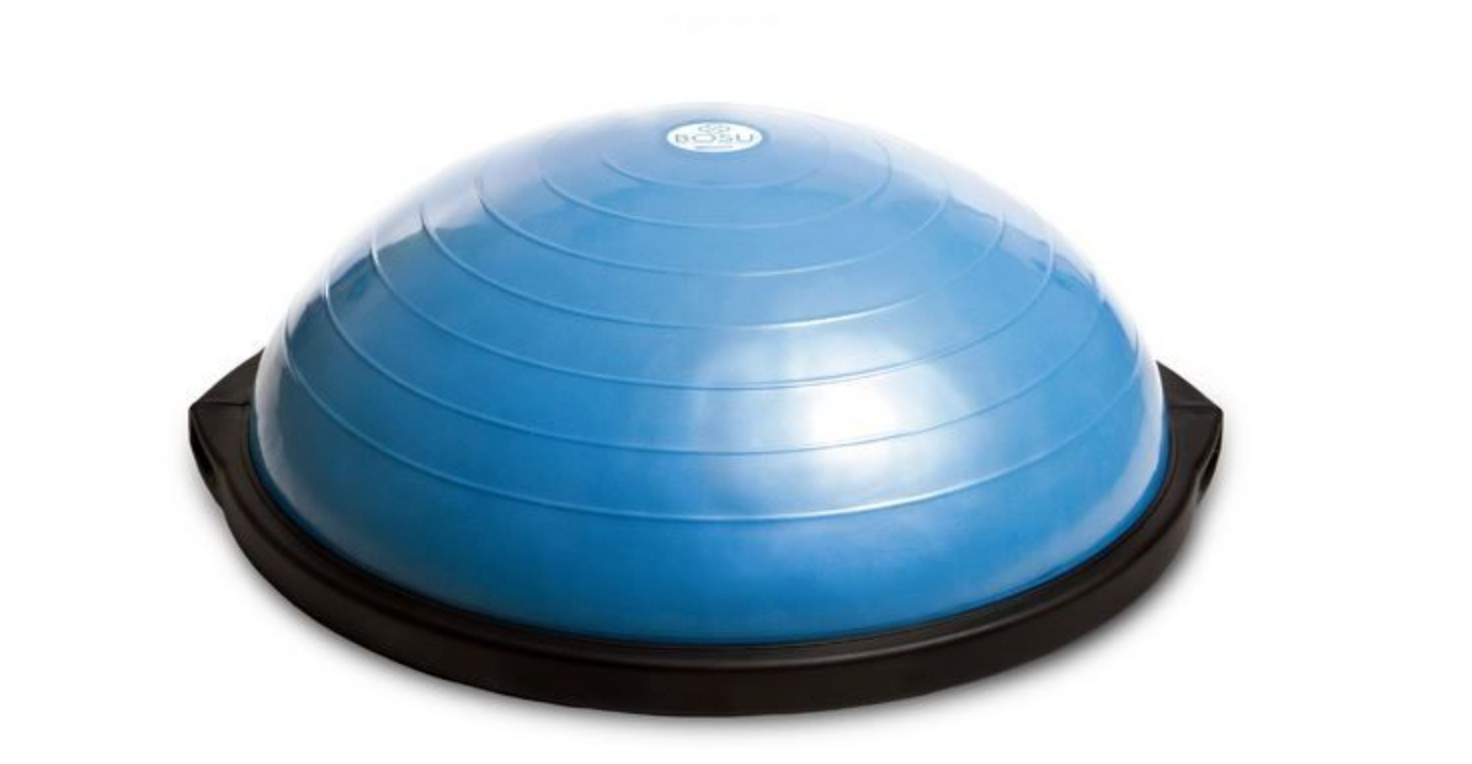
The structure and design of a BOSU consists of an inflated rubber dome attached to a rigid, flat platform. The device looks like a standard exercise ball cut in half, with the dome side providing a dynamic, unstable surface and the flat platform creating a solid base.
BOSU (Both Sides Up) trainers offer unique advantages for fitness enthusiasts of all levels:
Home vs Commercial Models
Home Models: Perfect for personal use, lighter construction, more affordable pricing. Ideal if you're training 3-5 times per week.
Commercial Models: Heavy-duty construction for gyms and studios, higher weight capacity, extended warranty. Essential for facilities with multiple daily users.
What's the difference between BOSU home and commercial versions?
Commercial BOSU trainers feature heavier-duty construction, thicker materials, higher weight capacities, and longer warranties designed for intensive daily use in gyms. Home versions are lighter, more affordable, and perfect for personal training 3-5 times per week.
Which side of the BOSU should I use?
Both sides offer different benefits! Dome-side up is ideal for beginners and balance training. Platform-side up (inverted) provides advanced instability challenges and is excellent for push-ups, planks, and upper body exercises.
How do I inflate my BOSU trainer properly?
Use the included pump to inflate until the dome is firm but still has some give when pressed. Over-inflation can damage the unit, while under-inflation reduces effectiveness. The dome should be approximately 8-10 inches high when properly inflated.
Can BOSU training help with injury rehabilitation?
Yes, BOSU trainers are excellent for rehabilitation, particularly for ankle, knee, and hip injuries. The unstable surface helps rebuild proprioception and strengthen stabilizer muscles. Always consult with a physiotherapist before starting rehabilitation exercises.
What weight capacity do BOSU trainers have?
Home models typically support up to 300 lbs (136 kg), while commercial versions can handle 350+ lbs (159+ kg). Always check the specific model's weight rating before use.
Can I use a BOSU trainer for cardio workouts?
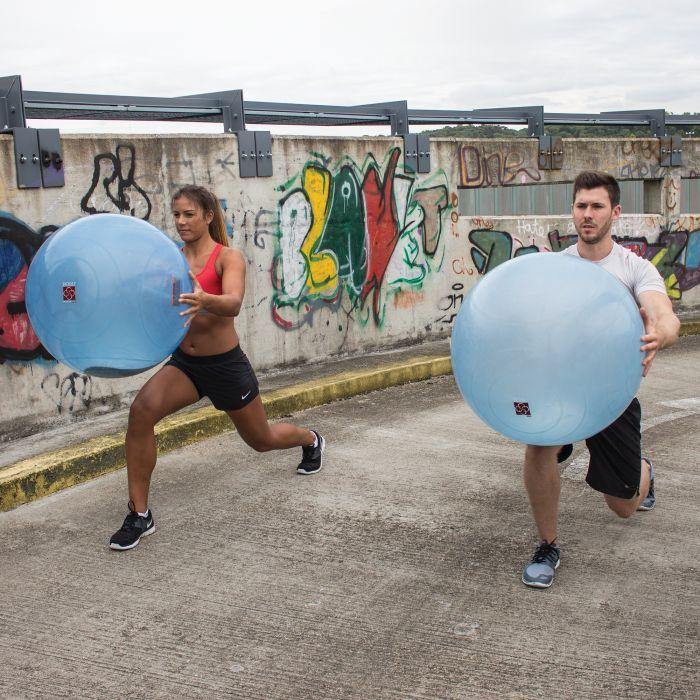
Yes! BOSU trainers are excellent for cardio exercises including burpees, mountain climbers, jumping jacks, and high knees. The unstable surface increases intensity and calorie burn while improving cardiovascular fitness.