Nationwide Sales & Service - 01536 802333

Our Range
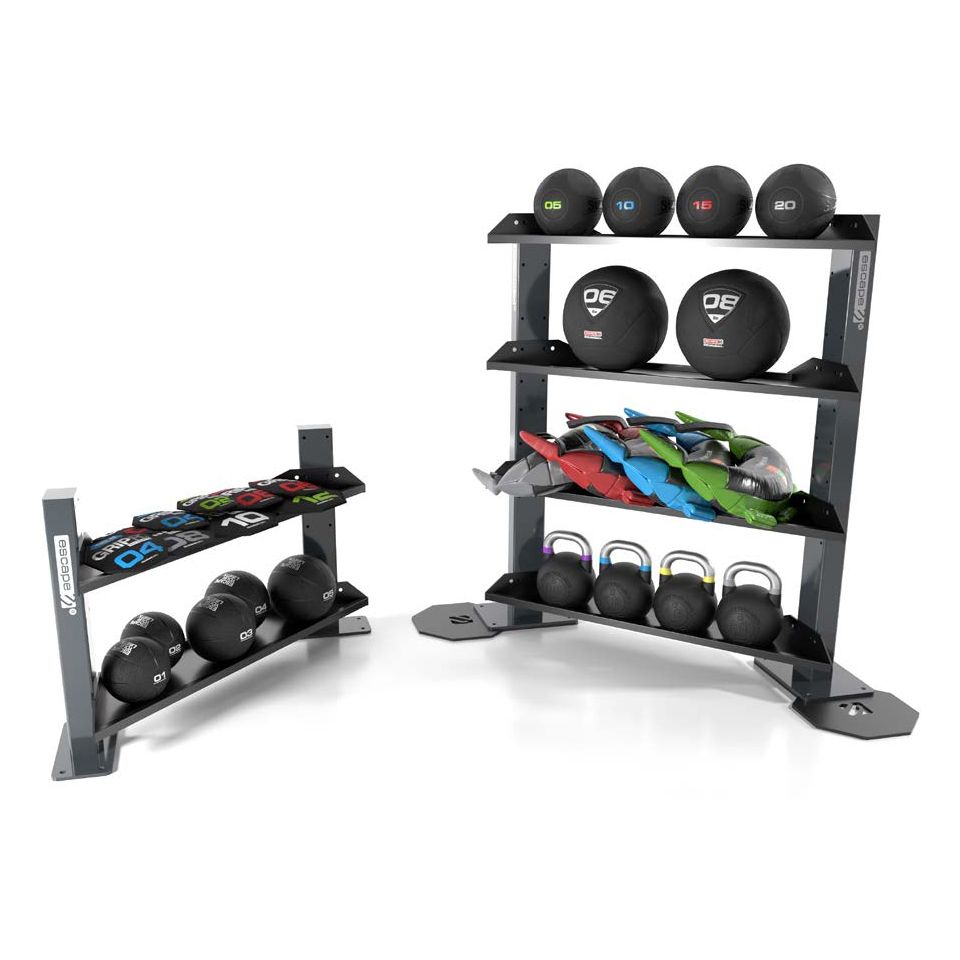
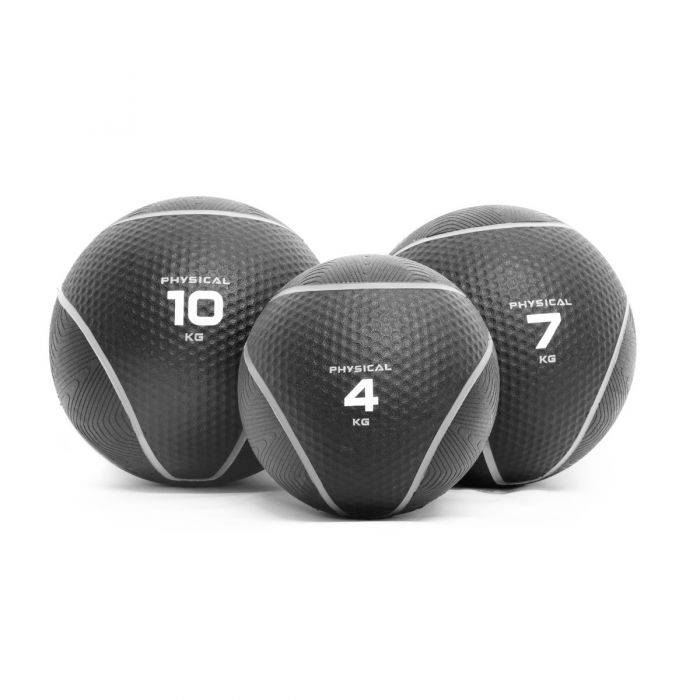
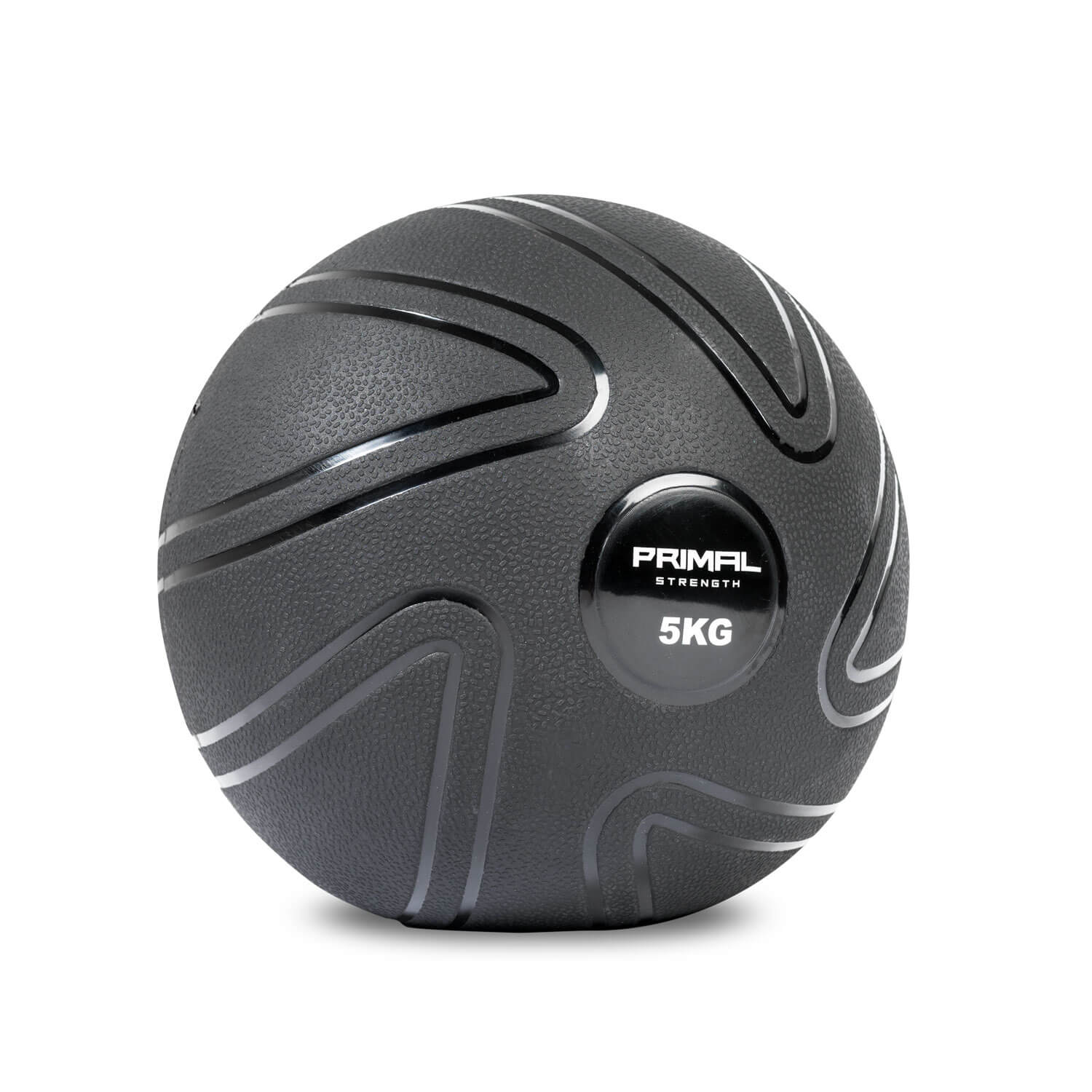
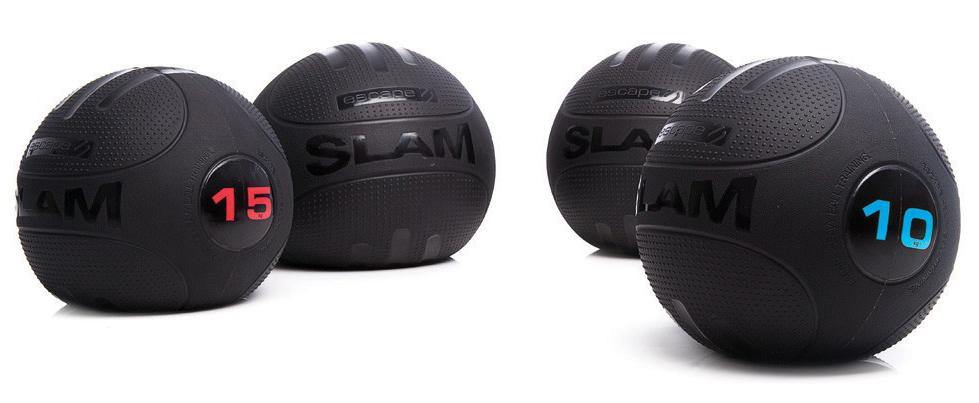
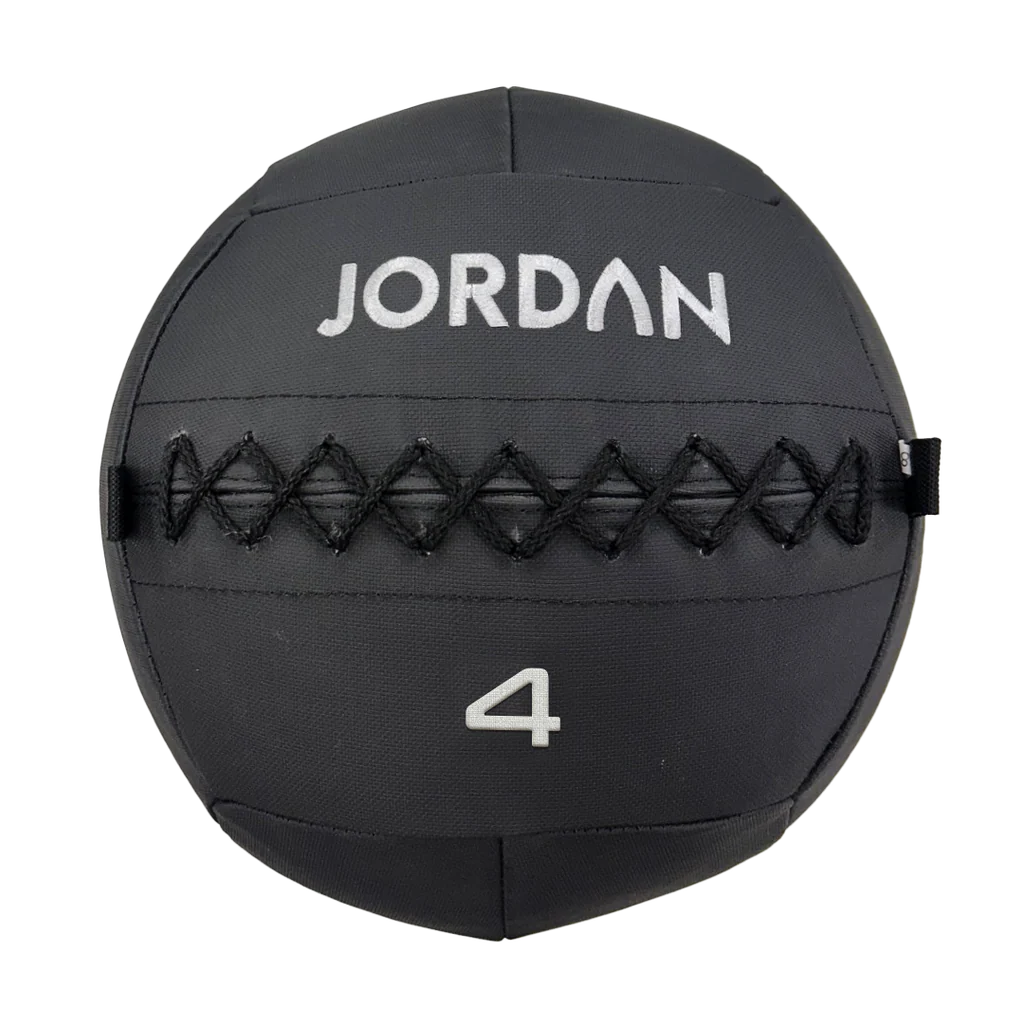
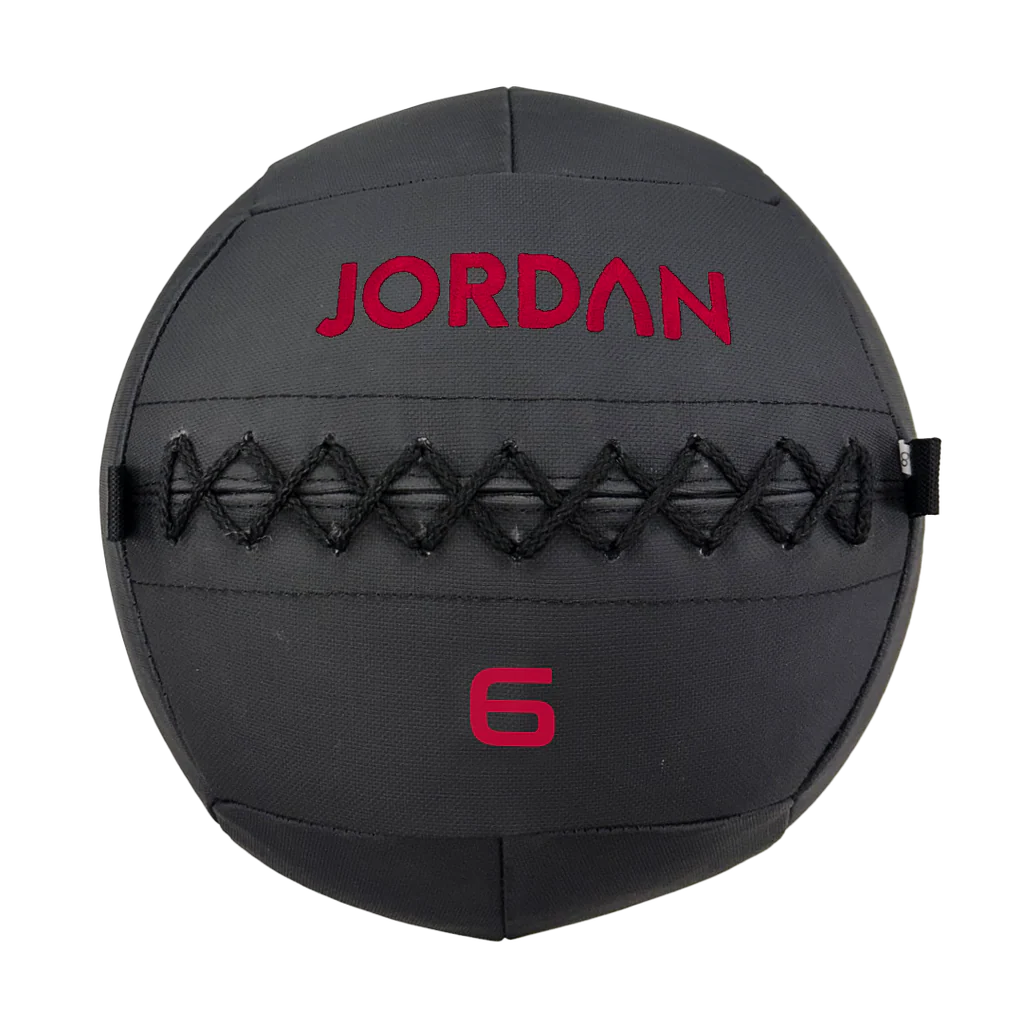
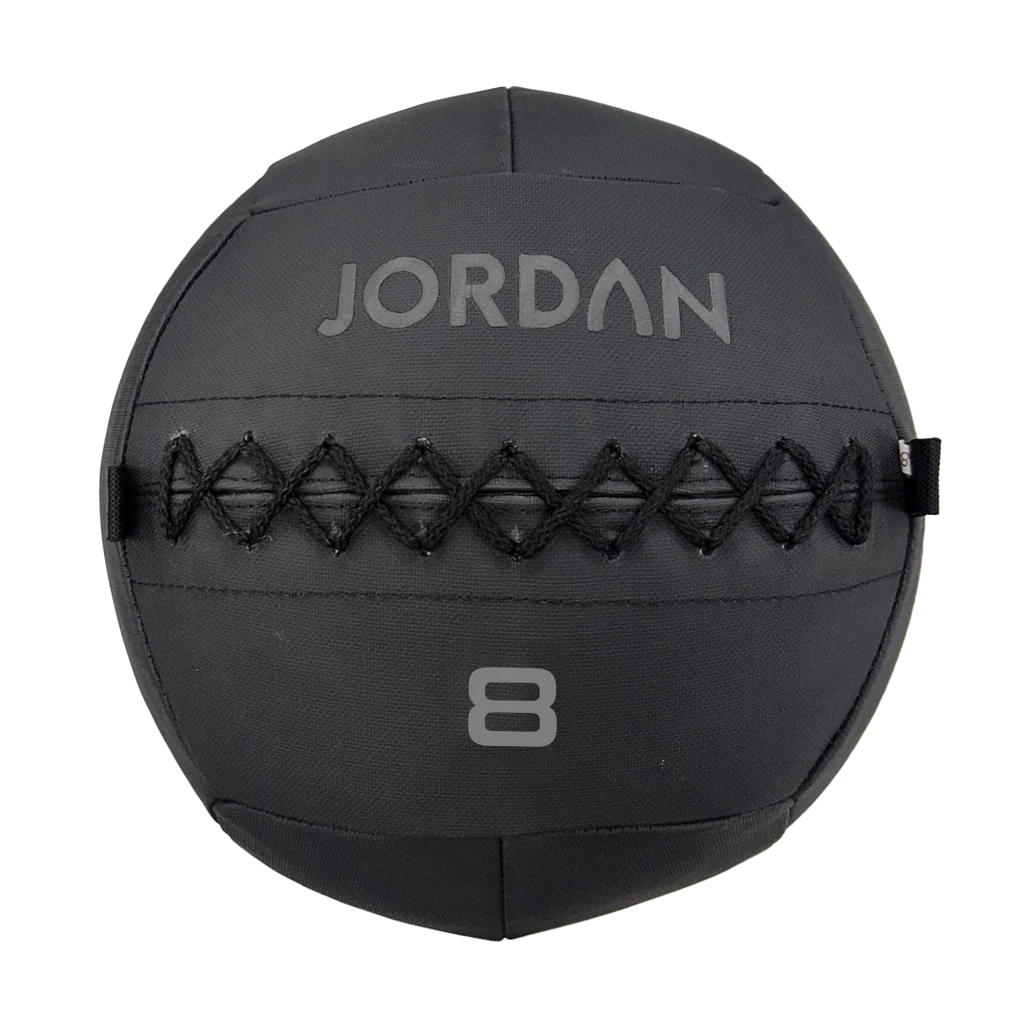
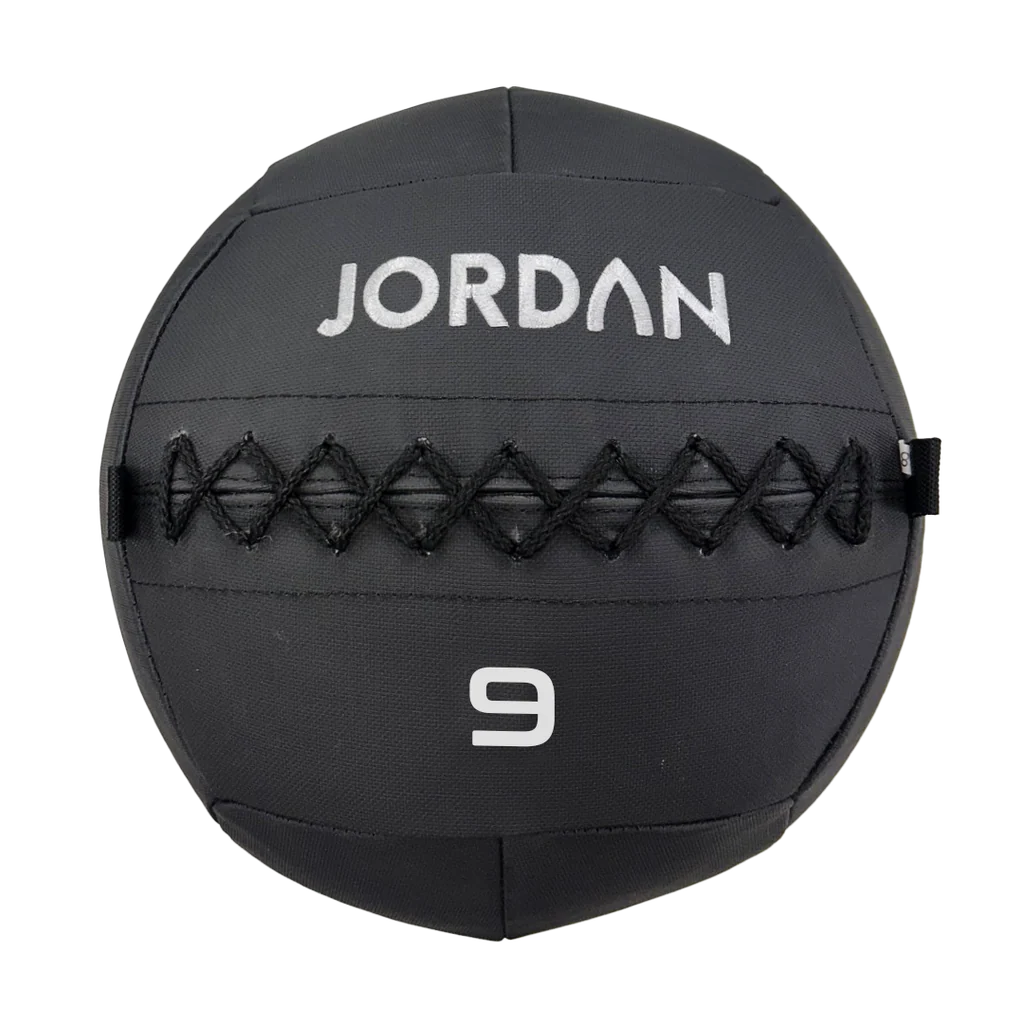
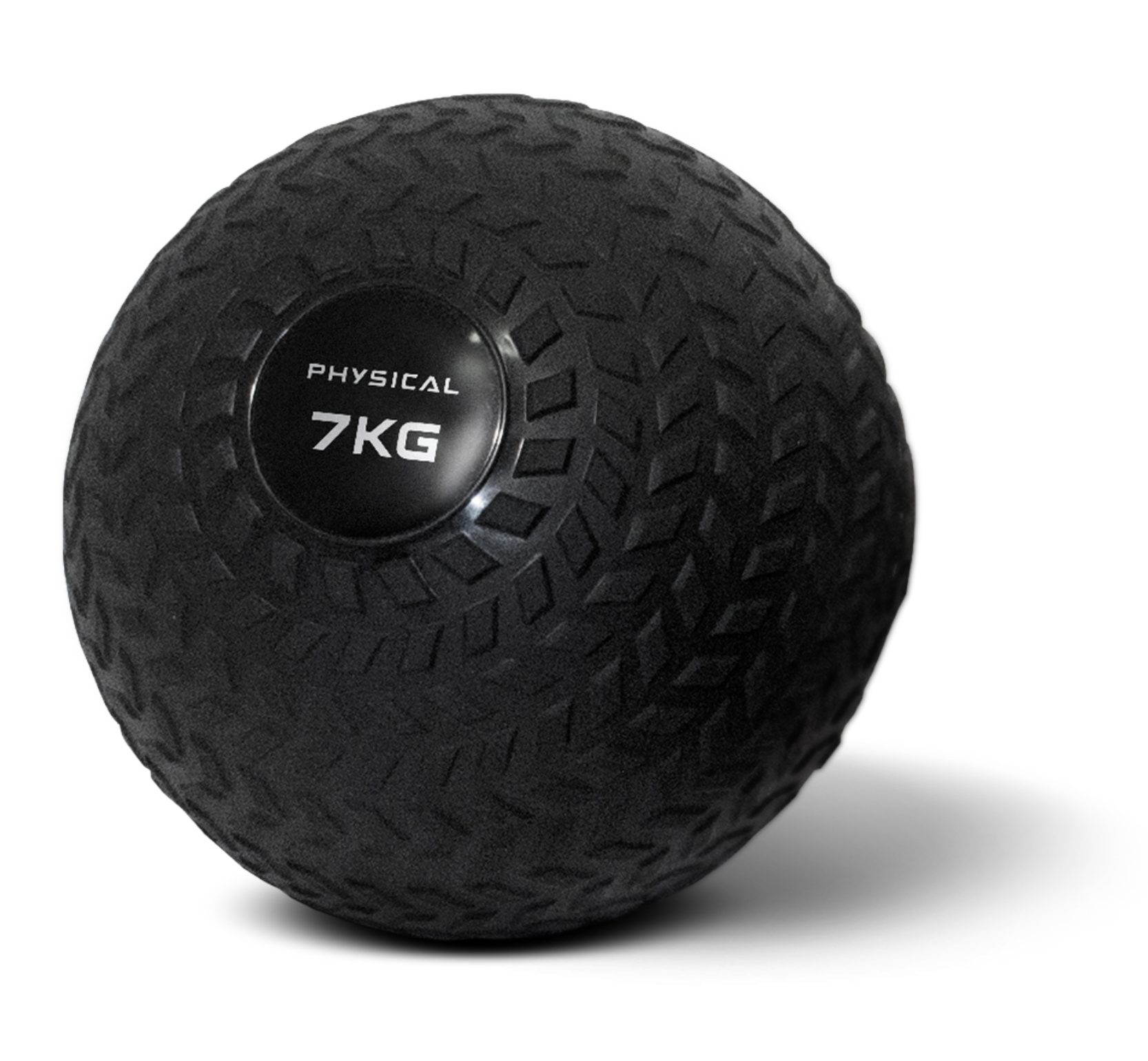
In need of a Slamball? our Slam Balls are a great exercise for strength & power workouts, or maybe your considering a Wallball for variety, both Wallballs & Slamballs feature in a lot of CrossFit workouts, so we focus on durability and weight variants to give you all the best options.
Generally in stock from the leading strength brands such as Jordan, Primal, Ziva, Escape, & Physical, a popular choice for home gyms, CrossFit Garage Gym or Studios and a broad selection of commercial gyms.


Slam balls and wall balls are versatile, weighted training tools used across strength, conditioning, and functional exercise programs. While their names are often used interchangeably, each has specific features, benefits, and recommended uses. Here’s a full guide, with clear buying tips and frequently asked questions to help you choose the right ball for your goals.
Wall ball and slam ball exercises are exceptional tools for developing functional strength, power, and overall athleticism because they demand explosive movements, dynamic coordination, and full-body engagement.
Performing wall ball exercises—such as wall ball squats, overhead wall ball throws, and side throws—engages your legs, core, shoulders, and grip by combining foundational squats with vertical or lateral throws, which enhances strength, endurance, and cardiovascular capacity, especially for high-repetition workouts commonly seen in CrossFit or circuit training.
Slam ball exercises—including overhead slams, rotational slams, jumping slams, and floor chest throws—focus on pure power and stress release, activating shoulders, core, triceps, glutes, and legs as you forcefully drive the ball into the ground with controlled energy, improving explosive strength, grip, and total-body coordination. These exercises can be done solo or in group classes, add variety to training routines, and suit all experience levels since you can adjust the ball weight for scalability and progression; they burn calories efficiently, boost athletic performance, and help prevent age-related muscle loss by recruiting stabiliser muscles and enhancing metabolic function.
Choosing exercises with slam balls and wall balls means you incorporate high-impact, multi-planar movements essential for better posture, increased task-specific power, and sports performance, making them both effective and versatile additions for any functional fitness or strength program
Internal Filling: Some slam balls use sand for dead bounce; confirm no leaks or uneven fill.
Can I use a slam ball for wall ball exercises?
Not recommended. Slam balls don’t rebound as well off walls, making wall ball shots inefficient and uncomfortable. Use each ball for its intended exercise.
Why doesn’t my slam ball bounce?
Slam balls are designed for minimal bounce for safety and control during slams.
What weight should I get?
Beginners: Slam ball 5–10 kg; wall ball 4–6 kg. Advanced users can choose 10–15 kg for slam balls and 8–14 kg for wall balls.
Which is better for functional fitness?
Both, but wall balls excel at multi-joint, high-repetition work (e.g., CrossFit WODs), while slam balls are superior for explosive power, core, and unloading stress.
How do I keep my ball in good condition?
Use slam balls on smooth surfaces, wipe both ball types after use, and avoid slamming wall balls to ground.
Can I use either for ab work?
Yes. Both offer great core exercises—wall balls for sit-ups and rotational throws; slam balls for slams, Russian twists, and weighted sit-ups.