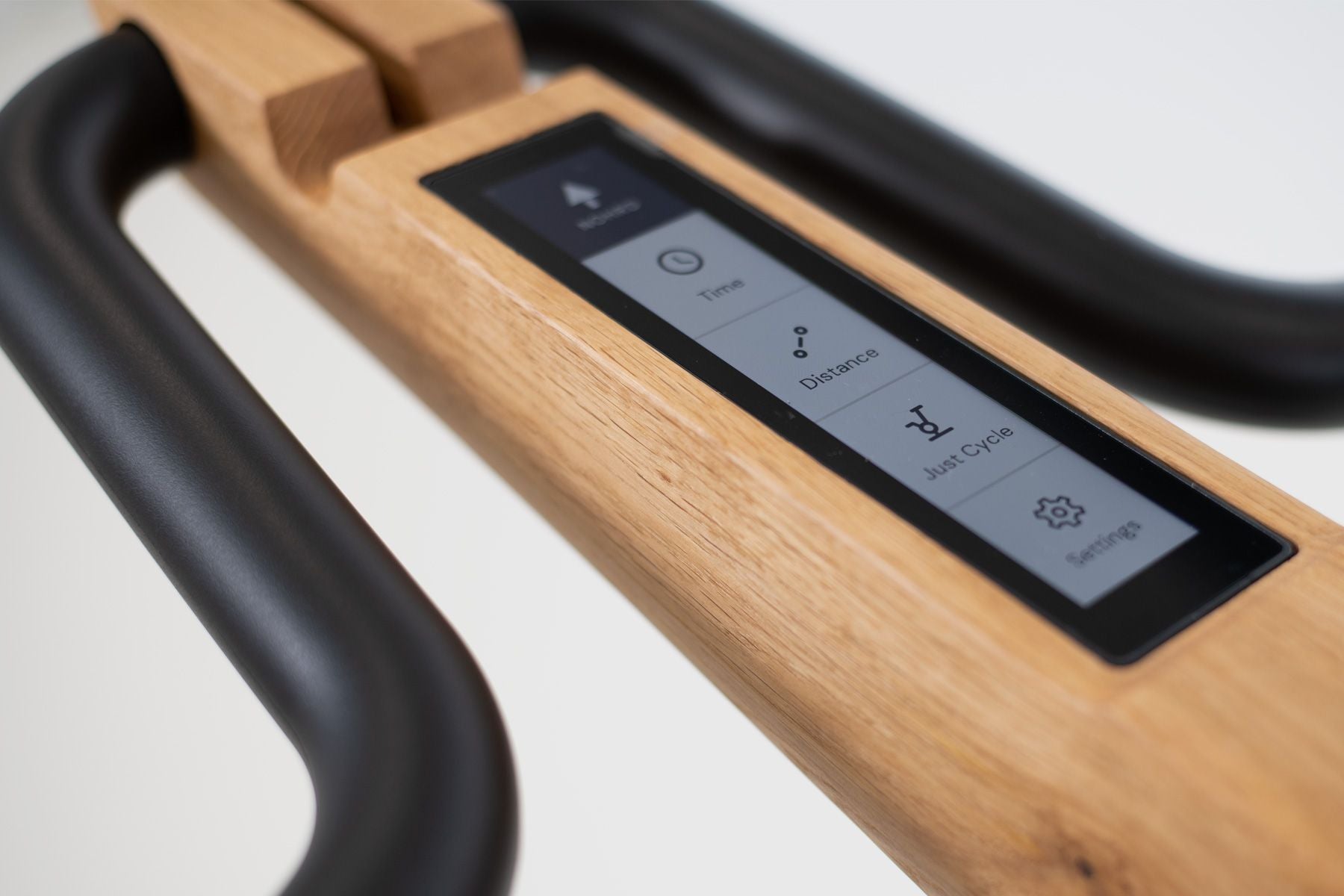
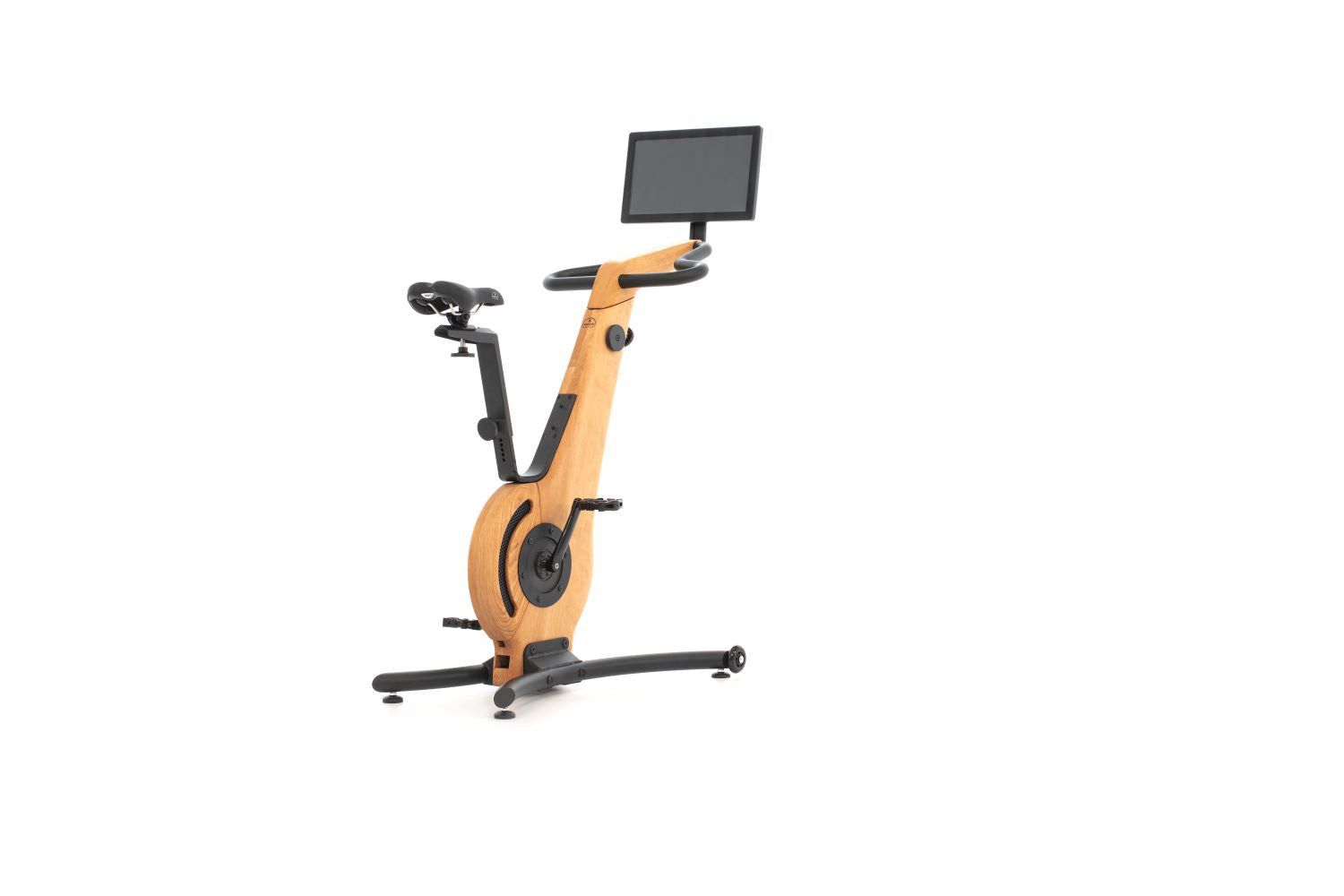
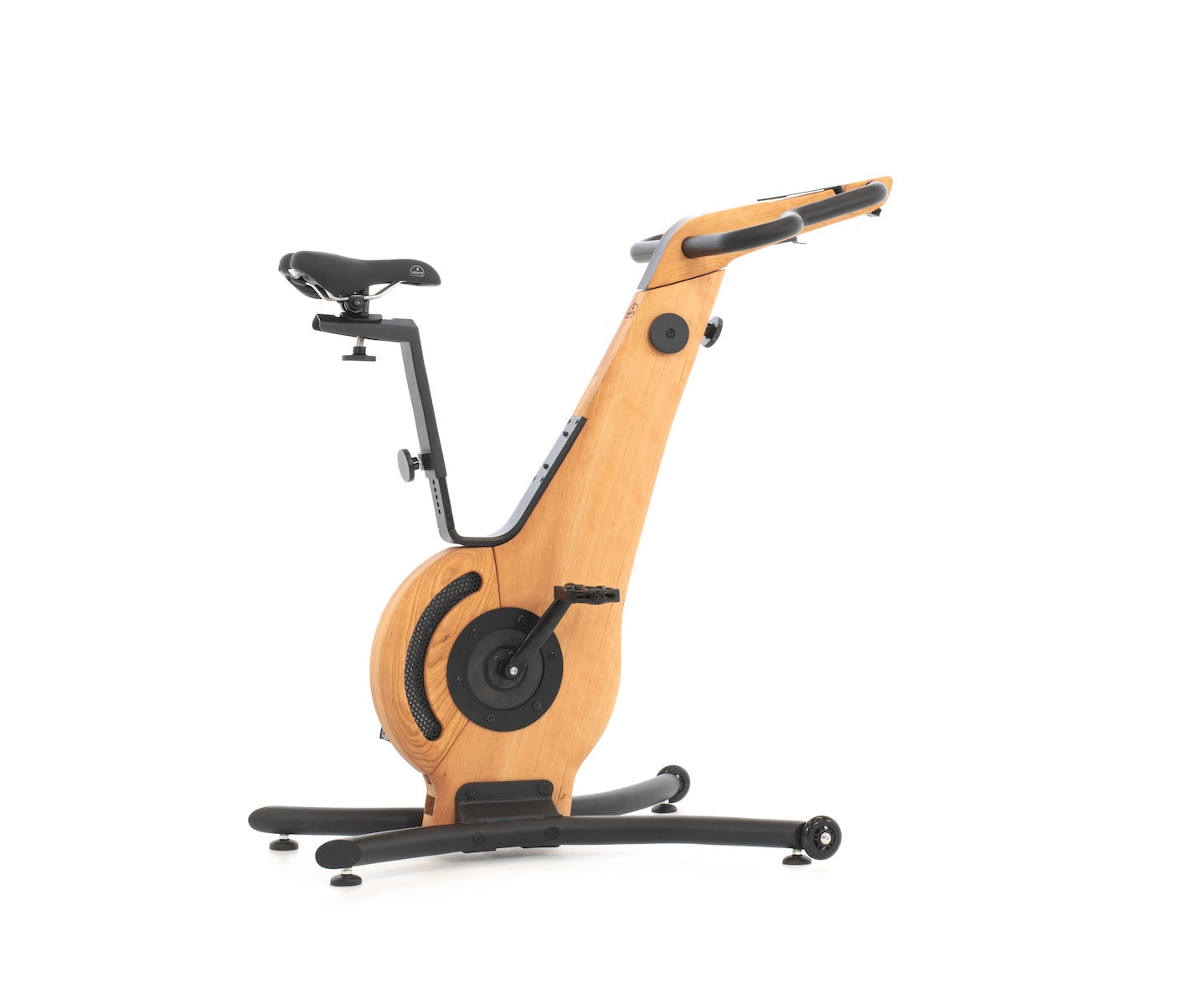
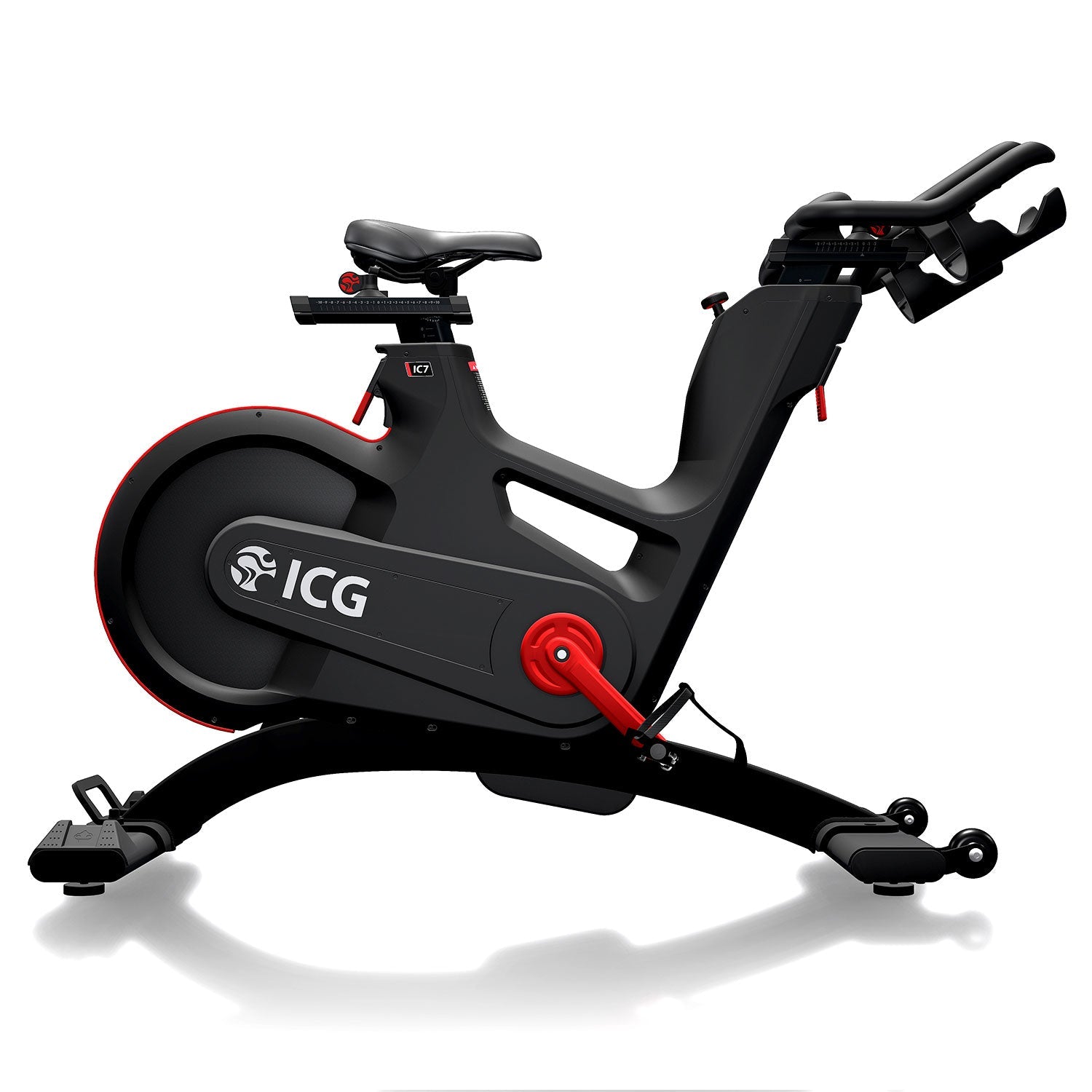
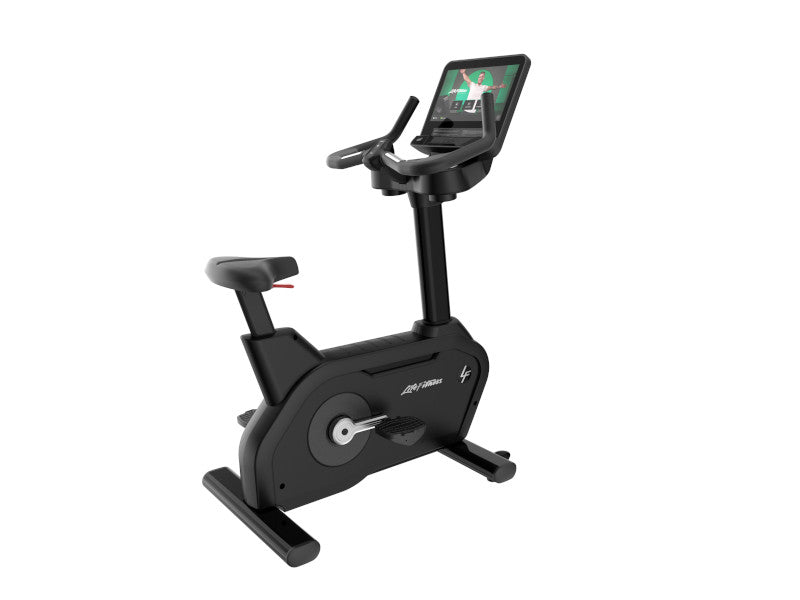
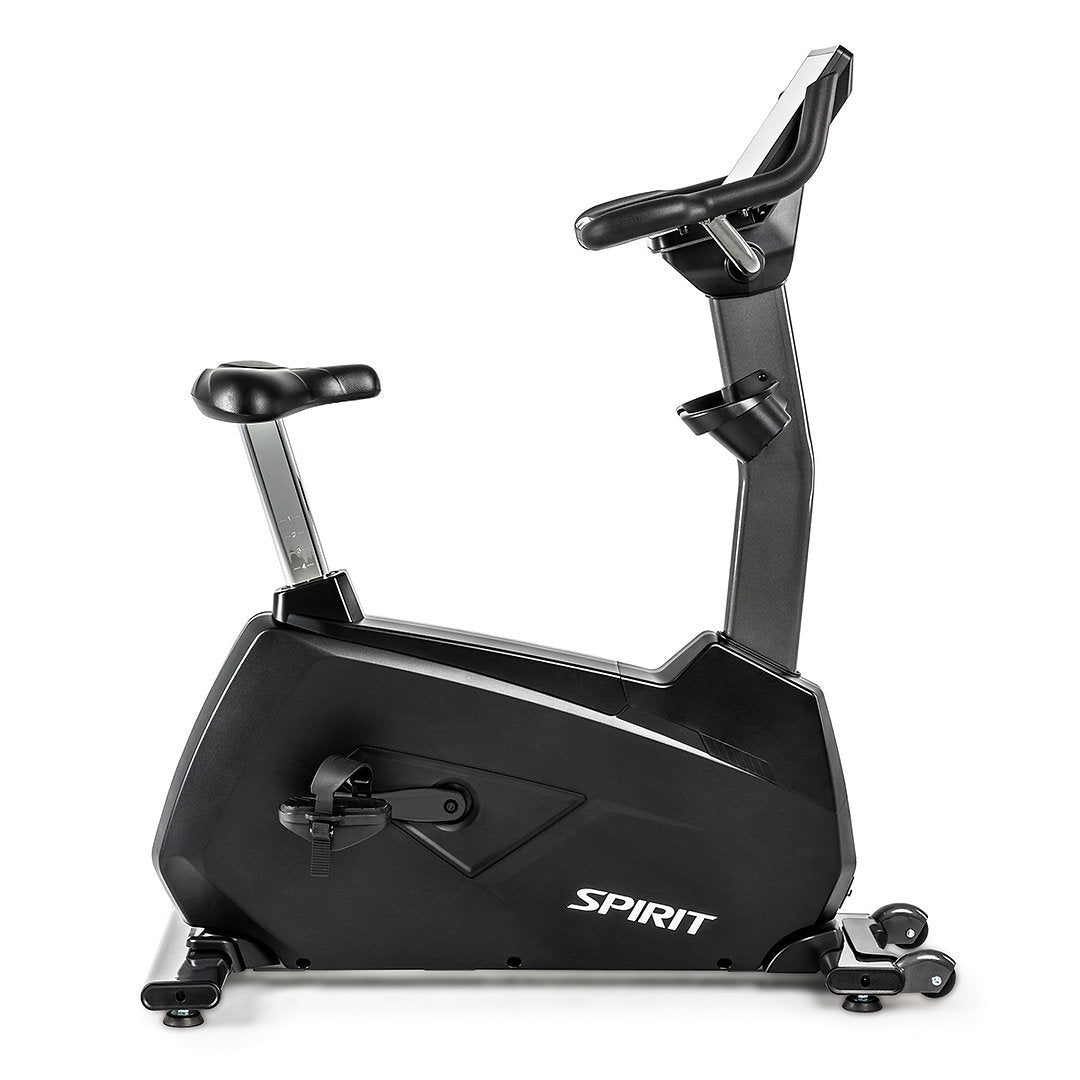
An upright exercise bike provides a traditional cycling feel with a vertical, road-bike–like position, offering efficient cardio, lower body muscle engagement, and core activation. It’s widely used for building endurance and strength, weight management, and rehabilitation, with versatility for different fitness levels.
Muscles Used on an Upright Bike
- Quadriceps - Provide main push during the downstroke, especially through the first and last quarters of the pedal revolution. The rectus femoris is most active, working to extend the knee and also flex the hip as the leg cycles back up.
- Hamstrings - Help pull the pedal upwards, aiding knee flexion and stabilising the leg on the upstroke.
- Glutes - Accelerate hip extension during powerful strokes and stabilize pelvis throughout the motion.
- Calves (Gastrocnemius, Soleus) - Maintain ankle stability and drive the foot through the lower half of the pedal circle, especially relevant for high-cadence or out-of-saddle work. Lateral gastrocnemius activation is higher in upright cycling than recumbent.
- Core (Abs, Obliques) - Stabilise the trunk, keep posture upright, and prevent swaying or excessive rocking, especially at higher intensities or when standing.
Lower Back Supports spinal alignment, prevents collapse, and maintains upright cycling posture.
- Shoulders, Arms - Stabilise grip and handlebar control. Upper body involvement grows as intensity rises or in standing climbs/sprints.
- Biceps, Triceps, Deltoids - Assist in gripping and controlling the handlebars, stabilizing the arms and shoulders, and maintaining riding position—most active during out-of-saddle, climbing, or sprinting.
- Forearms, Upper Back - Forearms maintain a firm handlebar grip, while upper back (trapezius, rhomboids) facilitate posture and shoulder stability
Benefits of Upright Bikes
- Cardio Efficiency: Great for improving cardiovascular health by elevating heart rate safely and consistently.
- Moderate Calorie Burn: Supports weight loss when combined with proper nutrition, thanks to steady-pace or interval workouts.
- Strength and Muscle: Engages quads, hamstrings, glutes, calves, hip flexors, and core for complete lower-body conditioning.
- Posture and Core Activation: Upright position stimulates core stabilizers and helps improve postural control.
- Low Impact: Reduces stress on knees and hips but gives a more traditional riding position compared to running or HIIT.
- Space Saving: Compact design takes up less space; ideal for home gyms.
How to Use an Upright Bike
- Seat Height: Adjust the saddle so there’s a slight bend (25°–35°) in the knee at the bottom of the pedal stroke. Seat height should be about level with the top of the hip when standing next to the bike.
- Handlebar Position: Handles are slightly higher than the seat; avoid reaching or rounding the back.
- Body Position: Sit upright, keep chest open, shoulders relaxed, and core engaged. Pedal with balls of the feet, not the arch or heel.
- Pedalling Action: Deliver power through the downward phase, keep movement smooth, and avoid locking knees or rocking hips.
- Progression: Beginners should start with 10–20 minutes per session, increasing duration, resistance, or intervals as fitness improves.
Upright Bike Frequently Asked Questions
How many calories can be burned on an Upright Bike?
Moderate sessions: ~250–400 kcal/30 min, depending on intensity and rider weight.
Are upright bikes hard on the back?
They require more trunk stabilisation— helping with good posture and gradually build-up to minimise any risk.
Can upright bikes be used for rehab?
Yes—with adjustable resistance and careful progression; seek professional advice if recovering from injury or illness.
Standing vs. sitting—what’s the difference?
Standing increases intensity and activates glutes/calves more, but should be used in moderation, especially for beginners.
Do they suit older people or if you have joint pain?
Yes—upright bikes are low impact but may be less comfortable than recumbents if significant back or hip pain is present.
What differentiates upright exercise bikes from recumbent bikes?
Upright bikes have a vertical position that closely mimics real cycling, activates core and upper body to a greater degree, and offers a compact footprint, whereas recumbents emphasise comfort and lower back support.
An upright bike is ideal for versatile, space-saving cardio and lower body strength, offering benefits for beginners and seasoned cyclists alike