Before choosing gym flooring, match the floor to how you train, the room it is going into and the weights you will lift. Thickness, waterproofing, underlay and noise matter most, and rubber is the most popular and adaptable choice for most workouts.


The right thickness depends on the training you do and the subfloor beneath.
Not sure which thickness suits your room? Tell us how you train and what the floor is like, and our team will advise.
Whatever floor you choose, the surface beneath matters. It should be clean, dry, level and free of debris before fitting. Check for damp on concrete slabs, particularly in garages and outbuildings, and ask for advice before laying over uneven or heated floors.
We recommend professional installation for every gym floor, commercial or home. Premium interlocking tiles often need cutting to fit around edges, doors and fixed equipment, and LVT needs a flat, well-prepared subfloor, so a professional fit gives a precise finish. We can provide professional flooring installers.
Read next: flooring types to consider, read our commercial gym flooring guide, browse gym flooring, or see custom flooring options.
Once you know your thickness, subfloor and noise needs, match them to a floor. Interlocking rubber tiles and LVT are our most popular choices, especially for in-home gyms. Where noise is the concern, acoustic rubber and acoustic LVT are two different routes. These are popular choices from our range, and our team can advise on the right one for your room.


Around 5 to 10mm suits cardio, yoga and bodyweight work, and 10 to 15mm suits HIIT and lighter weights. Most home gyms with free weights use 15 to 20mm. For heavy deadlifts and Olympic lifting, use 30 to 40mm or a lifting platform, with drop pads recommended.
An underlay adds cushioning and can reduce noise and vibration. It is worth considering for upstairs rooms and heavier training.
A waterproof surface stops sweat and spills reaching the subfloor and is easier to keep hygienic.
Allow for expansion and contraction, and check the flooring is suitable for use over underfloor heating before fitting.
Choose thicker, denser rubber, add an underlay and use drop pads for heavy lifting.
Yes. Many rubber floors come in a range of colours and flecks, and custom colours and logos are possible.
We recommend professional installation, especially for premium interlocking tiles that need cutting and for LVT. We can provide professional flooring installers.
Yes, once the slab is clean, dry and level. Rubber tiles are a popular choice, and checking for damp first is sensible.
Rubber generally gives good grip, but spills and sweat can make any surface slippery, so wipe up promptly.
Thicker, denser rubber and drop pads help protect the subfloor, and the right thickness depends on the weights you use.
Flooring Guides
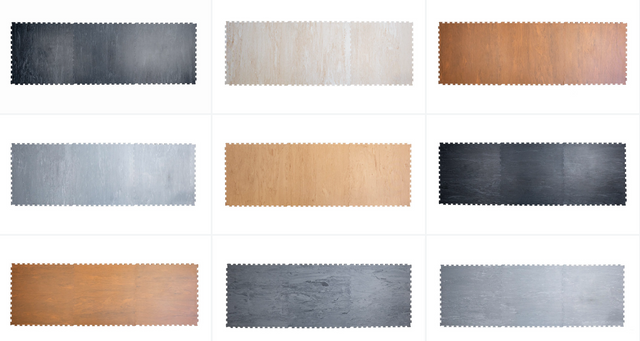
Pavigym’s new marbled and grained flooring thus sets a benchmark for combining performance, design, and environmental awareness in gym interiors, o...
Read the guide →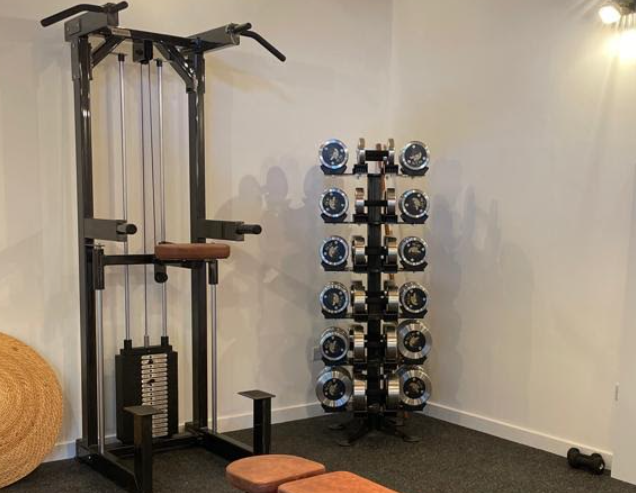
When setting up a garage gym, one of the most important considerations is the type of flooring you choose. The right flooring can provide a safe an...
Read the guide →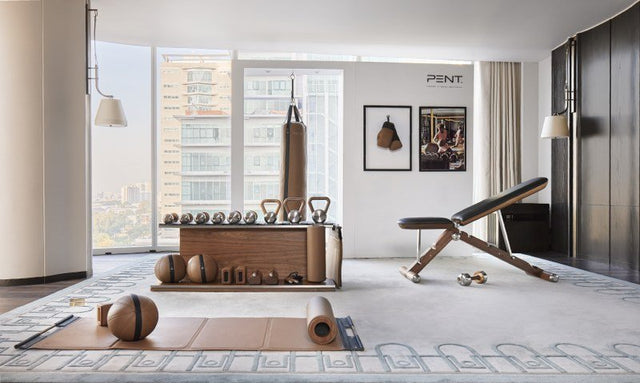
Designing a home gym is about more than just equipment and flooring—lighting is a critical yet often overlooked element that profoundly affects you...
Read the guide →
Lighting plays a key role in the ambience and safety of your home gym. You can use lighting to showcase architectural features and equipment, creat...
Read the guide →If you wish to contact us for any reason, our dedicated team of customer service experts are here to help.
Please either fill in the contact form or send us a message using our online chat at the right-hand side of the screen. Our Customer Service Online Chat is available 7 days a week from 9am-8pm. If your enquiry relates to an existing order, please include your order number.