Types of Gym Mat Storage
Wall-Mounted Racks and Holders:
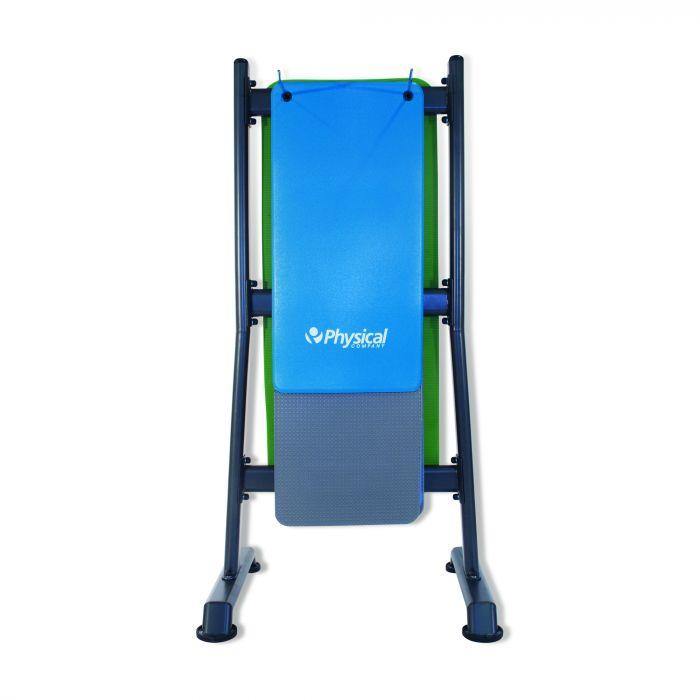
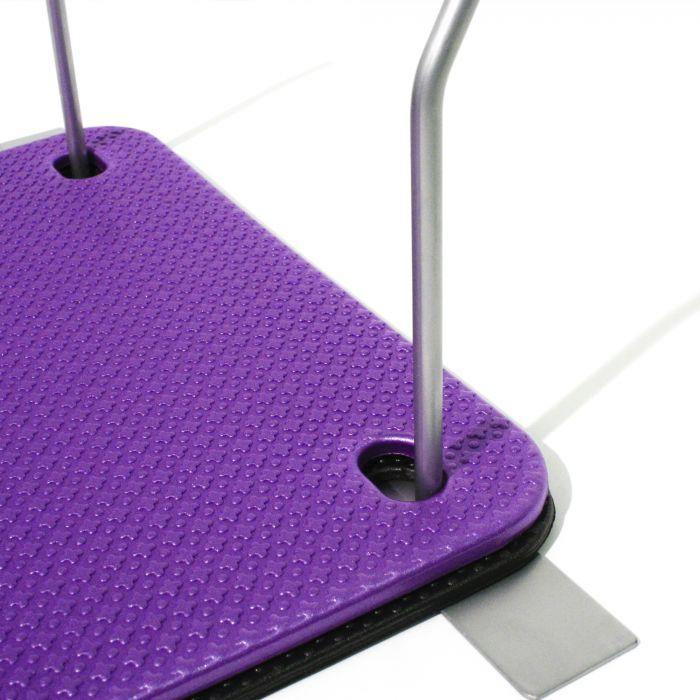
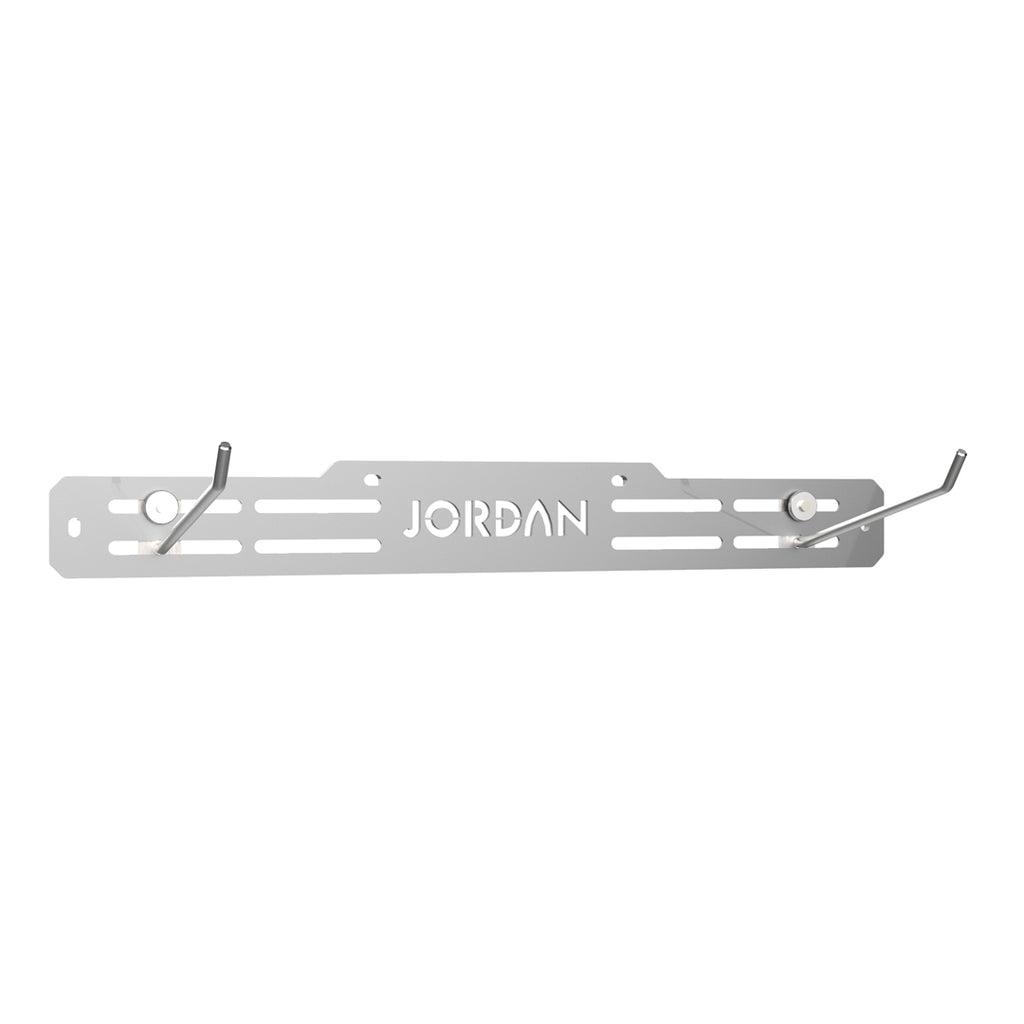
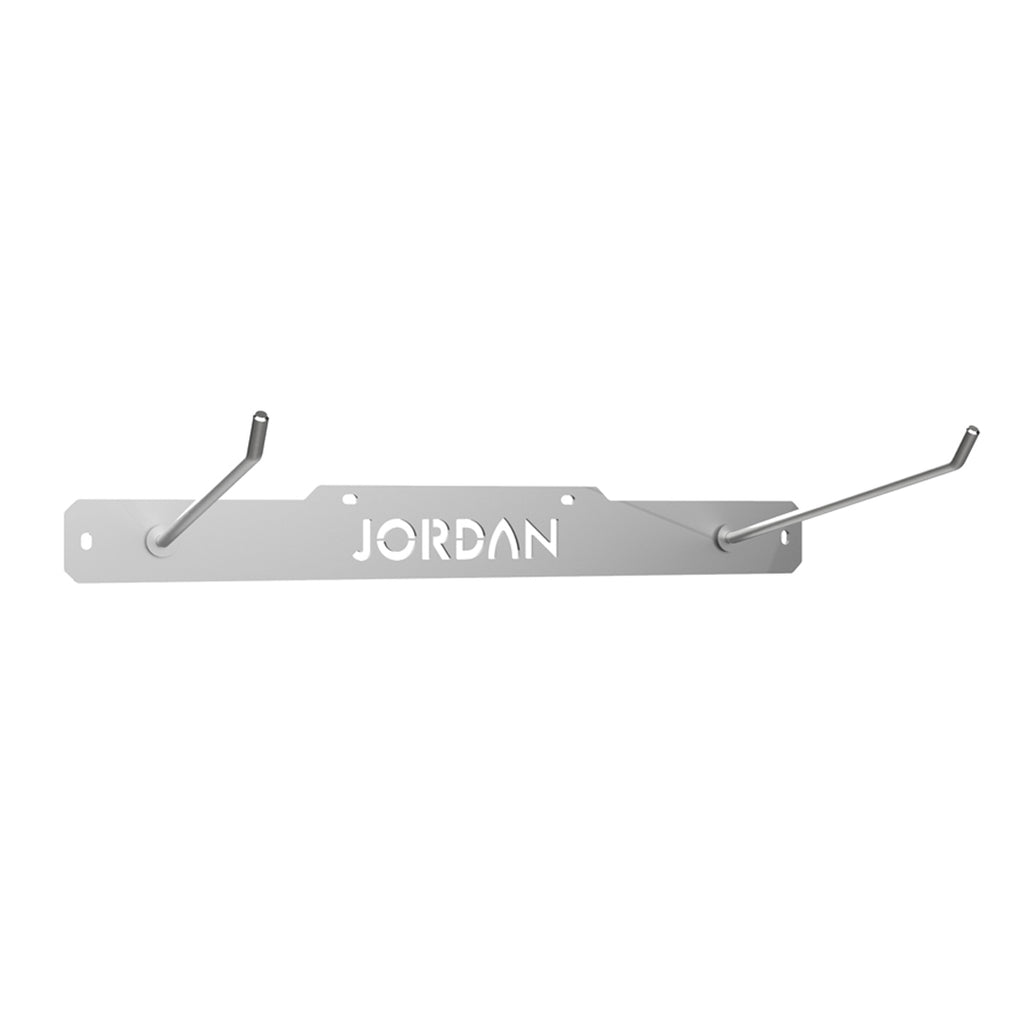
- Attach directly to walls, saving floor space and keeping mats off the ground. Commonly feature pins/prongs for hanging mats with eyelets, hooks for rolled mats, or horizontal shelves for flat storage.
- Ideal for compact rooms or studios where maximizing usable space is essential.
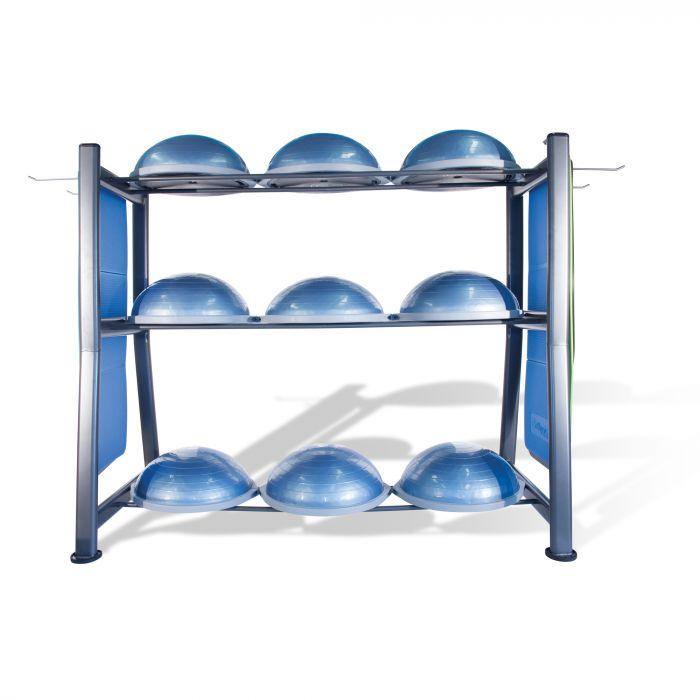
Freestanding Racks:
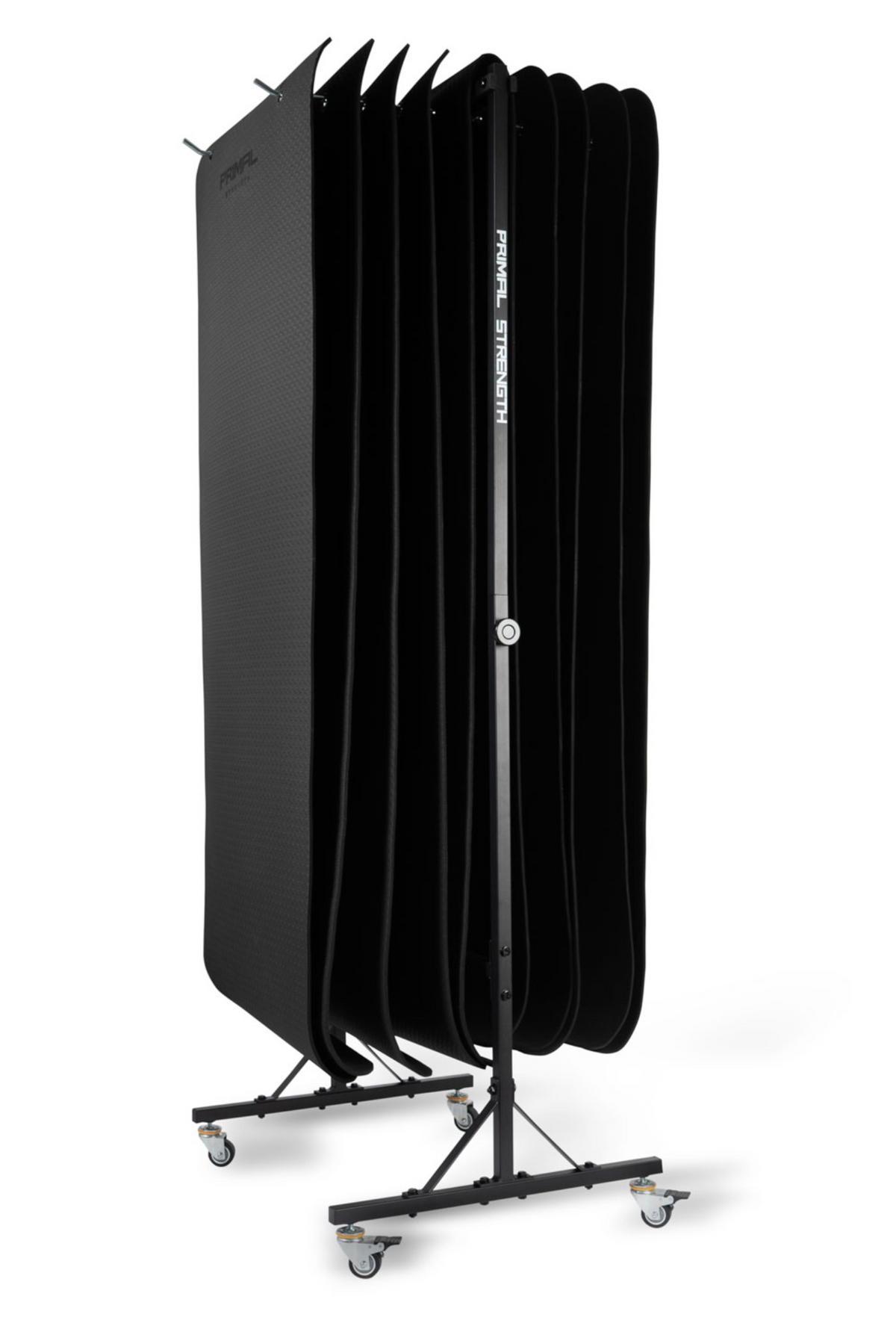
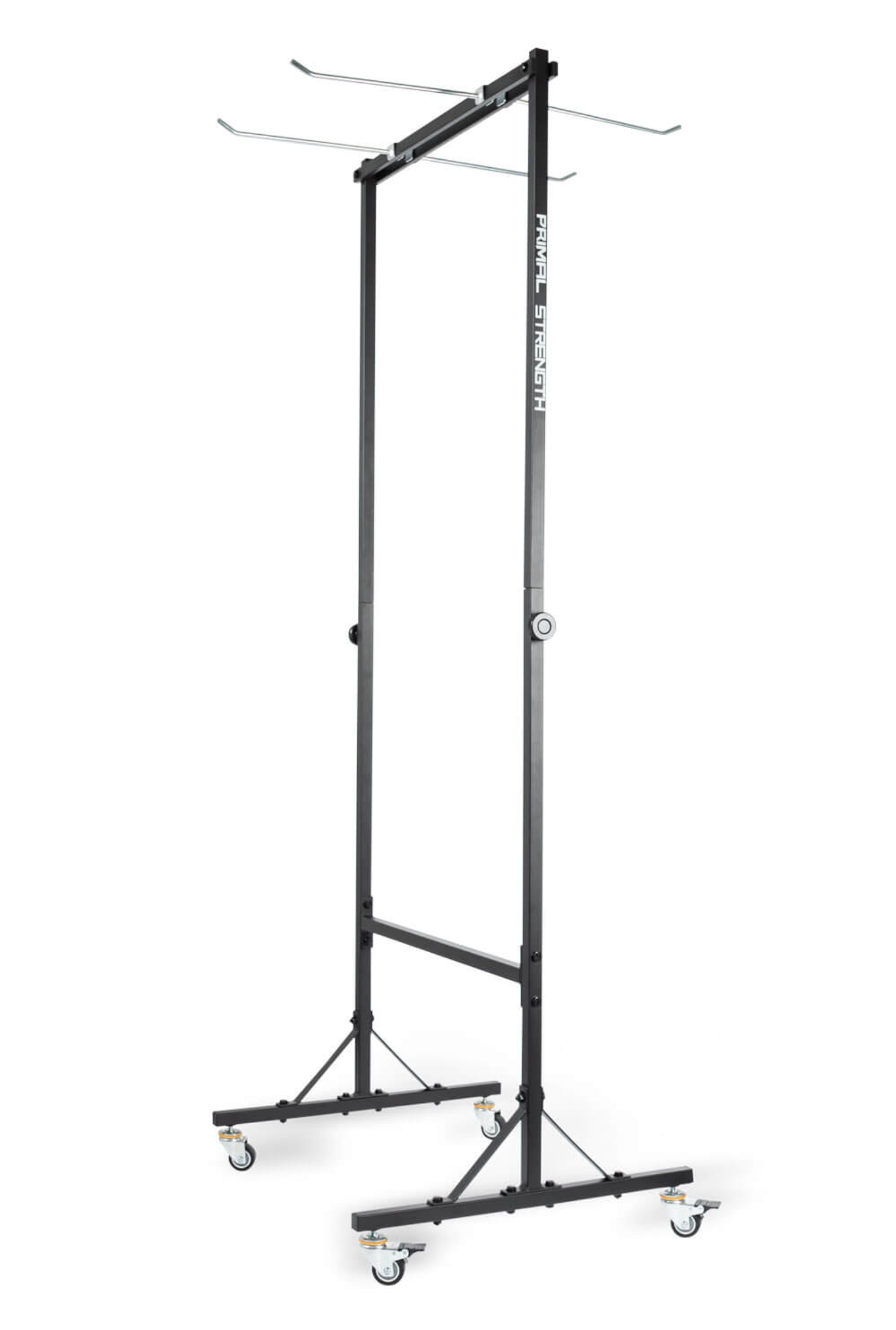
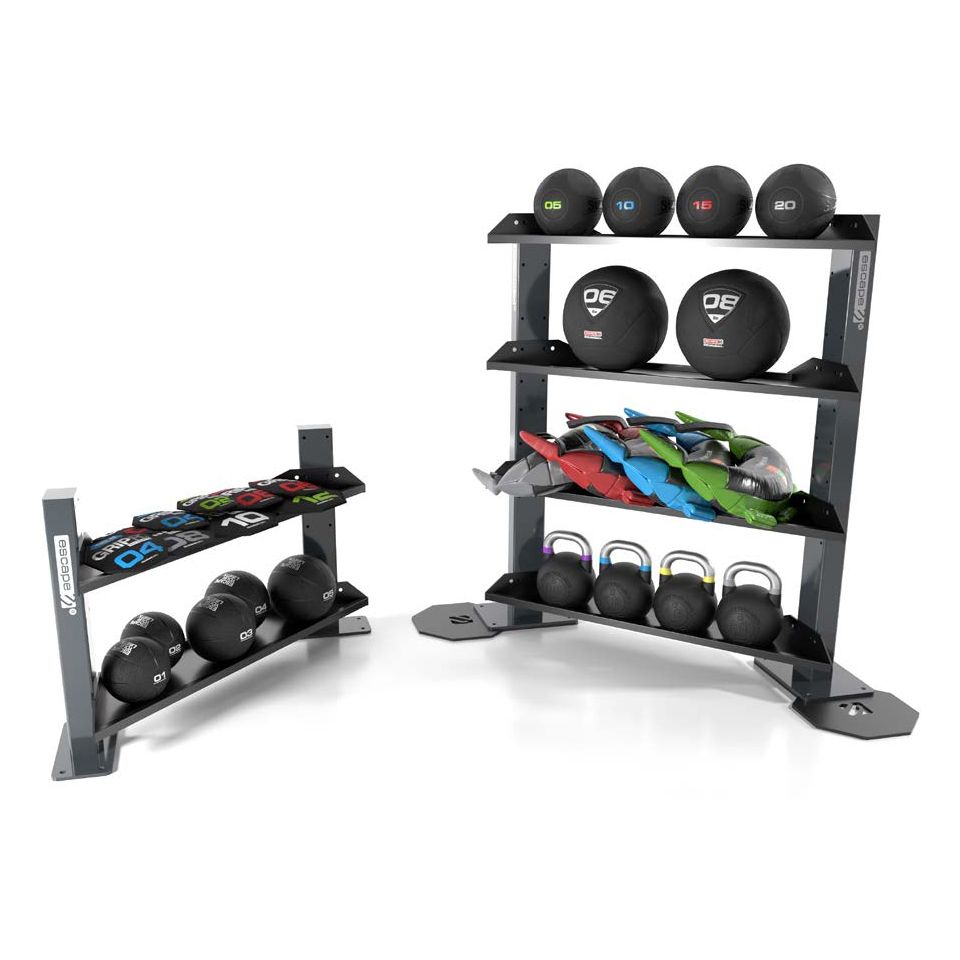
- Movable and versatile, these are designed to hold multiple mats vertically or horizontally. Some feature wheels for easy repositioning, and tiered setups for managing large numbers of mats.
- Useful for home gyms with flexible layouts or studios with frequent classes.
Over-the-Door Hangers:
Mount over standard doors and use pockets or hooks. This solution works well for individuals with few mats and limited wall space.
Storage Baskets and Shelves:
Flexible, decorative options for rolled mats, typically placed in corners, closets, or under benches. Useful for lighter use, yoga mats, and multi-purpose rooms.
Gym Mat Trolleys:
Specifically designed for wheeled transport and bulk storage of interlocking or jigsaw mats, often used in commercial or group fitness settings.
Under-Bed Storage Boxes:
Provide hidden, dust-free storage for home gyms or multipurpose rooms, particularly useful for infrequent use.
Benefits of Gym Mat Storage
- Organization and Space-Saving: Prevents mats from cluttering floors, reducing trip hazards while keeping your workout area neat.
- Prolongs Equipment Life: Proper storage prevents mats from creasing, rolling, or collecting dust, extending their lifespan and usability.
- Quick Access and Efficiency: Mats are always ready to use, and easy to clean, encouraging consistent workouts and reducing setup time.
- Versatility: Modular solutions (freestanding, wall-mounted, baskets) adapt to different room sizes and mat types.
- Aesthetics: Tidy storage improves the professional feel of any gym space, supporting a motivating environment.
Gym Mat Storage Buying Tips
- Assess Your Space: Choose wall-mounted racks or over-the-door hangers for small rooms; opt for freestanding racks in larger or multi-use spaces.
- Consider Mat Size/Type: Check storage compatibility with your mats—whether eyelet, rolled, or jigsaw styles.
- Capacity Needs: Pick racks or holders that can handle your mat count, allowing extra space for expansion or accessory storage.
- Material and Build Quality: Metal offers superior durability, plastic for light use, and wood for natural aesthetics. Ensure stability and weight-bearing for your gym setup.
- Mobility: For shared or multi-zone gyms, look for racks or trolleys with wheels.
- Assembly and Mounting: Wall racks should have clear mounting instructions and robust fixings. Freestanding units need a stable base for safety.
Key Gym Mat Storage FAQs
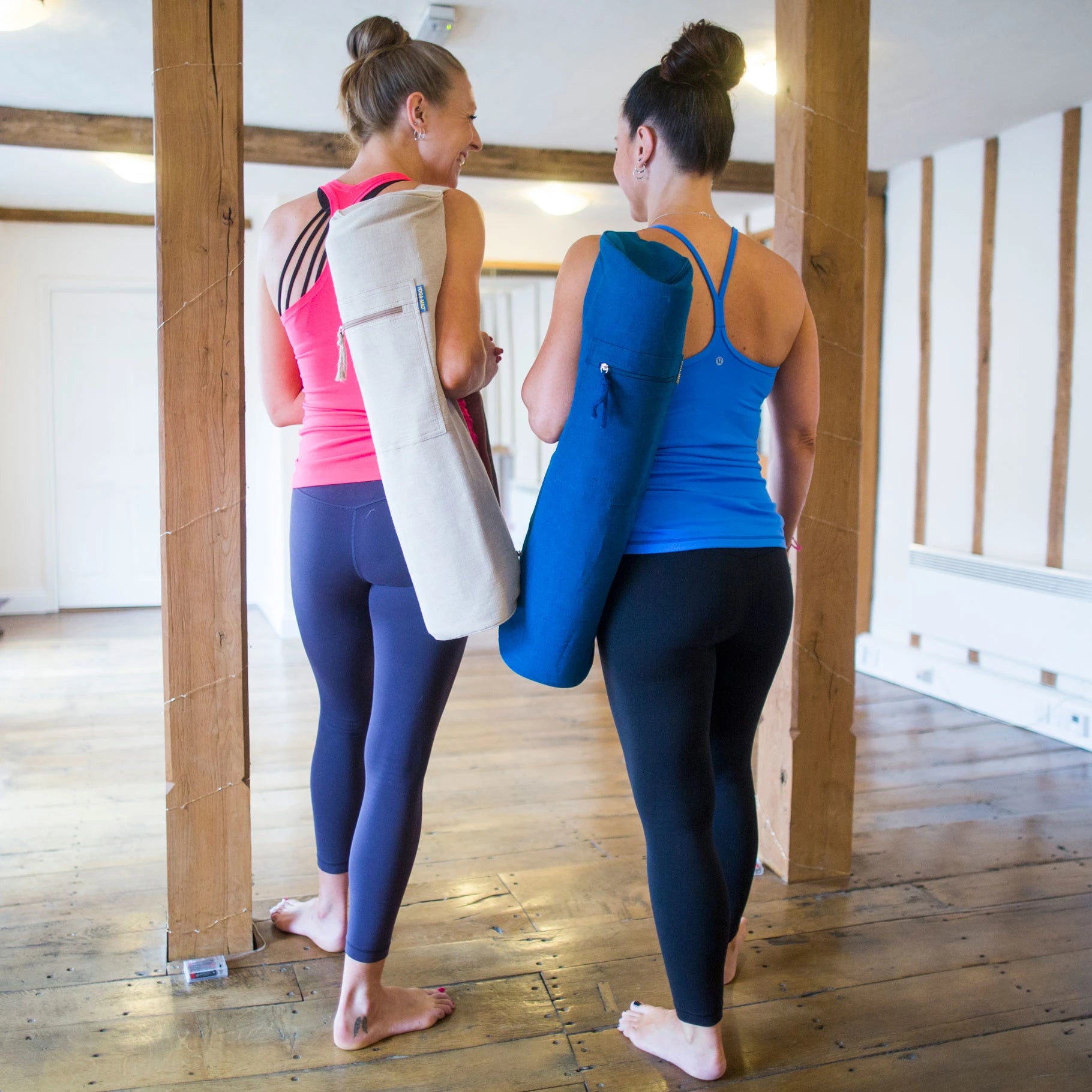
Can yoga mats be stored vertically?
Yes—vertical racks or over-the-door hangers keep mats tidy and save space, but ensure the upper edge doesn’t deform over time.
How do I keep mats clean in storage?
Regular cleaning and storing mats off the floor (especially on open racks or baskets) prevents dust buildup and odor.
What’s best for heavy-duty commercial mats?
- Go for metal freestanding racks or specialist trolleys with higher mat capacity for durability and long-term convenience.
- Proper gym mat storage delivers a tidy, efficient, and safe training space while prolonging the life of your equipment.










![JORDAN® HELIX Multi Gym Storage Rack [LTR]](http://trainingstation.co.uk/cdn/shop/files/jordan-helix-multi-storage-rack-shown-with-equipment_1200x.webp?v=1736085558)
![JORDAN® HELIX Multi Gym Storage Rack [LTR]](http://trainingstation.co.uk/cdn/shop/files/jordan-helix-multi-storage-rack-front_1200x.webp?v=1736085558)
![JORDAN® HELIX Multi Gym Storage Rack [LTR]](http://trainingstation.co.uk/cdn/shop/files/jordan-helix-multi-storage-rack-opposite-side_1200x.webp?v=1736085558)
![JORDAN® HELIX Multi Gym Storage Rack [LTR]](http://trainingstation.co.uk/cdn/shop/files/jordan-helix-multi-storage-rack-side_1200x.webp?v=1736085367)
![JORDAN® HELIX Multi Gym Storage Rack [LTR]](http://trainingstation.co.uk/cdn/shop/files/jordan-helix-multi-storage-rack-front_1600x.webp?v=1736085558)
![JORDAN® HELIX Multi Gym Storage Rack [LTR]](http://trainingstation.co.uk/cdn/shop/files/jordan-helix-multi-storage-rack-front_2000x.webp?v=1736085558)