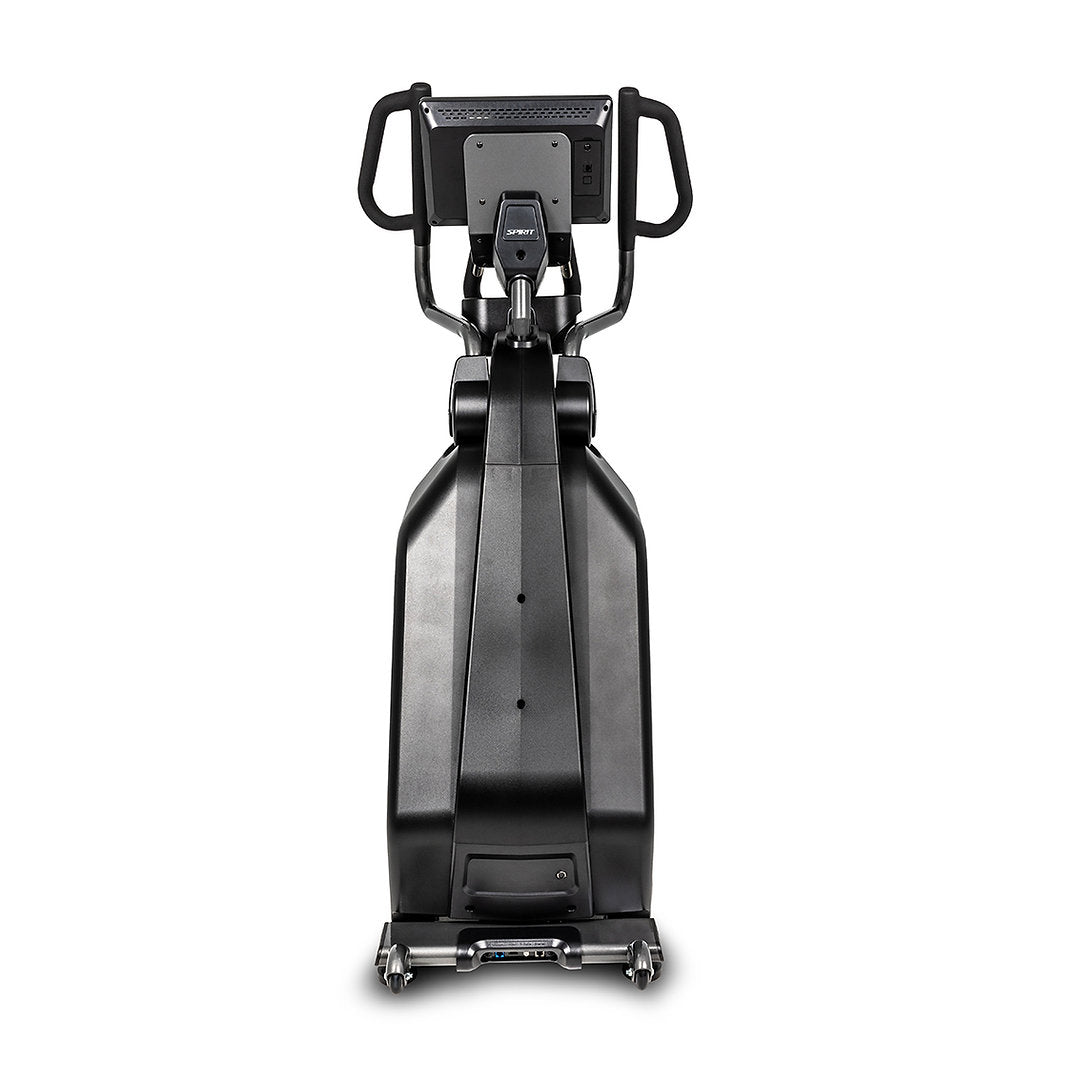
The elliptical trainer is a widely used, low-impact cardio machine delivering both full-body engagement and joint-friendly exercise. Here’s a comprehensive look at its history, biomechanics, usage, benefits, and buying guidance.
History of the Elliptical Trainer
The elliptical trainer was first introduced in the 1990s, with Precor unveiling the pioneering Elliptical Fitness Crosstrainer (EFX) in 1995. This innovation was designed to replicate the natural motion of walking or running while reducing joint impact—achieved through a patented mechanism that allowed the foot to roll from heel to toe. Early models targeted mostly the lower body, but later versions incorporated moving handlebars for an upper-body workout as well.
Muscles Used with Elliptical Trainer Machines
- Elliptical Trainers engage a wide range of muscles:
- Lower body: Calves, quadriceps, hamstrings, and glutes are all heavily involved, especially as resistance or incline is increased.
- Core: Abs and obliques stabilize the body during movement.
- Upper body: When using moving handlebars, biceps, triceps, deltoids, chest, and various back muscles (latissimus dorsi, rhomboids, trapezius) are worked with pushing and pulling actions.
How to Use Elliptical Cross Trainers
- Step onto the pedals and grip the fixed or movable handles.
- Pedal in a smooth, oval (elliptical) motion, maintaining upright posture and looking forward.
- Pull and push the handles (if present) in sync with foot movement for upper-body activation.
- Gradually increase resistance or incline for more intensity.
- Variations include pedaling backward (targets hamstrings), releasing handles (challenges core balance), or using preset interval programs.
Benefits of Elliptical Machines
- Low-impact Movement: Minimises stress on knees, hips, and ankles, making it ideal for joint sensitivity or injury rehab.
- Full-body Workout: Efficiently engages both upper and lower body for comprehensive conditioning.
- Efficient Fat Burn: Burns significant calories in less time compared to some other cardio devices.
- Improved Cardiovascular Health: Boosts aerobic endurance and heart health over regular use.
- Suitable for All Fitness Levels: Resistance and incline are easily adjustable, supporting beginners to advanced users.
- Enhanced Coordination: Requires rhythmic motion and core control, supporting neuromuscular development.
Elliptical Trainer Buying Tips
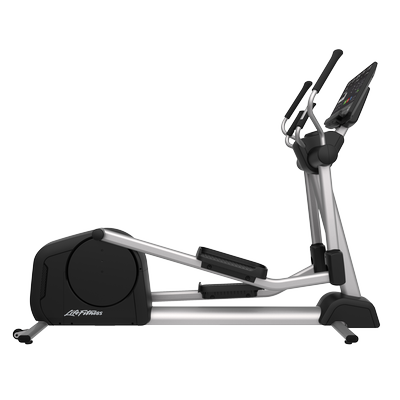
- Flywheel Weight: Heavier flywheels provide smoother, more stable motion and better resistance for muscle activation (minimum 3kg recommended).
- Stride Length: Should match user height—shorter stride mimics walking, longer mimics running (16–21 inches is standard for commercial units).
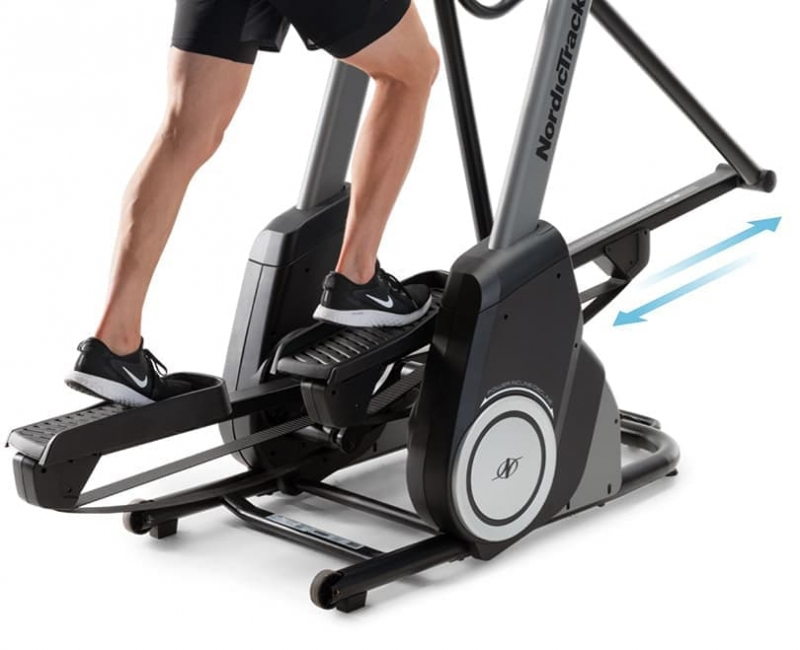
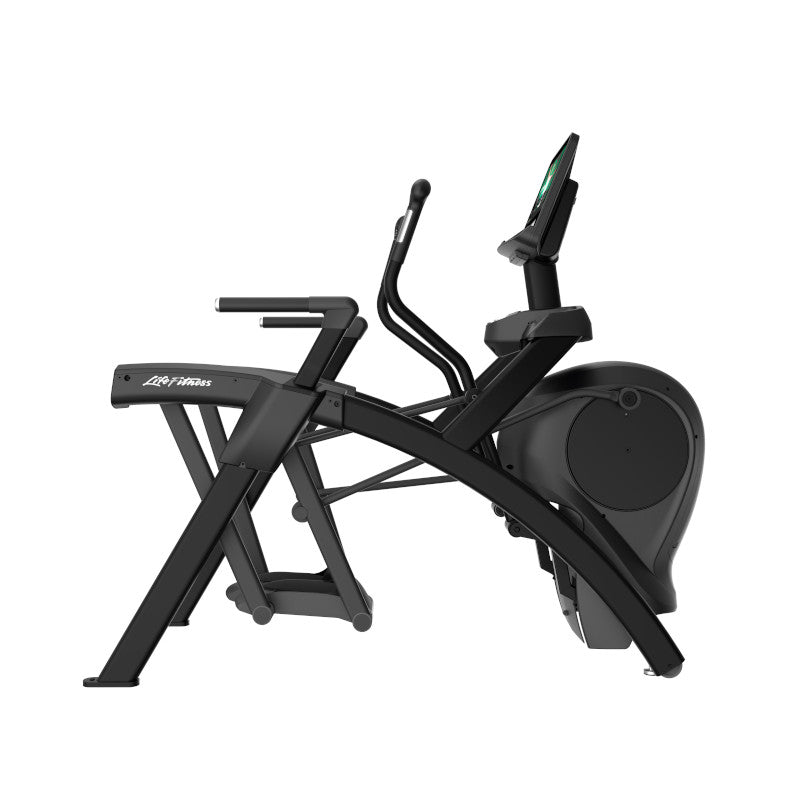
- Drive System: Front-drive units yield a flatter, ski-like motion; rear-drive machines more elliptical, mimicking downhill skiing. Front-drive is favored for rehab due to lower joint load.
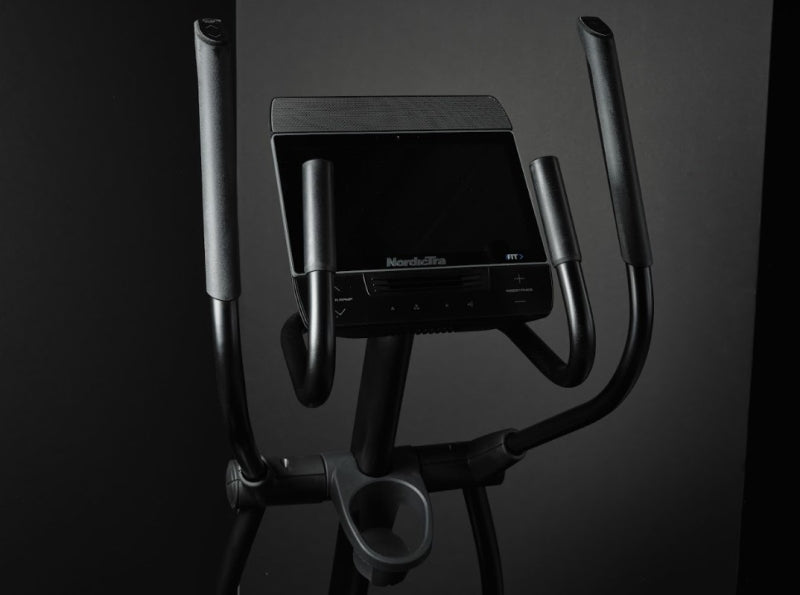
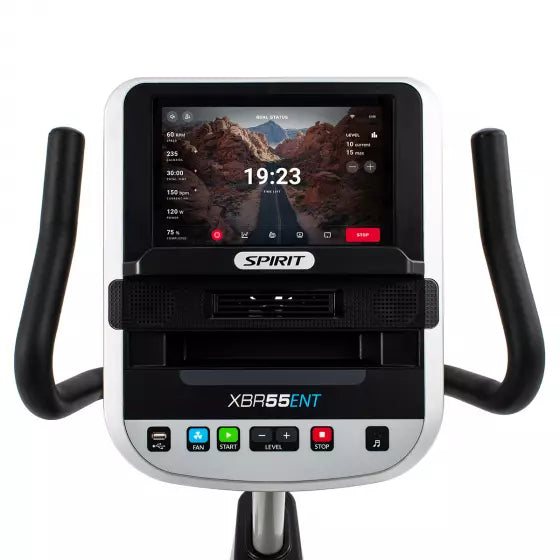
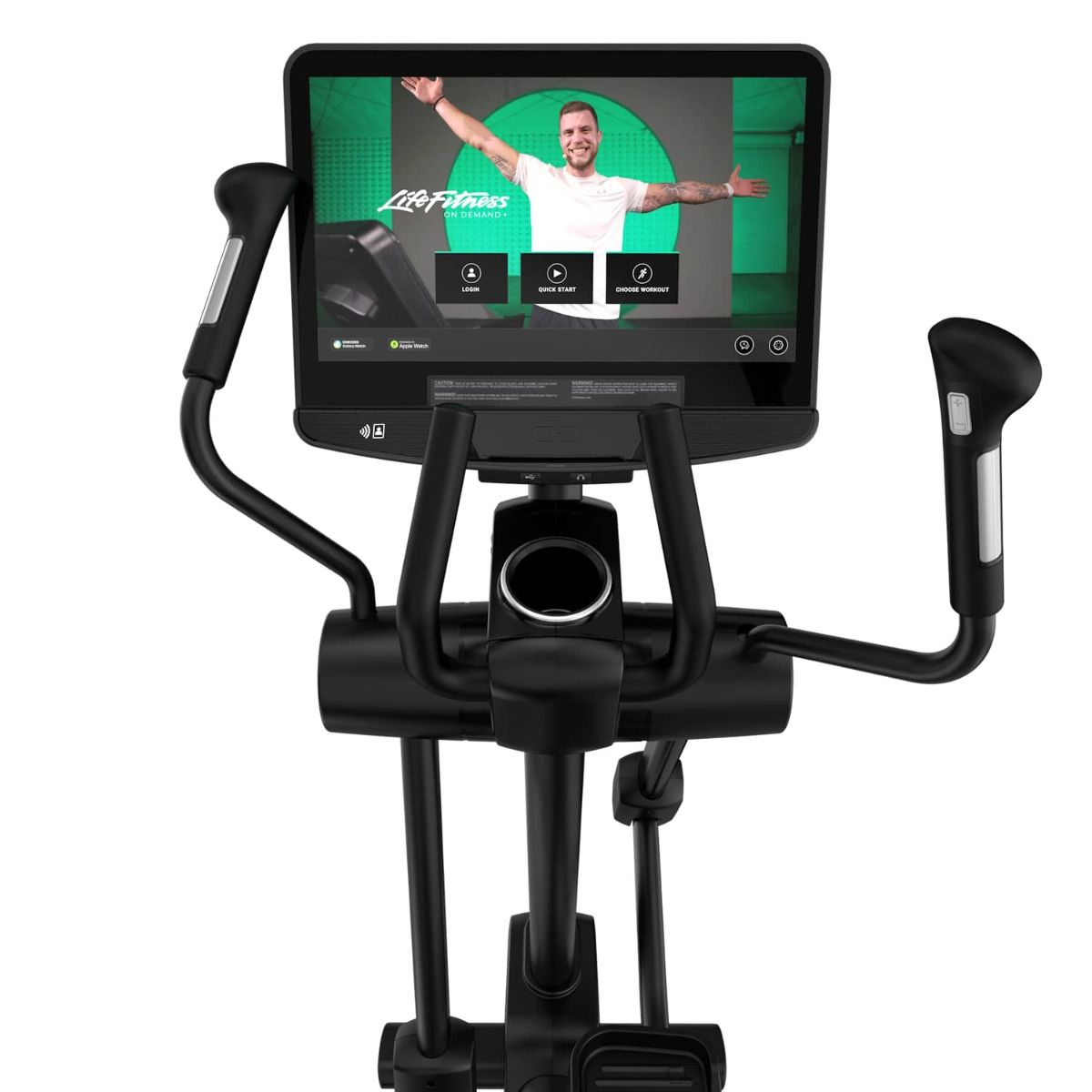
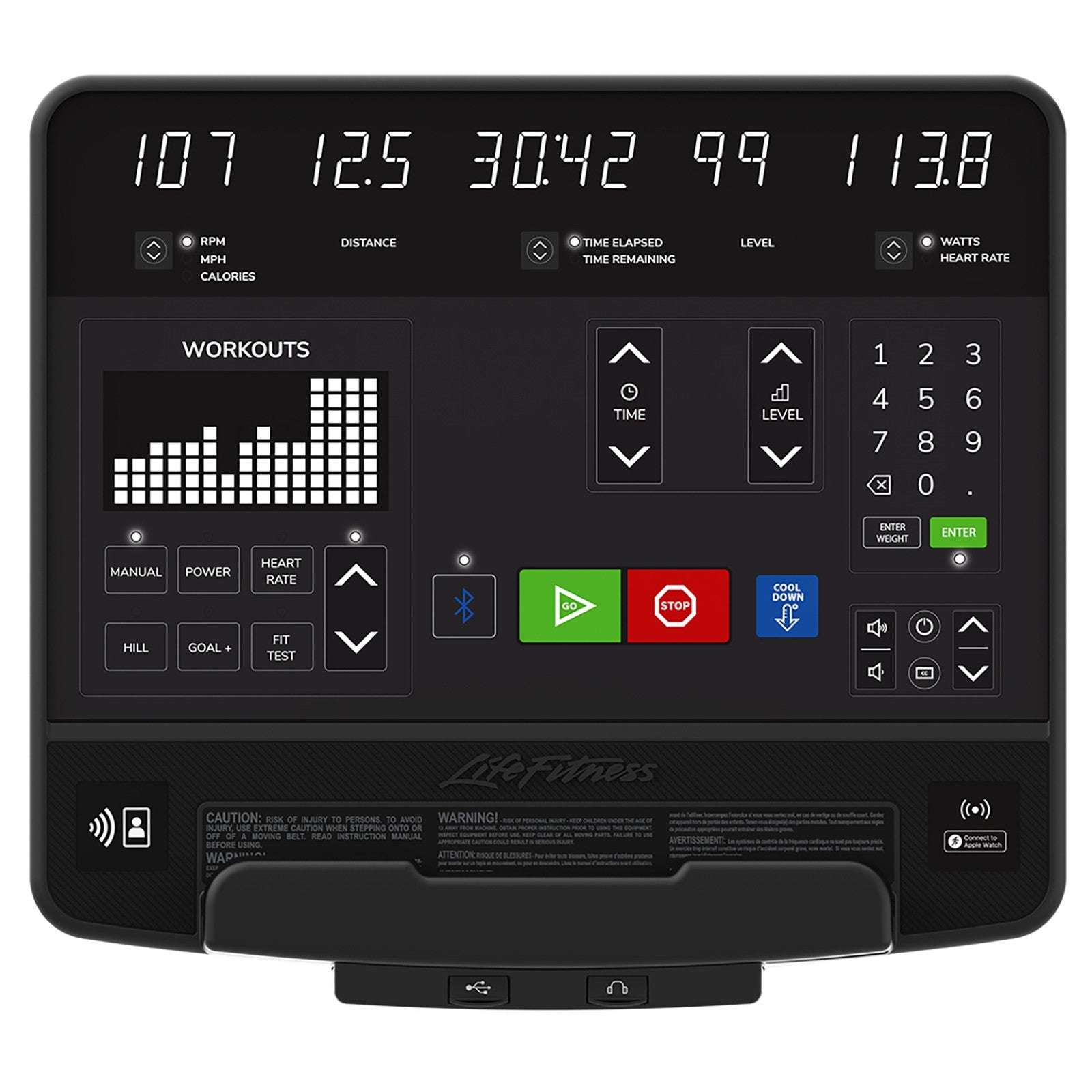
- Console & Features: Look for clear displays and program variety. High-end units offer touchscreen, large interactive, heart rate/ fitness app monitoring, and connectivity.
- Build Quality: Ensure frame stability, solid construction, and a large footprint for safe, consistent use.
- Budget & Space: Consider price, warranty, and space needs—rear-drive units save room.
The elliptical trainer is one of the best choices for sustainable, low-injury risk, total-body fitness in both home and commercial gyms