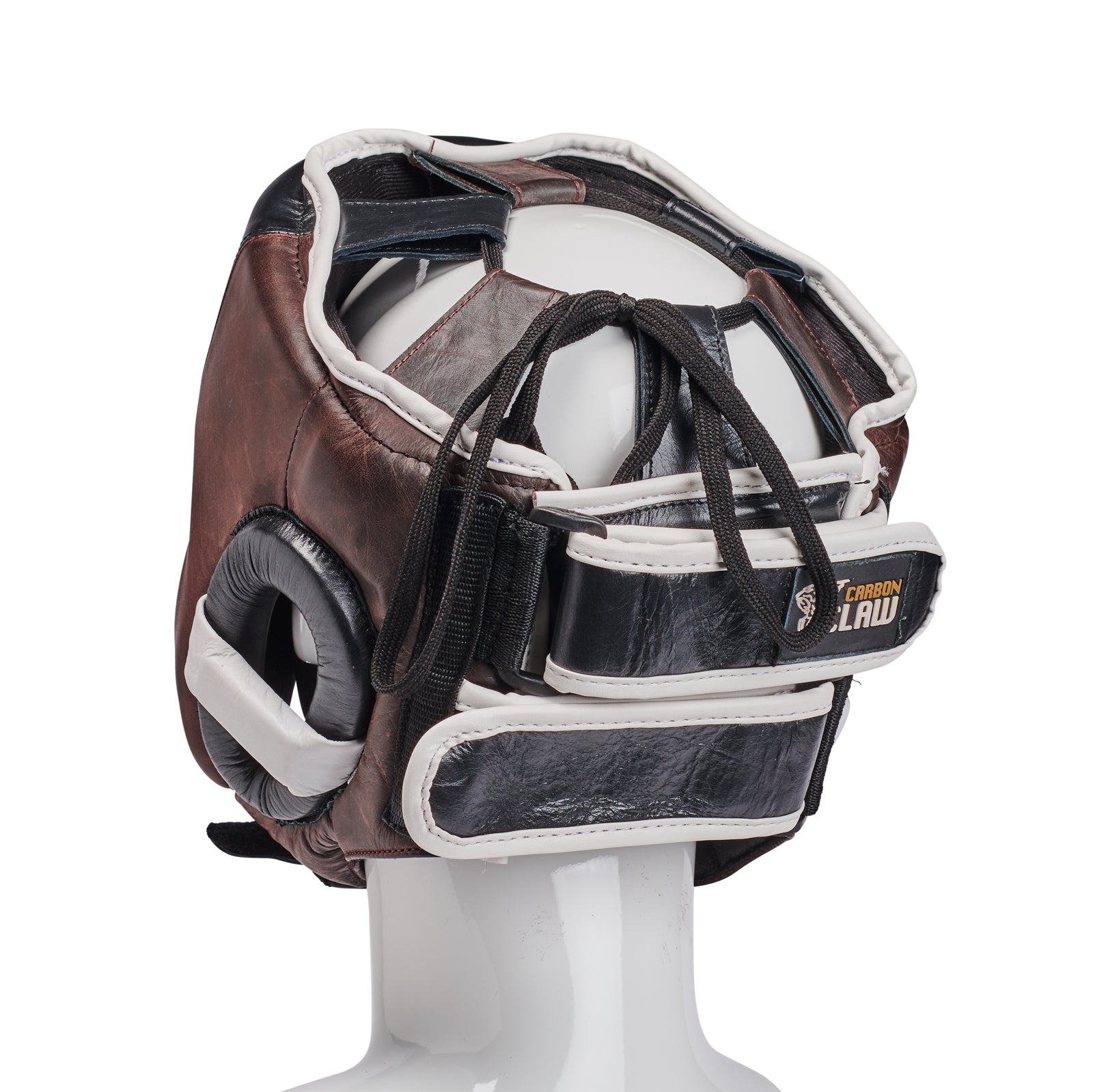
Boxing Head & Body Protection for Sparring & Training
Key Features
- Headguards (Adult & Junior)
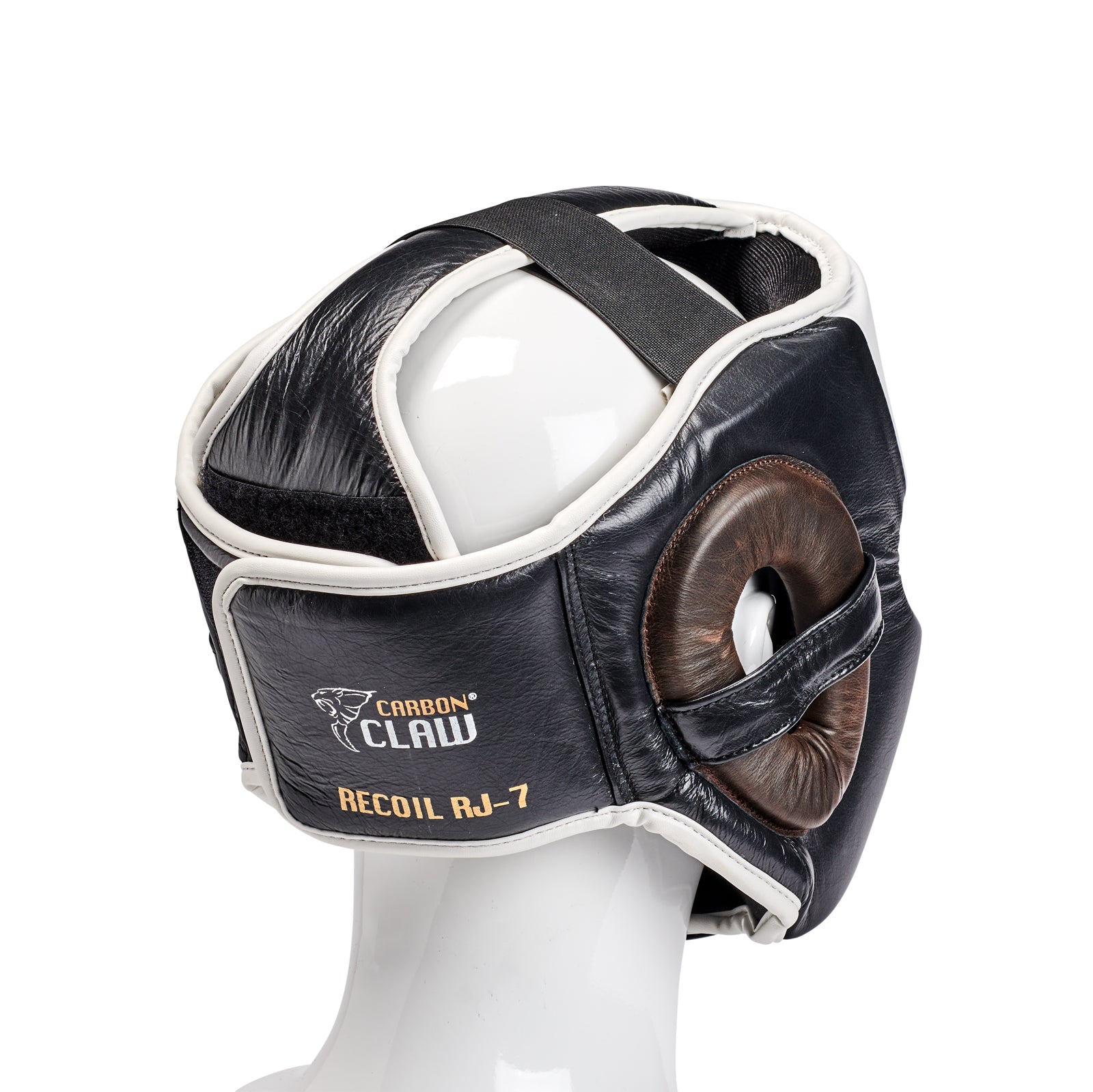
Lightweight construction with multi-adjustment systems on top, rear, and chin sections for secure fit. Protective external padding absorbs impact of blows. Internal soft foam layers encased in moisture-wicking anti-microbial material for hygiene and comfort. Wide eye openings ensure peripheral vision remains unimpeded. Genuine hide leather or durable synthetic cross-fiber material construction. Various foam layer combinations provide firm outer absorption with soft inner comfort. Available in S/M and M/L sizes for adults, S/M for juniors.
- Groin Guards
Lightweight elasticated cotton and nylon material construction. Removable protective cup (nylon/plastic) for easy cleaning. Washable-friendly design. Leg support straps with hook-and-loop closures for minor comfort adjustments. Ensures groin cup sits correctly. Essential protection for vulnerable areas during combative sports. Enables athletes to focus on performance without distraction.
- Abdominal Guards
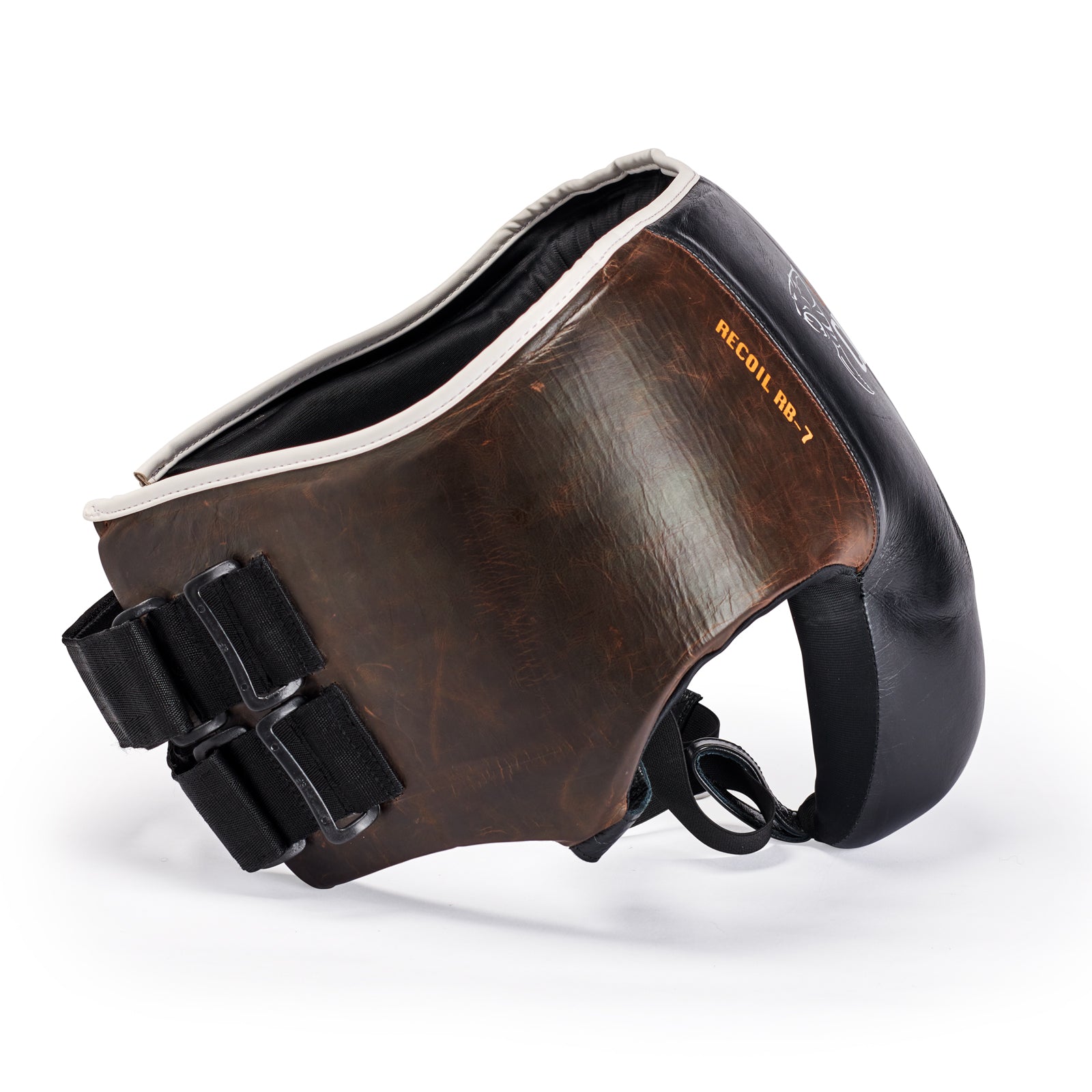
Sewn-in cup protector with hook-and-loop double waist strap. Adjustable leg support straps provide secure, comfortable fit while maintaining flexibility. Breathable 4-way stretch fabric ensures optimal mobility and airflow. High-impact foam construction. Lightweight design doesn't restrict movement. Protects vulnerable mid-section during training and sparring.
- Coach Tech Guards (Body Protectors)
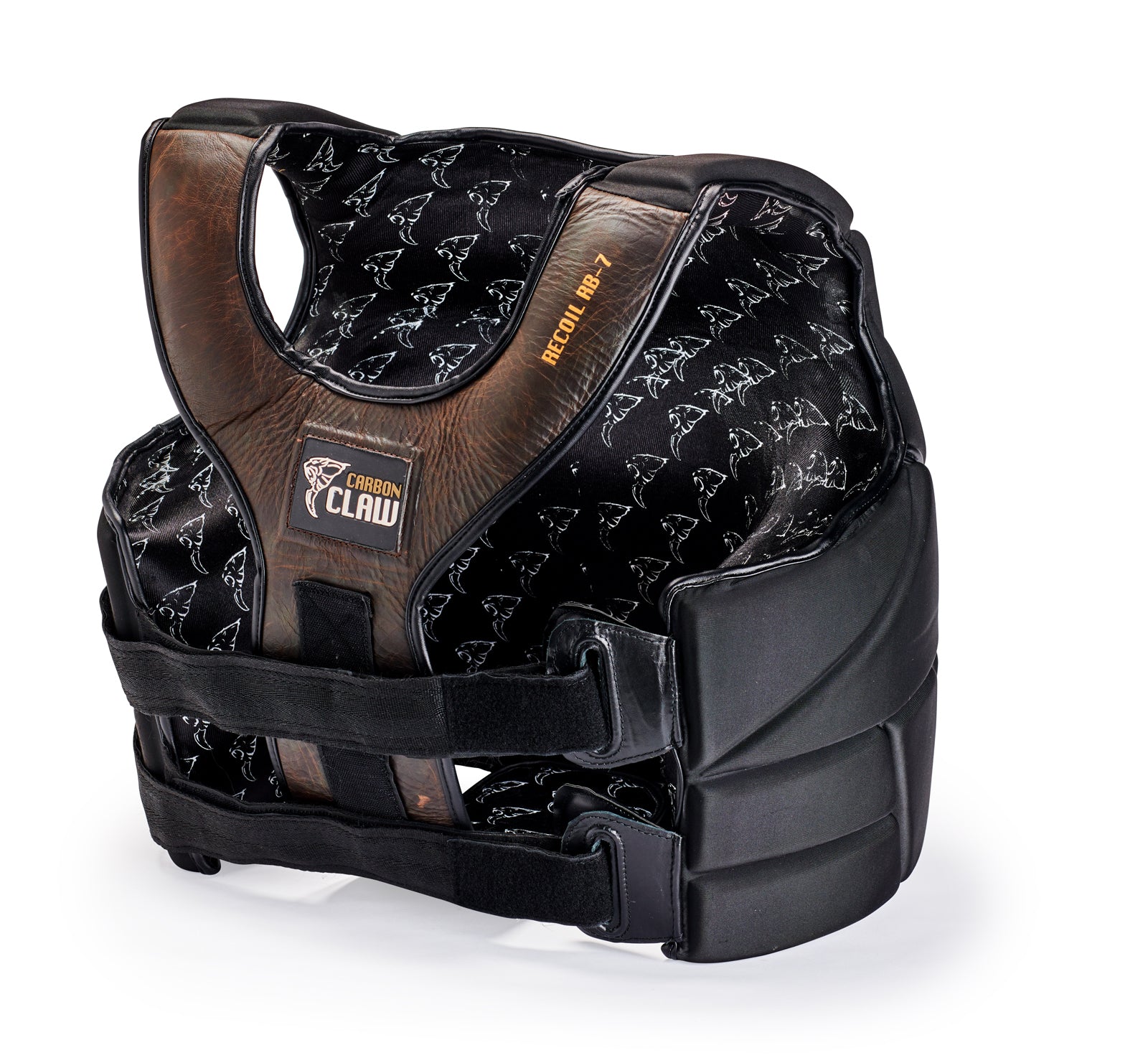
Comprehensive mid-section coverage ideal for close-range body shot training. Lightweight foam construction with waist and height adjustable settings. Tailored fit allows natural movement and flexibility. Superior protection against hard-hitting strikes. Enables trainers to absorb body shots safely during pad work. High-impact and comfort-fit design. 2kg weight typical.
- Body Armour (Trainer Protection)
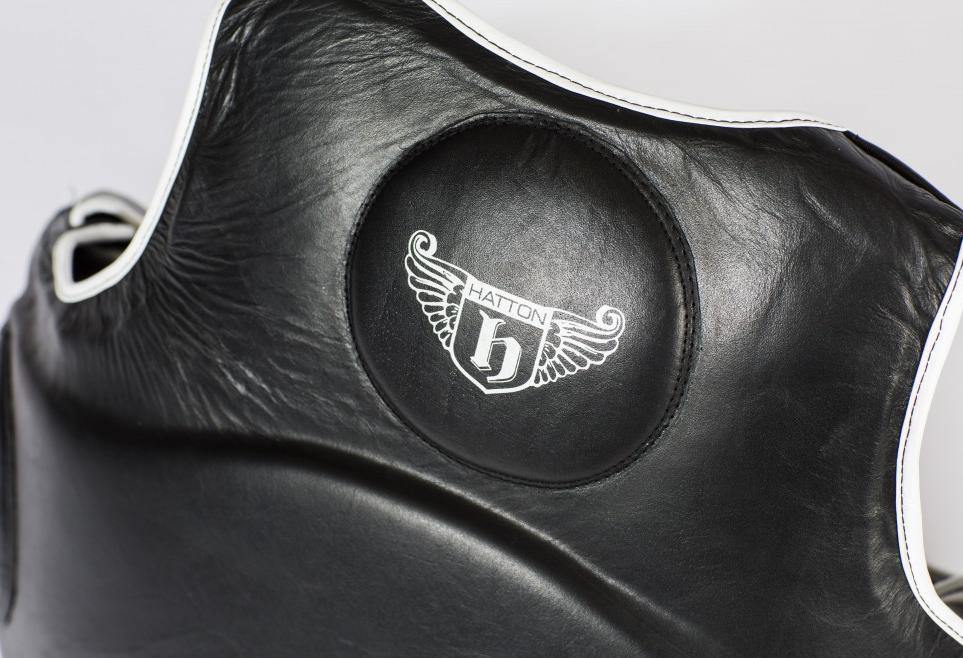
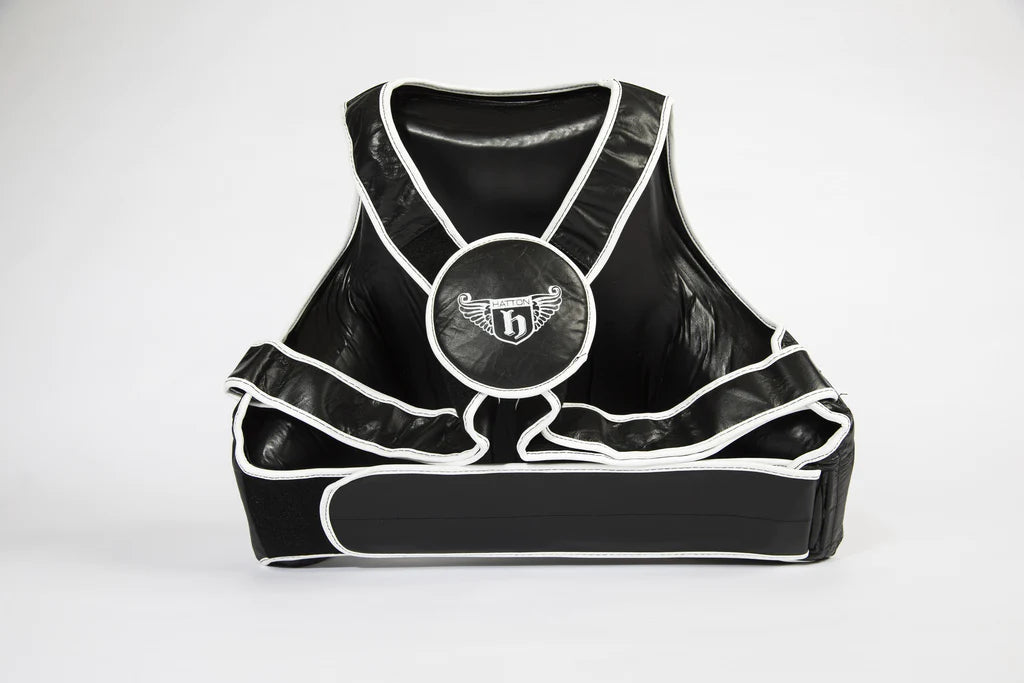
Extra-thick top-grade cowhide leather construction for durability and professional appearance. Five layers of cloth-fiber webbing and high-density latex foam provide ultimate shock absorption. Secured by rear velcro strap above waist and cross-shaped straps around back and shoulders. Suits all shapes and sizes of trainers. Unrivaled protection for boxing and combat trainers during intensive pad work and body shot training.
Premium Materials & Construction
-
- Genuine hide leather: Professional-grade durability, superior impact absorption, premium aesthetics.
- Synthetic cross-fiber: Resilient, affordable, adequate for home and commercial use.
- Multi-layer foam systems: Firm outer layers absorb initial impact, soft inner layers provide comfort.
- Moisture-wicking linings: Anti-microbial materials prevent bacterial growth and odour.
- Adjustable strap systems: Hook-and-loop closures enable customized fit for all body types.
Benefits of Boxing Head & Body Protection
- For Head Protection (Headguards)
Reduces impact forces to head preventing cuts, bruises, and concussions during sparring. Protects cheekbones, temples, and jaw from direct strikes. Enables realistic sparring without excessive injury risk. Essential for amateur boxing, white collar fights, and intensive sparring sessions. Builds confidence allowing practitioners to focus on technique rather than fear of injury.
- For Groin Protection
Protects vulnerable groin area from accidental low blows during sparring and training. Removable cup enables easy cleaning maintaining hygiene. Lightweight design doesn't restrict movement or footwork. Essential for all contact combat sports. Enables athletes to train with confidence without distraction from potential injury.
- For Body Protection (Abdominal Guards)
Shields mid-section from body shots during sparring. High-impact foam absorbs strike forces preventing rib and abdominal injuries. Breathable materials prevent overheating during intensive training. Flexible design maintains mobility for defensive movements. Essential for practitioners developing body shot defense and offense.
- For Trainer Safety (Body Armour)
Enables trainers to absorb full-power body shots safely during pad work. Five-layer construction dissipates impact forces preventing trainer injury. Allows realistic power training without holding back. Essential for professional trainers working with heavy hitters. Extends trainer career longevity by preventing cumulative impact injuries.
- For Skill Development
Proper protection enables realistic sparring at higher intensities. Practitioners develop timing, distance, and defensive skills under pressure. Headguards allow head movement practice without fear. Body protection enables body shot combinations. Accelerates skill development through realistic training conditions.
- For Injury Prevention
Reduces cuts, bruises, and concussions enabling consistent training without injury interruptions. Prevents serious injuries that could end boxing careers. Enables higher training volumes safely. Essential for amateur boxers, white collar fighters, and anyone sparring regularly. Insurance against preventable injuries.
- For Confidence Building
Proper protection reduces fear enabling practitioners to focus on technique and strategy. Beginners gain confidence through safe sparring experiences. Enables progression from light to intensive sparring gradually. Psychological benefit of feeling protected enhances performance.
Boxing Head & Body Protection Buying Tips
Choosing Headguard Type
- Full-Face Headguards
Coverage: Protects forehead, temples, cheekbones, jaw, and chin.
Best for: Beginners, amateur boxing, white collar fights, maximum protection priority.
Pros: Maximum facial protection, reduces cuts and bruises, confidence-building for beginners.
Cons: Slightly restricted vision compared to open-face, heavier, warmer during use.
Typical use: Amateur competitions, beginner sparring, white collar boxing events.
- Open-Face Headguards
Coverage: Protects forehead, temples, and sides of head—face remains exposed.
Best for: Experienced boxers, professional training, vision priority.
Pros: Superior peripheral vision, lighter weight, better ventilation, more realistic to competition.
Cons: Less facial protection—higher risk of cuts and bruises.
Typical use: Professional training, experienced sparring, fighters prioritizing vision.
- Cheek Protection Headguards
Coverage: Protects forehead, temples, cheekbones—chin exposed.
Best for: Balanced protection and vision, intermediate practitioners.
Pros: Good peripheral vision, protects cheekbones (common injury area), lighter than full-face.
Cons: Chin remains exposed, moderate protection level.
Typical use: Intermediate sparring, general training, balanced approach.
Headguard Sizing
- S/M (Small/Medium)
Head circumference: 54-58cm typical.
Best for: Women, youth (12+ years), smaller adults, lighter weight fighters.
Fit check: Should fit snugly without pressure points, adjustable straps enable customization.
- M/L (Medium/Large)
Head circumference: 58-62cm typical.
Best for: Average to large adults, most male fighters, general use.
Fit check: Adjustable top, rear, and chin straps accommodate range of head sizes.
- Junior Sizing
S/M Junior: Specifically designed for children and young teens.
Age range: Typically 8-14 years depending on head size.
Important: Never use adult headguards on children—improper fit reduces protection and increases injury risk.
Groin Guard Selection
- Cup Style
Removable cups: Enable washing of fabric components, replaceable if damaged.
Integrated cups: Sewn-in design, less maintenance, adequate for most users.
Material: Nylon/plastic cups standard, steel cups available for professional use (heavier, maximum protection).
- Sizing
Most groin guards are one-size-fits-most with adjustable straps. Leg support straps with hook-and-loop closures enable customization. Waist straps adjust for different body sizes. Try with training shorts to ensure proper fit.
Body Protection Selection
- Abdominal Guards (For Fighters)
Purpose: Protect fighter's mid-section during sparring.
Features: Lightweight, flexible, breathable, doesn't restrict movement.
Best for: Sparring sessions, body shot training, amateur competitions.
Not suitable for: Trainer protection—insufficient coverage for absorbing full-power strikes.
- Coach Tech Guards (For Trainers)
Purpose: Enable trainers to absorb body shots during pad work.
Features: Comprehensive mid-section coverage, adjustable height and waist settings.
Best for: Trainers working body shot combinations, pad work sessions.
Weight: 2kg typical—more substantial than fighter abdominal guards.
- Body Armour (For Trainers)
Purpose: Maximum protection for trainers absorbing full-power body shots.
Features: Extra-thick leather, five-layer foam construction, cross-shaped strap system.
Best for: Professional trainers, intensive pad work, heavy hitters.
Investment: Premium pricing- reflects professional-grade construction.
Longevity: Lasts years with proper care—essential professional equipment.
Material Selection
- Genuine Hide Leather
Pros: Maximum durability (5-10 years professional use), superior impact absorption, professional appearance, authentic boxing experience.
Cons: Higher cost, requires break-in period, needs maintenance.
Best for: Serious boxers, professional trainers, commercial gyms, long-term investment.
Brands: Carbon Claw Recoil RB-7 Series, Hatton Boxing.
- Synthetic Cross-Fiber Material
Pros: Affordable (£40-100), low maintenance, adequate durability (2-4 years), ready to use immediately.
Cons: Less authentic feel than leather, may wear faster in intensive commercial use.
Best for: Beginners, budget-conscious buyers, home training, casual sparring.
Brands: Carbon Claw Impact GX-3 Series.
Fit & Adjustment Guidelines
- Headguard Fitting
Top strap: Adjust so headguard sits level on head without tilting forward or back.
Rear strap: Tighten to prevent headguard shifting during movement.
Chin strap: Secure but not restrictive—should allow jaw movement for breathing and speaking.
Eye openings: Verify peripheral vision—should see punches from front and sides clearly.
Overall fit: Snug without pressure points, doesn't shift during head movement.
- Groin Guard Fitting
Cup position: Center cup over groin area, should sit comfortably without pinching.
Waist strap: Secure at natural waistline, tight enough to prevent shifting.
Leg straps: Adjust to keep cup in position during movement, not too tight (restricts circulation).
Movement test: Perform kicks, squats, and footwork—cup should remain in position.
- Body Protection Fitting
Abdominal guards: Waist strap at natural waistline, leg straps prevent riding up during movement.
Coach tech guards: Adjust height to cover ribs and abdomen, waist strap secure but allows breathing.
Body armour: Cross-shaped straps distribute weight, rear velcro strap prevents shifting, should cover entire torso front.
Brand Comparison
Carbon Claw
Recoil RB-7 Series: Premium genuine hide leather headguards, abdominal guards, coach tech guards. Multi-adjustment systems, moisture-wicking linings. Professional-grade construction. Impact GX-3 Series: Synthetic cross-fiber headguards and groin guards. Budget-friendly, adequate for home and commercial use. Recoil RJ-7 Series: Junior headguards sized for youth. Comprehensive range across all price points.
Hatton Boxing
Premium cowhide leather body armour and body belts. Five-layer construction with high-density latex foam. Professional trainer equipment. Cross-shaped strap systems. 1-year warranties. Trusted by professional trainers and commercial gyms.
Boxing Head & Body Protection - Frequently Asked Questions
Do I need a headguard for sparring?
Yes, headguards are essential for sparring to reduce risk of cuts, bruises, and concussions. They're mandatory in amateur boxing and white collar fights. Even experienced boxers use headguards during training to prevent injuries that interrupt training. Only professional boxers spar without headguards, and even then, many use them for safety.
What size headguard should I buy?
Measure head circumference at widest point (above eyebrows, around back of head). S/M fits 54-58cm (women, youth 12+, smaller adults). M/L fits 58-62cm (average to large adults, most men). Adjustable straps accommodate range within each size. Try on if possible—should fit snugly without pressure points, maintain peripheral vision.
Can I spar without a groin guard?
Absolutely not. Groin guards are mandatory for all contact combat sports. Accidental low blows occur even in controlled sparring. Groin injuries are extremely painful and can cause serious damage. All reputable gyms require groin protection for sparring. Never risk permanent injury by skipping this essential protection.
What's the difference between abdominal guard and body armour?
Abdominal guards protect fighters' mid-sections during sparring—lightweight, flexible, doesn't restrict movement. Body armour protects trainers absorbing full-power body shots during pad work—heavier, more coverage, five-layer construction. Fighters wear abdominal guards; trainers wear body armour. Don't confuse the two—each serves different purpose.
Do headguards prevent concussions?
Headguards reduce impact forces and prevent cuts/bruises, but don't eliminate concussion risk entirely. They reduce severity and frequency of concussions but can't prevent all head injuries. Proper technique, controlled sparring intensity, and rest between sessions are equally important for brain health. Headguards are one component of comprehensive safety approach.
Can children use adult headguards?
No, children must use junior-sized headguards specifically designed for their head size. Adult headguards don't fit properly on children, reducing protection and increasing injury risk. Junior headguards (S/M) fit ages 8-14 typically. Proper fit is critical for protection—never compromise by using wrong size.
How tight should a headguard fit?
Snug but not restrictive. Should stay in position during head movement without shifting. Top, rear, and chin straps all adjusted for secure fit. No pressure points causing discomfort. Peripheral vision maintained—should see punches from front and sides. Can speak and breathe normally with chin strap secured. Too loose: shifts during movement. Too tight: causes headaches and restricts breathing.
Do I need body protection for bag work?
No, body protection is for sparring and pad work, not bag work. Bags don't hit back—no need for protection. Body protection would restrict movement during bag work. Save body protection for sparring sessions and trainer pad work where you're absorbing strikes.
How do I clean my headguard?
After each use: Wipe interior and exterior with antibacterial wipes or spray. Air dry completely in well-ventilated area—never leave in gym bag wet. Never machine wash headguards—damages padding and construction. For persistent odors: spray with vinegar solution (1:1 water to vinegar), air dry thoroughly. Leather headguards: condition quarterly to prevent cracking.
Can I use the same headguard for boxing and MMA?
Boxing headguards work for MMA striking training but may not be ideal for full MMA sparring (which includes grappling). MMA-specific headguards often have different designs accommodating grappling. For pure striking training, boxing headguards are adequate. For full MMA sparring with takedowns and ground work, consider MMA-specific headguards.
What's the difference between amateur and professional headguards?
Amateur headguards (full-face or cheek protection) provide maximum protection—mandatory in amateur competitions. Professional headguards (open-face) prioritize vision and realism—used in training only (professionals compete without headguards). Amateurs and beginners should use full-protection headguards. Experienced fighters may prefer open-face for training.
Do I need body armour if I'm just training clients on pads?
If clients are throwing body shots at full power, yes. Body armour enables you to absorb strikes safely without injury. Without protection, cumulative impact causes rib and abdominal injuries over time. Professional trainers working with heavy hitters consider body armour essential equipment. For light pad work without body shots, not necessary.