Ball Storage Racks & Solutions Key Features
-
Vertical Medicine & Slam Ball Racks
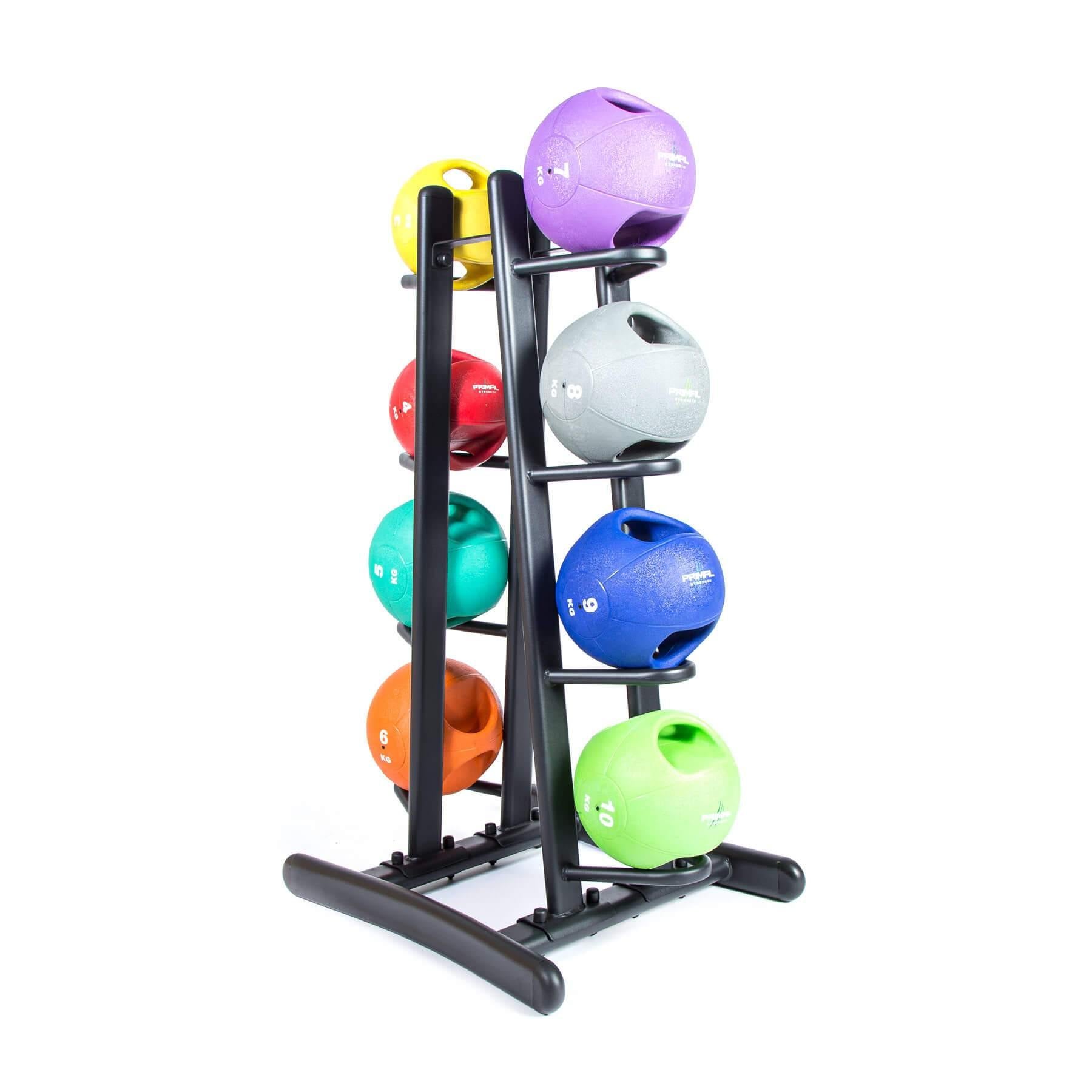
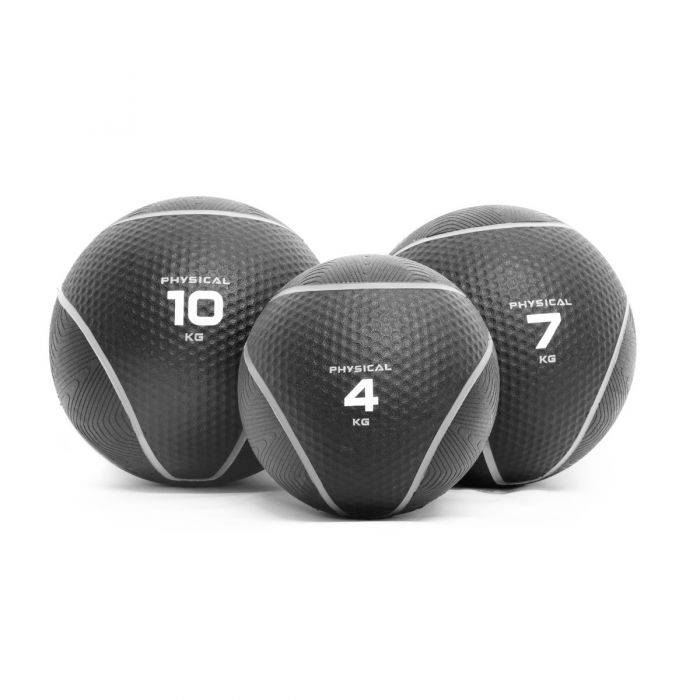
Single-sided racks hold 5 balls, double-sided racks accommodate 10 balls. Vertical storage maximizes floor space efficiency—compact 56-64cm depth footprint. Wide-base designs with rubber feet provide stability and floor protection. Matte black powder-coated finishes resist scratches and maintain professional appearance. Compatible with medicine balls, slam balls, and wall balls up to 10.5" diameter.
-
Gym Ball (Swiss Ball) Racks
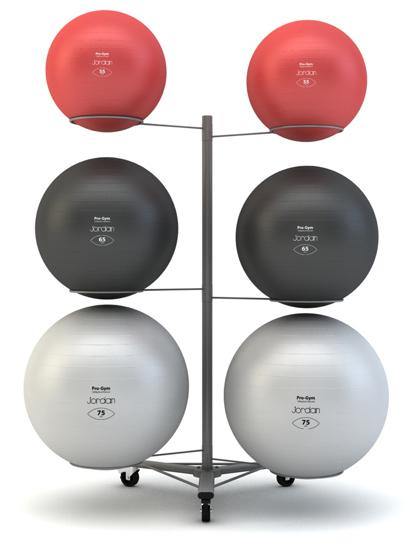
Heavy-duty steel construction holds 3-6 stability balls in vertical configurations. Space-saving designs optimize floor space with compact footprints. Powder-coated finishes in silver, graphite grey, and matte black. Multi-adjustable positions accommodate different ball sizes (55cm, 65cm, 75cm). Optional caster wheels on 6-ball models enable portability.
-
Modular Multi-Use Storage Systems
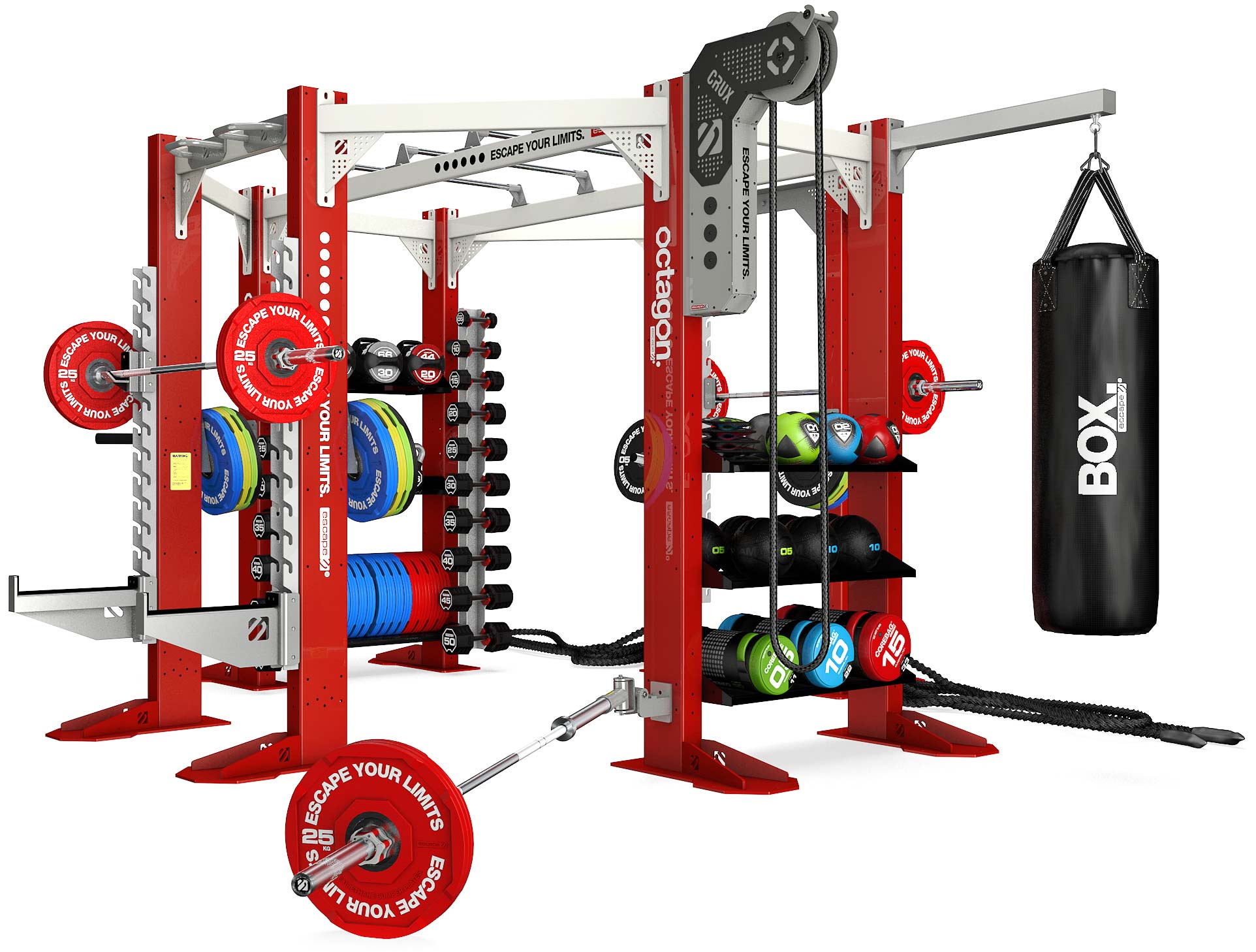
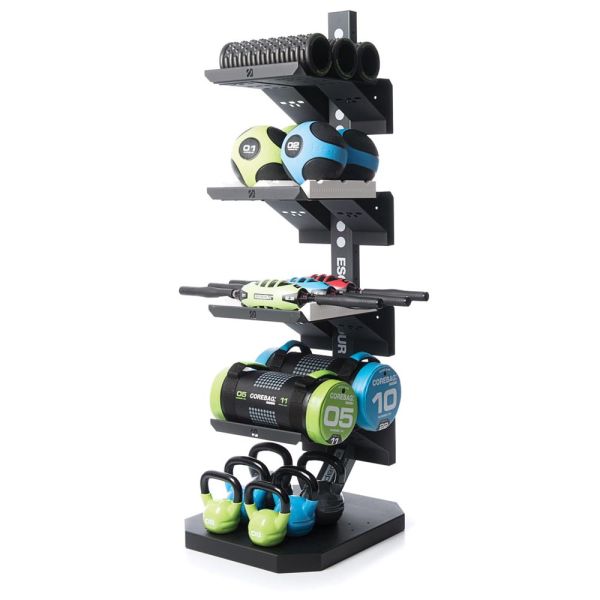
Customizable rack systems with interchangeable shelves for balls, kettlebells, dumbbells, plates, and accessories. 1.5-2m height options with 16mm holes spaced 35mm apart for infinite configuration possibilities. Maximum load capacities up to 1000kg. Extend racks as long as required—even around corners. 75×75×3mm box steel uprights provide commercial-grade strength.
-
Corner Storage Solutions
Octagon corner racks transform dead space into functional storage. Two-tier ultra-low (760mm height) or four-tier low-level (1477mm height) configurations. Each shelf holds 4 slam balls, 4 competition kettlebells, or 2 large training balls. Angled design provides easy equipment retrieval. Maximizes space utilization in compact facilities.
-
Stability Ball Stacker Rings
Foam rings prevent balls from rolling during group classes and enable vertical stacking for storage. Compatible with 42-75cm diameter balls. Inner diameter 16.5cm, outer diameter 21cm. Single-ball capacity per ring—stack multiple rings for vertical storage tower. Budget-friendly solution for studios with limited floor space.
-
Premium Multi-Tier Accessory Racks
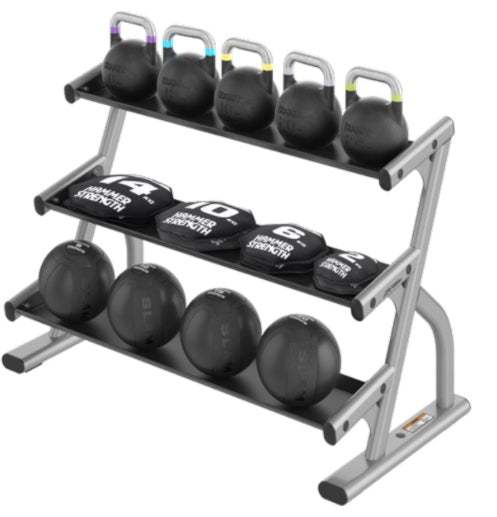
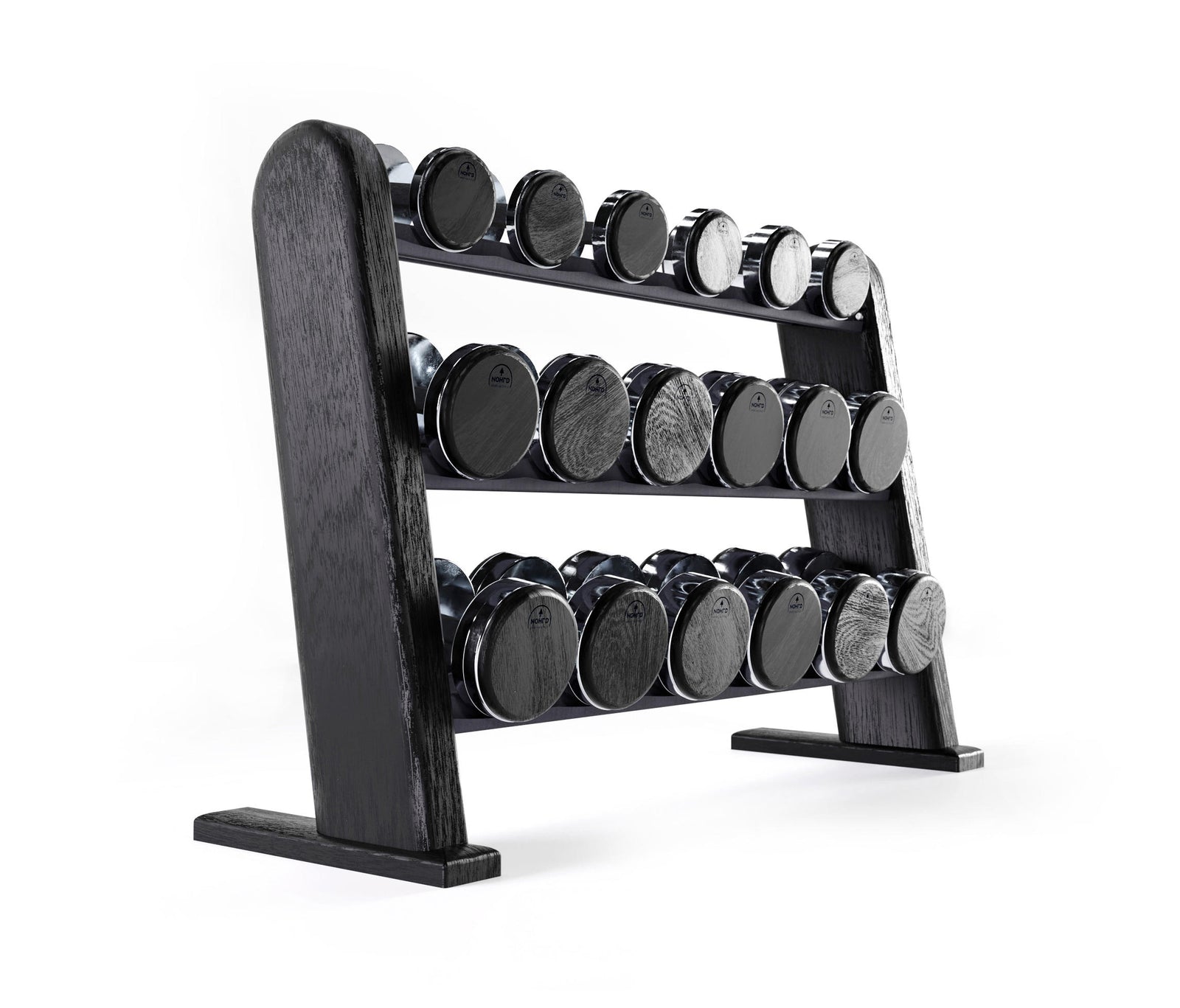
Three-tier flat tray systems house kettlebells, slam balls, wall balls, and accessories. Front and back angles keep equipment securely in place. Small footprints (137cm depth) ideal for compact training spaces. Maximum capacity 368kg total (120kg per tier). Rubber feet protect flooring and maintain firm positioning.
Commercial-Grade Construction
Carbon steel frames with powder-coated finishes resist scratches and corrosion. 80×40mm box sections and 1.8-10mm steel gauge provide exceptional strength. Rubber feet and plastic bumpers protect floors and equipment. 1-3 year commercial warranties covering manufacturing defects.
Benefits of Ball Storage Rack Solutions
-
For Space Optimization
Vertical storage solutions reclaim valuable floor space in crowded facilities. Single-sided medicine ball racks occupy just 56-64cm depth while storing 5 balls. Corner racks transform unused areas into functional storage. Modular systems consolidate scattered equipment into organized zones.
-
For Safety & Organization
Designated storage prevents balls from rolling across floors—eliminating trip hazards during busy class transitions. Easy weight identification with vertical arrangement allows quick equipment selection. Organized storage extends equipment lifespan by preventing damage from improper storage.
-
For Workflow Efficiency
Quick-access designs keep workouts flowing smoothly without searching for equipment. Dual-sided racks provide access from multiple angles during group classes. Modular systems create dedicated zones for different training modalities—functional area, strength zone, accessory station.
-
For Professional Aesthetics
Powder-coated finishes in matte black, graphite grey, and silver complement premium facility design. Organized equipment displays project professionalism and attention to detail. Custom powder coating options match brand colours for cohesive gym aesthetics.
-
For Equipment Protection
Proper storage prevents balls from deforming when stacked improperly on floors. Rubber feet and plastic bumpers protect both equipment and flooring from scratches and damage. Angled shelves and secure positioning prevent equipment from falling.
-
For Scalability
Modular systems expand as equipment collections grow—add shelves and uprights without replacing entire racks. Start with single-sided 5-ball racks and upgrade to double-sided 10-ball models. Corner racks add capacity without consuming additional floor space.
-
For Member Experience
Organized, accessible equipment encourages members to incorporate varied training tools into workouts. Clear weight identification reduces intimidation for beginners. Professional storage solutions enhance perceived facility value and member satisfaction.
Buying Tips for Ball Storage Racks & Solutions
Choosing Medicine & Slam Ball Racks
-
Single-Sided vs. Double-Sided
Single-sided (5 balls): Compact footprint (56-64cm depth), ideal for wall placement, budget-friendly, sufficient for boutique studios and home gyms.
Double-sided (10 balls): Dual access from both sides, higher capacity for busy facilities, freestanding placement, better for high-volume commercial gyms.
-
Capacity Planning
Calculate based on class size and weight variety. Typical distribution for 10-ball rack: 2× 3kg, 2× 5kg, 2× 7kg, 2× 9kg, 2× 11kg. Ensures adequate weight options for mixed-ability groups. Add 20% capacity buffer for equipment rotation and maintenance.
-
Dimensions & Footprint
Single-sided: H160cm × L56-64cm × D36-56cm (compact wall placement).
Double-sided: H147-160cm × L107cm × D56cm (freestanding, dual access).
Measure available space including clearance for equipment retrieval (add 30cm around rack).
-
Ball Compatibility
Most racks accommodate balls up to 10.5" (26.7cm) diameter. Verify compatibility with your specific ball sizes—oversized wall balls may require specialized racks. Slam balls, medicine balls, and wall balls typically share compatible dimensions.
Selecting Gym Ball Racks
-
3-Ball vs. 6-Ball Capacity
3-ball racks: Compact footprint, ideal for boutique studios, PT spaces, home gyms. Dimensions approximately H153cm × L76.5cm × D76.5cm.
6-ball racks: Commercial solution for group fitness studios, includes caster wheels for portability. Dimensions approximately H181cm × L93cm × D93cm.
-
Adjustability Features
Multi-adjustable positions accommodate different ball sizes (55cm, 65cm, 75cm) on same rack. Ensures proper fit and prevents balls from falling. Look for racks with height-adjustable tiers.
-
Portability Considerations
Caster wheels (6-ball models): Enable repositioning for class setup and floor cleaning. Lockable wheels prevent unwanted movement.
Fixed racks (3-ball models): More stable, suitable for permanent placement against walls.
Understanding Modular Storage Systems
-
Upright Height Options
800mm: Low-profile for under-window placement or compact spaces.
1200mm: Medium height balancing capacity and accessibility.
1800mm: Full-height maximizing vertical storage potential.
2000mm: Maximum capacity for high-ceiling facilities.
-
Shelf Type Selection
Ball shelves: 165-230mm bar spacing for medicine balls, slam balls, wall balls, swiss balls, bumper plates.
Kettlebell shelves: Accommodate various kettlebell sizes and styles (cast iron, competition, vinyl).
Dumbbell shelves: Store hex and round dumbbells in rubber or urethane, plus sandbags.
Rope hanging shelves: Top-mounted for battle ropes and resistance bands.
Custom shelves: Fabricated to specific requirements for unique equipment.
-
Load Capacity Planning
Maximum rack capacity: 1000kg total load.
Per-shelf maximum: 25-270kg depending on design.
Loading protocol: Heaviest items at bottom for stability and safety.
Calculate total equipment weight before purchase to ensure adequate capacity.
-
Configuration Flexibility
16mm holes spaced 35mm apart enable infinite shelf positioning. Adjust shelf heights as equipment collection evolves. Add uprights to extend rack length—systems can wrap around corners for L-shaped configurations.
Corner Rack Optimisation
-
Ultra-Low vs. Low-Level
Ultra-low (2-tier, H76cm): Easy retrieval, suitable for heavy equipment, minimal bending required. Weight 44.2kg.
Low-level (4-tier, H147.7cm): Doubles storage capacity, maximizes vertical space, requires reaching for upper tiers. Weight 95kg.
-
Corner Space Requirements
Dimensions: W55.6cm × L177.8cm × H76-147.7cm depending on model.
Angled design fits standard 90-degree corners. Measure corner space including wall clearance for equipment overhang.
-
Capacity Per Shelf
4 slam balls, 4 competition kettlebells, or 2 large training balls per shelf. Plan equipment distribution across tiers—heavier items on lower shelves for stability.
Material & Finish Considerations
-
Steel Gauge & Box Sections
1.8mm steel gauge: Standard commercial-grade thickness.
3mm steel gauge: Heavy-duty for maximum load applications.
75×75×3mm uprights: Premium strength for modular systems.
80×40mm box sections: Standard for medicine ball racks.
-
Powder Coating Benefits
Scratch-resistant finish maintains appearance in high-traffic environments. Corrosion protection for longevity. Available colours: matte black, graphite grey, silver, platinum. Custom powder coating matches brand colours (additional cost).
-
Protective Features
Rubber feet: Protect flooring from scratches, prevent rack sliding, reduce noise.
Plastic bumpers/guards: Cushion equipment contact points, extend equipment lifespan.
Angled shelves: Prevent equipment from rolling off during storage.
Frequently Asked Questions - Ball Storage Racks Solutions
How much floor space do I need for a ball storage rack?
Single-sided medicine ball rack: 56-64cm depth × 36-56cm width, plus 30cm clearance for equipment retrieval. Double-sided rack: 107cm width × 56cm depth, plus 30cm clearance on both sides. Gym ball racks (3-ball): 76.5cm × 76.5cm footprint. Gym ball racks (6-ball): 93cm × 93cm footprint. Always measure available space including clearance before purchase.
Can I store different types of balls on the same rack?
Yes, medicine ball racks accommodate medicine balls, slam balls, and wall balls up to 10.5" diameter. Gym ball racks hold stability balls from 55-75cm with multi-adjustable positions. Modular systems with ball shelves store various ball types simultaneously. Verify ball diameter compatibility before purchase.
How many medicine balls do I need for group fitness classes?
Calculate one ball per participant plus 2-3 spares. A 20-person class requires 22-23 balls across weight ranges. Typical distribution for 10-ball rack: 2× 3kg, 2× 5kg, 2× 7kg, 2× 9kg, 2× 11kg. For larger classes, use multiple racks or upgrade to modular systems with higher capacity.
Are modular storage systems worth the investment?
For facilities with diverse equipment collections, modular systems provide great value. Initial cost is higher, but infinite configurability accommodates growing equipment inventories without replacing racks. Ability to extend length and customize shelf types makes them ideal for commercial gyms planning long-term growth. Home gyms and boutique studios may find dedicated ball racks more cost-effective.
What's the maximum weight capacity for ball storage racks?
Single/double-sided medicine ball racks: 100-150kg total capacity. Gym ball racks: Varies by model, typically 50-100kg. Modular systems: Up to 1000kg total, with 25-270kg per shelf depending on design. Always load heaviest items at bottom for stability. Verify capacity matches your equipment weight before purchase.
Do I need caster wheels on my gym ball rack?
Caster wheels (available on 6-ball models) enable easy repositioning for class setup, floor cleaning, and space reconfiguration. Essential for studios running multiple class types requiring equipment rearrangement. Fixed racks (3-ball models) provide more stability for permanent placement. Choose based on whether you need portability or maximum stability.
How do corner storage racks compare to standard vertical racks?
Corner racks transform unused corner space into functional storage without consuming additional floor area. They're ideal for facilities with limited floor space but available corners. Standard vertical racks offer easier access and simpler equipment retrieval. Corner racks work best as supplementary storage; use vertical racks for primary, high-traffic equipment.
Can I customize modular storage systems for specific equipment?
Yes, modular systems offer customisable shelving for balls, kettlebells, dumbbells, plates, ropes, and accessories. Many manufacturers provide custom shelf fabrication for unique equipment requirements. 16mm holes spaced 35mm apart enable infinite shelf positioning. Consult with suppliers about custom configurations before ordering.
Are stability ball stacker rings effective for storage?
Stacker rings are budget-friendly solutions for preventing balls from rolling during classes and enabling vertical stacking for storage. They're ideal for studios with limited budgets or temporary storage needs. However, dedicated ball racks provide superior organization, easier access, and more professional appearance. Use stacker rings as supplementary storage or budget alternative.













![JORDAN® HELIX Multi Gym Storage Rack [LTR]](http://trainingstation.co.uk/cdn/shop/files/jordan-helix-multi-storage-rack-shown-with-equipment_1200x.webp?v=1736085558)
![JORDAN® HELIX Multi Gym Storage Rack [LTR]](http://trainingstation.co.uk/cdn/shop/files/jordan-helix-multi-storage-rack-front_1200x.webp?v=1736085558)
![JORDAN® HELIX Multi Gym Storage Rack [LTR]](http://trainingstation.co.uk/cdn/shop/files/jordan-helix-multi-storage-rack-opposite-side_1200x.webp?v=1736085558)
![JORDAN® HELIX Multi Gym Storage Rack [LTR]](http://trainingstation.co.uk/cdn/shop/files/jordan-helix-multi-storage-rack-side_1200x.webp?v=1736085367)
![JORDAN® HELIX Multi Gym Storage Rack [LTR]](http://trainingstation.co.uk/cdn/shop/files/jordan-helix-multi-storage-rack-front_1600x.webp?v=1736085558)
![JORDAN® HELIX Multi Gym Storage Rack [LTR]](http://trainingstation.co.uk/cdn/shop/files/jordan-helix-multi-storage-rack-front_2000x.webp?v=1736085558)