Nationwide Sales & Service - 01536 802333

Our Range
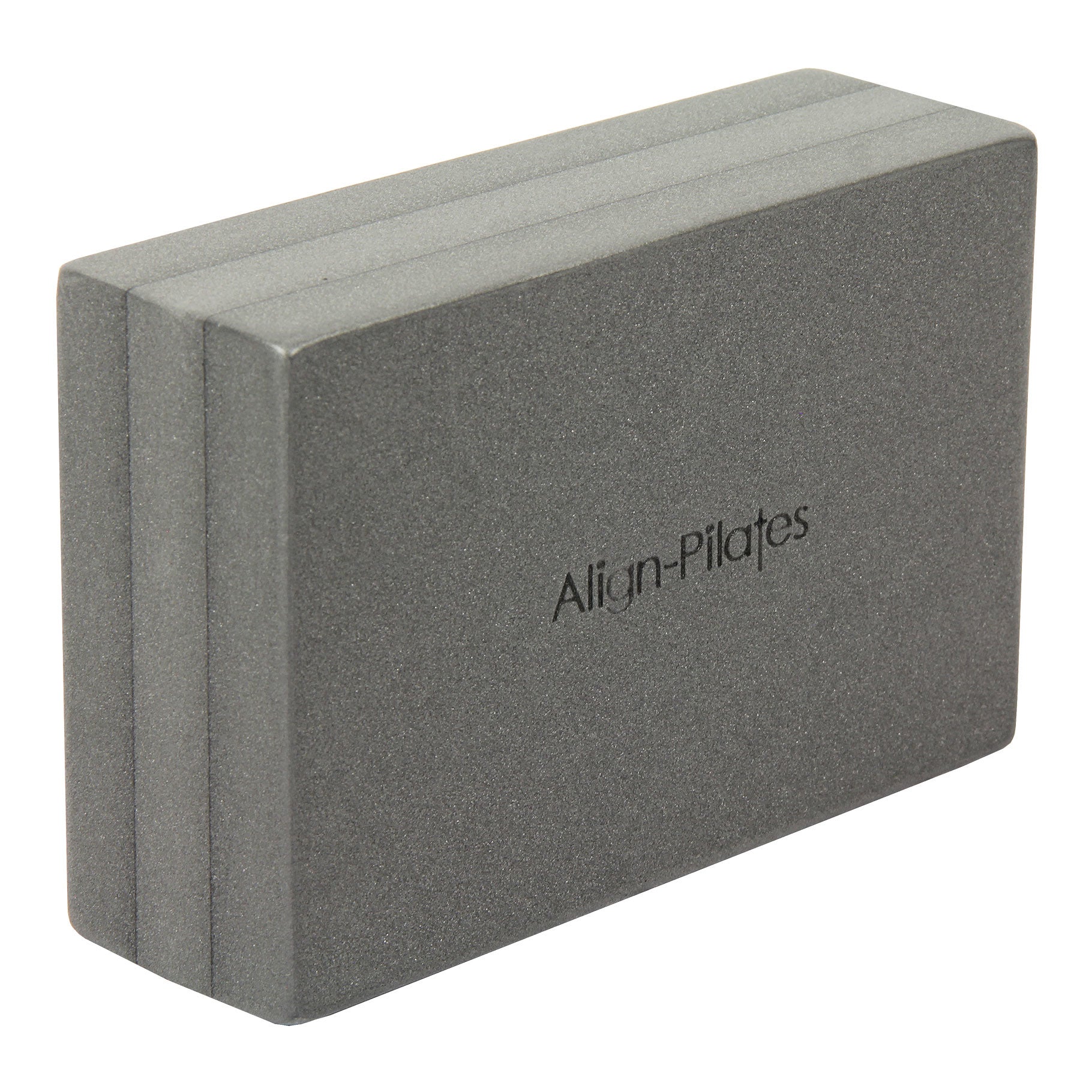
Enhance your yoga and Pilates practice with our premium selection of yoga blocks and yoga wedges from trusted brands including Yoga Mad, Fitness Mad, NOHrD, Jordan, and AIREX. Whether you're a beginner seeking support or an advanced practitioner deepening your poses, our collection offers the perfect prop to elevate your practice.

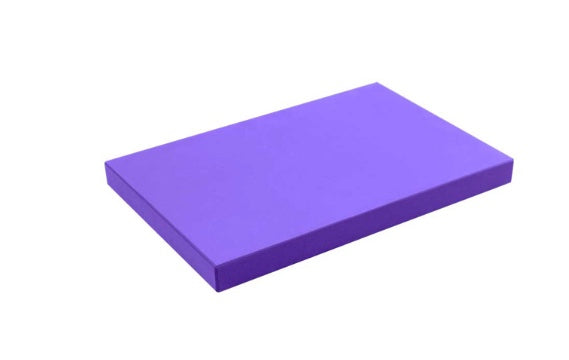
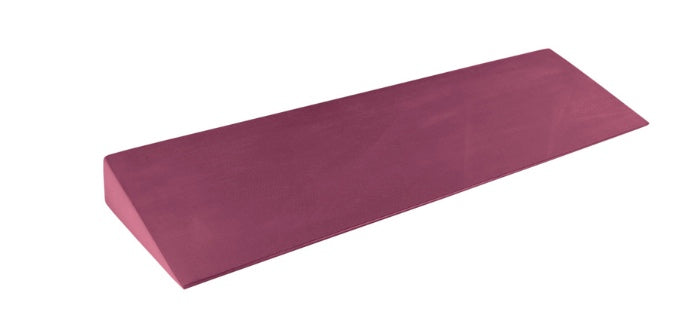
Viewing 15 out of 21 products
Load More1) EVA Foam
2) Recycled Chip Foam
3) Cork
4) Bamboo
5) EPP (Expanded Polypropylene)
6) Wood (Alder)
What's the difference between a yoga block and a yoga brick?
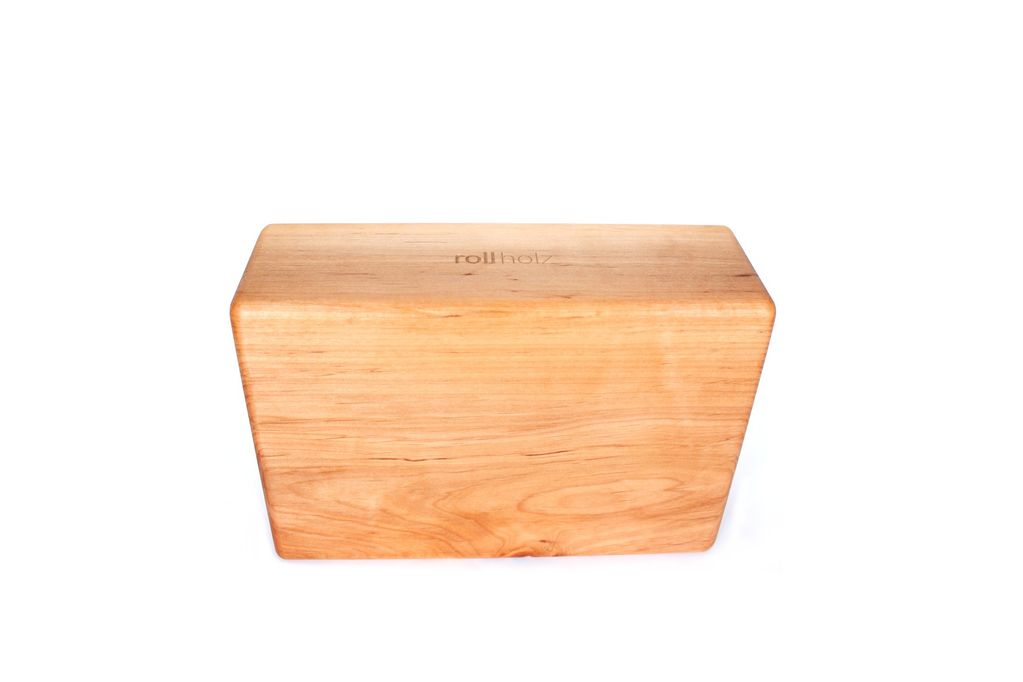
The terms are often used interchangeably, but traditionally bricks are slightly smaller and firmer (like our hi-density EVA bricks at 22.8cm x 10cm x 7.5cm), while blocks are larger (30.5cm x 20.5cm x 5cm). Both serve the same purpose of providing support and height in poses.
How many yoga blocks do I need?
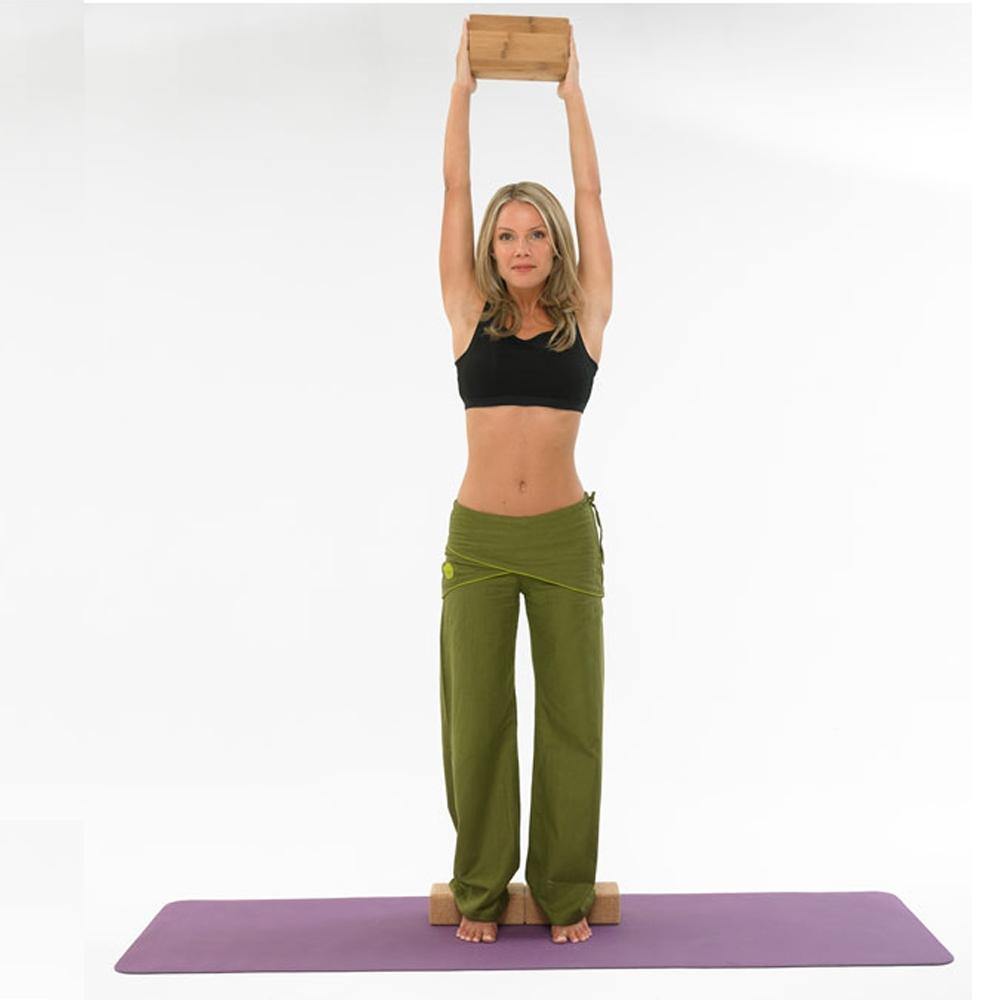
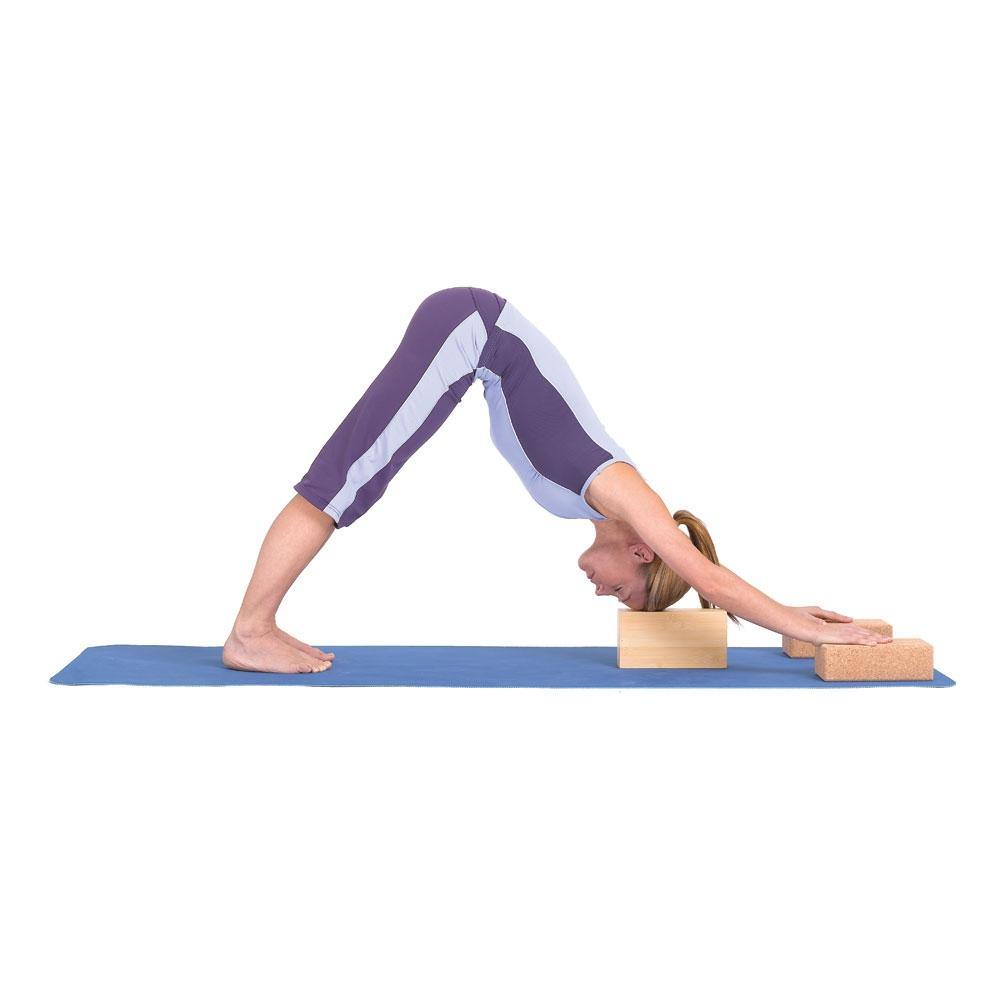
Most practitioners use two blocks, which allows for symmetrical support in poses like Downward Dog, Triangle, or seated postures. However, one block is sufficient for many uses. Studios typically stock blocks in pairs.
What's the best material for beginners?
EVA foam blocks are ideal for beginners. They're affordable, durable, lightweight, easy to clean, and provide firm support. The Fitness Mad EPP blocks are also excellent for their superior durability.
Are cork blocks better than foam?
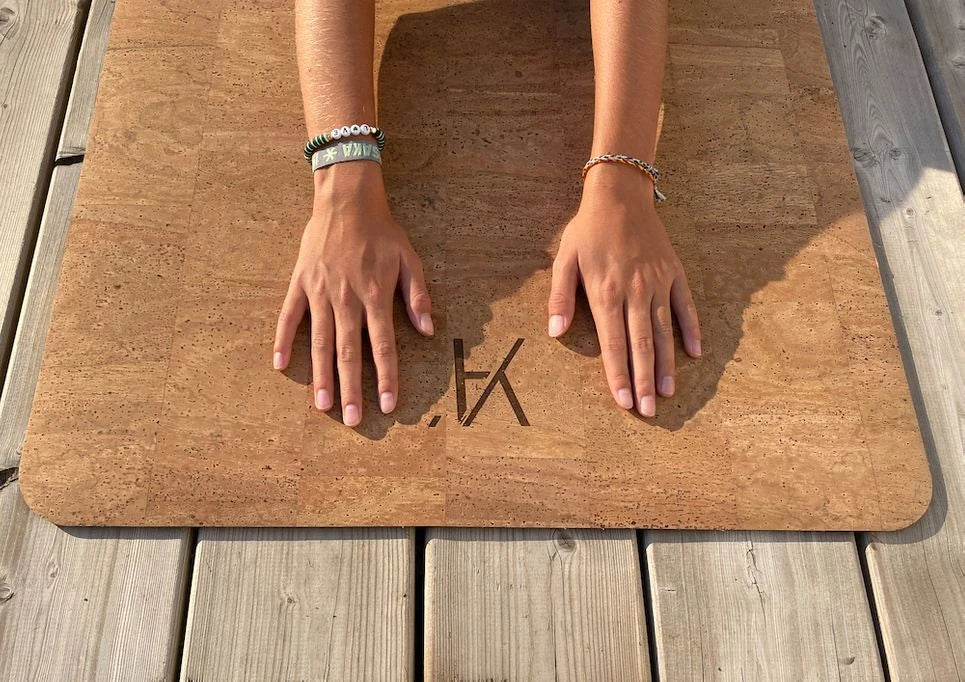
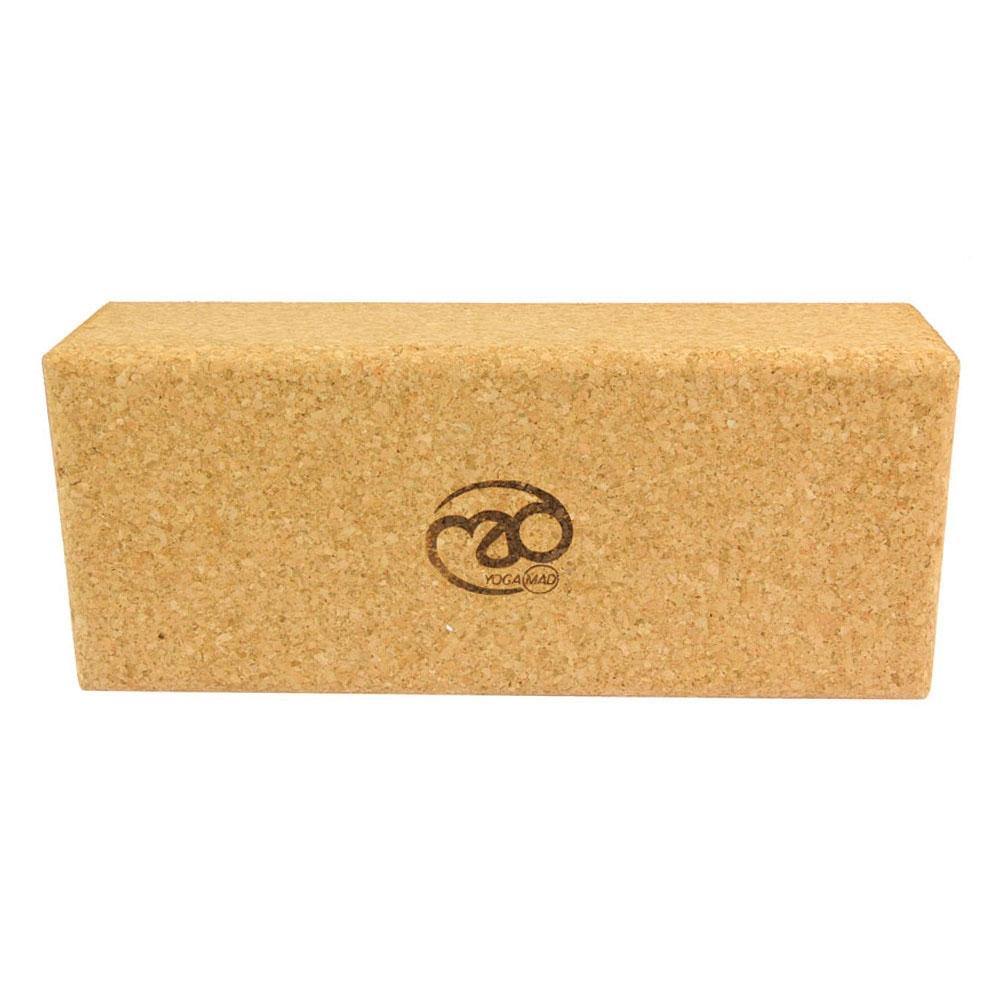
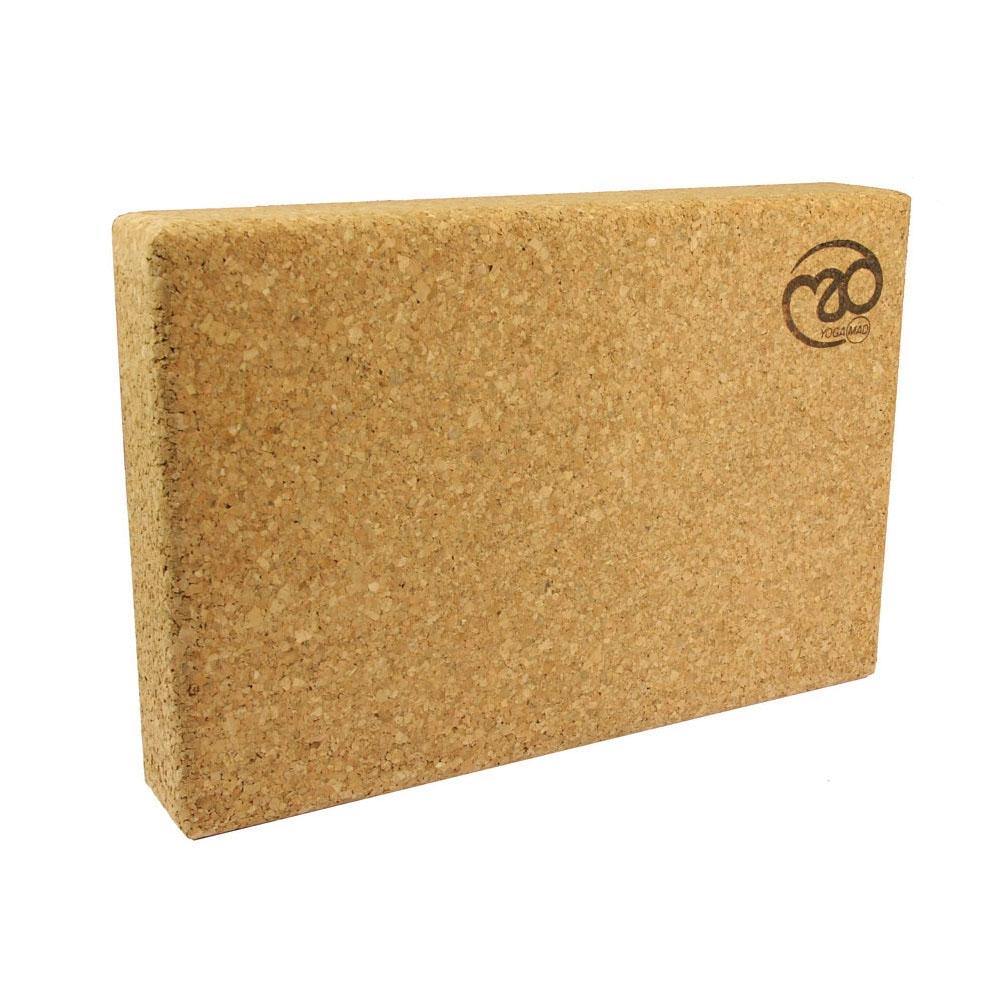
It depends on your priorities. Cork blocks are eco-friendly, naturally grippy, warm to touch, and won't damage floors, making them excellent for hot yoga and sustainable practice. Foam blocks are lighter, more affordable, and easier to maintain. Both provide excellent support.
What are yoga wedges used for?
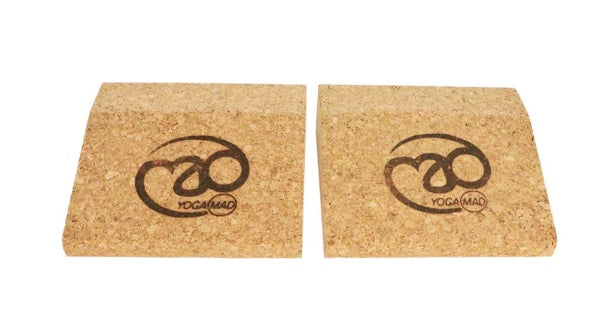
Yoga wedges are angled props primarily used to prevent wrist hyperextension in poses like Downward Dog, Upward Dog, Plank, and Full Wheel. They elevate the palms, reducing pressure on the wrists. They can also be placed under heels in Down Dog or squats if you have tight calves.
Can I use yoga blocks for Pilates?
Absolutely! Yoga blocks are versatile props suitable for Pilates, stretching routines, and general fitness. They provide elevation, support, and can enhance balance exercises across multiple disciplines.
What's the difference between chip foam and EVA foam blocks?
Chip foam blocks are made from recycled materials and have a softer, squishier feel—ideal for restorative practices where you want cushioned support. EVA foam blocks are denser and firmer, providing more solid support without compressing. EVA is better for active poses; chip foam is better for gentle, supported poses.
How do I clean my yoga blocks?
EVA/EPP foam: Wipe clean with a damp cloth and mild soap. Air dry.
Cork: Wipe with damp cloth. Avoid soaking. Air dry away from direct heat.
Bamboo/Wood: Wipe with slightly damp cloth. Do not soak. Occasionally treat with linseed oil.
Chip foam: Spot clean with damp cloth. Avoid excessive moisture.
Will foam blocks lose their shape over time?
High-quality EVA foam blocks and EPP blocks are designed to maintain their shape even with regular use. Our EVA blocks have a density of 42kg/cbm, ensuring they won't distort under body weight. Chip foam blocks are softer and may compress slightly over time, which is normal for their material type.
What size block should I choose?
Standard blocks (22.8cm x 15cm x 7.6-10cm) are the most versatile and suit most practitioners. If you need extra height for standing poses or have limited flexibility, consider full blocks (30.5cm x 20.5cm) or the extra high cork brick. For fine-tuning or travel, half blocks are perfect.
Are these blocks suitable for commercial studio use?
Yes! All blocks are rated for both home and commercial use with 12-month warranties. For intensive studio use, we particularly recommend EPP blocks for their exceptional durability, or EVA foam blocks for reliable, low-maintenance performance.
Can I use blocks if I'm quite flexible?
Definitely, Even advanced practitioners use blocks to deepen stretches, add height in arm balances, provide cushioning in inversions, support the head in restorative poses, and explore advanced variations. Blocks aren't just for beginners—they're tools for progression at every level.
What's a bolster and how is it different from a block?
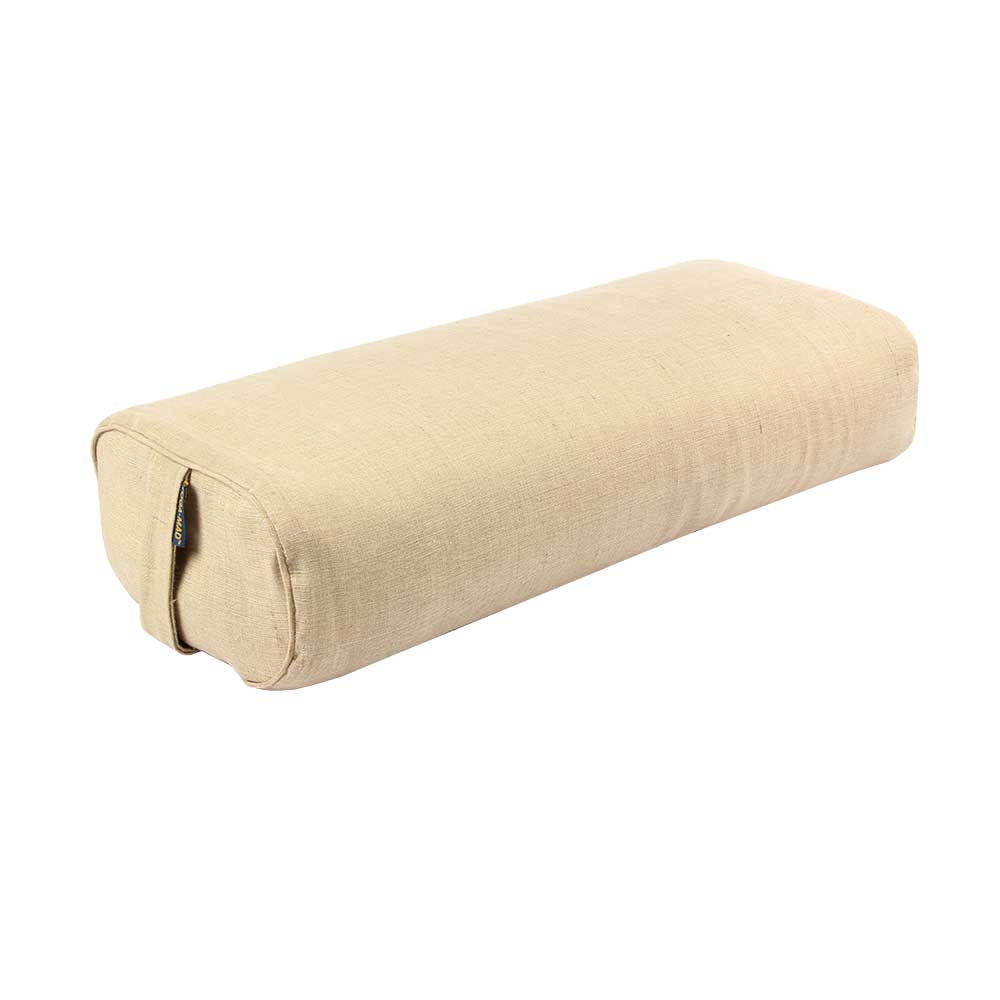
Bolsters are larger, cylindrical or rectangular cushions filled with buckwheat or other materials. They provide softer, more extensive support for restorative poses, meditation, and relaxation. Blocks are firmer and used for targeted support and height in active poses. Many practitioners use both.
Do blocks come in pairs or individually?
Most blocks are sold individually (except mini cork wedges which come as a pair). This allows you to purchase exactly the number you need. Most practitioners buy two for symmetrical support.