Nationwide Sales & Service - 01536 802333

Our Range
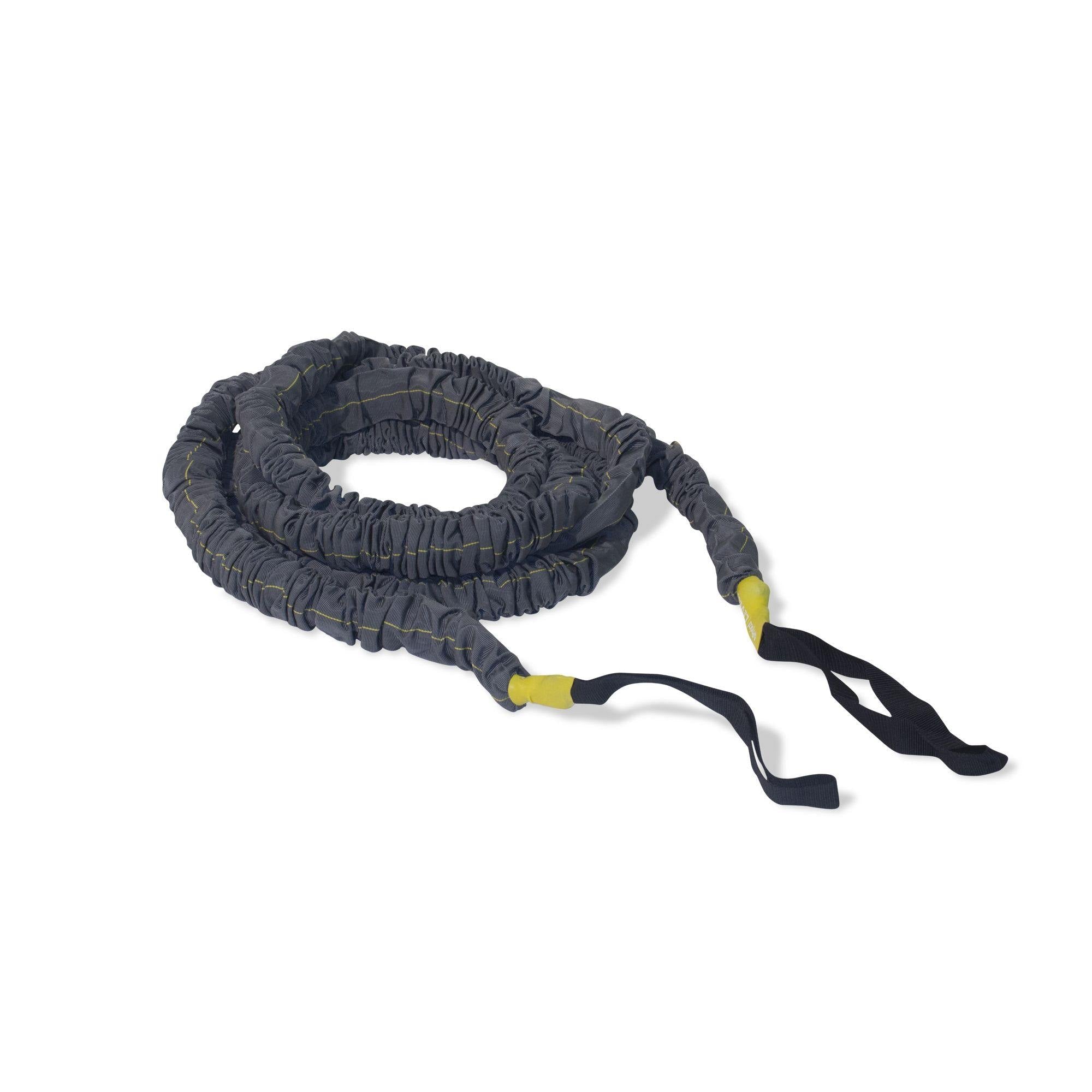
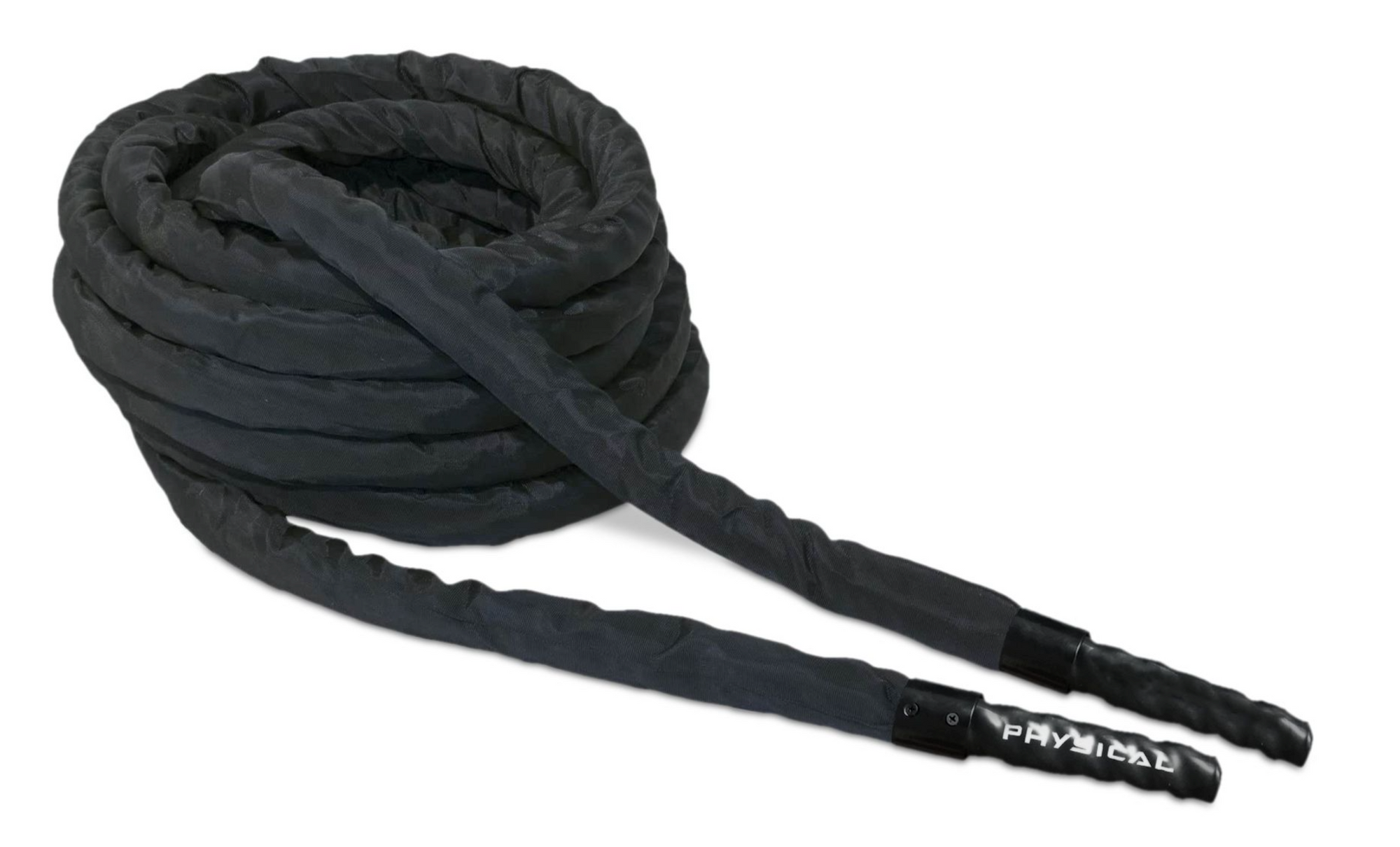
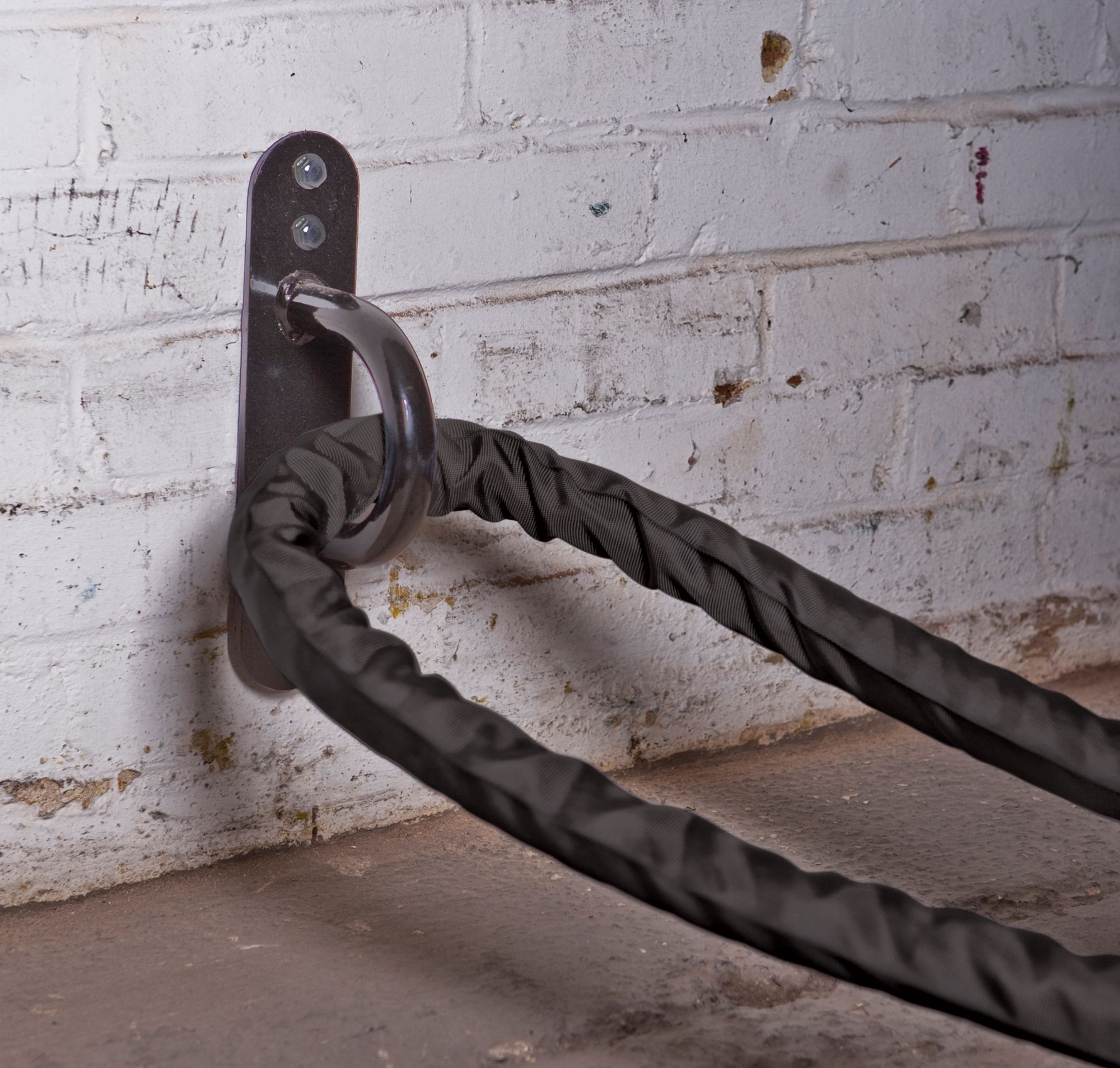
Popular for a great workout, a Battle Rope can be 10 or 15m in length, generally 38mm. You can attach your Battle Ropes with an anchor or Battling Ropes can be connected to rigs or a solid item, ideal for CrossFit Facilities or Garage Gyms, if your not sure about them, read our tips to using battle ropes.
So explore our range of durable & quality battle ropes for use at home or in a commercial gym, from the leading brands such as Jordan, Physical , Escape, Primal and more.
Battle ropes are a dynamic fitness tool used widely for full-body conditioning, strength, power, and cardiovascular training. Battle ropes come in different lengths and thicknesses, which directly influence their weight, workout intensity, and usability.
Length of Battle rope : Battle ropes typically range from about 9 meters (30 feet) to 15 meters (50 feet). The length of the rope impacts how fluid your rope movements will be. Longer ropes allow for smoother, more continuous waves and slams because the waves have more distance to travel before hitting the anchored end, making your motion more effective and less jerky. However, longer ropes require larger workout spaces. Short ropes are suitable for smaller spaces and beginners but may feel less fluid and bounce back quicker, which can be harder to control. For example, a 15-meter rope offers a challenging, fluid workout and is preferred for gyms or advanced users, while a 9-meter rope works well in home gyms or when space is limited.
Thickness (Diameter) of battle ropes: Common diameters are 38mm (about 1.5 inches) and 50mm (2 inches), with some ropes as thick as 63mm (2.5 inches). Thicker ropes weigh more and offer greater resistance, requiring more grip strength and muscular effort to move. This makes them ideal for short, intense strength-building workouts focusing on the upper body and grip. Conversely, thinner ropes are lighter, easier to handle, and better suited for longer cardio or endurance sessions. For instance, a 38mm rope allows for faster rope movement, supporting endurance and speed, while a 50mm rope is tougher to whip and slam, emphasizing strength.
Weight of Battle ropes: Rope weight depends on length and thickness combined. A 9-meter 38mm rope might weigh around 7 to 9 kilograms, while a 15-meter 50mm rope could weigh more than 20 kilograms. Heavier ropes demand more power and control from the user but limit workout duration due to fatigue. Lighter ropes enable longer workouts with less strain.
Choosing Battlerope Length and Thickness Based on Goals and Space:
If you have sufficient space and want a versatile rope, starting with a 15-meter 38mm rope offers a good balance of fluidity and manageability.
Ultimately, the choice depends on your available space, fitness goals (strength vs. endurance), and grip strength. Longer ropes create a more fluid rhythm and full-body workout, while thicker ropes increase resistance and muscular demand. Selecting the right combination ensures effective and enjoyable battle rope training tailored to your needs.
Battle ropes are versatile and scalable tools suitable for all fitness levels. Proper selection by length and thickness combined with varied exercises can optimize functional strength, conditioning, and metabolic health benefits.