Yoga Mats - Key Features
- Multiple Thickness Options
-
- 3mm travel mats: Ultra-lightweight (0.75kg), foldable for suitcase packing, ideal for travel and layering over studio mats.
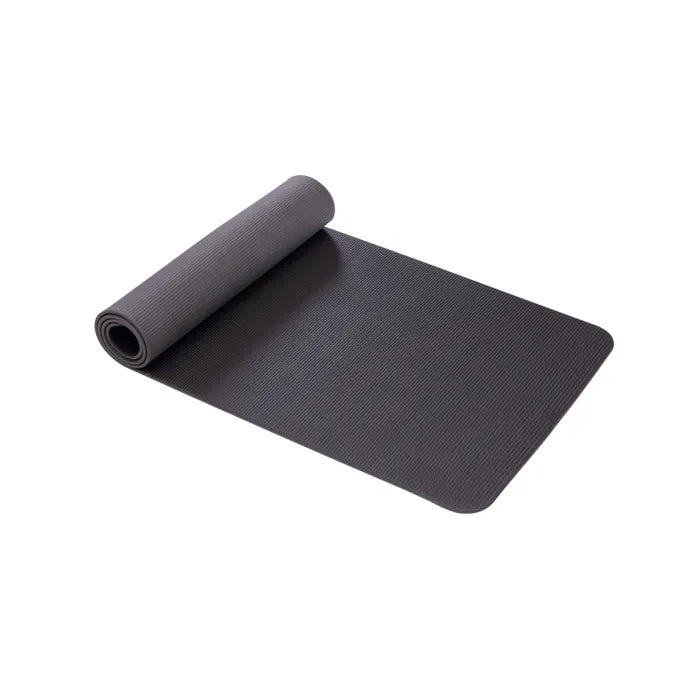
- 4-4.5mm standard mats: Most popular thickness for regular yoga practice, balances cushioning with stability for standing poses.
- 5-6mm cushioned mats: Enhanced comfort for sensitive joints, excellent for restorative and gentle yoga styles.
- 8mm performance mats: Maximum cushioning for floor-based work, superior shock absorption, ideal for Pilates crossover and therapeutic applications.
- Premium Material Construction
-
- Natural rubber: Biodegradable, sustainable latex from hand-tapped Hevea Brasiliensis trees. Superior grip, especially when wet. Eco-friendly choice.
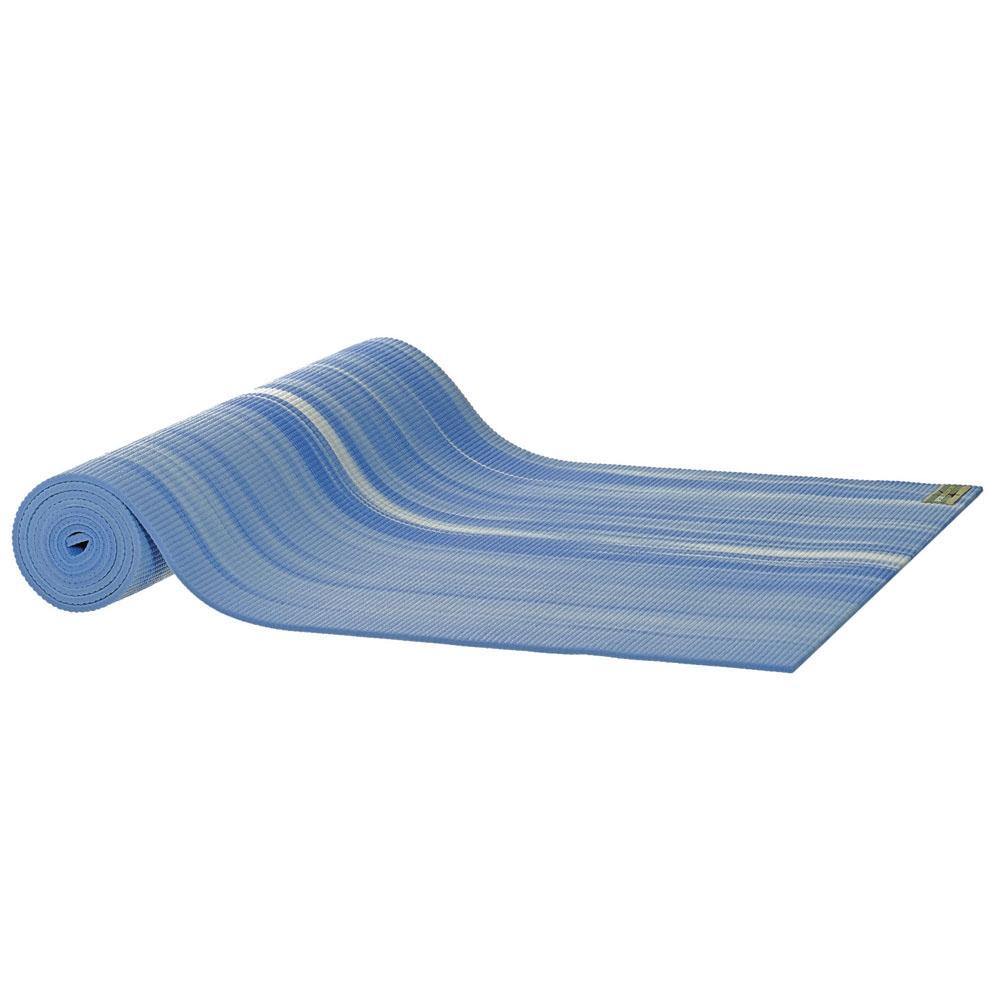
- TPE (Thermoplastic Elastomer): 100% recyclable, PVC-free, latex-free, independently stretch-resistant. Soft touch with excellent grip. Closed-cell foam prevents moisture absorption.
- PVC (Phthalate-free): High-density, durable, slip-resistant. Oeko-Tex certified free from harmful substances. Machine washable. Commercial-grade longevity.
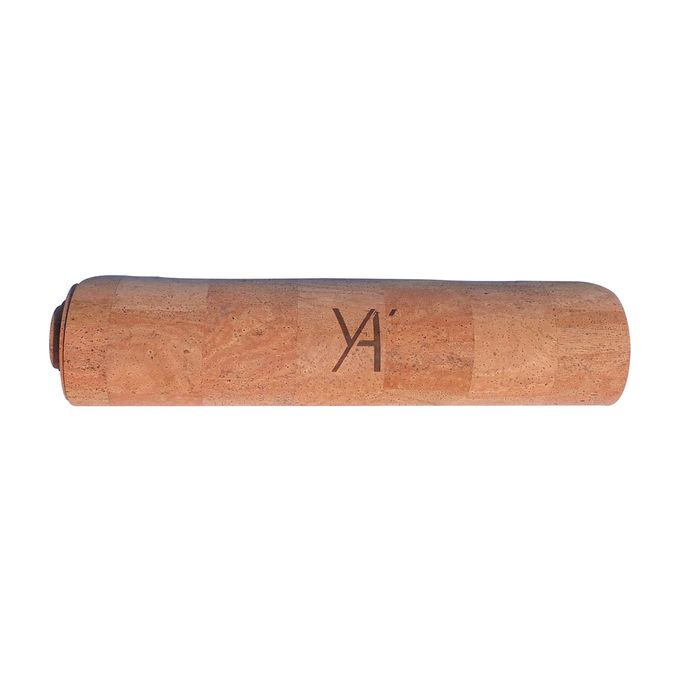
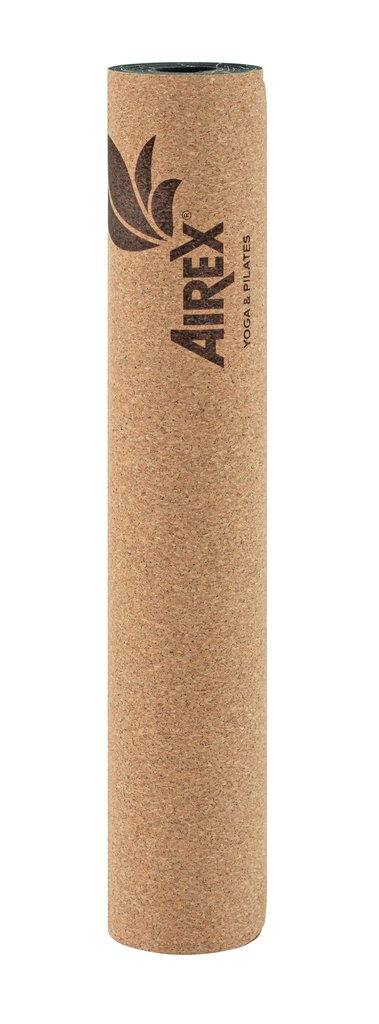
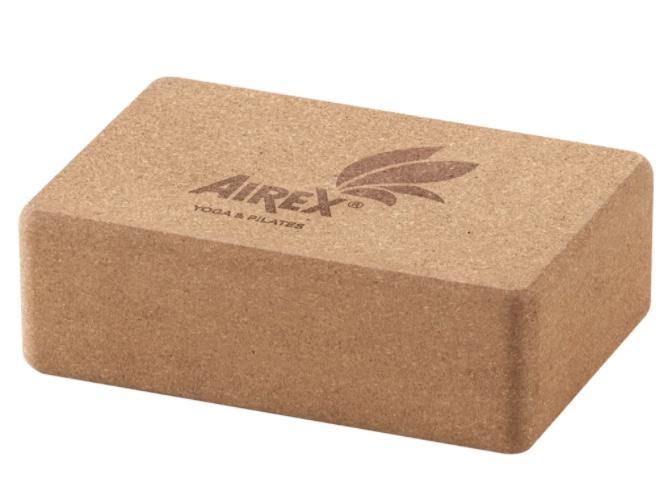
- Cork: Eco-friendly, organic, naturally antimicrobial. Improves grip when wet. Waterproof and easy to clean. Unique aesthetic.
- Cotton: 100% organic hand-woven rugs for Ashtanga and Power yoga. Grip increases with sweat. GOTS certified organic.
- Advanced Grip Technology
Textured non-slip surfaces prevent sliding during dynamic flows and inversions. Dual-sided designs with different grip levels for varied practice styles. Sticky surfaces maintain traction in hot yoga and vigorous practices. Natural rubber provides superior wet-grip performance. Cork surfaces become grippier as moisture increases.
- Alignment & Positioning Systems
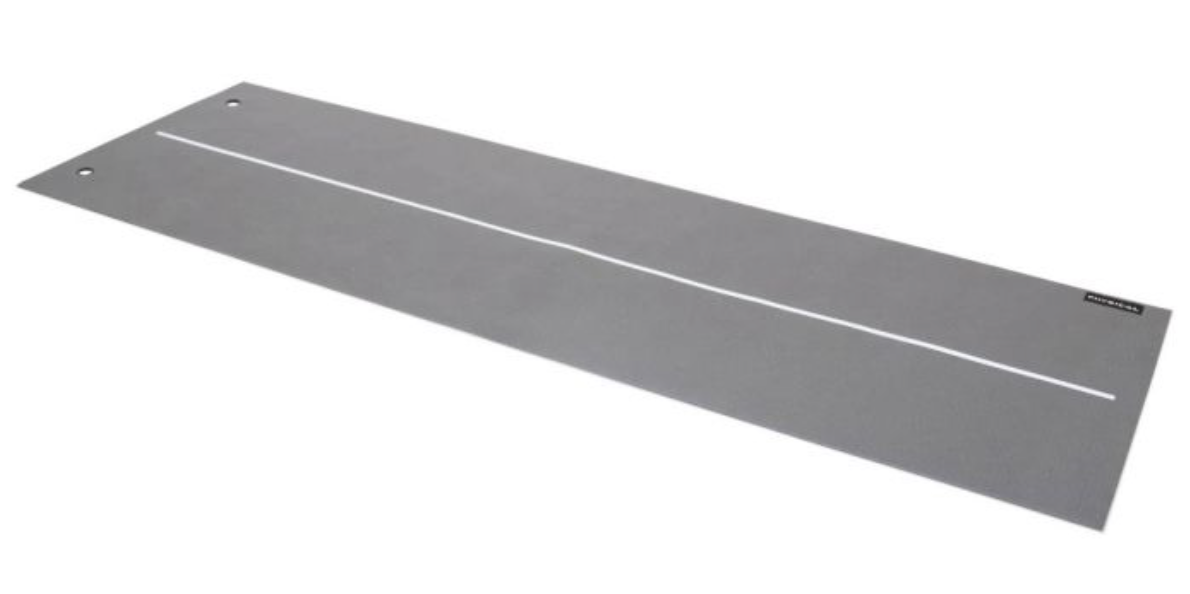
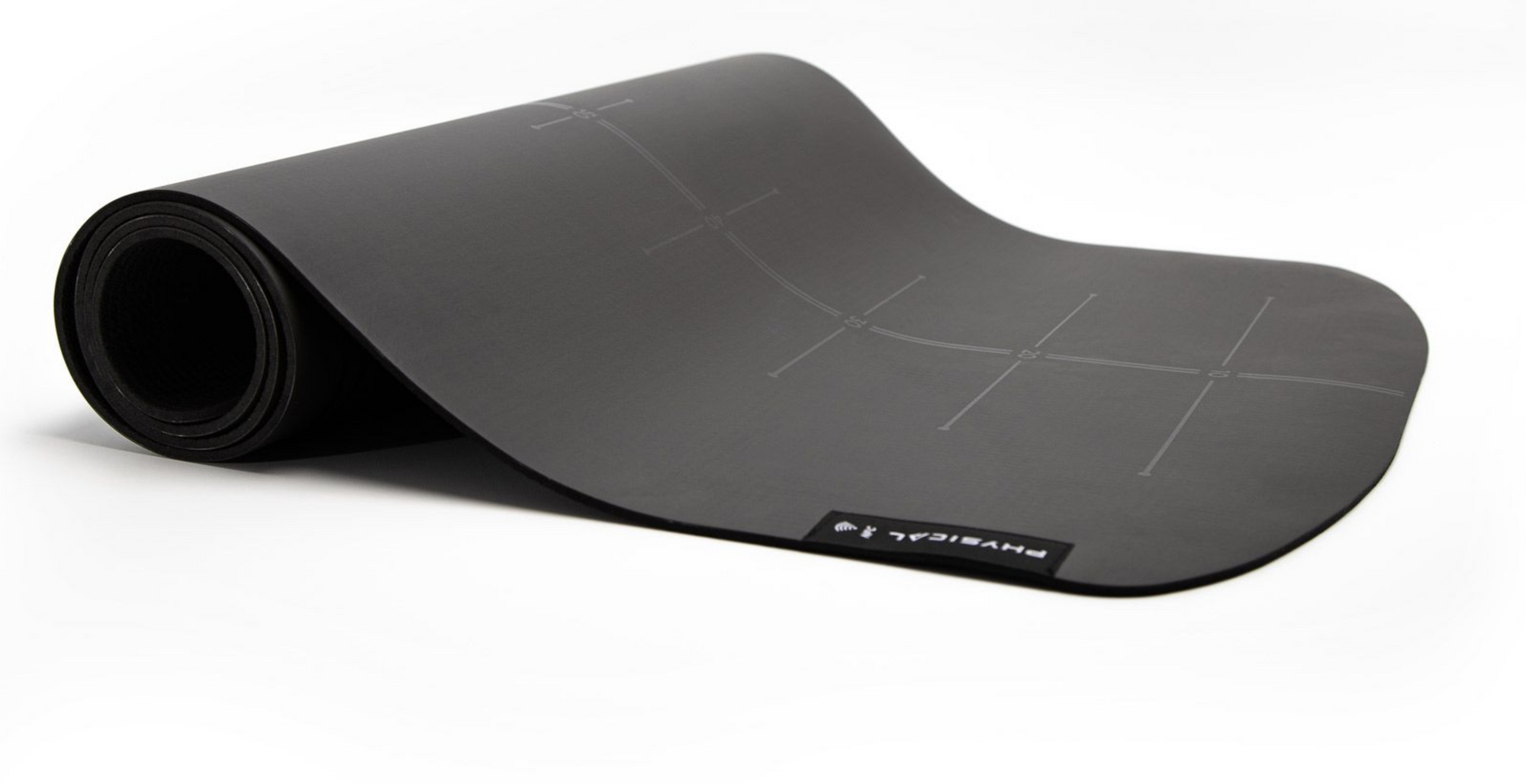
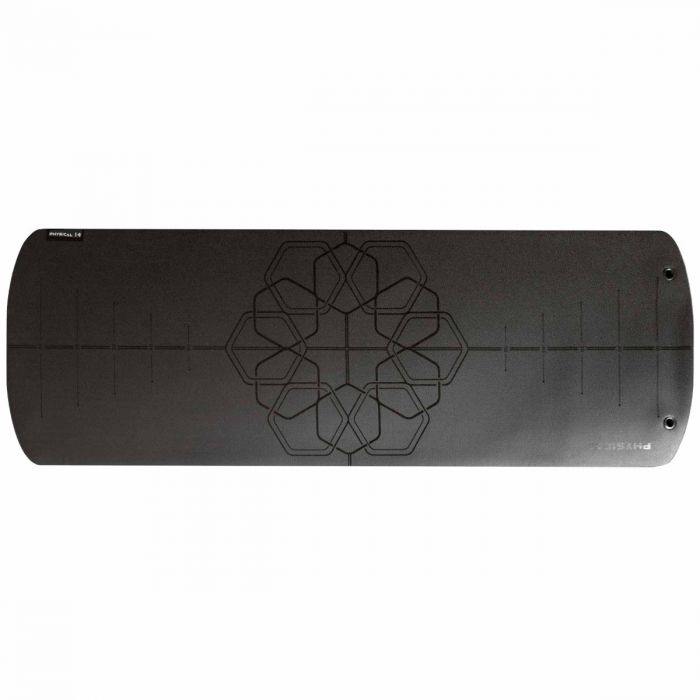
Central posture lines guide spinal alignment and symmetry throughout practice. Horizontal and diagonal alignment markers accommodate different body sizes and poses. Versatile alignment systems with multiple reference lines for varied asanas. Helps develop proper form and prevents compensatory patterns.
- Eco-Friendly & Sustainable Options
100% recyclable TPE materials reduce environmental impact. Biodegradable natural rubber breaks down naturally at end of life. Organic cotton rugs with GOTS certification. PVC-free, latex-free, phthalate-free formulations. Cork from sustainable harvesting. Tested free from harmful substances to Oeko-Tex standards.
- Portability & Storage Solutions
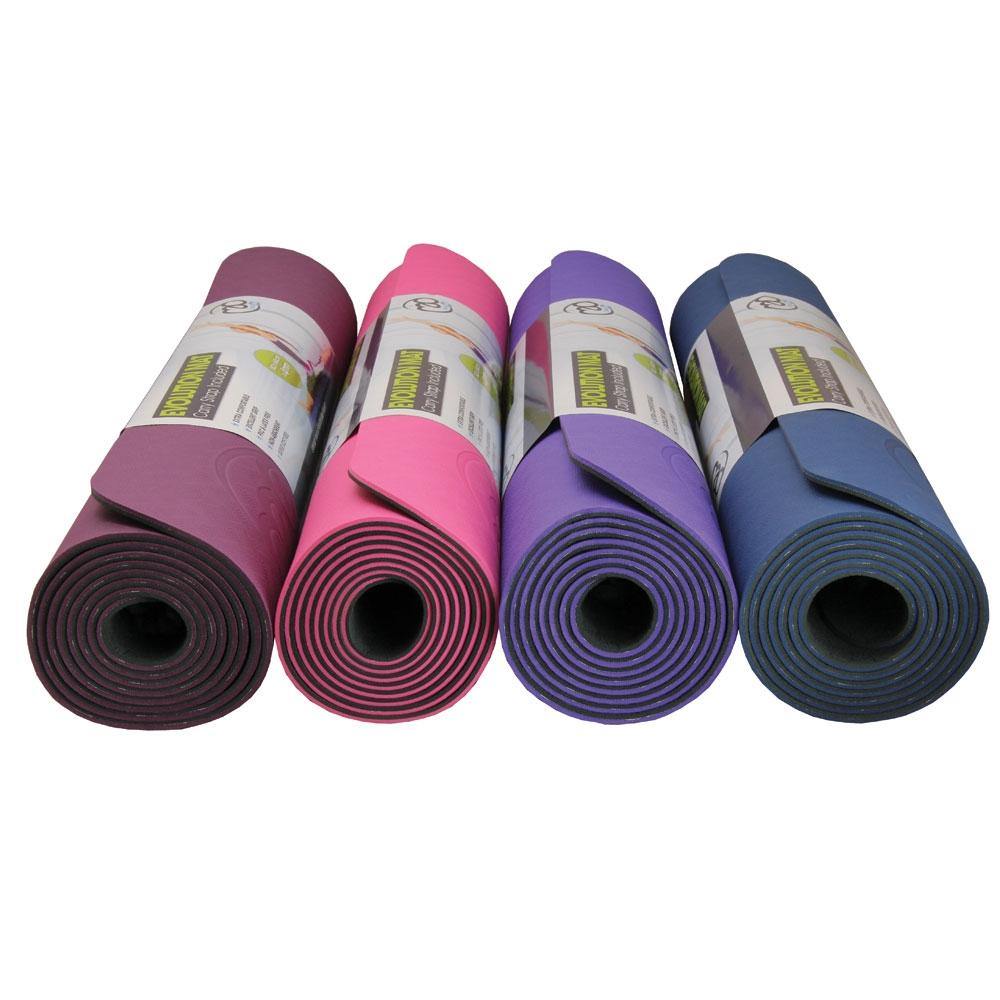
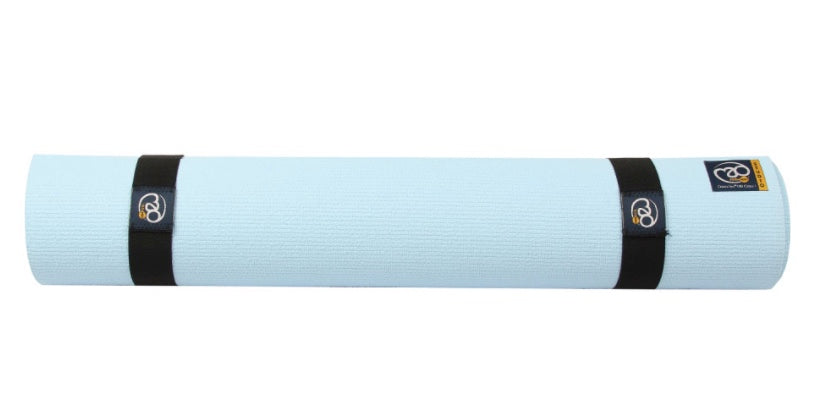
Colour-coordinated carry strings included with select models. Foldable travel mats fit in suitcases (0.75kg weight). Eyelets (40cm spacing) for wall bracket hanging. Mat bands (sold separately) keep mats neatly rolled. Lightweight designs (0.75-1.8kg) facilitate transport between home and studio.
- Hygienic & Easy Maintenance
Closed-cell foam construction prevents sweat and bacteria absorption. Machine washable options (40°C, no spin cycle) for deep cleaning. Wipe-clean surfaces with damp cloth and eco-friendly soap. Cork naturally antimicrobial and waterproof. Non-absorbent materials maintain hygiene in studio environments.
Benefits of Yoga Mats
- For Stability & Balance
Non-slip textured surfaces provide secure foundation for standing poses, inversions, and balance challenges. Adequate thickness (4-4.5mm) maintains proprioceptive feedback essential for balance work. Firm, even surfaces compensate for uneven floors. Prevents sliding during transitions and dynamic flows.
- For Joint Protection & Comfort
Cushioning reduces pressure on knees, wrists, elbows, and spine during floor-based poses. 5-8mm thickness provides enhanced comfort for sensitive joints without compromising stability. Soft, slightly resilient foam supports joints while maintaining connection to ground. Essential for restorative and therapeutic practices.
- For Proper Alignment & Form
Alignment markings guide body positioning, ensuring symmetry and proper form. Central lines help maintain spinal alignment during flows. Horizontal and diagonal markers accommodate different body proportions. Visual references improve practice quality, especially for home practitioners without instructor feedback.
- For Grip & Traction
Textured surfaces maintain grip during sweaty practices—hot yoga, Ashtanga, Power yoga. Natural rubber and cork improve grip when wet (opposite of synthetic mats). Sticky surfaces prevent hands and feet from sliding during downward dog, plank, and warrior poses. Dual-sided designs offer grip options for different practice intensities.
- For Environmental Responsibility
Eco-friendly materials (natural rubber, TPE, organic cotton, cork) reduce environmental impact. Biodegradable and recyclable options minimize landfill waste. PVC-free formulations eliminate toxic chemicals from production and disposal. Sustainable harvesting and organic certifications support ethical practices.
- For Hygiene & Health
Closed-cell construction prevents sweat, bacteria, and odour absorption. Machine washable mats enable deep cleaning between uses. Cork's natural antimicrobial properties inhibit bacterial growth. PVC-free, latex-free materials reduce allergy risks and chemical exposure. Essential for studio environments with multiple daily users.
- For Versatility & Multi-Use
Suitable for all yoga styles—Hatha, Vinyasa, Ashtanga, Yin, Restorative, Hot yoga. Thicker mats (6-8mm) double as Pilates mats. Travel mats layer over studio mats for hygiene. Cotton rugs pair with standard mats for enhanced grip during sweaty practices. Multi-purpose for meditation, stretching, and floor-based exercises.
- For Portability & Travel
Lightweight designs (0.75-1.8kg) transport easily between home, studio, and outdoor locations. Foldable 3mm mats fit in suitcases for travel. Carry strings and mat bands facilitate transport. Compact rolled dimensions fit in gym bags and backpacks. Essential for practitioners attending multiple studios or traveling frequently.
Buying Tip for Yoga Mats
Choosing the Right Thickness
- 3mm Travel Mats
Best for: Frequent travelers, layering over studio mats, experienced practitioners prioritizing portability.
Advantages: Ultra-lightweight (0.75kg), foldable for suitcases, minimal bulk, affordable.
Considerations: Less cushioning—uncomfortable for sensitive joints. Requires firm, even floor surface.
Typical users: Traveling yogis, studio-goers wanting personal hygiene layer, minimalist practitioners.
- 4-4.5mm Standard Mats
Best for: Regular yoga practice, all-around versatility, standing pose-focused styles (Vinyasa, Hatha).
Advantages: Most popular thickness, balances cushioning with stability, maintains proprioceptive feedback, suitable for all yoga styles.
Considerations: May be thin for very sensitive knees/wrists. Not ideal for floor-intensive restorative practices.
Typical users: Intermediate to advanced practitioners, Vinyasa and Hatha yogis, studio instructors, general home practice.
- 5-6mm Cushioned Mats
Best for: Sensitive joints, restorative yoga, gentle styles, beginners, older adults.
Advantages: Enhanced comfort, excellent joint protection, suitable for longer holds, beginner-friendly.
Considerations: Reduced stability for advanced balance work, heavier and bulkier than thinner mats.
Typical users: Beginners, restorative and Yin yoga practitioners, individuals with joint sensitivities, older adults.
- 8mm Performance Mats
Best for: Maximum cushioning priority, Pilates crossover, therapeutic applications, floor-based practices.
Advantages: Superior shock absorption, excellent spine/hip/joint support, dual-purpose yoga/Pilates.
Considerations: Compromised stability for standing poses and balance work, heaviest and bulkiest option.
Typical users: Pilates practitioners, therapeutic yoga, rehabilitation, individuals requiring maximum cushioning.
Understanding Mat Materials
- Natural Rubber
Pros: Biodegradable and sustainable, superior grip (especially when wet), excellent cushioning, eco-friendly from hand-tapped trees, durable.
Cons: Contains latex (allergy concern), heavier than synthetic options, distinct rubber smell initially, higher cost.
Best for: Eco-conscious practitioners, hot yoga and sweaty practices, individuals without latex allergies.
Care: Wipe with damp cloth and eco-friendly soap. Avoid direct sunlight (degrades rubber). Machine washable at 40°C (no spin cycle).
- TPE (Thermoplastic Elastomer)
Pros: 100% recyclable, PVC-free and latex-free, soft touch with excellent grip, closed-cell (non-absorbent), lightweight, eco-friendly.
Cons: Can be slippery when very wet, may be less durable than PVC in high-use commercial settings.
Best for: Eco-conscious practitioners with latex allergies, home practice, gentle to moderate intensity yoga.
Care: Wipe with damp cloth and eco-friendly soap. Intensive clean: soak 30 minutes in warm water with 200ml white vinegar, rinse, towel dry. No machine wash.
- PVC (Phthalate-Free)
Pros: Highly durable, excellent slip-resistance, machine washable, commercial-grade longevity, affordable, Oeko-Tex certified.
Cons: Not biodegradable, less eco-friendly than natural materials, can be slippery when new (requires break-in).
Best for: Commercial studios, high-volume use, budget-conscious buyers, practitioners prioritizing durability.
Care: Machine washable at 40°C with mild soap (no spin cycle). Wipe clean between washes. Dry flat or roll in towel.
- Cork
Pros: Eco-friendly and sustainable, naturally antimicrobial, improves grip when wet, waterproof, unique aesthetic, easy to clean.
Cons: Firmer surface than foam mats, heavier, higher cost, limited cushioning (typically 5mm).
Best for: Eco-conscious practitioners, hot yoga, individuals wanting natural antimicrobial properties, unique design preferences.
Care: Wipe with damp cloth. Waterproof surface requires minimal maintenance.
- Organic Cotton (Rugs)
Pros: 100% organic GOTS certified, grip increases with sweat (ideal for Ashtanga/Power yoga), traditional aesthetic, hand-woven craftsmanship.
Cons: Requires underlying mat for cushioning, heavier when wet, requires hand washing, higher maintenance.
Best for: Ashtanga and Power yoga practitioners, traditional practice enthusiasts, eco-conscious buyers.
Care: Hand wash cold, line dry, wash separately (colour may transfer). Do not bleach or machine wash.
Grip & Traction Considerations
- Textured Surfaces
Provide mechanical grip through surface patterns. Effective for dry and moderately sweaty practices. Maintain traction across varied conditions. Standard on most PVC and TPE mats.
- Sticky Surfaces
Chemical grip through tacky surface coating. Excellent for dry practices but can become slippery when very wet. Common on PVC mats. Requires break-in period (wipe with damp cloth before first use).
- Natural Rubber & Cork
Unique property: grip improves when wet. Ideal for hot yoga, Ashtanga, Power yoga where sweating is significant. Opposite behavior to synthetic mats.
- Cotton Rugs
Coarse weave provides grip that increases with sweat. Designed specifically for vigorous, sweaty practices. Used with underlying mat for cushioning and stability.
- Dual-Sided Designs
Different textures on each side for varied grip levels. Firm grip side for intense practices, softer side for gentle flows. Versatility for different practice styles.
Size & Yoga Mat Dimension Guidelines
- Standard Yoga Mat Dimensions
Length: 180-200cm (71-79 inches). Standard 183cm accommodates most users up to 180cm (5'11") tall.
Width: 60-66cm (24-26 inches). Standard 60-61cm provides adequate space for most poses.
Thickness: 3-8mm as discussed above.
- Sizing for Your Height
Your height + 5-10cm = minimum mat length. Taller users (180cm+) should choose 190-200cm mats. Extra length prevents hands/feet extending beyond mat during flows.
- Width Considerations
60-61cm standard width suits most practitioners. Wider mats (66cm) provide extra space for side-lying poses and wider stances. Consider body size and practice style—dynamic flows benefit from extra width.
Yoga Mat Special Features & Add-Ons
- Alignment Markings
Central line: Guides spinal alignment and symmetry.
Horizontal lines: Assist with hand/foot positioning in standing poses.
Diagonal lines: Accommodate different body proportions and pose variations.
Benefits: Improves form, especially for beginners and home practitioners. Some find markings distracting—personal preference.
- Eyelets for Storage
40cm spacing: Industry standard for wall brackets and storage racks.
Benefits: Vertical storage saves floor space, keeps mats organized, extends lifespan by preventing floor contact.
Considerations: Only necessary if using wall storage systems. Adds slight cost.
- Carry Solutions
Integrated carry strings: Lightweight, always attached, colour-coordinated.
Mat bands (sold separately): Elastic bands keep mats neatly rolled, sold in pairs.
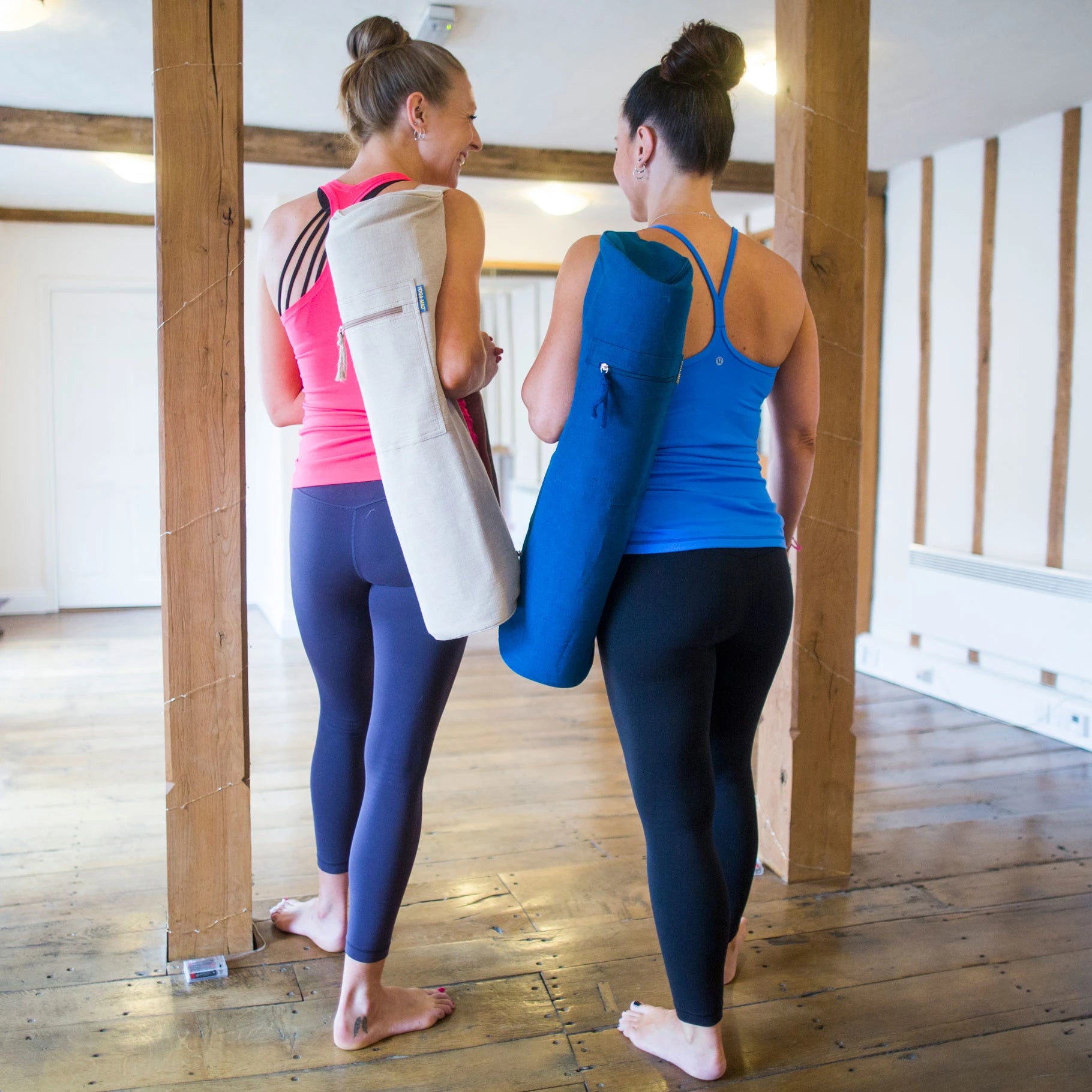
Mat bags (sold separately): More protection, can store accessories, professional appearance.
Benefits: Easy transport, protects mat during travel, keeps mat clean.
- Reversible Designs
Different colours/patterns on each side for aesthetic variety. Different textures for varied grip levels. Two mats in one for versatility.
Commercial vs. Home Use
Commercial Studio Requirements
- Durability: High-density PVC or commercial-grade TPE withstand multiple daily users. 4-4.5mm thickness balances comfort with stability for varied user abilities.
Hygiene: Closed-cell, non-absorbent, machine washable essential. Oeko-Tex certification ensures safety.
- Quantity: Bulk purchasing reduces per-unit cost. Calculate one mat per maximum class capacity plus 20% spares.
- Storage: Eyelets and wall brackets maximize studio space. Mat storage racks keep organized.
- Warranty: 12-month commercial warranties typical. Verify coverage before bulk purchase.
- Fire retardant: Black studio mats often fire retardant for health service and institutional use.
Home Practice Considerations
- Comfort: Prioritize adequate cushioning (4-6mm) for enjoyable practice. Material feel matters more in home environment.
- Aesthetics: Colour and design preferences important. Cork and natural rubber offer unique, premium appearance.
- Eco-friendliness: Natural rubber, TPE, organic cotton align with sustainable values.
Storage: Eyelets for wall hanging or foldable designs for compact storage.
- Budget: Single mat purchase—invest in quality for longevity (3-5 years typical).
Maintenance & Care
- Regular Cleaning
After each use: Wipe with clean damp cloth to remove sweat.
Weekly: Clean with damp cloth and eco-friendly soap or mild detergent. Rinse, towel dry.
Monthly (intensive): Machine washable mats at 40°C with mild soap (no spin cycle). TPE mats: soak 30 minutes in warm water with 200ml white vinegar, rinse, towel dry.
First use: Wipe with damp cloth and towel dry to optimize slip resistance and remove production residue.
- Storage Best Practices
Roll loosely: Prevents creasing and material stress. Roll with top surface outward.
Vertical hanging: Use eyelets and wall brackets to save space and prevent floor contact.
Avoid: Direct sunlight (degrades materials, especially rubber), extreme temperatures, damp environments.
Between uses: Allow mat to air dry completely before rolling or storing.
Yoga Mat Frequently Asked Questions
What thickness yoga mat should I buy?
4-4.5mm for regular practice and all-around versatility (most popular), 3mm for travel and portability, 5-6mm for sensitive joints and restorative yoga, 8mm for maximum cushioning and Pilates crossover. Thicker isn't always better—excessive cushioning reduces stability for balance work.
What's the difference between yoga and Pilates mats?
Yoga mats are thinner (3-6mm) prioritising stability for standing poses and balance work. Pilates mats are thicker (10-26mm) providing more cushioning for floor-based exercises. You can use thicker yoga mats (6-8mm) for Pilates, but Pilates mats are too thick for most yoga practices.
Are eco-friendly mats worth the extra cost?
Eco-friendly mats (natural rubber, TPE, organic cotton, cork) reduce environmental impact through biodegradable/recyclable materials and sustainable production. Premium typically 30-50% higher than PVC. Worthwhile for environmentally conscious practitioners and those prioritizing health (PVC-free, latex-free options). Budget buyers may find phthalate-free PVC adequate.
Why does my new mat feel slippery?
New mats often have production residue creating slippery surface. Wipe with damp cloth and towel dry before first use to optimize grip. PVC mats require break-in period (5-10 uses) as sticky surface develops. Natural rubber and cork improve grip when wet—opposite of synthetic mats.
Can I machine wash my yoga mat?
Only PVC mats and some natural rubber mats are machine washable (40°C, mild soap, no spin cycle). TPE mats should never be machine washed—hand clean only. Cork mats wipe clean. Cotton rugs hand wash cold. Always check manufacturer instructions before machine washing.
Do I need alignment markings?
Alignment markings help beginners and home practitioners maintain proper form without instructor feedback. They guide symmetry and consistent positioning. Experienced practitioners may find them unnecessary or distracting. Personal preference—helpful for learning, optional once form is established.
What's the best mat for hot yoga?
Natural rubber or cork mats improve grip when wet (ideal for hot yoga). Cotton rugs over standard mats provide excellent grip as sweat increases. Avoid synthetic mats that become slippery when very wet. Textured surfaces help but don't match natural rubber/cork wet-grip performance.
Are natural rubber mats safe for latex allergies?
No, natural rubber contains latex and should be avoided by individuals with latex allergies. Choose TPE (latex-free, PVC-free) or phthalate-free PVC mats instead. Cork mats are also latex-free alternatives with eco-friendly properties.
How do I clean my yoga mat?
Wipe with damp cloth and eco-friendly soap after each use. Machine washable mats: 40°C with mild soap, no spin cycle, dry flat or roll in towel. TPE mats: soak 30 minutes in warm water with 200ml white vinegar, rinse, towel dry. Cork: wipe with damp cloth. Never use harsh chemicals or abrasive scrubbing.
Can I use a yoga mat outdoors?
Yes, but outdoor use accelerates wear. UV radiation, temperature extremes, and rough surfaces degrade materials faster. Clean thoroughly after outdoor sessions. Store indoors away from sunlight. Consider dedicated outdoor mat to preserve indoor mat longevity.
What's the best travel yoga mat?
3mm foldable mats (0.75kg) fit in suitcases and provide minimal bulk. Lightweight 4mm mats (1.1kg) with carry strings balance portability with adequate cushioning. Consider whether you'll practice on hard floors (need more cushioning) or layer over studio mats (3mm adequate).
Do I need a yoga rug if I have a mat?
Yoga rugs (organic cotton) are designed for Ashtanga and Power yoga where grip increases with sweat. They're used over standard mats for cushioning and stability. Not necessary for general practice but beneficial for vigorous, sweaty styles. Traditional aesthetic appeals to some practitioners.