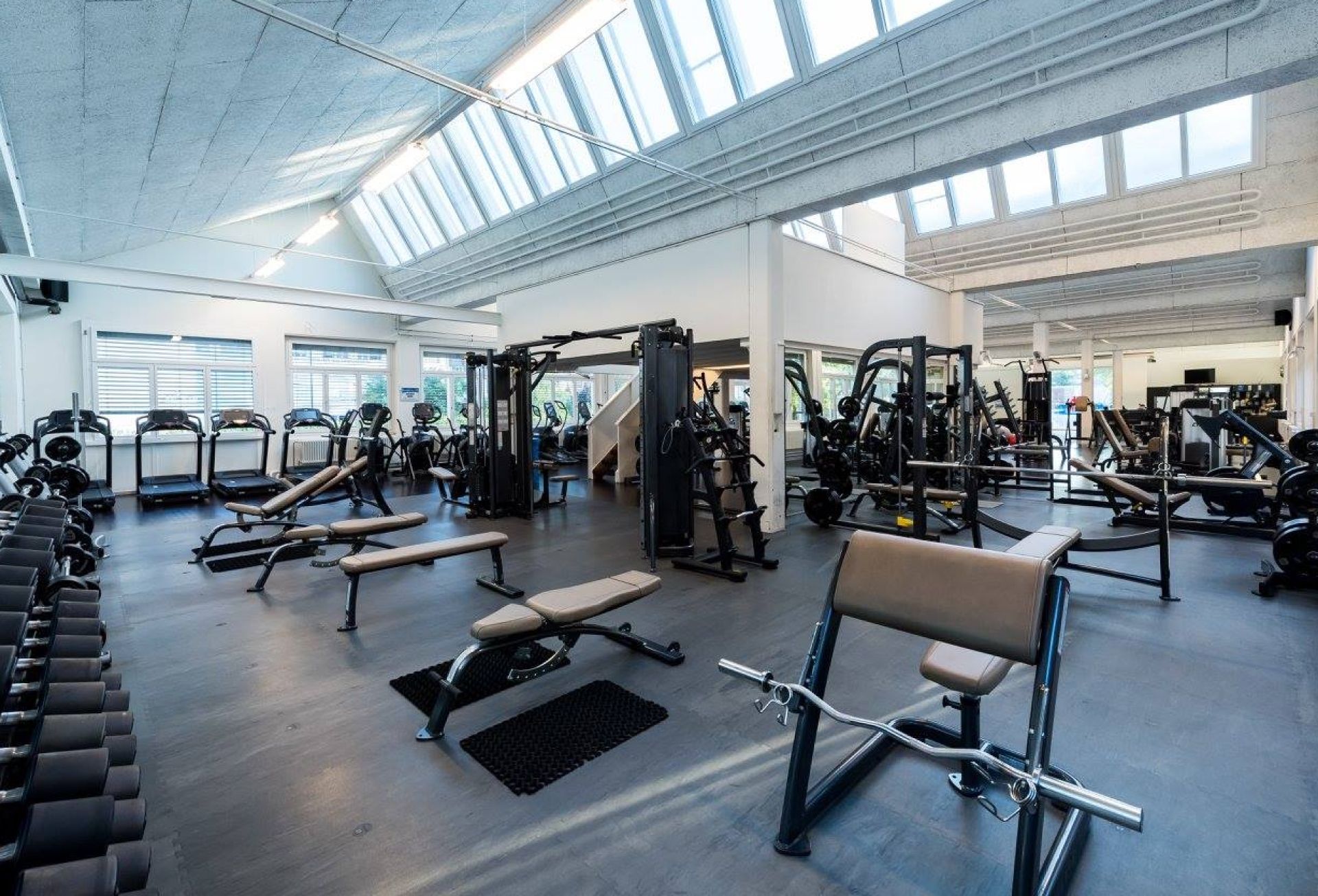
Home Gym Lighting Options

July 07, 2025 6 min read

Home Gym Lighting Options

Lighting Considerations for Your Home Gym: An In-Depth Guide

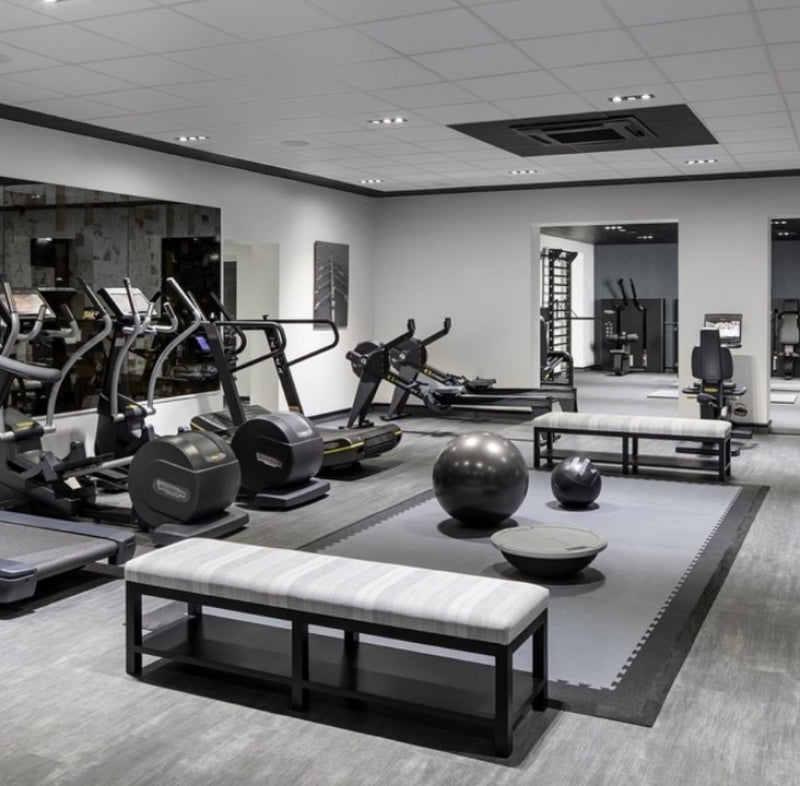
Designing a home gym is about more than just equipment and flooring—lighting is a critical yet often overlooked element that profoundly affects your workout experience, safety, motivation, and even your results. So lets help & explore every aspect of home gym lighting, from natural light strategies and fixture choices to color temperature, brightness, energy efficiency, and advanced smart lighting solutions. Whether you’re building a compact yoga nook or a full-scale weightlifting studio, understanding lighting will help you create a space that energises, motivates, and supports your fitness journey.

These are some of our home gym lighting tips:

 The Importance of Lighting in a Home Gym

Lighting in a home gym is not just a matter of visibility. It impacts:

  • Safety: Adequate lighting reduces the risk of tripping over equipment or misjudging movements, which is especially crucial when handling weights or using machines.
  • Performance: Bright, well-designed lighting can boost energy, alertness, and motivation, leading to more effective workouts.
  • Mood and Ambience: The right lighting can create an inviting, motivating atmosphere or a calming space for yoga and stretching.
  • Aesthetics: Good lighting highlights the design of your gym, showcases equipment, and can even make a small space feel larger and more welcoming.

 Maximizing Natural Light

Benefits of Natural Light:-

  • Boosts Energy and Mood: Sunlight increases alertness, improves mood, and can even enhance performance—making it ideal for workout spaces.
  • Reduces Energy Costs: Utilizing daylight minimizes the need for artificial lighting during the day.
  • Inviting Ambience: Natural light makes a gym feel more open and less claustrophobic.

Strategies for Natural Light

  • Location: Choose a room with large windows, skylights, or glass doors if possible.
  • Window Treatments: Use blinds or shades to control glare, especially if you use screens for virtual workouts or have south-facing windows.
  • Mirrors: Position mirrors to reflect and amplify natural light throughout the space.
  • Frosted Glass: For privacy without sacrificing light, consider frosted or textured glass panels.

Limitations

  • Time of Day: Natural light is only available during daylight hours, so supplemental artificial lighting is essential for early morning or evening workouts.
  • Glare: Too much sunlight can cause glare, making it difficult to see screens or mirrors. Adjustable window coverings are key.

 Artificial Lighting: Types and Layering

The Layered Lighting Approach -A well-lit home gym uses a mix of lighting types to balance functionality, safety, and ambience:

  • Ambient Lighting: General illumination that fills the room, usually from ceiling fixtures.
  • Task Lighting: Focused light for specific activities or zones, such as weight benches or cardio areas.
  • Accent Lighting: Decorative or mood lighting to highlight features, equipment, or architectural details. Lighting Types and Their Functions


Ambient Lighting

  • Recessed Lighting: Provides even, unobtrusive illumination, ideal for low ceilings or modern aesthetics.
  • Ceiling-Mounted Fixtures: Flush-mount or semi-flush fixtures work well in most home gyms.
  • LED Panels: Offer broad, even light distribution and mimic daylight when chosen in the right color temperature.

Task Lighting

  • Track Lighting: Adjustable heads can be aimed at specific workout zones, such as a treadmill or squat rack.
  • Wall Sconces: Provide focused light for stretching or yoga corners.
  • Pendant Lights: Can be used over specific stations, but ensure they are out of the way of movement and equipment.

Accent Lighting

  • LED Strip Lights: Install under shelves, along mirrors, or around the perimeter for a modern, energizing effect.
  • Neon or Custom Signs: Add personality and motivation, but use sparingly to avoid glare.
  • Smart RGB Lights: Allow you to change colors and moods for different workouts.


 Choosing the Right Bulbs and Fixtures


LED vs. Fluorescent vs. Incandescent
  • LEDs: The best choice for home gyms—energy-efficient, long-lasting, and available in a wide range of color temperatures and brightness levels.
  • Fluorescent: Less energy-efficient, can cause flicker and eye strain, and are being phased out in many regions.
  • Incandescent: Inefficient, short lifespan, and not recommended for gyms.

Fixture Selection Tips

  • Durability: Choose fixtures that can withstand humidity, dust, and occasional impacts.
  • Placement: Avoid placing lights directly above benches or where you do overhead lifts to prevent glare and shadows.
  • Height: For low ceilings, use recessed or flush-mount fixtures to maximize headroom.
 Color Temperature and Light Quality

Understanding Color Temperature - Measured in Kelvins (K): Lower numbers (2700–3000K) are warm and relaxing; higher numbers (4000–6500K) are cool and energizing. Daylight Imitation: Aim for 4000–6000K for most workouts—this mimics daylight, boosts alertness, and is mentally stimulating.

Light Quality - CRI (Color Rendering Index): A CRI of 80+ is recommended for accurate color perception, which is important for checking form in mirrors.

Uniformity: Ensure even light distribution to avoid harsh shadows and dark spots.

Table: Color Temperature Recommendations


 Brightness and Lumens

How Bright Should Your Gym Be?

  • General Guideline: Aim for 800–1000 lumens per square meter for most home gyms.
  • Total Output: For a 20-square-meter gym, you’ll need 16,000–20,000 lumens in total.
  • Avoid Over-Brightening: Too much brightness can cause eye strain and make the space uncomfortable.
  • Layered Approach: Use dimmers and multiple light sources to adjust brightness according to activity and time of day.
 Glare, Shadows, and Safety
  • Minimizing Glare - Diffuse Lighting: Use frosted covers, diffusers, or indirect lighting to soften harsh light.
  • Placement: Avoid placing fixtures directly in line with mirrors or screens to reduce reflections and glare.
  • Task Lighting: Direct light where needed, but shield bulbs to prevent direct eye contact.
  • Reducing Shadows Multiple Light Sources: Layered lighting from different angles helps eliminate harsh shadows, especially around equipment and mirrors.
  • Reflective Surfaces: Use light-colored walls and ceilings to reflect light and brighten the space.
  • Safety Considerations - Pathways: Ensure all walkways and equipment zones are well-lit to prevent accidents.
  • Emergency Lighting: Consider battery-powered backup lights or illuminated exit signs for larger gyms.
 Energy Efficiency and Sustainability

Benefits of Energy-Efficient Lighting:-

  • Lower Bills: LEDs consume up to 80% less energy than incandescent bulbs.
  • Longer Lifespan: LEDs can last 25,000–50,000 hours, reducing replacement frequency.
  • Reduced Heat: LEDs emit less heat, keeping your gym cooler and more comfortable.

Smart Lighting Solutions - 

  • Dimmable Fixtures: Adjust brightness for different workouts and times of day.
  • Motion Sensors: Automatically turn lights on/off to save energy when the gym is not in use.
  • Smart Controls: Use apps or voice assistants to set scenes, schedules, and color temperatures.

 Lighting for Different Types of Workouts

Cardio and High-Intensity Training

  • Bright, Cool Light: Use 5000–6500K LEDs to boost energy and alertness.
  • Even Distribution: Ensure no dark spots around treadmills, bikes, or open floor areas.

Strength Training

  • Focused Task Lighting: Illuminate weight benches, racks, and mirrors for clear visibility and safety.
  • Avoid Shadows: Layer lighting to prevent shadows that can obscure form.

Yoga, Pilates, and Stretching

  • Warm, Soft Light: Use 2700–3500K for a calming, relaxing environment.
  • Dimmable Fixtures: Allow for mood adjustment during meditation or cool-downs.

Multi-Use Spaces

Flexible Lighting: Combine dimmable ambient lights with adjustable task and accent lights to accommodate varied workouts.

 Room Size, Layout, and Ceiling Height

Adapting Lighting to Your Space:-

  • Small Rooms: Use mirrors and light-colored paint to amplify light. Recessed or flush-mount fixtures maximize headroom.
  • Large Spaces: Combine ambient, task, and accent lighting to ensure even coverage.
  • Low Ceilings: Avoid pendant lights. Opt for recessed or wall-mounted fixtures.
  • Odd Shapes or Nooks: Use track lighting or adjustable fixtures to reach every corner.
 Mirrors and Reflective Surfaces

Amplify Light: Mirrors reflect both natural and artificial light, brightening the gym and making it feel larger.

Check Form: Well-lit mirrors are essential for monitoring technique and preventing injury.

Placement: Position mirrors opposite windows or light sources for maximum effect.

 Personalization and Aesthetics

Creating Motivation Through Lighting:-

  • Accent Colors: Use RGB LED strips or smart bulbs to set the mood—blue for energy, red for intensity, or green for calm.
  • Custom Signs: Neon or LED motivational quotes add personality and inspiration.
  • Design Consistency: Match lighting fixtures to your gym’s overall style, whether industrial, minimalist, or high-tech.

Installation and Maintenance

Professional vs. DIY?

  • DIY: Simple LED fixtures, strip lights, and smart bulbs are easy to install for most homeowners.
  • Professional: For complex layouts, integrated systems, or if you’re unsure about electrical work, consult a licensed electrician.

Maintenance Tips

  • Easy Access: Choose fixtures that are easy to clean and replace.
  • Durability: Select moisture-resistant fixtures for garages or basements.
  • Regular Checks: Inspect bulbs and wiring periodically for safety.
Common Mistakes to Avoid
  • Under-lighting: Leads to safety hazards and low motivation.
  • Over-lighting: Causes glare, eye strain, and discomfort.
  • Ignoring Color Temperature: Using warm lights for high-energy workouts or cool lights for yoga can undermine your goals.
  • Poor Placement: Fixtures directly above benches or in the line of sight can cause shadows or glare.
  • Neglecting Dimmers: Fixed-brightness lights reduce flexibility.

 Future Trends in Home Gym Lighting

  • Human-Centric Lighting: Systems that adjust color temperature and brightness throughout the day to support natural circadian rhythms.
  • Voice Control: Integration with smart home assistants for hands-free lighting adjustments.
  • Wireless Fixtures: Battery-powered or solar options for flexible installation.
  • Sustainable Materials: Eco-friendly fixtures and recycled components.

 Conclusion

Lighting is a foundational aspect of home gym design that affects safety, performance, motivation, and aesthetics. By understanding and applying principles of natural and artificial lighting, color temperature, brightness, and smart controls, you can create a workout space that is not only functional but also inspiring and adaptable to your needs. Whether you’re lifting heavy, running fast, or finding your zen, the right lighting will help you see—and achieve—your goals more clearly.