Cable Ab Exercises & Ideas

July 07, 2025 4 min read

Cable Ab Exercises & Ideas

Understanding Cable Ab Exercises

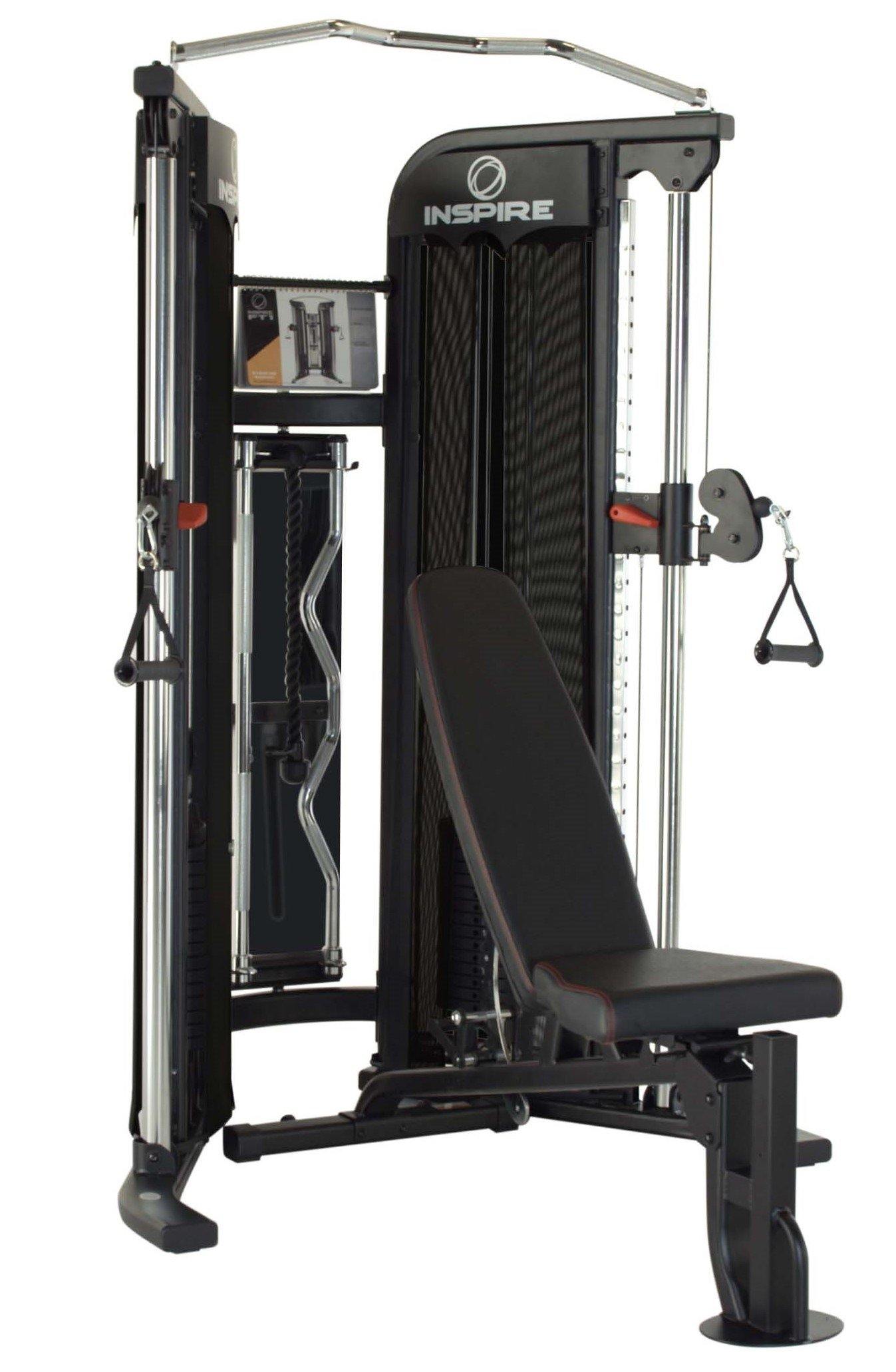
Cable ab exercises offer a unique way to build core strength, muscle definition, and stability by providing constant resistance and allowing for precise targeting of the abdominal muscles. Below we have put together in our view, 10 of the most effective cable ab exercises, including the muscles they target, as well as beginner and advanced workout routines using combinations of these movements.

Anatomy of the Abdominal Muscles


Before exploring the cable ab  exercises, it’s crucial to understand the main muscles worked during cable ab exercises:

  • Rectus Abdominis: The "six-pack" muscle, responsible for spinal flexion.
  • Obliques (Internal and External): Located on the sides of your abdomen; responsible for rotation and lateral flexion of the spine.
  • Transverse Abdominis: The deepest abdominal muscle, crucial for core stability.
  • Hip Flexors: Often engaged during lower ab movements.
  • Erector Spinae: Lower back muscles, important for stabilization during many core exercises.

10 Essential Cable Ab Exercises

1. Kneeling Cable Crunch

How to Do It:

  • Attach a rope to the high pulley.
  • Kneel facing the machine, gripping the rope with both hands.
  • Hold the rope at the sides of your head.
  • Crunch down by flexing your spine, bringing your elbows toward your thighs.
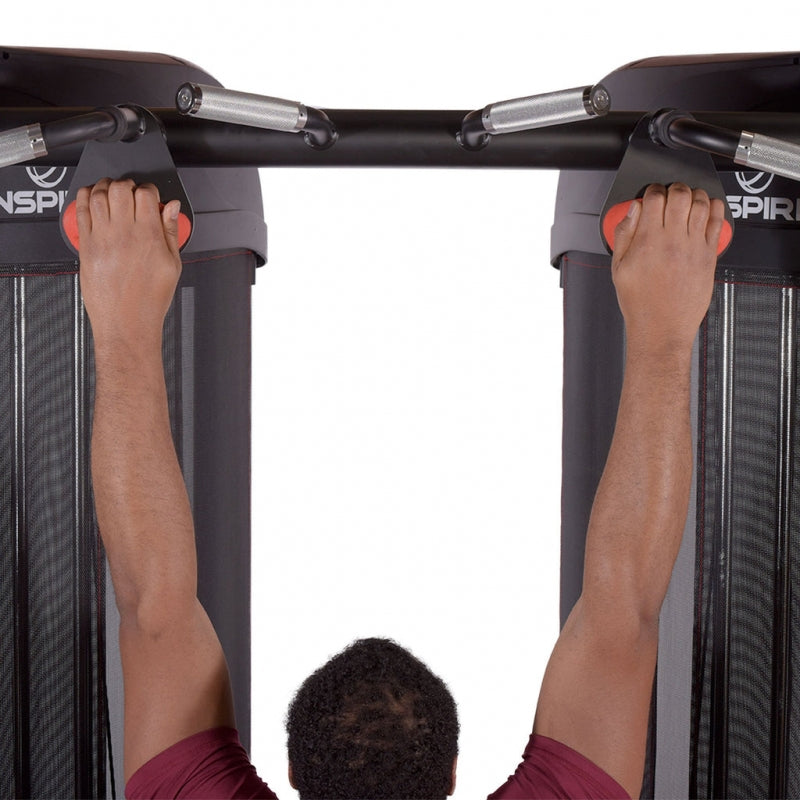
  • Pause, then slowly return to the starting position.
  • Muscles Used: Rectus abdominis (primary), obliques (secondary).
2. Standing Cable Crunch

How to Do It:

  • Attach a rope to a high pulley.
  • Stand facing away from the machine, rope over your shoulders.
  • With feet shoulder-width apart, crunch forward, contracting your abs.
  • Return slowly to the starting position.
  • Muscles Used: Rectus abdominis, hip flexors, obliques.
3. Cable Reverse Crunch

How to Do It:

  • Attach ankle straps to a low pulley.
  • Lie on your back, feet toward the machine, and attach the straps to your ankles.
  • Bend your knees to 90 degrees.
  • Curl your knees toward your chest, lifting your hips off the floor.
  • Lower back to the starting position.
  • Muscles Used: Lower rectus abdominis, hip flexors.

4. Cable Woodchop (High to Low)

How to Do It:

  • Set the pulley to the highest setting.
  • Stand sideways to the machine, feet shoulder-width apart.
  • Grab the handle with both hands above one shoulder.
  • Pull the handle down and across your body to the opposite hip, rotating your torso.
  • Return with control and repeat on the other side.
  • Muscles Used: Obliques, rectus abdominis, transverse abdominis.


5. Cable Woodchop (Low to High)

How to Do It:

  • Set the pulley to the lowest setting.
  • Stand sideways to the machine.
  • Grasp the handle with both hands near your outside knee.
  • Pull the handle up and across your body to above the opposite shoulder, rotating your torso.
  • Return and repeat.
  • Muscles Used: Obliques, rectus abdominis, shoulders.
6. Cable Side Bend

How to Do It:

  • Attach a single handle to a low pulley.
  • Stand sideways to the machine, feet shoulder-width apart.
  • Hold the handle in one hand, arm at your side.
  • Bend sideways away from the machine, then return to start.
  • Repeat on both sides.
  • Muscles Used: Obliques.
7. Cable Russian Twist

How to Do It:

  • Set the pulley to chest height.
  • Sit on the floor or on a gym ball, perpendicular to the machine.
  • Hold the handle with both hands in front of your chest.
  • Rotate your torso away from the machine, keeping arms straight.
  • Return and repeat on both sides.
  • Muscles Used: Obliques, transverse abdominis, rectus abdominis.
8. Cable Anti-Rotation Press (Pallof Press)

How to Do It:

  • Set the cable to chest height.
  • Stand sideways to the machine, feet shoulder-width apart.
  • Hold the handle with both hands at your chest.
  • Press the handle straight out, resisting rotation.
  • Hold, then return to chest.
  • Muscles Used: Transverse abdominis, obliques, rectus abdominis.

9. Stability Ball Cable Crunch

How to Do It:

  • Set the pulley to a low or middle setting.
  • Lie back on a stability ball, feet flat, facing away from the machine.
  • Hold the cable handle or rope at your chest.
  • Crunch upward, contracting your abs.
  • Lower back down.
  • Muscles Used: Rectus abdominis, hip flexors.
10. Double Cable Tuck Crunch

How to Do It:

  • Set both pulleys to the lowest setting.
  • Lie on your back between the cables, head toward one, feet toward the other.
  • Attach ankle straps and hold handles in your hands.
  • Simultaneously crunch your upper body and tuck your knees to your chest.
  • Return to start.
  • Muscles Used: Rectus abdominis, hip flexors, obliques.

Additional Cable Ab Exercises

  1. Cable Side Crunch (Standing or Kneeling): Targets obliques by pulling the cable down to the side.
  2. Cable Plank: Hold a plank while pulling a cable with one arm for anti-rotation stability.
  3. Cable Anti-Rotation Pulses: Hold the handle in front of your chest and pulse out, resisting rotation.

 Cable Ab Workouts for your level


Beginner Cable Ab Workout

Guidelines:

  • Focus on mastering form and moderate resistance.
  • Rest 60–90 seconds between sets.

Instructions:

  • Warm up with 5–10 minutes of light cardio and dynamic stretching.
  • Start with lighter weights to learn proper technique.
  • Focus on slow, controlled movements, especially during the eccentric (return) phase.
Experienced/Advanced Cable Ab Workout

Guidelines:

  • Increase resistance and intensity.
  • Incorporate more complex movements and higher volume.
  • Rest 45–75 seconds between sets.

Instructions:

  • Use challenging weights that allow you to complete the reps with good form.
  • Add intensity by reducing rest times, increasing reps, or using advanced techniques like slow negatives or isometric holds.
  • Focus on engaging the core throughout each movement, avoiding momentum.

Tips for Effective Cable Ab Exercises Training

  1. Form First: Always prioritize proper form over the amount of weight used.
  2. Controlled Movements: Move slowly and deliberately, especially during the lowering phase, to maximize muscle engagement.
  3. Breathing: Exhale during the contraction (crunch or twist), inhale during the return.
  4. Progression: Gradually increase resistance or reps as you get stronger.
  5. Variety: Rotate exercises to target all areas of the core and avoid adaptation.

Concluding Thoughts about cable ab Exercises

Cable ab exercises are highly effective for building a strong, defined, and functional core. By utilizing the versatility of the cable machine, you can target every part of your abdominal musculature while also improving rotational strength, anti-rotation stability, and overall athletic performance. Whether you’re a beginner or an experienced athlete, incorporating these exercises into your routine will help you achieve superior core strength and definition