Essential Trapezius Exercises for Strength and Stability

February 01, 2026 5 min read

Essential Trapezius Exercises for Strength and Stability

Understanding Your Trapezius Muscles

The trapezius is a large, trapezoid‑shaped muscle that runs from the base of your skull and cervical spine down to the mid‑back and out to the shoulder blades. It has three functional regions—upper, middle and lower fibers—that work together to move and stabilise the scapula and support the neck and shoulders.

  1. Upper traps: help elevate the scapula, support the weight of the arm, and extend or laterally flex the neck.
  2. Middle traps: retract the scapula, pulling your shoulder blades towards the spine.
  3. Lower traps: depress and help upwardly rotate the scapula, important for overhead arm movement and shoulder health.

Effective trapezius exercises should load all three regions over time, not just the upper traps.

Benefits of Trapezius Exercises

  • Improved posture: Strong traps help keep the shoulders back and the thoracic spine more upright, reducing slumped, rounded‑shoulder posture.
  • Better shoulder mechanics: Middle and lower‑trap strength stabilises the scapula so the rotator cuff and deltoid can work efficiently during presses, pulls and overhead movements.
  • Neck support and reduced tension: Balanced trap strength can offload the cervical spine and reduce some forms of neck strain or tension headaches caused by poor posture or overuse.
  • Performance in throwing and overhead sports: The trapezius is heavily involved in scapular rotation during throwing and overhead lifting.

Key Principles for Programming Trapezius Exercises

  1. Train all regions: Include at least one upper‑trap, one middle‑trap and one lower‑trap movement across your week.
  2. Mix isometrics and dynamics: Holds (e.g. Y‑raises holds) plus dynamic rows/shrugs give both positional control and strength.
  3. Prioritise scapular motion: Focus on elevation, retraction and upward rotation of the shoulder blades, not just moving the hands.
  4. Use moderate loads with control: Heavy cheating shrugs shift load to other muscles and reduce actual trap work.
  5. Frequency: 2–3 trap‑focused sessions per week is plenty for most lifters, especially if you already do heavy pulls and presses.

Upper Trapezius Exercises

  1. Dumbbell Shrug

Primary Muscles Used: Upper traps; secondary: levator scapulae, forearms.

How to do it:

  • Stand tall holding dumbbells at your sides, shoulder blades slightly back and down.
  • Elevate your shoulders straight up towards your ears without rolling, pause briefly, then lower under control.

Tips:

  • Keep your neck neutral; don’t jut your head forward.
  • Use a full range: think “long arms at the bottom, shortest distance ear‑to‑shoulder at the top.”

2. Barbell Shrug

Best for heavier loading once technique is solid.

How to do it:

  • Hold a barbell with hands just outside hip width, standing tall.
  • Shrug the shoulders straight up, pause, then slowly lower.

Programming (shrugs):

  • 3–4 sets of 8–15 reps, 1–2 times per week.
  • Start higher rep/light load to groove control before pushing heavier weights.

3. Dumbbell or Cable Upright Row (high, shoulder‑width grip)

Primary Muscles Used: Upper traps and medial deltoids.

How to do it:

  • Use a shoulder‑width grip (not narrow) with dumbbells or cable.
  • Pull elbows up and slightly out until hands reach lower chest height, then lower under control.

Training Tip :Avoid pulling too high or using a very narrow grip if shoulder irritation is an issue.

Middle Trapezius Exercises

4. Chest‑Supported Row

Primary Muscles Used : Middle traps and rhomboids.

How to do it:

  • Lie chest‑down on an incline bench, holding dumbbells.
  • Start with shoulders protracted (reached forward), then pull shoulder blades together (retraction) as you row the weights toward your lower ribs.
  • Squeeze at the top for 1–2 seconds, then control the lowering phase.

Why it works:  The bench removes lower‑back cheating and forces the middle traps to drive scapular retraction.

5. Seated Cable Row (neutral grip, scapular focus)

How to do it:

  • Sit upright with a neutral‑grip handle.
  • Initiate each rep by pulling the shoulder blades back, then bend the elbows to bring the handle towards the torso.
  • Finish with a strong scapular squeeze, then let the blades glide forward on the way out.

Programming (middle traps):

  • 3–4 sets of 10–15 reps, focusing on a noticeable pause in retraction.
  • Use moderate loads that allow clean scapular movement.

Lower Trapezius Exercises


6. Prone Y Raise

Primary Muscles Used: Lower traps; secondary: mid traps and rotator cuff.

How to do it:

  • Lie face‑down on an incline bench set around 30–45 degrees.
  • With light dumbbells, start with arms hanging down, thumbs pointing up.
  • Raise arms into a “Y” shape (about 120° from your torso), focusing on pulling shoulder blades down and together.
  • Pause at the top, then lower slowly.

Training Tips: Use very light weights; the goal is control and scapular upward rotation, not load.Keep ribs down and avoid arching the lower back.

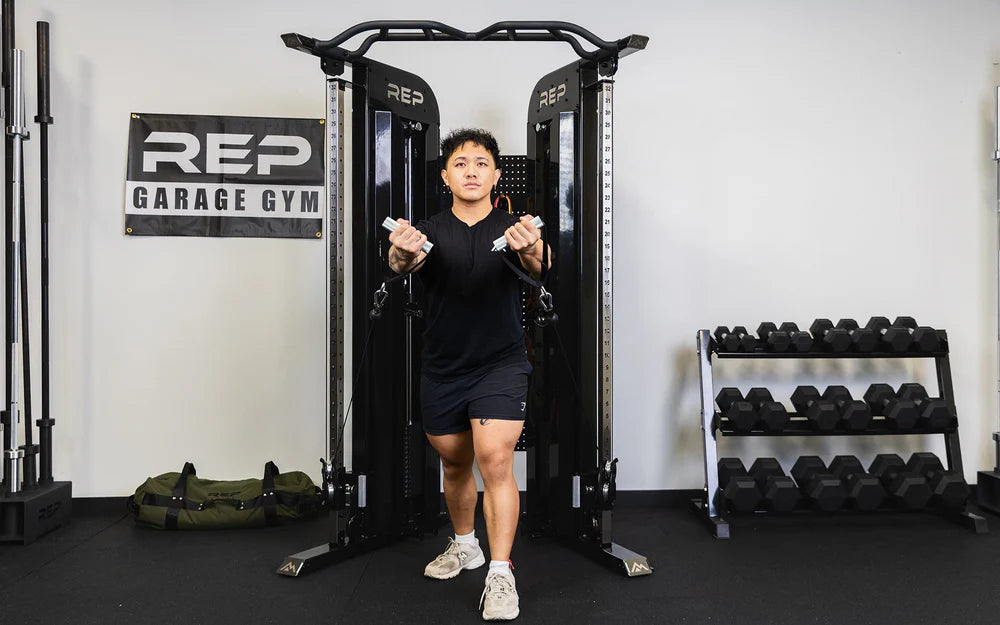
7. Cable Face Pull (high‑to‑low angle)

How to do it:

  • Set a cable just above eye level with a rope handle.
  • Step back and pull the rope towards your face while pulling elbows slightly up and out, then think about rotating your hands apart at the end.
  • Emphasise scapular retraction and slight depression (downward pull of the blades).

Why it helps the lower traps:

The high‑to‑low line encourages downward and inward pull on the scapulae, engaging lower trap fibres alongside mid traps and rotator cuff.

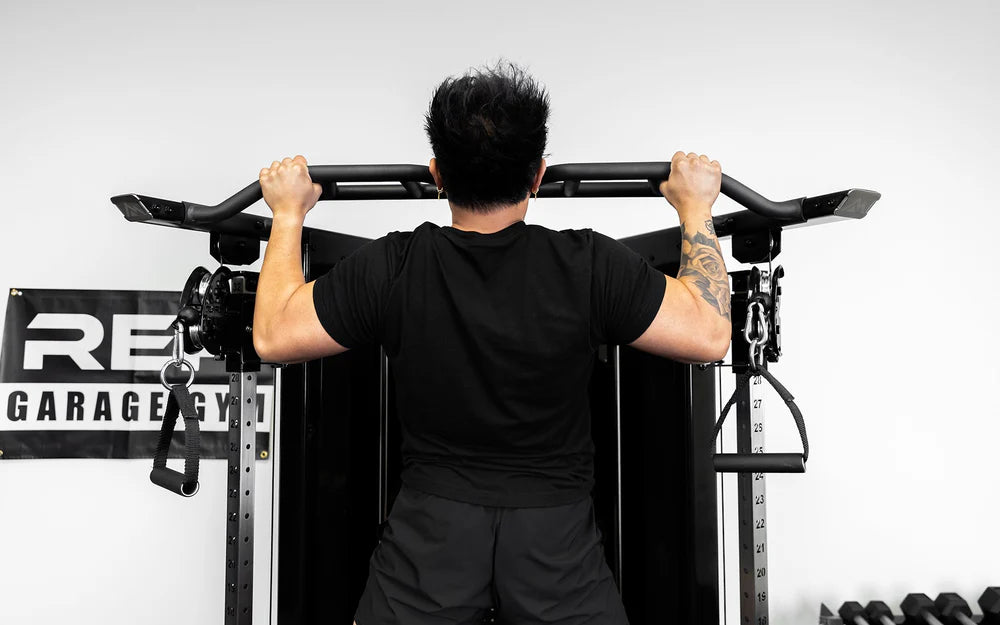
8. Overhead Trap Raise / Scapular Pull‑Up

How to do it:

  • Hang from a pull‑up bar with a comfortable grip.
  • Without bending the elbows, pull your body up a few centimetres by driving the shoulder blades down and slightly back (scapular depression and retraction).
  • Pause, then slowly relax back to the dead hang.
  • This is a strong lower‑trap and serratus anterior drill for advanced trainees with healthy shoulders.

Programming (lower traps): 

2–3 exercises per week (Y‑raises, face pulls, scapular pull‑ups), 2–4 sets of 10–15 reps.

Bodyweight and At‑Desk Trapezius Exercises

  • For posture and daily maintenance, low‑load, high‑frequency work can help offset desk time.
  • Scapular wall slides: Back against a wall, arms in a “W”, slide into a “Y” while keeping ribs and low back against the wall—great for lower traps and upward rotation.
  • Band pull‑aparts: Light band, pull apart at chest or nose height, focusing on scapular motion and mid‑trap engagement.
  • “Shoulder blade clocks”: Gently move each shoulder blade up, down, forward and back in small, controlled patterns to maintain mobility and awareness.

Sample Trapezius Workout (Gym‑Based)

Use this as a dedicated “trap and upper‑back” session or embed parts into your week.

  1. Barbell Shrug – 4 × 8–12
  2. Chest‑Supported Row – 3 × 10–12 (2‑second squeeze)
  3. Cable Face Pull – 3 × 12–15
  4. Prone Y Raise – 3 × 12–15 (slow tempo)
  5. Scapular Pull‑Up or Hanging Shrug – 3 × 6–10
  6. Rest 60–90 seconds between sets for moderate hypertrophy and control.

Common Mistakes with Trapezius Exercises

  • Over‑emphasising only upper traps (endless heavy shrugs) while neglecting middle and lower traps, which are critical for posture and shoulder health.
  • Rolling the shoulders during shrugs, which adds shear without extra benefit.
  • Using too much momentum in rows, letting the lower back and hips do the work.
  • Training traps hard while ignoring thoracic mobility and pec tightness, which can lock you into a rounded posture.
  • Safety Tips and When to Be Cautious
    Gradually build load and volume, especially if you have a history of neck or shoulder pain.

If certain trapezius exercises produce sharp pain, radiating symptoms or headaches, stop and consult a clinician for assessment.  Include regular stretching and movement for the chest, neck and thoracic spine to complement your trap‑strength work.