Russian Twists - Classic Core Exercise

September 20, 2025 5 min read

Russian Twists - Classic Core Exercise

The Russian twists are a classic rotational core exercise renowned for its ability to build the obliques, deep abdominal layers, and functional trunk rotation. Widely used by athletes and fitness enthusiasts, it remains a staple for developing a strong, resilient midsection. In this article we have attempted to cover the Russian rotation (twist) in various detail: from history and biomechanics to muscles used & execution, programming, common faults, variations, safety, and practical tips.

Russian Twists Origins

The Russian twist apparently  emerged in training sessions for Soviet soldiers and athletes during the Cold War. Rotation and anti-rotation exercises were prioritised in Russian physical culture because of their relevance to explosive sport movements, grappling, boxing, and gymnastics. The core's ability to generate and withstand rotary force had considerable functional and military value, eventually popularising this exercise globally. The name "Russian twist" was coined as the exercise became mainstream in Western fitness, referenced in both athletic circles and group classes by the late 20th century.

Russian Twists Muscles Worked


The Russian twist is a compound movement involving isometric and dynamic activation across multiple muscle groups:

  • Obliques (internal & external): Deliver torso rotation and resist excessive trunk twisting. The internal and external obliques flank the rectus abdominis, working in concert for controlled rotation.
  • Rectus abdominis: Maintains trunk flexion and semi-upright posture. Responsible for "six-pack" appearance and resisting spinal extension.
  • Transverse abdominis: Functions as a "corset" for the abdomen, stabilizing the pelvis and lumbar spine during rotational activity.
  • Hip flexors (iliopsoas): Stabilize the thighs, allowing the trunk to lean back and helping maintain the V position.
  • Erector spinae: Run along the spine, contracting isometrically to prevent spinal collapse or excessive flexion.
  • Gluteals (gluteus maximus, medius, minimus): Provide pelvic stability and control through isometric contraction during the movement.
  • Upper back and shoulder stabilizers (scapular, lats, deltoids, pecs): Stabilise the arms and allow loaded variations, like holding a kettlebell or medicine ball.

Russian Twist Movement Biomechanics 

At its core, the Russian twist is an open-chain exercise, demanding dynamic rotational control and isometric stabilisation. Proper form is essential for reaping benefits and avoiding unnecessary risk.

Step-by-Step Technique

  1. Setup and Posture
  2. Sit on a mat, knees bent, feet flat or (for more challenge) suspended a few inches above the floor.
  3. Lean the torso backward to a 45-degree angle, creating a V with the thighs and upper body.
  4. Engage the core, maintaining an elongated spine (avoid rounding or slouching), and clasp hands or hold a weight at the chest.

The Twist

  • Rotate the torso to the right, guiding movement with shoulders and trunk—not just swinging the arms.
  • Pause momentarily at the end range, feeling the oblique engagement.
  • Rotate to the left, repeating the same controlled action.
  • Breathe steadily: exhale during the twist, inhale while returning to the center.

Video to Demonstrate the Russian Twist

Russian Twist Common Reps and Loading

Perform 2–4 sets of 8–16 repetitions per side, using bodyweight, a medicine ball, dumbbell, or kettlebell.

Focus on slow, controlled reps, maximizing activation and minimizing momentum.

Key Coaching Cues:-

"Rotate through the upper trunk, not just moving the arms."

"Keep the chest proud and the spine neutral."

"Let the eyes follow the hands for full-range rotation."

"Breathe rhythmically with each twist."

"If the hips shift or feet rise uncontrollably, reduce load or lower the feet".

Russian Twists Variations & Progressions

The Russian twist suits a variety of user abilities and goals:

  • Bodyweight Twist: Most accessible, focusing on precise movement and core engagement.
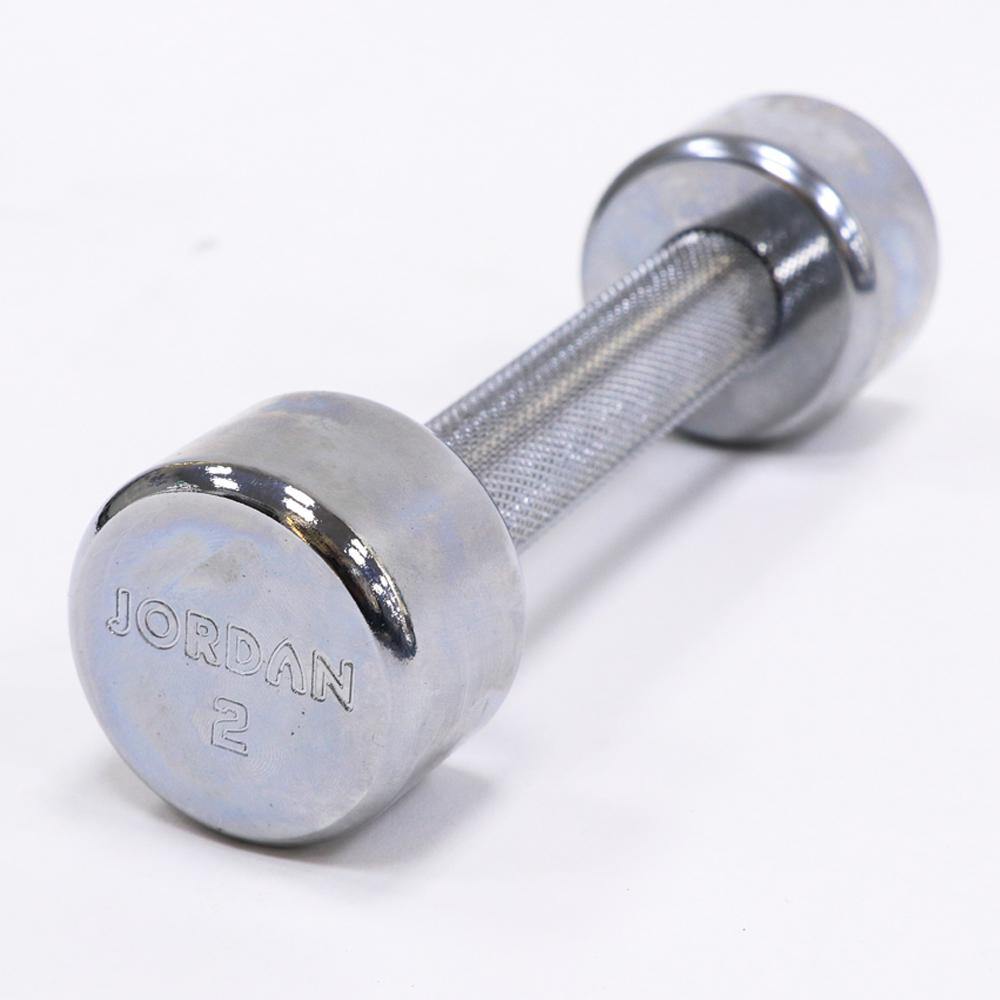
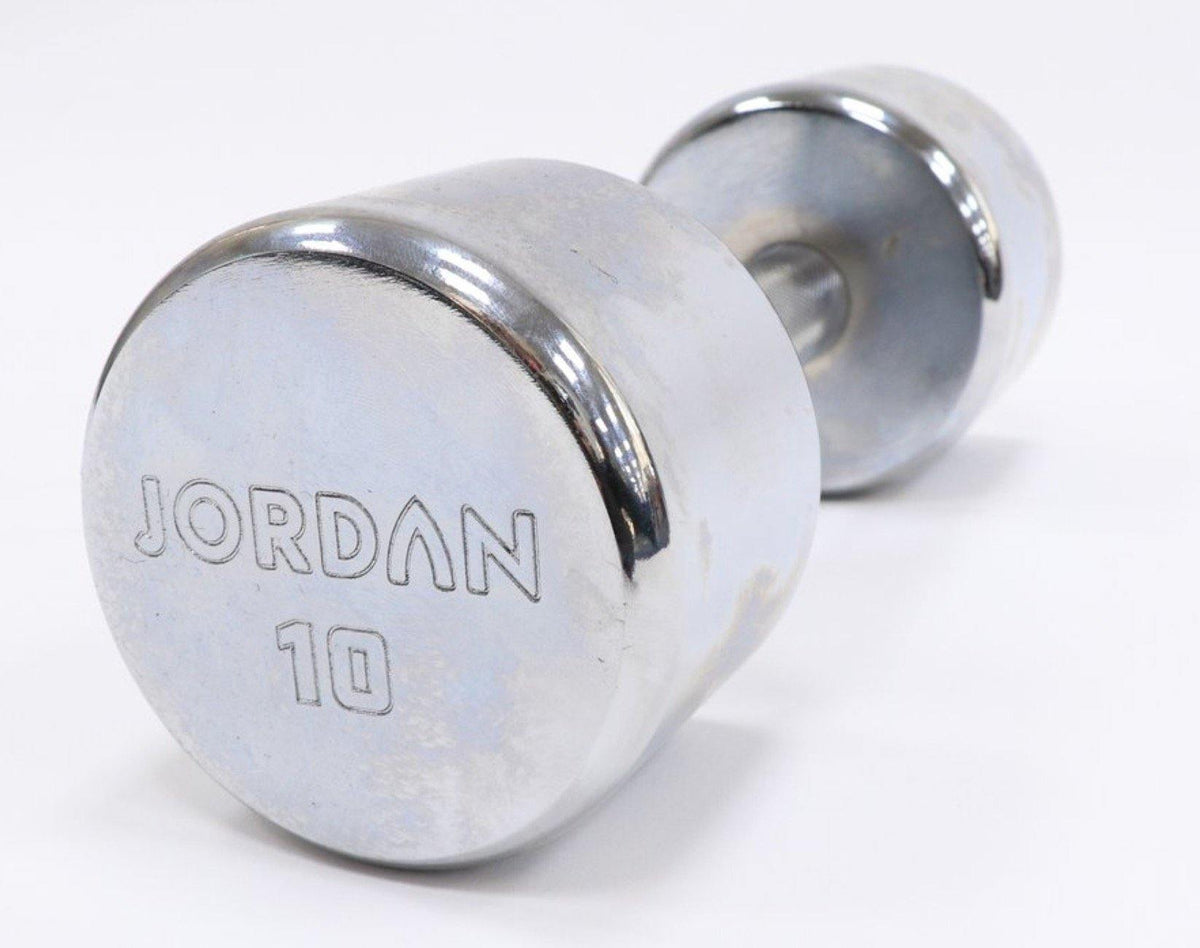
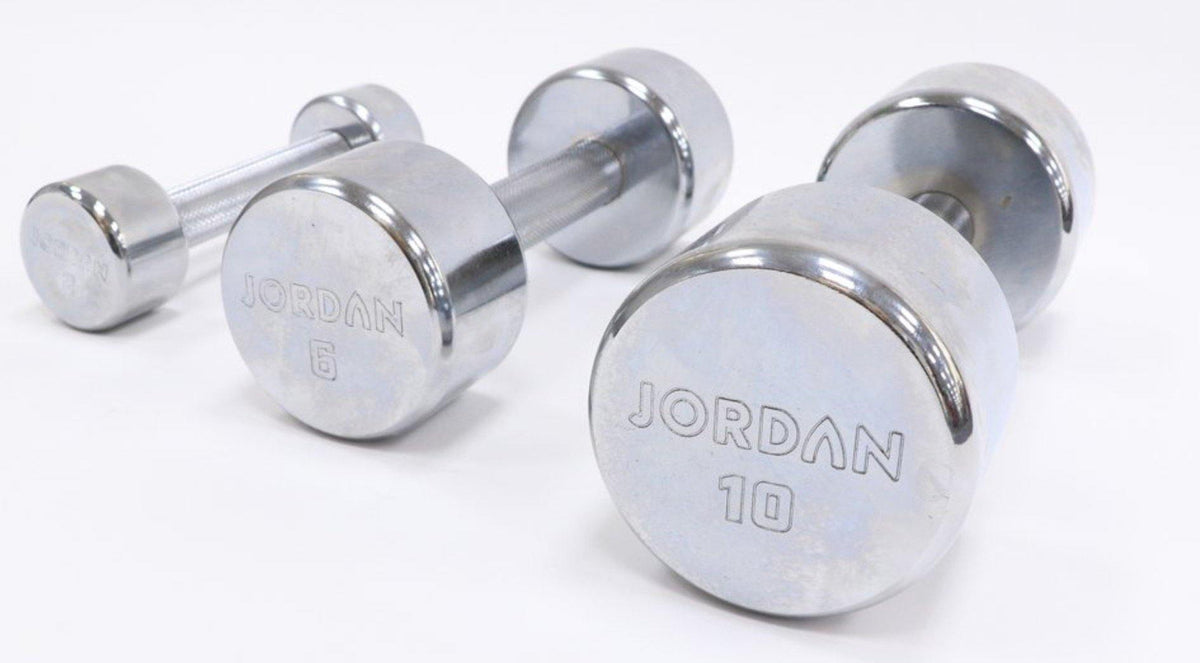
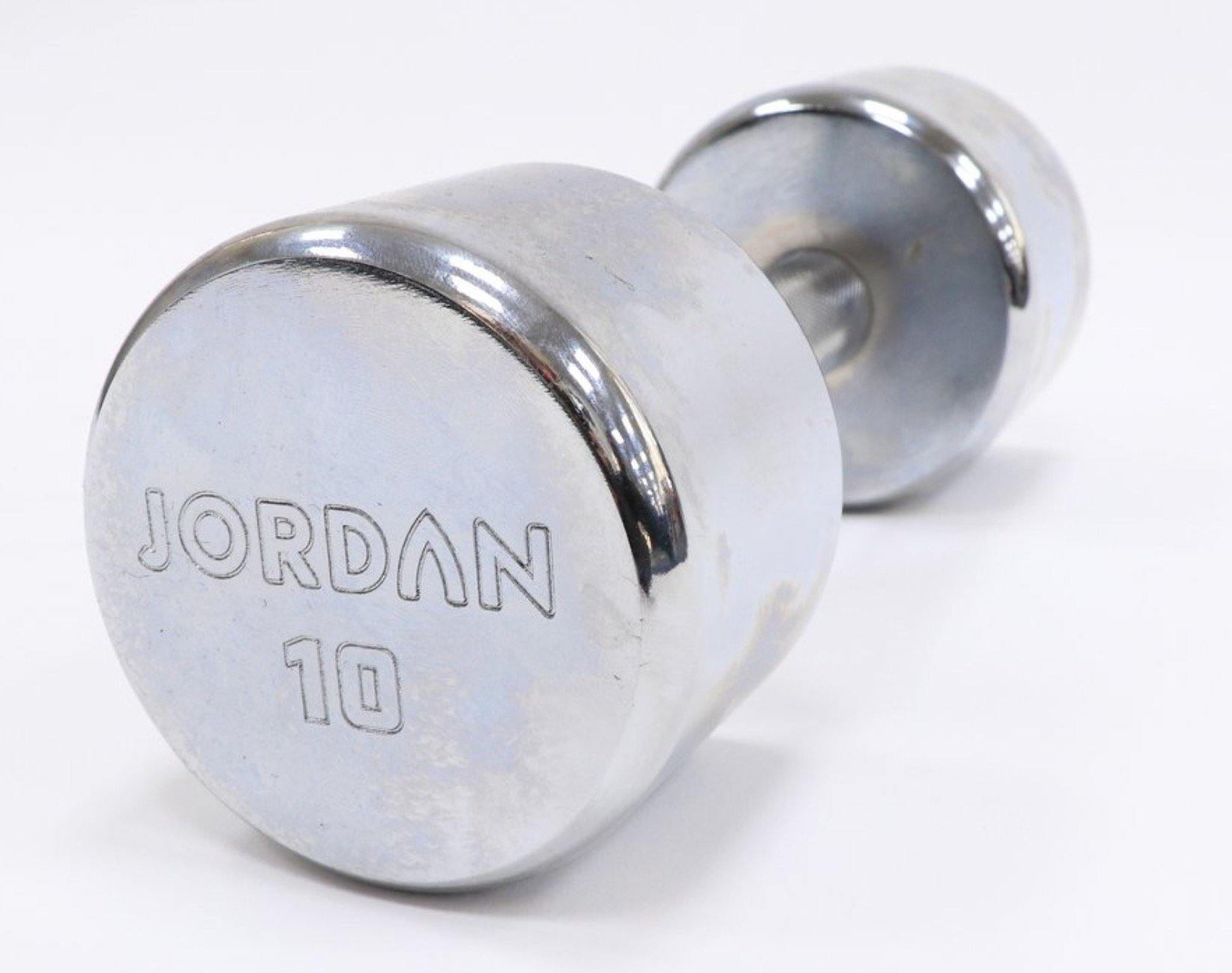
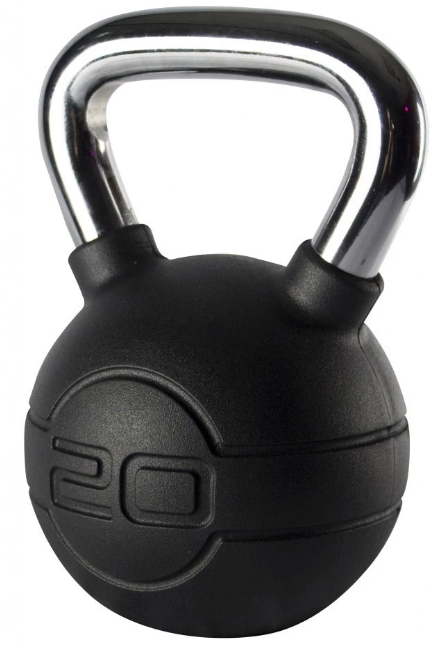
  • Weighted Russian Twist: Use a dumbbell, weight plate, medicine ball, or kettlebell to increase core demand and resistive overload.
  • Leg float variation: Lifting the feet places more demand on hip flexors and the lower transverse abdominis, challenging balance and stability.
  • Decline/Incline Bench Twist: Perform on a decline bench to intensify abdominal involvement and reduce lumbar strain for some users.
  • Standing Russian Twist: A closed-chain variation that emphasizes anti-rotation and can integrate cable or band resistance for more functional training.
  • Mason Twist: A more advanced version, performed with the legs straight out and off the floor, demanding maximal core balance and control.
  • Punch Twist: Instead of holding a weight, mimic a "punch" at each end range to integrate shoulder and arm dynamics (useful for fighters or rotational athletes).

Sports and Functional Relevance

Rotational ability is critical in most sports, from golf and tennis to baseball, hockey, and combat athletics. Up to half of force generation in swinging or throwing can come from the trunk. Russian twists develop:

  • Trunk rotational power
  • Anti-rotational control and resilience
  • Core-to-extremity force transfer for striking, hitting, throwing, or kicking.

In non-athletic populations, Russian twists improve balance, functional stability, and general core strength—important for injury prevention and daily movements like turning, lifting, or bracing.

Russian Twists Benefits

Russian Twists train the complete core function: Dynamic and isometric contractions through a large ROM.

  • Targets the obliques effectively: The main function of the obliques—rotation—is directly trained.
  • Enhances core endurance and control: Useful for repetitive sport actions and supporting spinal health.
  • Can be progressively overloaded: From bodyweight to heavy weighted implements, suitable for all training levels.
  • Versatile: Adaptable for power, strength, hypertrophy, or rehab circuits.

 Faults, and Contraindications

Potential Issues:

  • Lumbar Spine Stress: Rounding the back or excessive twisting from the lumbar region can strain discs and ligaments.
  • Poor Technique: Swinging the arms, twisting too rapidly, or using excessive load can reduce core involvement and increase risk.
  • Pre-existing Low Back Pain: Not recommended without medical clearance for those with unresolved lumbar spine issues.

Russian Twists - Mistakes & Progression Video

Russian Twists Mistakes and Corrections:

  1. Rounding the spine → Focus on chest up, neutral back throughout.
  2. Using arms to move weight → Arms should stay fixed relative to the trunk; ensure rotation comes from the torso.
  3. Twisting too quickly → Use a slow, deliberate tempo, pausing to maximize muscular engagement.
  4. Lifting feet too high → Only slightly elevate the feet; prioritise control over range or load.
  5. Overloading → Start with light or body weight, increasing resistance only when technique is consistent.
  6. Holding breath → Breathe with each twist; avoid Valsalva unless experienced and appropriate for load.

Russian Twists Programming

Russian twists fit well within core-specific days, athletic rotations, or conditioning circuits:

  • Beginners: Bodyweight only, feet on floor, 2–3 sets of 10 reps per side.
  • Intermediate: Light weight or feet off ground, 3–4 sets of 12–16 reps per side.
  • Advanced: Kettlebell or medicine ball, decline bench or Mason twist, 3–5 sets of up to 20 reps per side or in interval/timed sets.

They may be programmed after multi-joint strength exercises or as part of a standalone core circuit, integrated 2–3 times per week. Pair with anti-extension or anti-lateral flexion work (e.g., planks, side planks) for a balanced core routine.

Russian Twists Alternatives

For those unable to perform Russian twists or seeking variety, consider:

  • Side plank with rotation (less lumbar stress, high oblique engagement).
  • Plank with hip dips (forearm plank, rotate hips side to side).
  • Seated cable rotations (machine-based, adjustable resistance and range).
  • Standing band/cable rotations (functional core and anti-rotation).
  • Bird dog (focuses on anti-rotation, low back friendly).

Russian Twists  Tips

Precautions:

Consult a Physio or certified PT before starting if there are underlying spinal or abdominal conditions.

If pain arises, stop and seek professional advice—never “push through” spinal discomfort.

Practical Guidelines:

  • Progress load and challenge gradually.
  • Never compromise technique for more reps or heavier weight.
  • Integrate into balanced programs with both flexion and anti-rotational exercises.
  • Allow adequate recovery, especially after high-volume or heavily loaded sessions.

Russian Twists Concluding Thoughts

The Russian twist remains one of the most widely used core rotations in modern fitness. When performed correctly, it powerfully recruits every major and minor core muscle, carries over to sport and daily function, supports spinal health, and allows for substantial progression. However, as with any movement, technique and progression are essential to minimise risks and maximise benefit.

Whether for gym-goers chasing a strong, well-developed midsection or athletes cultivating rotational power, the Russian twist will continue to be a cornerstone movement—timeless in its simplicity, challenging in its execution, and potent in its impact on core strength and function.