Nationwide Sales & Service - 01536 802333

Skull crushers are one of the best triceps isolation exercises for building stronger, fuller arms. They can be done with a straight bar, EZ bar, or dumbbells, and each version has its own benefits depending on your goals, comfort, and training style.
Skull crushers, also called lying triceps extensions, are a horizontal elbow-extension movement performed while lying on a bench. The exercise is called “skull crushers” because the weight is lowered toward the head or forehead area, although in proper form it should be controlled and safe. They are a staple triceps exercise for both strength and hypertrophy training.
The movement is simple, but highly effective. By keeping the upper arms relatively still and extending only at the elbows, you place direct tension on the triceps through a large range of motion.
Skull crushers primarily target the triceps brachii, which has three heads.
Triceps heads worked
Secondary muscles involved
The main benefit of skull crushers is that they isolate the triceps more directly than pressing exercises, making them excellent for arm development and assistance work for bench press strength.
Set up:
Execution
Form cues
A good training range is typically 8 to 15 reps, depending on whether the goal is strength, hypertrophy, or joint-friendly volume.
Different equipment changes the feel, loading potential, and joint comfort of skull crushers.
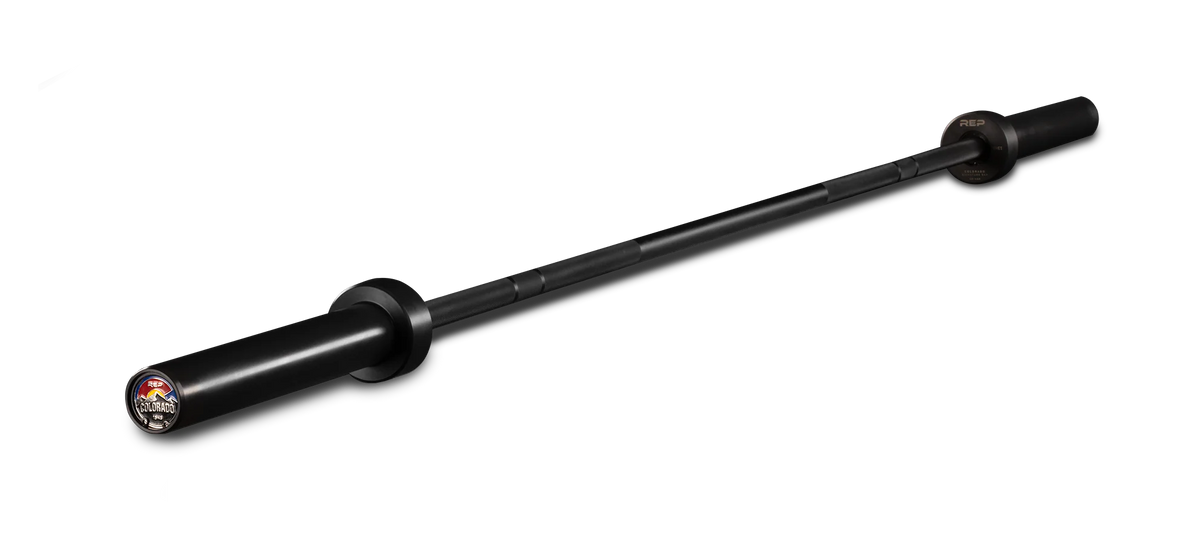
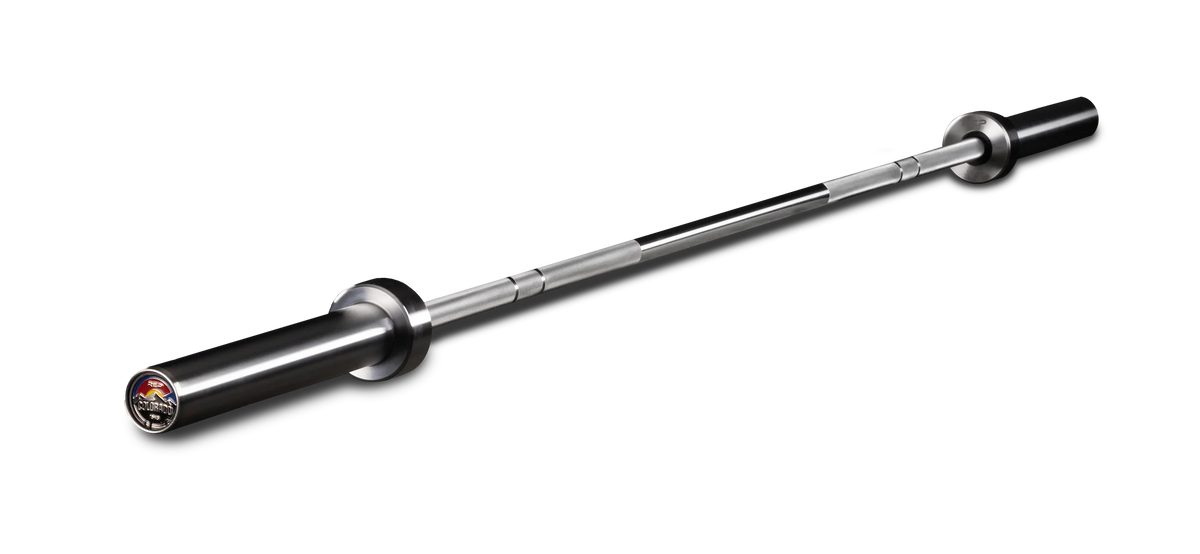
The straight bar version is the most traditional and usually the easiest to progressively overload. Because both hands are fixed on one implement, it creates a very stable movement pattern. The downside is that the fixed wrist position can be less comfortable for some lifters, especially if wrist or elbow mobility is limited.
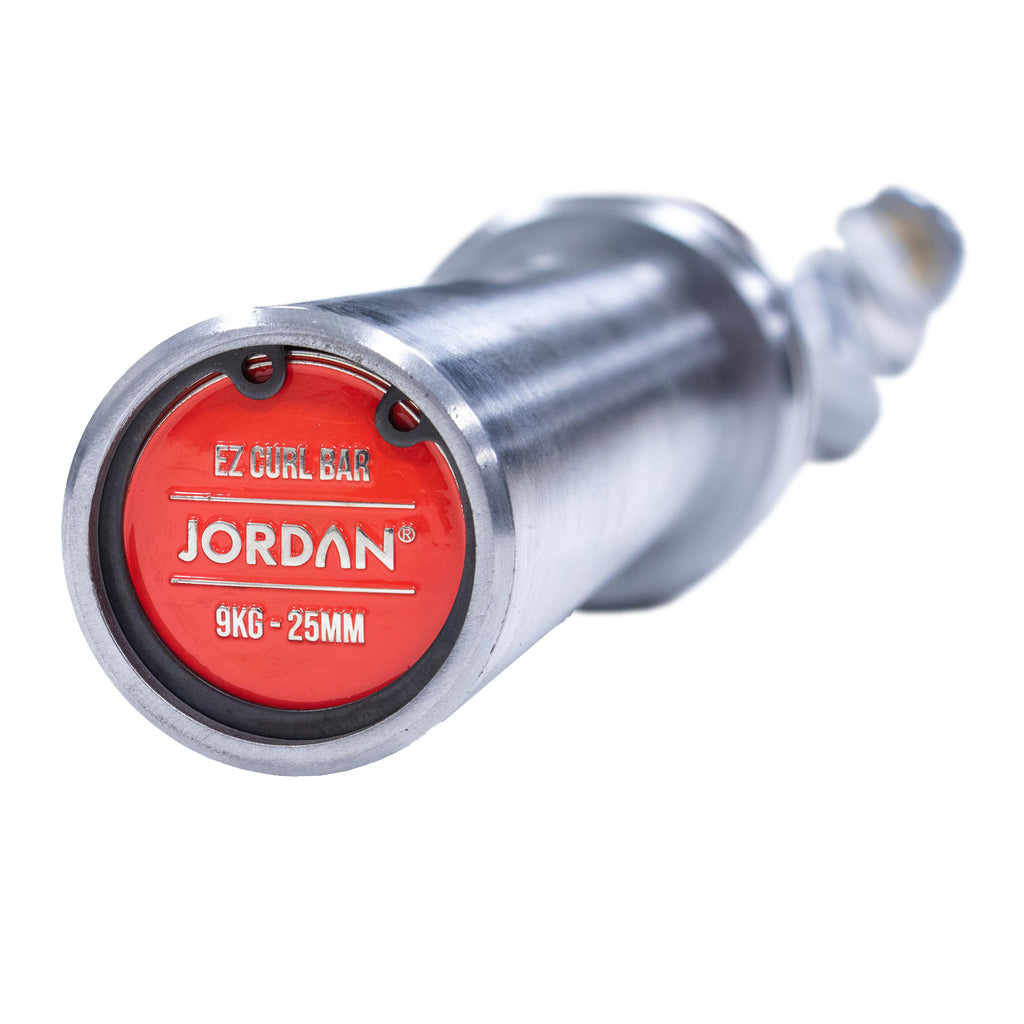
The EZ bar is often the best middle ground. The angled grips reduce wrist strain for many people and usually feel more natural at the elbows. It still allows good loading, which makes it a popular choice for lifters who want a balance of comfort and performance.
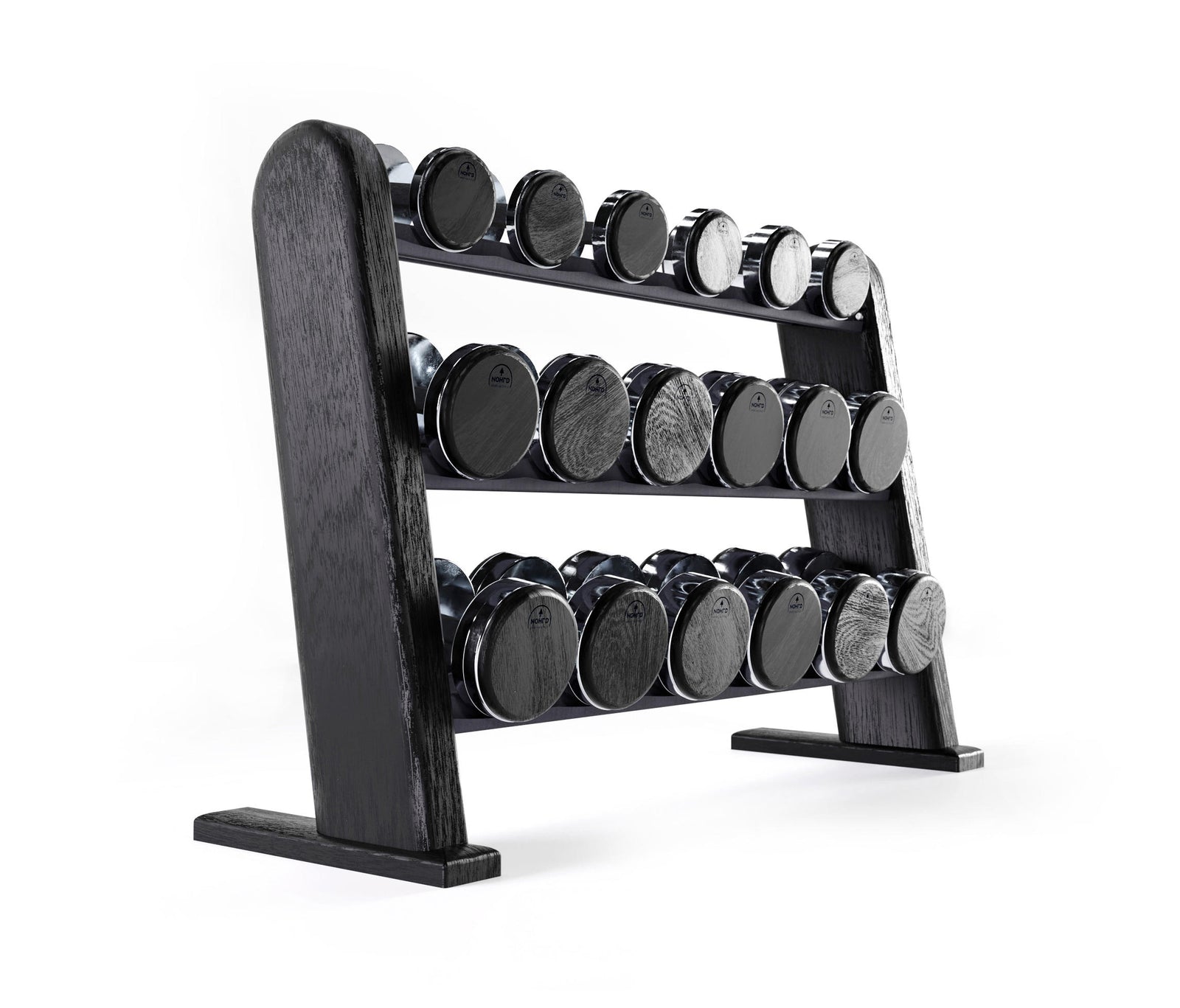
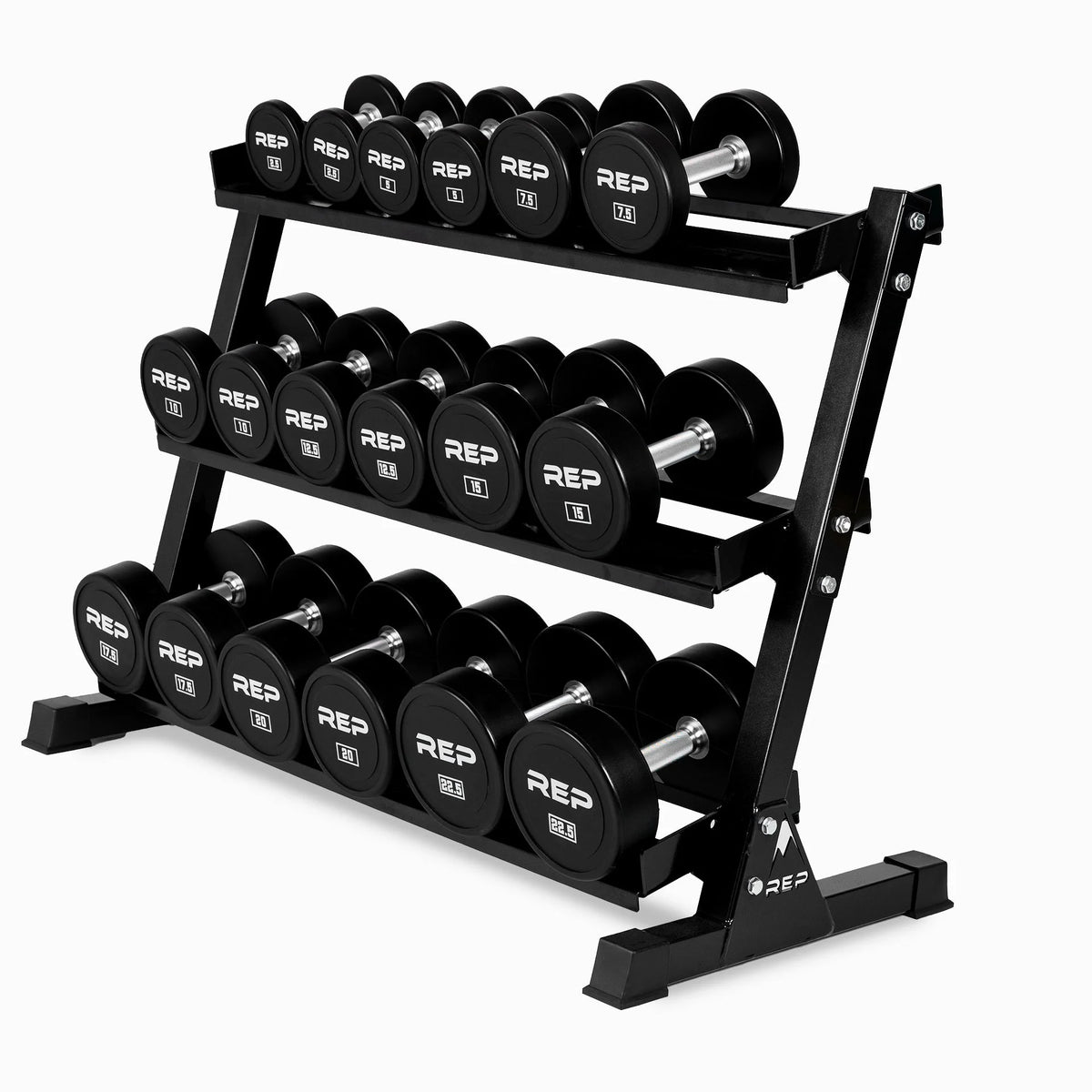
Dumbbells give each arm more freedom to move naturally. This can help reduce stress on the wrists and elbows and may also highlight strength imbalances between sides. Dumbbells usually require more control, but they often feel smoother and more joint-friendly.
Here’s how each version compares:-
| Variation | Main Benefits | Main Drawbacks | Best For |
|---|---|---|---|
| Straight bar / barbell | Easy to load heavily, stable bar path, strong overload potential | Can be harder on wrists and elbows, less forgiving on joint comfort | Lifters focused on strength and progressive overload |
| EZ bar | More wrist-friendly, often easier on elbows, still allows solid loading | Slightly less fixed than a straight bar, not as much freedom as dumbbells | Most lifters, especially those wanting a balance of comfort and load |
| Dumbbells | Independent arm work, natural wrist path, greater range of motion, often easier on joints | Harder to stabilize, usually less load than bar variations | Beginners, lifters with joint irritation, and those wanting unilateral control |
Barbell benefits
EZ bar benefits
Dumbbell benefits
There are several useful ways to modify skull crushers to suit different goals and training levels.
Flat bench skull crushers - This is the standard version and a great all-round choice for triceps size and strength.
Incline skull crushers - Performing the movement on an incline bench places the arms in a more stretched position and often increases emphasis on the long head of the triceps.
Decline skull crushers - A decline setup changes the angle of resistance and may feel easier on the shoulders for some lifters.
Behind-the-head skull crushers - Lowering the weight slightly behind the head increases the stretch on the triceps, especially the long head. This is a strong hypertrophy variation, but it requires good control.
Single-arm dumbbell skull crushers - These are useful for improving symmetry and focusing on one arm at a time. They can also help lifters find a more comfortable path.
Neutral-grip dumbbell skull crushers - Using a neutral grip can feel more natural on the elbows and wrists, especially for lifters who struggle with straight-bar versions.
Cable skull crushers - Cable versions provide constant tension through the whole range of motion and are often easier on the joints. They are a great option for higher-rep work.
Skull crushers work well after compound pressing movements such as bench press or overhead press. They are best used as an accessory lift rather than your main strength movement.
A solid approach is:
Skull crushers are a highly effective triceps exercise that can be performed with a straight bar, EZ bar, or dumbbells. The straight bar is best for heavy loading, the EZ bar is usually the most joint-friendly compromise, and dumbbells offer the most natural movement and unilateral control. With the right variation and good form, skull crushers can become one of the most productive exercises in your arm training routine.