Nationwide Sales & Service - 01536 802333

Steady state cardio is a form of cardiovascular exercise performed at a consistent, moderate intensity for an extended period—typically 20 minutes to several hours. Unlike high-intensity interval training (HIIT), which alternates between bursts of maximum effort and recovery, steady state cardio maintains a stable heart rate and effort level throughout the entire session.
This training method has been a cornerstone of endurance development for decades, favoured by distance runners, cyclists, and fitness enthusiasts seeking sustainable, low-impact cardiovascular conditioning.
Steady state cardio typically occurs in Zone 2 or Zone 3 of your heart rate training zones—approximately 60–75% of your maximum heart rate. At this intensity, your body can sustain aerobic metabolism, efficiently using oxygen to convert fat and carbohydrates into energy without accumulating significant lactate.
This "conversational pace" allows you to maintain the effort whilst still being able to speak in full sentences, making it an accessible and sustainable training method for most fitness levels.
During steady state cardio, your aerobic energy system is the primary fuel source. Your body oxidises fat and glycogen in the presence of oxygen, producing ATP (adenosine triphosphate) to power muscle contractions. This process is highly efficient and can be sustained for extended periods, unlike anaerobic pathways that fatigue quickly.
Regular steady state training strengthens the heart muscle, improves stroke volume (the amount of blood pumped per beat), and enhances overall circulatory efficiency. This leads to a lower resting heart rate and improved cardiovascular endurance over time.
At moderate intensities, your body preferentially burns fat as fuel. Whilst total calorie burn may be lower than high-intensity exercise, the proportion of calories from fat is higher, making steady state cardio an effective tool for body composition goals when combined with proper nutrition.
The lower impact and intensity of steady state cardio place less stress on joints, connective tissues, and the central nervous system compared to high-intensity training. This makes it ideal for active recovery days, injury rehabilitation, or building an aerobic base without excessive fatigue.
The rhythmic, meditative nature of steady state cardio can reduce stress, improve mood, and provide mental space for reflection—benefits often cited by long-distance runners and cyclists.

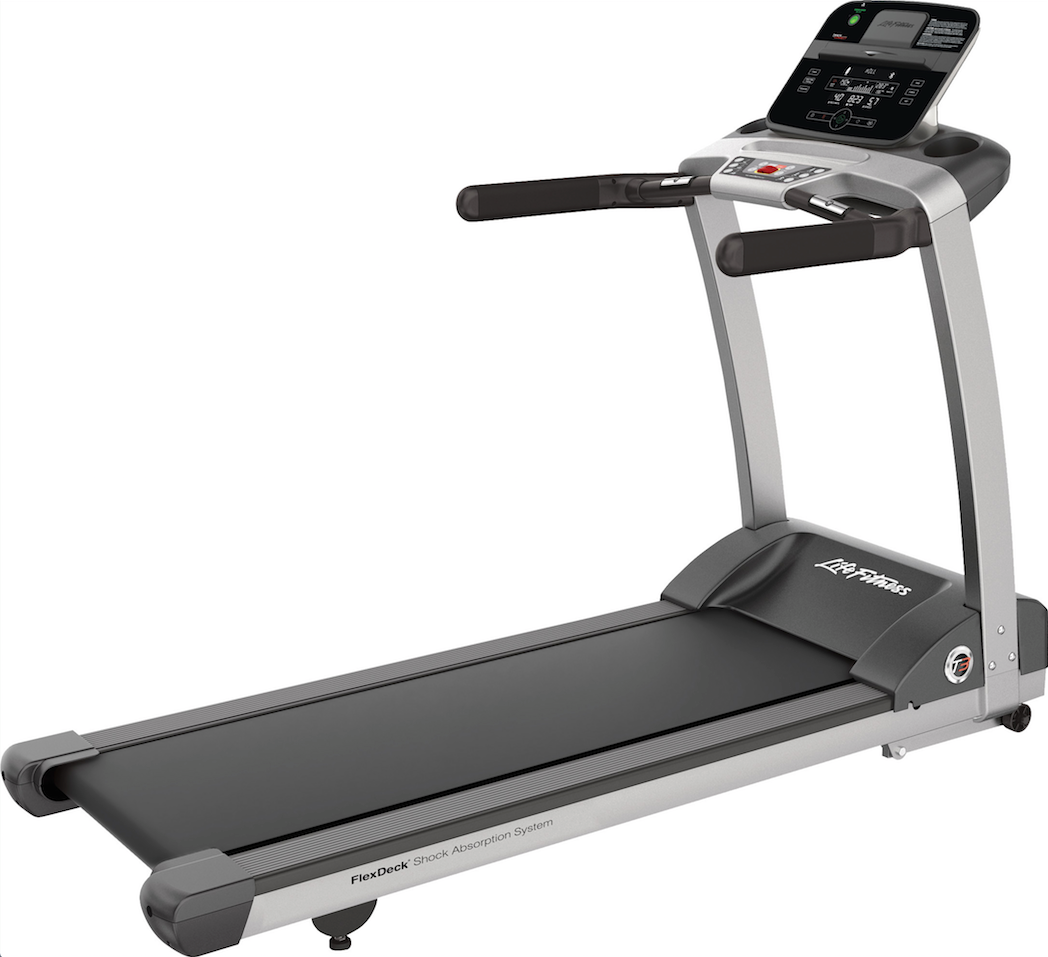
Treadmills offer precise control over speed and incline, making them ideal for maintaining consistent intensity. A brisk walk at an incline or a moderate-paced jog can deliver excellent steady state benefits in a controlled environment. The NordicTrack Treadmills are a serious contender with the IFit app for engagement and structure.
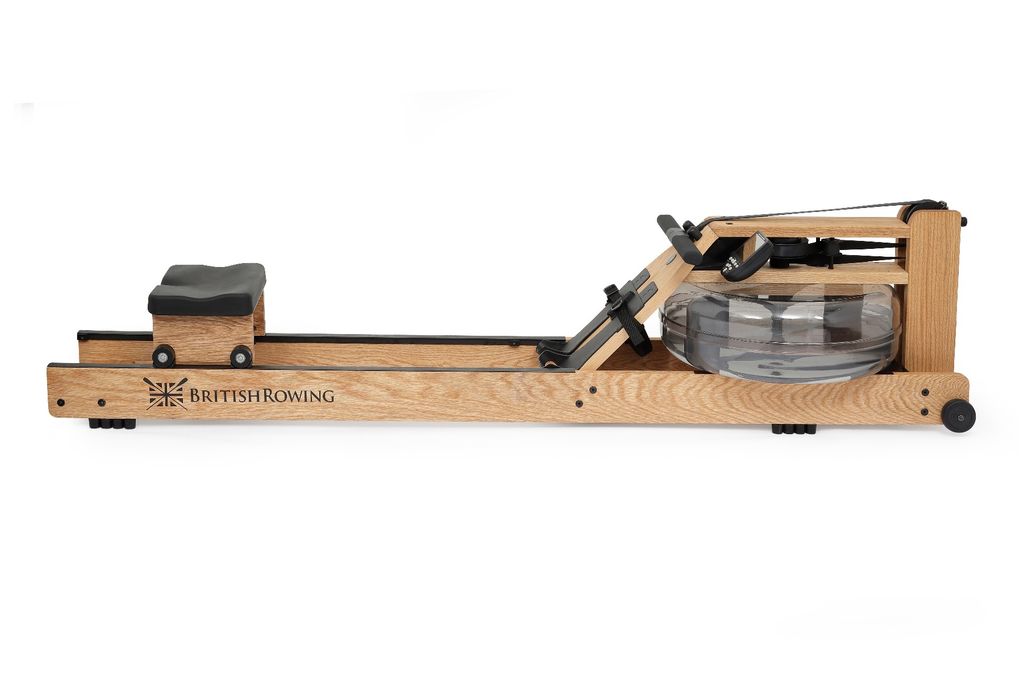
Rowing machines such as the WaterRower provide a full-body, low-impact workout that engages the legs, core, and upper body. The smooth, rhythmic motion is perfect for sustained aerobic effort whilst minimising joint stress.
Whether on a stationary bike or cycling outdoors, this modality is exceptionally joint-friendly and allows for long-duration sessions. Premium bikes from brands like Life Fitness & Technogym offer programmable resistance and heart rate monitoring to keep you in the optimal zone.
Vertical climbers and stair-climbing machines such as the STEPR deliver a unique combination of lower-body strength and cardiovascular conditioning. The continuous, low-impact motion is ideal for steady state training with added muscular engagement.
Ellipticals provide a low-impact alternative to running, reducing stress on the knees and hips whilst still delivering effective cardiovascular stimulus. They're particularly useful for those recovering from injury or seeking joint-friendly options.
Begin with a gradual increase in intensity to elevate your heart rate and prepare your muscles and joints. This might include light walking, easy cycling, or dynamic stretching.
Maintain a consistent effort in your target heart rate zone. Focus on controlled breathing, good posture, and a sustainable pace. Use a heart rate monitor or perceived exertion to ensure you're not drifting into higher-intensity zones.
Gradually reduce intensity to bring your heart rate down and promote recovery. Follow with static stretching to maintain flexibility and reduce muscle tension.
For general fitness, aim for 3–5 sessions per week. Endurance athletes may incorporate daily steady state work as part of their base-building phases.
Sessions typically range from 30 to 60 minutes, though beginners may start with 20 minutes and gradually build volume. Longer sessions (60–90 minutes) are common in endurance training programmes.
Increase duration before intensity. Once you can comfortably sustain 45–60 minutes, you may gradually increase pace or resistance, or incorporate varied terrain (inclines, intervals) to continue adaptation.
Both training methods have their place in a well-rounded fitness programme. Steady state cardio excels at building aerobic capacity, promoting recovery, and supporting long-term cardiovascular health. HIIT, on the other hand, is time-efficient, boosts metabolic rate, and improves anaerobic capacity.
The optimal approach often involves a blend: steady state sessions for base conditioning and recovery, complemented by occasional high-intensity work for performance and metabolic benefits.
Many people inadvertently push into higher heart rate zones, turning steady state sessions into moderate-to-high intensity efforts. This reduces fat oxidation, increases fatigue, and undermines recovery. Use a heart rate monitor to stay disciplined.
Repeating the same modality and intensity can lead to plateaus and overuse injuries. Rotate between different equipment and vary duration and terrain to keep your body adapting.
Jumping straight into steady state effort or stopping abruptly can increase injury risk and hinder recovery. Always bookend your sessions with proper preparation and recovery protocols.
Steady state cardio is a versatile tool that fits seamlessly into most training programmes. Use it as a foundation for endurance sports, a recovery modality between strength sessions, or a standalone method for cardiovascular health and stress management.
Pair your steady state sessions with premium, low-impact equipment designed for comfort and longevity—such as Technogym treadmills, WaterRowers, or STEPR vertical climbers—to create a sustainable, spa-inspired home gym experience that supports your long-term wellness goals.
1. What is steady‑state cardio?
Steady‑state cardio is continuous exercise at a fairly constant pace and effort, like a 30–45 minute brisk walk, easy jog, or cycle where your heart rate stays in roughly the same zone the whole time.
2. How hard should it feel?
It should feel easy‑to‑moderate: your breathing is up, you may sweat, but you can still talk in short sentences without gasping, and you feel like you could keep going for at least 20–30 minutes.
3. How long should a steady‑state session be?
Most sessions are 20–60 minutes of continuous movement, with 30–45 minutes being common for general fitness; under about 15–20 minutes is usually too short to get most of the benefits.
4. What heart‑rate zone is “steady state”?
A common target is about 60–70% of your estimated max heart rate (often called LISS/MISS ranges), where effort is clearly above rest but well below all‑out interval work.
5. What are some examples of steady‑state cardio?
Brisk walking, light jogging, steady cycling, swimming lengths at a relaxed pace, rowing at a constant split, hiking, or using an elliptical or stepper at a fixed, comfortable setting are classic options.
6. What does steady‑state cardio do for my heart and health?
It strengthens the heart muscle, improves circulation, and helps lower the risk of conditions like heart disease and high blood pressure when done regularly.
7. Is steady‑state cardio good for fat loss?
Yes; it increases calorie burn and improves how your body uses fat for fuel, and when combined with an appropriate diet, it supports fat loss without the burnout some people get from constant HIIT.
8. Does it help endurance and stamina?
Consistent steady‑state training builds a strong aerobic “base,” so everyday activities and workouts feel easier, and you can go longer before fatiguing.
9. Is it lower impact and joint‑friendly?
Many steady‑state options—like walking, cycling, elliptical, and swimming—are low impact, making them suitable for people with joint issues or those returning to exercise.
10. How many times per week should I do steady‑state cardio?
For general fitness, 2–5 steady‑state sessions per week works well, adjusted for your schedule, recovery, and what other training (like lifting or sports) you’re doing.
11. How do I fit it around strength training?
A common approach is 1–3 steady‑state sessions on days you’re not lifting, or after lighter lifting sessions, keeping the intensity moderate so it supports recovery instead of interfering with strength work.
12. What’s the difference between steady‑state and LISS?
LISS (Low‑Intensity Steady‑State) is a sub‑type of steady‑state at the easier end (around 50–65% HRmax); all LISS is steady‑state, but some steady‑state sessions are a bit harder, like a steady 10 km run.
13. Is steady‑state “too easy” to be effective?
It may feel manageable, but over weeks and months, the accumulated time at that effort drives big improvements in aerobic capacity, recovery, and health, especially if you’re consistent.
14. Is steady‑state safe for beginners or older adults?
For most people it’s one of the safest entry points, especially walking, cycling, or swimming; anyone with medical conditions or heart issues should check with a healthcare professional first.
15. What are common mistakes with steady‑state cardio?
Typical errors include going too hard (turning it into disguised intervals), gripping machine rails, using poor posture, never changing modality or settings, and watching the clock instead of relaxing into the session.
16. How do I know if I’m overdoing it?
Warning signs include persistent fatigue, sore joints that worsen over time, declining performance, or dread before every session; if these show up, reduce volume/intensity and add rest or variety.
Steady state cardio is a proven, accessible, and sustainable approach to cardiovascular fitness. By understanding the physiological principles, selecting appropriate modalities, and structuring your sessions thoughtfully, you can build a robust aerobic base, support recovery, and enjoy the mental and physical benefits of consistent, moderate-intensity exercise.
Whether you're training for an endurance event, seeking to improve general fitness, or simply looking for a low-impact way to stay active, steady state cardio deserves a central place in your training toolkit.