Nationwide Sales & Service - 01536 802333

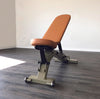
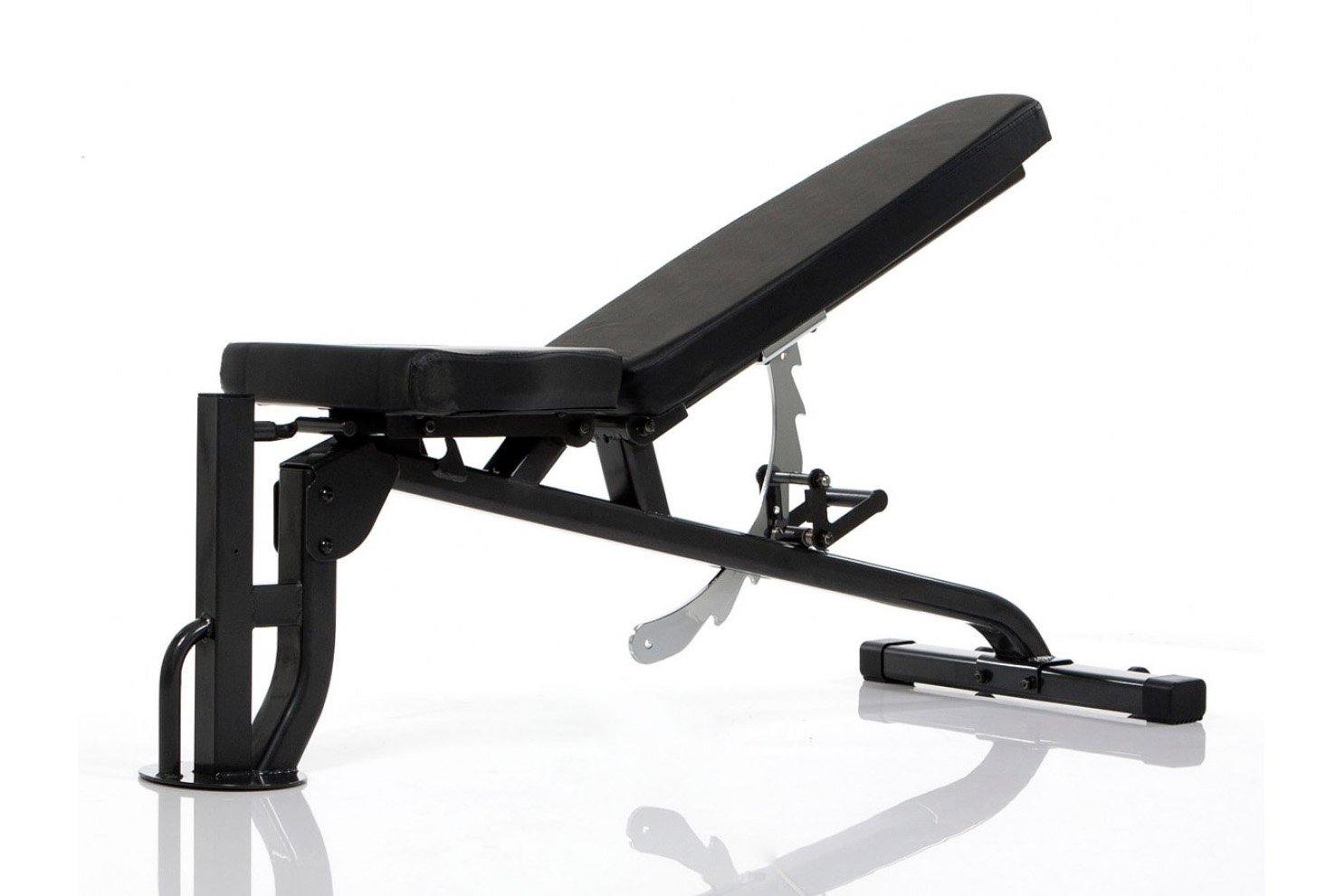
Check our range of smart adjustable weight bench options quality adjustable weight training benches providing flat, incline decline positions ideal for weightlifting.From the leading strength brands such as Hammer Strength, Life Fitness, Technogym, Watson, InspireJordan and more.
If your looking for that special weight bench that adjusts, read about "our popular custom bench service" not just for gyms but sought after for our luxury home gym design clients, to provide that extra special touch.
Check our range of smart adjustable weight bench options quality adjustable weight training benches providing flat, incline decline positions ideal for weightlifting.From the leading strength brands such as Hammer Strength, Life Fitness, Technogym, Watson, InspireJordan and more.
If your looking for that special weight bench that adjusts, read about "our popular custom bench service" not just for gyms but sought after for our luxury home gym design clients, to provide that extra special touch.

Viewing 16 out of 23 products
Load MoreAdjustable weight benchesespecially FID (flat, incline, decline) models, offer superior versatility, more exercise variety, and the ability to target different muscle groups by altering the bench angle. Selecting the right adjustable bench depends on range of adjustment, build quality, comfort, safety features, and intended use—from home setups to commercial gyms.
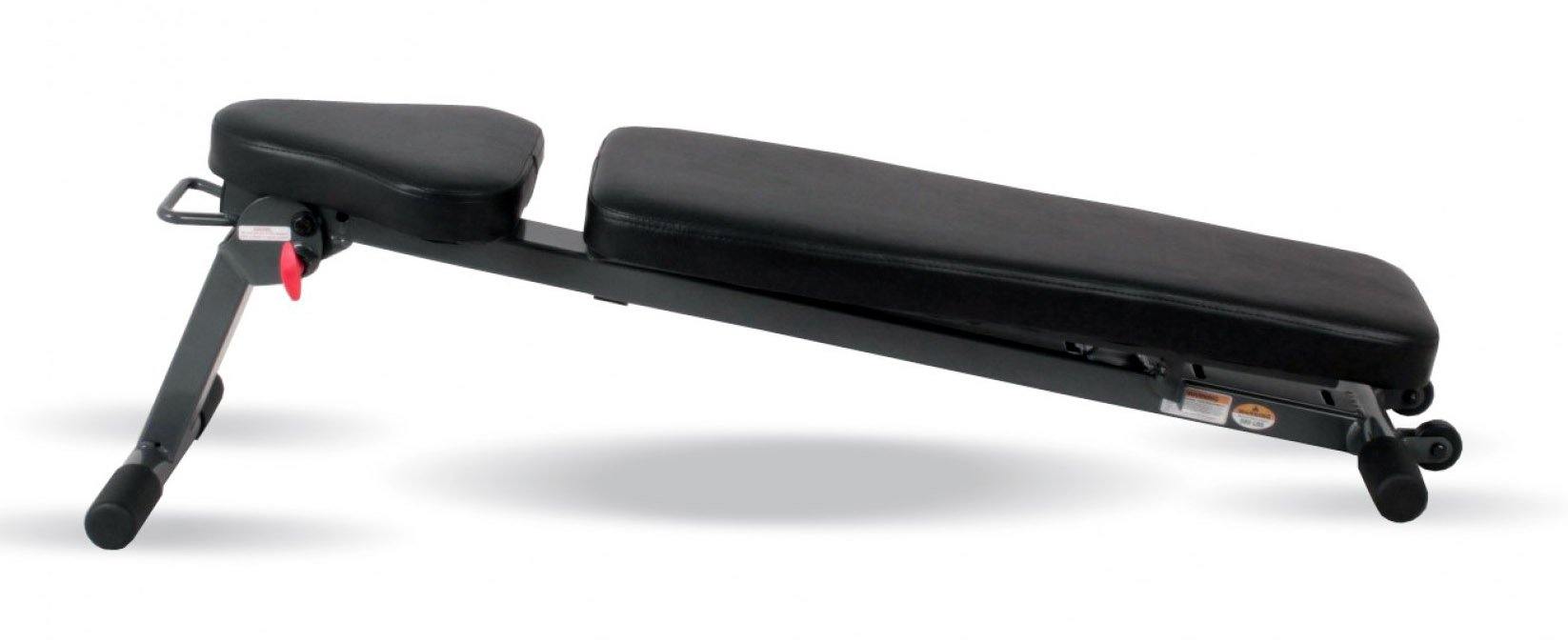
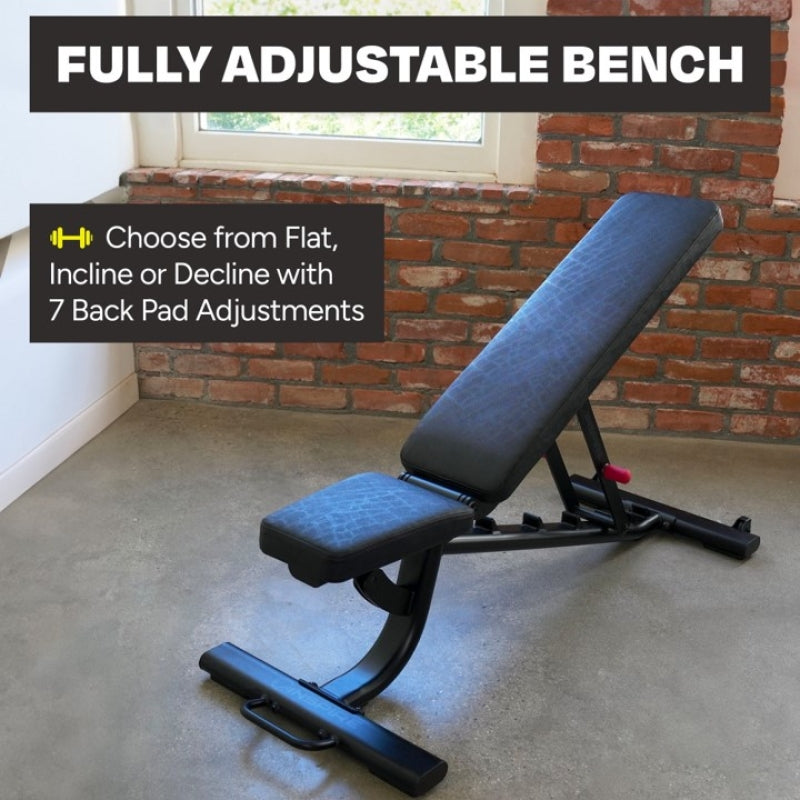
FID benches provide flat, incline, and decline positions, allowing users to perform a broader array of exercises, such as incline or decline presses, seated shoulder presses, and core movements. Adjusting the bench angle lets you target muscles differently—incline for upper chest, decline for lower chest, and flat for general pressing. Commercial-grade FID benches offer multiple angle settings (often 7 or more), thick, supportive padding, robust steel frames, high weight capacities , and stability features like wide bases and rubber feet. Some also include leg rollers for secure decline work and wheels for portability.
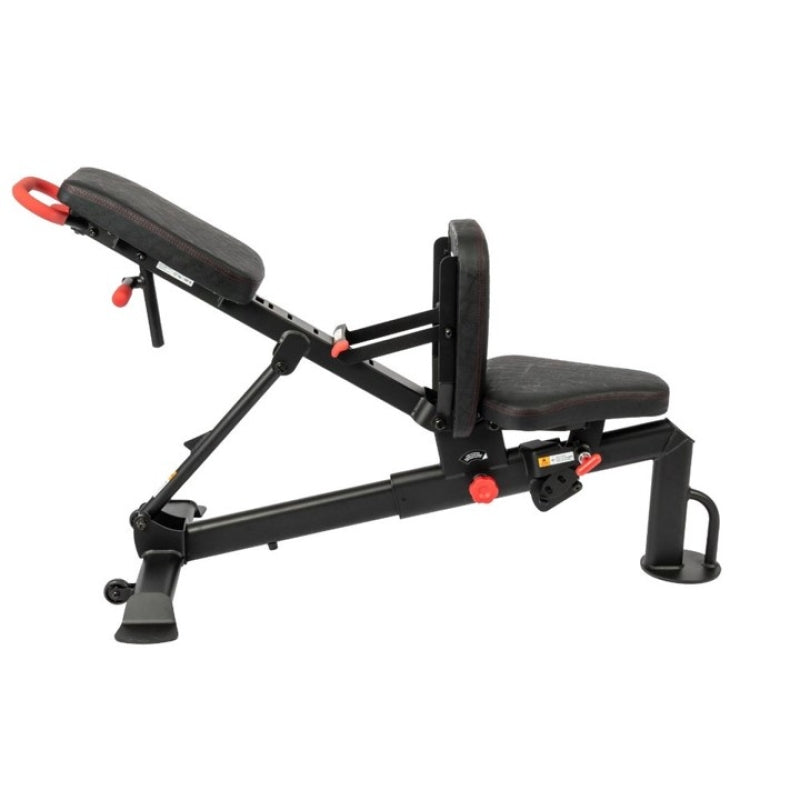
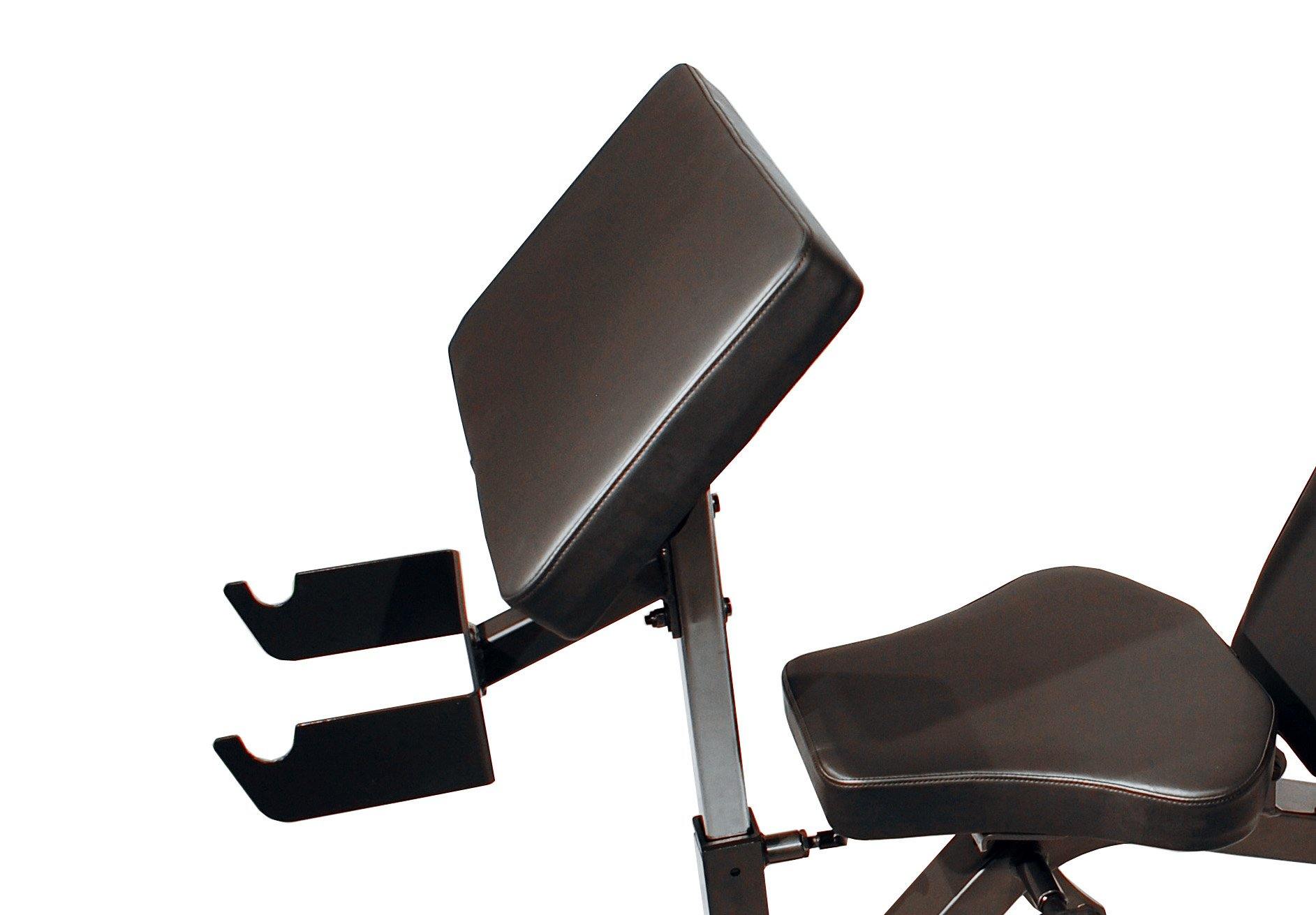
These benches focus on incline and decline settings, offering flexible positioning for presses, rows, sit-ups, and shoulder work. They typically include adjustable seat and backrest positions for comfort and support. Commercial examples feature sturdy frames, secure mechanisms, and options for leg attachment or Olympic-style decline support. Portability may include rear wheels and handles, and models are rated by load, ranging from 300–700 lbs.
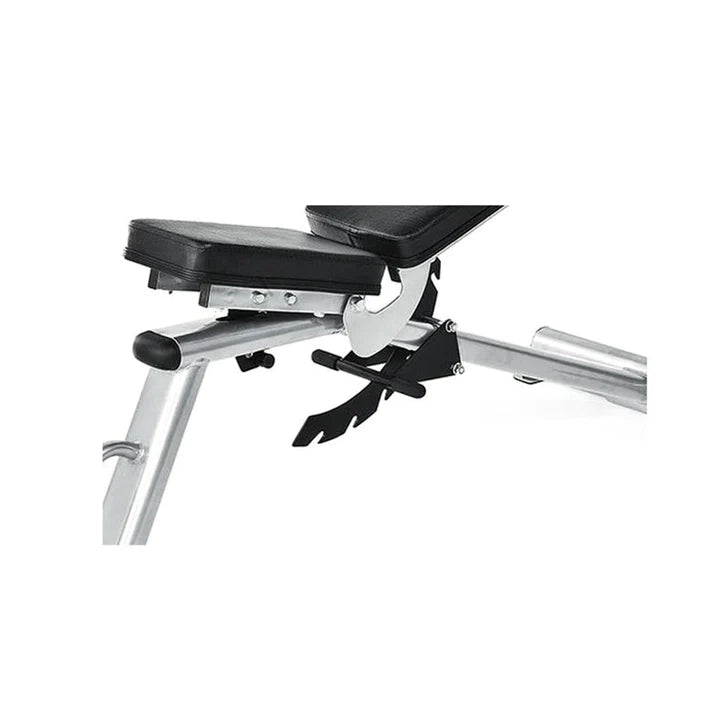
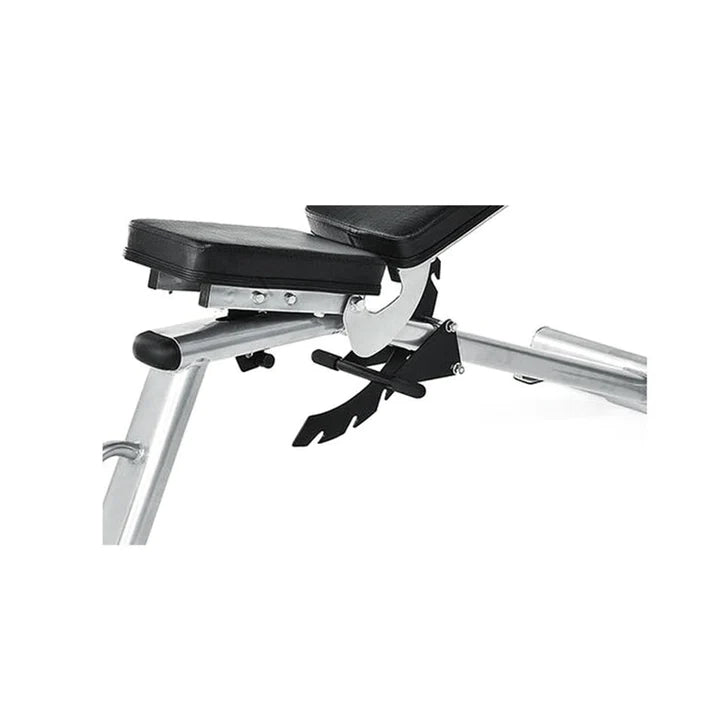
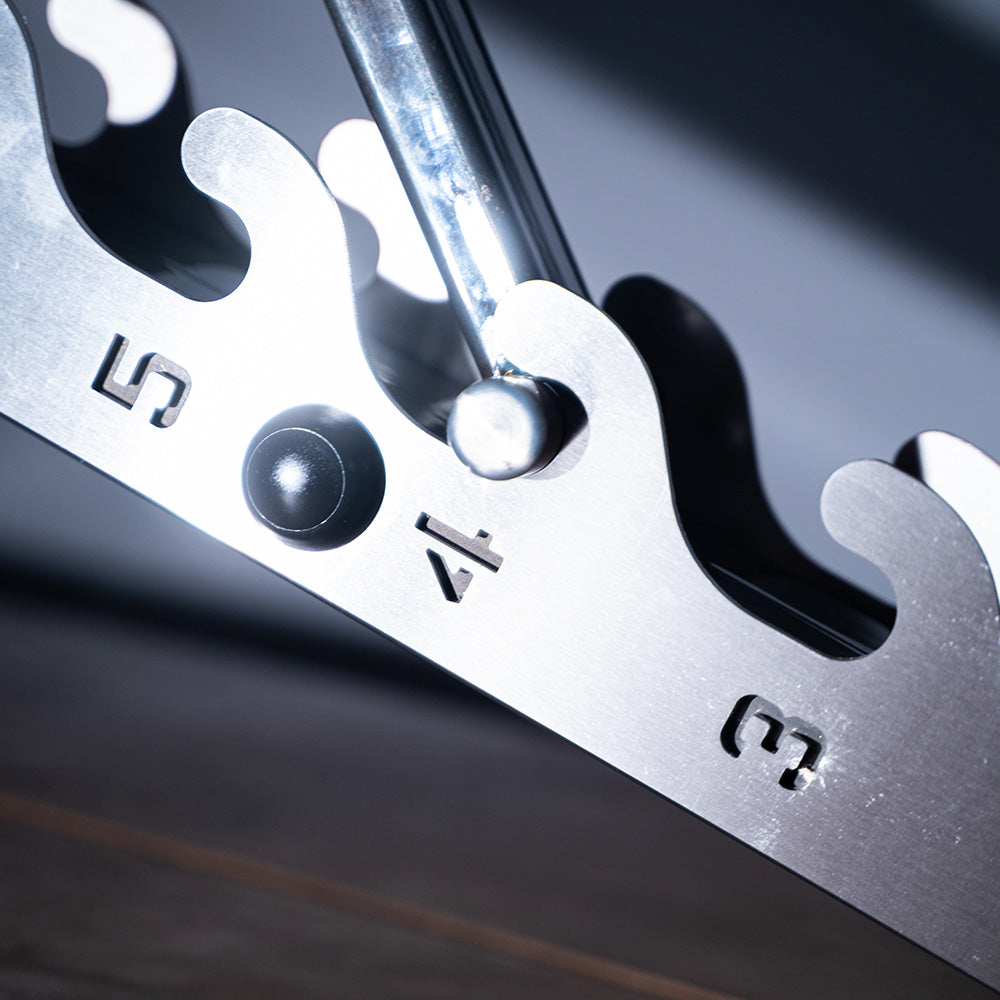
Premium adjustable benches stand out for frame quality (usually steel), high-density foam or polyurethane padding, clearly labeled adjustment positions, and stability-focused design like wide feet and textured pads. Zero-gap models eliminate spaces between seat and back, improving comfort and safety. For home gym users, foldability and lighter weights enhance storage and portability, while commercial users should prioritise weight load, robust adjustment mechanisms, and impact-resistant finishes.
How important is the seat adjustment?
Adjustable seat angles (beyond just a movable backrest) improve comfort and stability during incline work and keep you properly positioned for different lifts.
What weight rating do I need?
Always select a bench with a weight capacity greater than your own body weight plus the max you plan to press (including bar, weights, and dumbbells). Higher-rated benches support heavier training progression and have a longer lifespan.
Is a wide or narrow bench better?
Wider benches provide greater stability for heavy lifts, but make sure the pad is ergonomic and does not restrict arm movement. Some competitive powerlifters prefer narrower pads for better scapular movement.
Are all commercial-rated benches suitable for home use?
Yes, though they may be heavier and more expensive than required for casual home lifting. Home-focused benches often offer similar functions but are lighter and more affordable—choose based on lifting frequency and budget.
Are wheels and handles necessary?
Heavy benches (30+ kg) benefit from integrated wheels and handles for easy movement, especially in spaces where you'll relocate the bench frequently.