Nationwide Sales & Service - 01536 802333

An increasingly popular choice, a curved treadmill, is excellent for HIIT training as well as sustained running or fartlek sessions,, read why a curved treadmill is worth considering. Explore our range of quality curved running machines from the leading fitness brands such as NOHRD, Woodway, Hammer Strength, Half Human, Primal & Assault as well as Technogym and more. You might find useful our Treadmill Buying Guide
An increasingly popular choice, a curved treadmill, is excellent for HIIT training as well as sustained running or fartlek sessions,, read why a curved treadmill is worth considering. Explore our range of quality curved running machines from the leading fitness brands such as NOHRD, Woodway, Hammer Strength, Half Human, Primal & Assault as well as Technogym and more. You might find useful our Treadmill Buying Guide
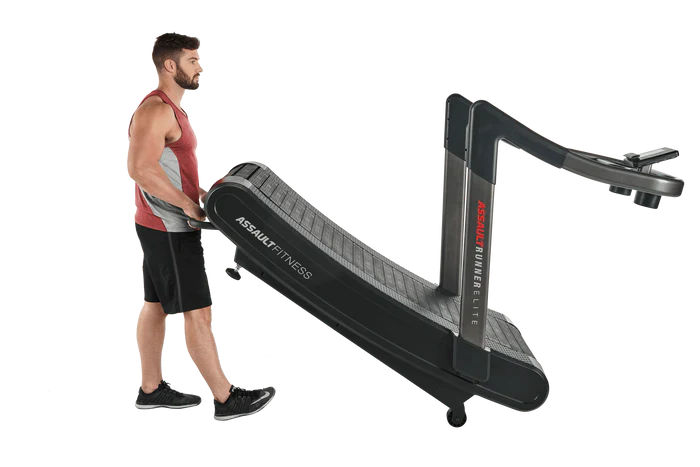
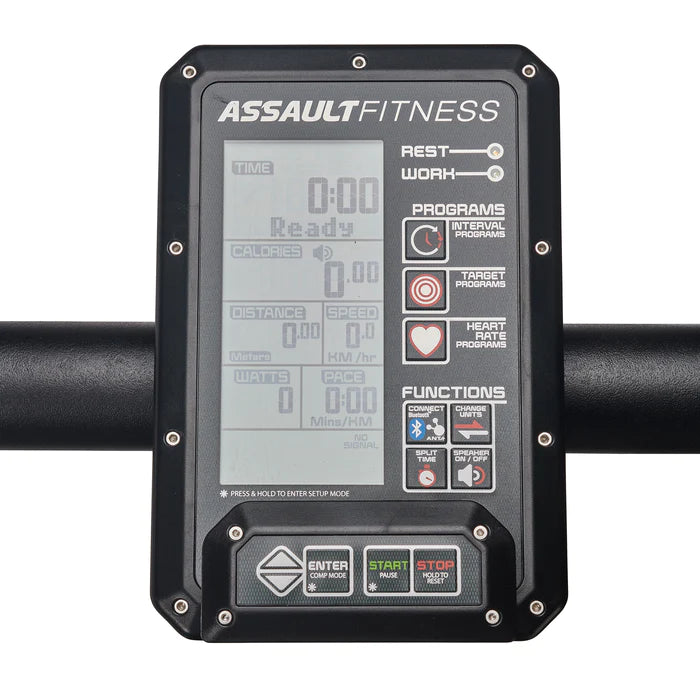
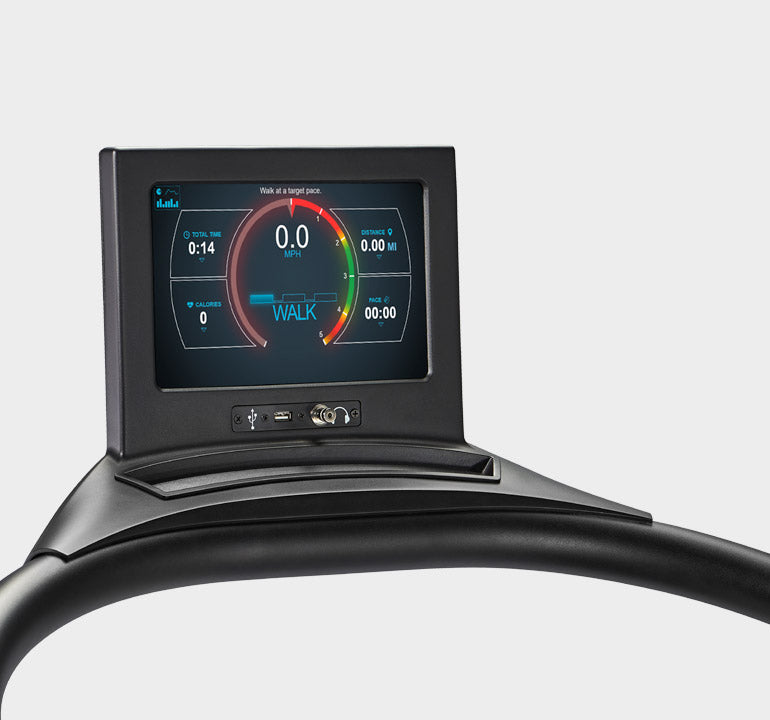
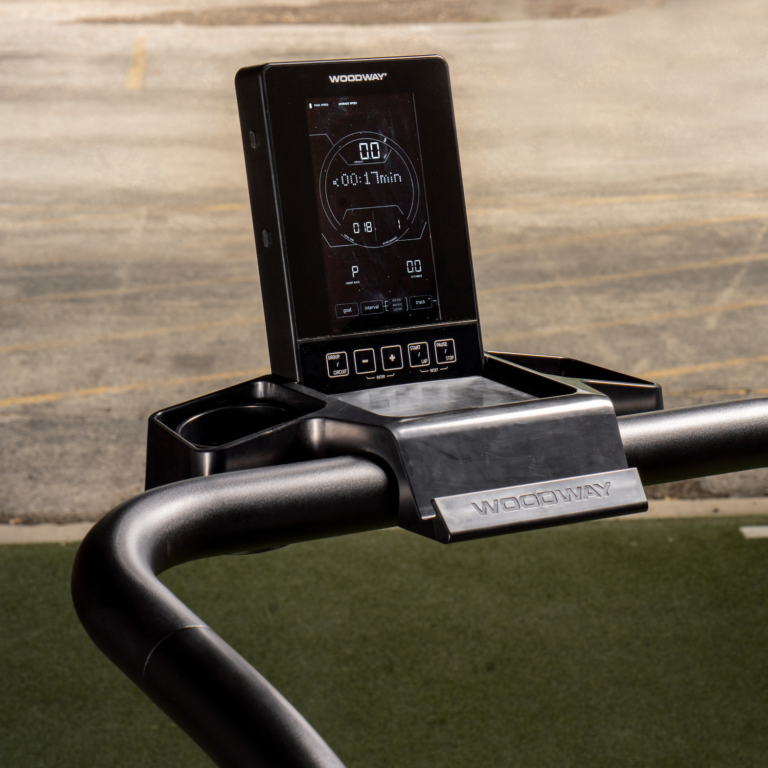
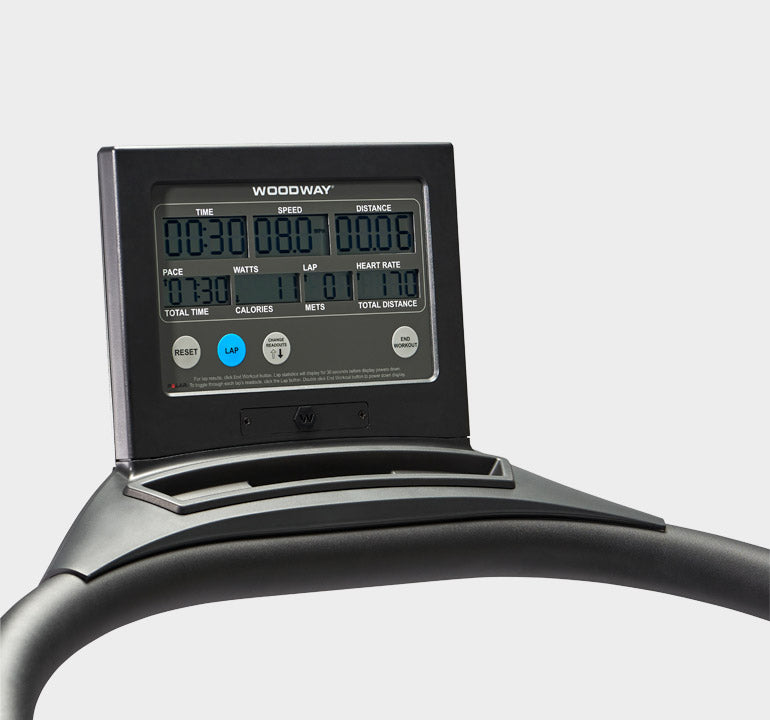
A curved treadmill offers unique benefits, especially suited for high-intensity workouts and improving running form. Here’s an overview of their benefits, how to use them, and buying tips:
What is a curved treadmill?
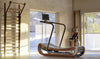
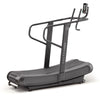
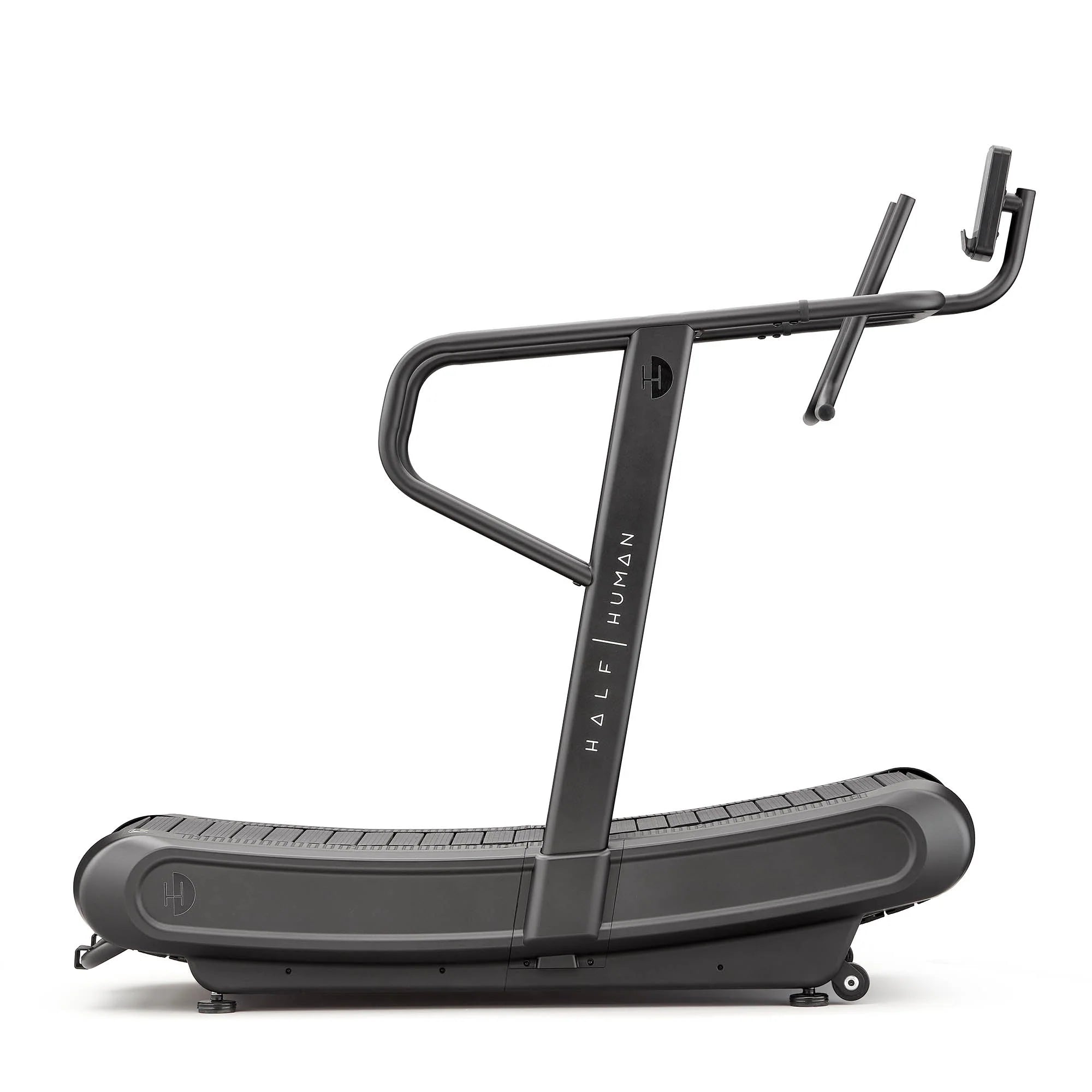
A curved treadmill is a manual, non-motorised treadmill with a concave running surface. The belt moves by the user's own effort, powered by the curved shape that facilitates belt movement as the user runs.
How does a curved treadmill work?
The user controls speed naturally by their position on the curved belt. Running toward the front increases speed, moving backward slows it down. The belt moves responsively to each stride without electronics or motors.
Are curved treadmills suitable for beginners?
Yes, beginners can start with slow walking or jogging and gradually increase intensity as they adapt to the self-paced mechanism.
How do I maintain a curved treadmill?
Maintenance is generally low—regular cleaning to remove debris, checking belt alignment, and lubrication if recommended by the manufacturer. Some models require no greasing.
What muscles does running on a curved treadmill target?
It targets the posterior chain (glutes, hamstrings, calves), core muscles, and also engages the arms and shoulders due to the user-driven belt propulsion.
Is it more challenging than a traditional treadmill?
Yes, because you power the belt yourself, workouts tend to be more intense with higher caloric expenditure and muscle activation.
Do curved treadmills require electricity?
No, they are completely self-powered, making them eco-friendly and usable in locations without power.
How do you control speed on a curved treadmill?
Speed is controlled by where you position your feet on the curved belt—moving forward speeds up the belt, moving back slows it down.
Are curved treadmills good for rehabilitation or recovery?
Yes, because of the lower impact and natural gait promotion, they are suitable for certain rehab and recovery programs but should be used under guidance for specific conditions.