Kettlebells | Kettlebell Sets Banner

Kettlebells | Kettlebell Sets

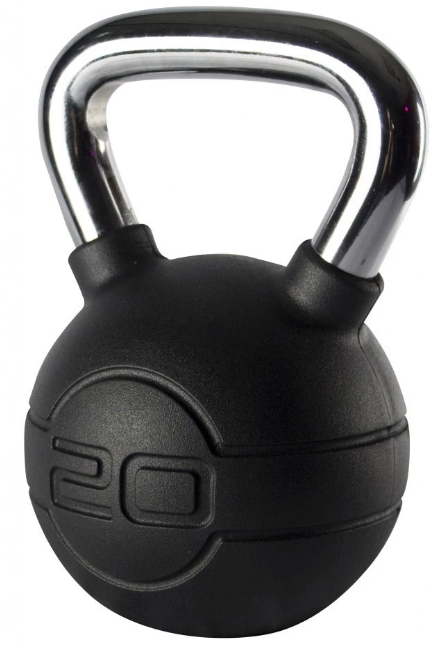
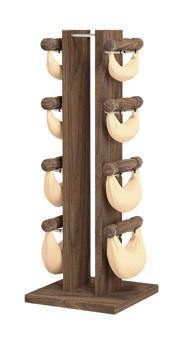
Offering a great variety of Kettlebells for CrossFit, Hyrox Training or working out with Swings in your workout. We can supply a kettlebell set made from Cast Iron, Rubber & Neoprene, in various weights such as 4kg, 6kg up to 24kg & 32kg, which can be bought as sets and even including kettlebell racks.

From the leading strength brands such as Jordan, Escape, Primal  & Bowflex, if your new to Kettlebells read our benefits of Kettlebell training feature.
Offering a great variety of Kettlebells for CrossFit, Hyrox Training or working out with Swings in your workout. We can supply a kettlebell set made from Cast Iron, Rubber & Neoprene, in various weights such as 4kg, 6kg up to 24kg & 32kg, which can be bought as sets and even including kettlebell racks.

From the leading strength brands such as Jordan, Escape, Primal  & Bowflex, if your new to Kettlebells read our benefits of Kettlebell training feature.

Kettlebells come in various types, each with unique benefits for strength and conditioning. Choosing the right style and construction is key to getting the best results and user comfort.

Kettlebell Types

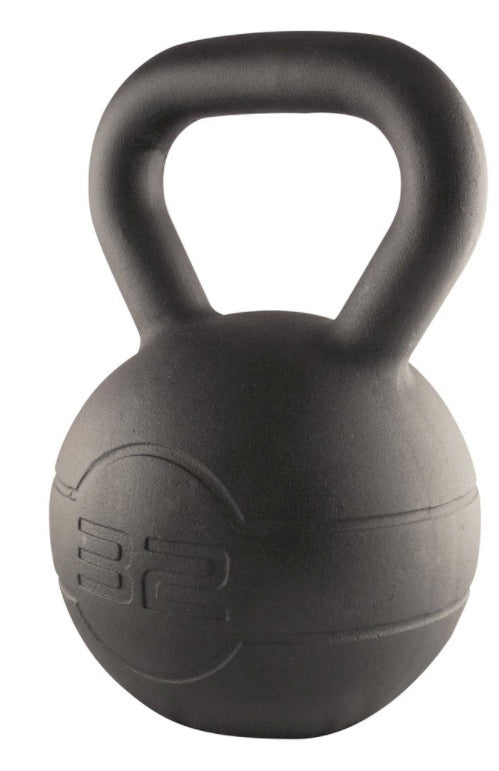
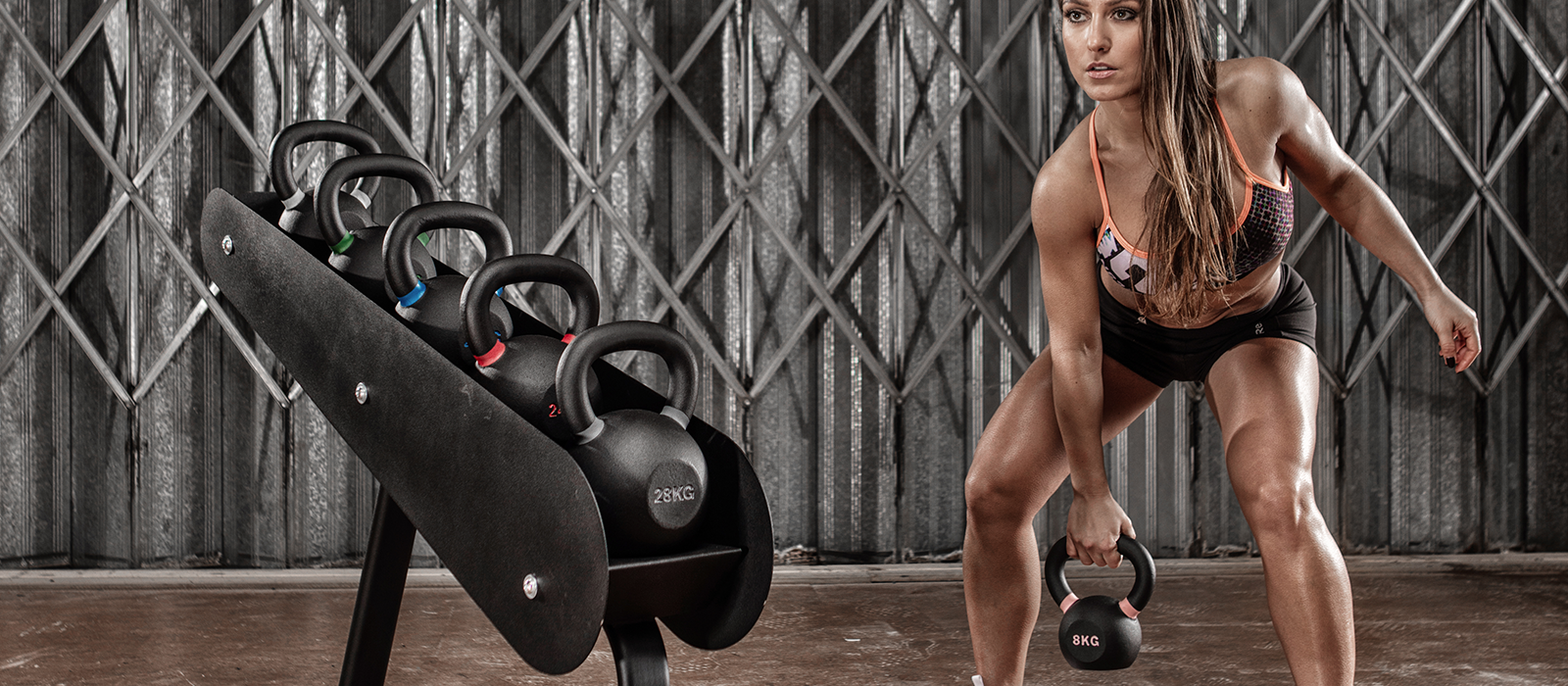
Cast Iron (Classic) Kettlebells

  • The original style, made from a single mold of cast iron.
  • Handle and window size increase as weight goes up.
  • Widely used for general fitness, HIIT, and home gyms.

Competition (Pro Grade) Kettlebells

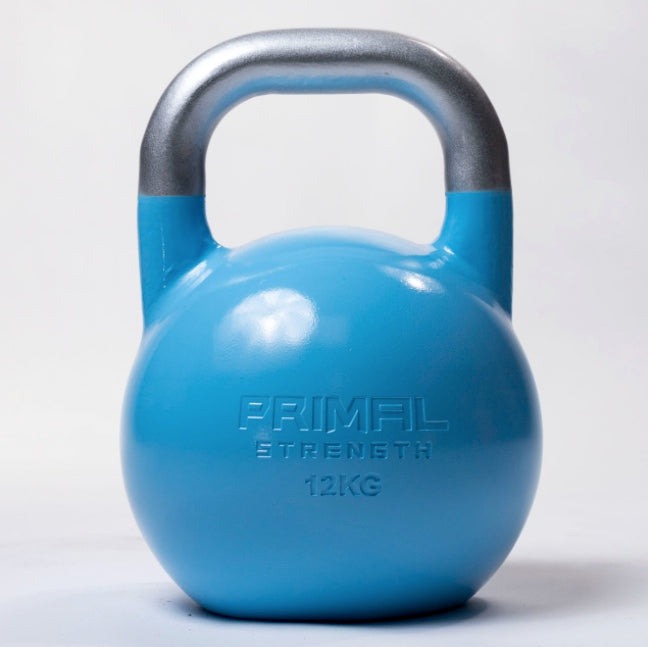
  • Made from steel; standardised dimensions regardless of weight.
  • Handle size and bell diameter stay the same for every weight, which helps technique and comfort for advanced users.
  • Preferred in kettlebell sport and for high-repetition flows and snatches.

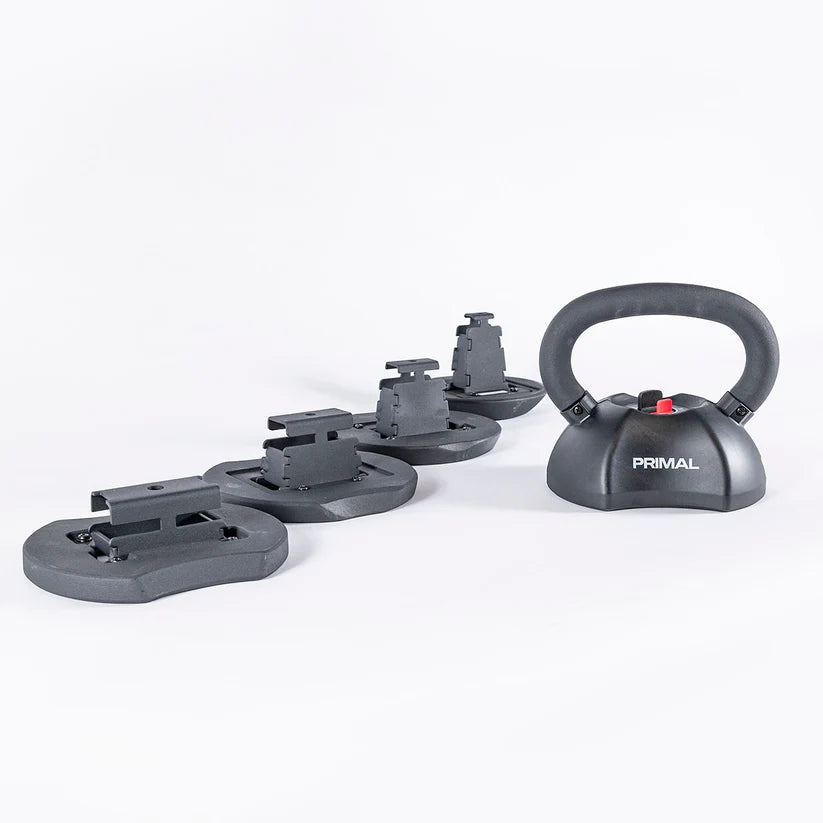
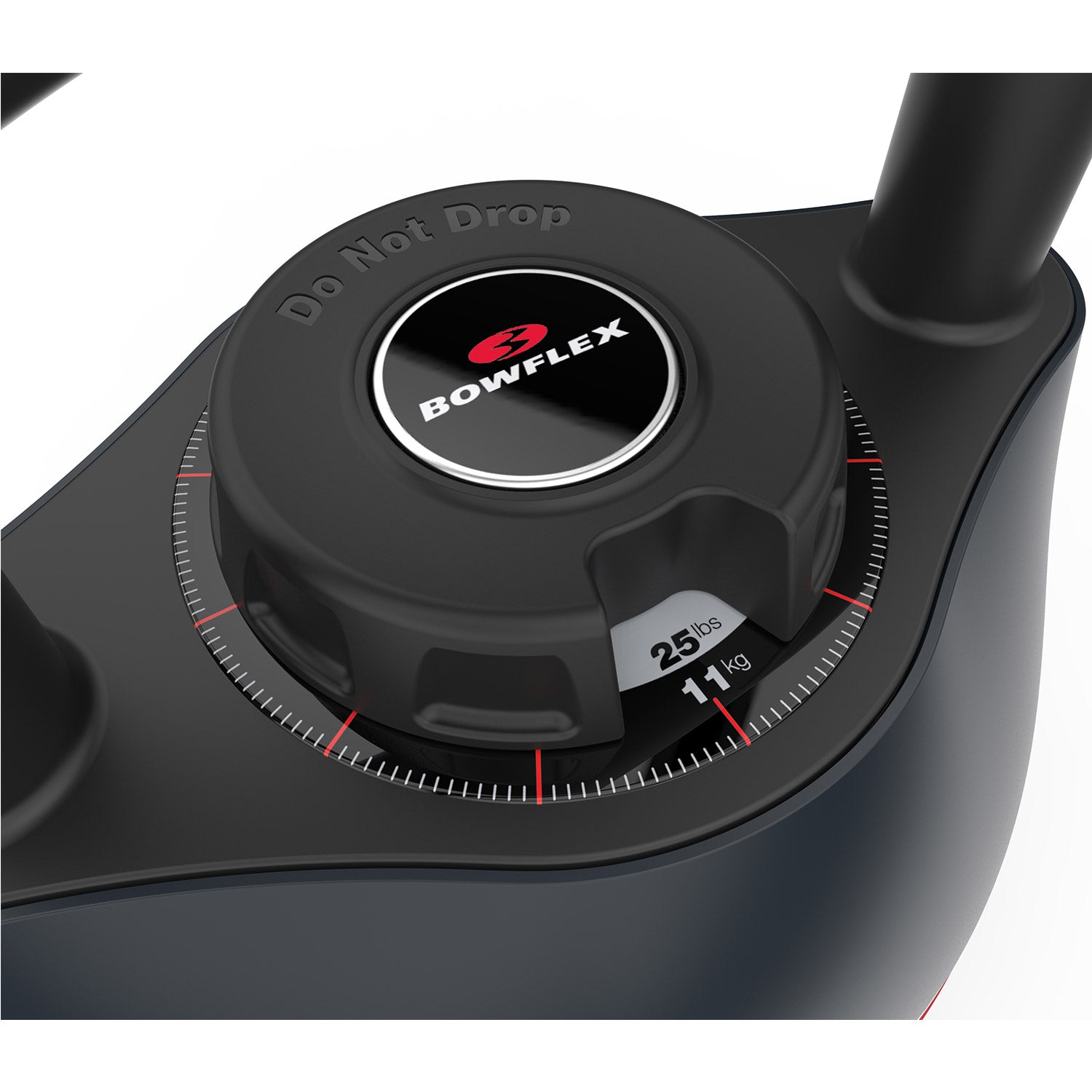
Adjustable Kettlebells

  • Allow weight changes via inserts or removable plates.
  • Save space and money but typically have a different feel compared to traditional kettlebells.

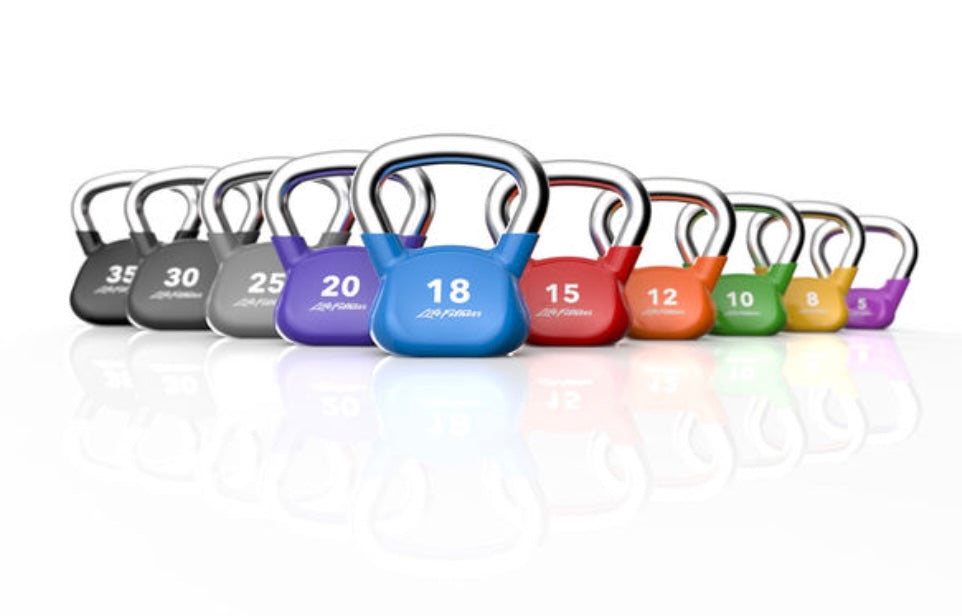
Powder Coated and Vinyl-Coated Kettlebells

  • Powder coating improves grip and durability.
  • Vinyl coating used for aesthetics and floor protection, but may conceal casting flaws and affect grip.

Benefits of Using Kettlebells

  1. Versatility: Kettlebells enable a broad range of lifts—from swings, cleans, and presses to Turkish get-ups, flows, and loaded carries. They combine cardio, strength, and coordination training in one tool.
  2. Functional Strength: Engages stabilizer muscles and improves grip, core stability, and mobility better than most isolated weight training.
  3. Endurance & Conditioning: Particularly effective for building endurance, explosive power, and cardiovascular fitness in minimal space.
  4. Sport and Flow Training: Competition bells are ideal for high-rep movements, standardized sport techniques, and fluid multi-move workouts.
  5. Joint Health: Ergonomic handles and the swinging motion can promote joint integrity and reduce strain, especially with competition or well-designed cast iron bells.

Kettlebell Buying Tips 

  • Handle Quality: Ensure a smooth, single-cast handle with no seam or rough spots. Triangular or welded handles should be avoided—they can tear up your hands and impair performance.
  • Window Size: A comfortable window (the gap between bell and handle) is crucial for grip comfort and proper form, especially during snatches and cleans.
  • Construction & Coating: Consider powder-coated or bare-metal for superior grip. Avoid vinyl-coated and cheap plastic kettlebells if possible—they might slip, chip, or have poor balance.
  • Balance: Kettlebells should feel evenly weighted—unbalanced bells make technique difficult and may be unsafe.

Kettlebell Type by Your Objective:

  1. Choose cast iron for general training, HIIT, and beginners.
  2. Select competition bells for sport, advanced flows, or standardized training, especially if you switch weights frequently.
  3. Adjustable bells suit space-limited users, but check locking mechanisms and handle ergonomics before buying.
  4. Weight Selection: Beginners often start with 8–12 kg (women) and 12–16 kg (men) for general fitness. Progress to heavier bells based on experience and strength.
  5. Price vs. Quality: It's usually better to invest a bit more for a quality kettlebell, rather than opting for a cheap one that you'll replace as your skills develop.
  6. Kettlebells are durable, multi-use, and ideal for building strength and athleticism—choose type and quality based on training goals and comfort to maximize the benefits.

Kettlebell FAQs

Can beginners use kettlebells?

Yes, beginners can safely use kettlebells by starting light and mastering basic movements like deadlifts, swings, and goblet squats. Progression should be gradual and focus on learning correct technique before increasing weight.

How do I hold a kettlebell properly?

Grip the handle centered for moves like swings and deadlifts with an overhand grip. For more complex lifts like snatches or Turkish get-ups, use an offset grip where the web between thumb and index finger hugs the handle curve, helping to keep the wrist neutral.

What kettlebell weight should I start with?

Women often start with 8–12 kg (15–25 lbs), men with 12–16 kg (25–35 lbs) for two-handed swings. Choose a weight that allows smooth, controlled movement without strain.

How do I progress safely with kettlebells?

Increase weight or reps only when form remains perfect at current workload. Avoid rushing progression to reduce injury risk especially in hamstrings, shoulders, and wrists.

What are common kettlebell injuries and how to avoid them?

Typical injuries involve wrist strain, lower back pain, and bruising from poor technique. Proper instruction, focus on form, and gradual weight increase are essential to avoid these.

Should I buy one or a pair of kettlebells?

Start with one kettlebell for mastering foundational moves then add a pair for bilateral exercises as skills improve.