Nationwide Sales & Service - 01536 802333
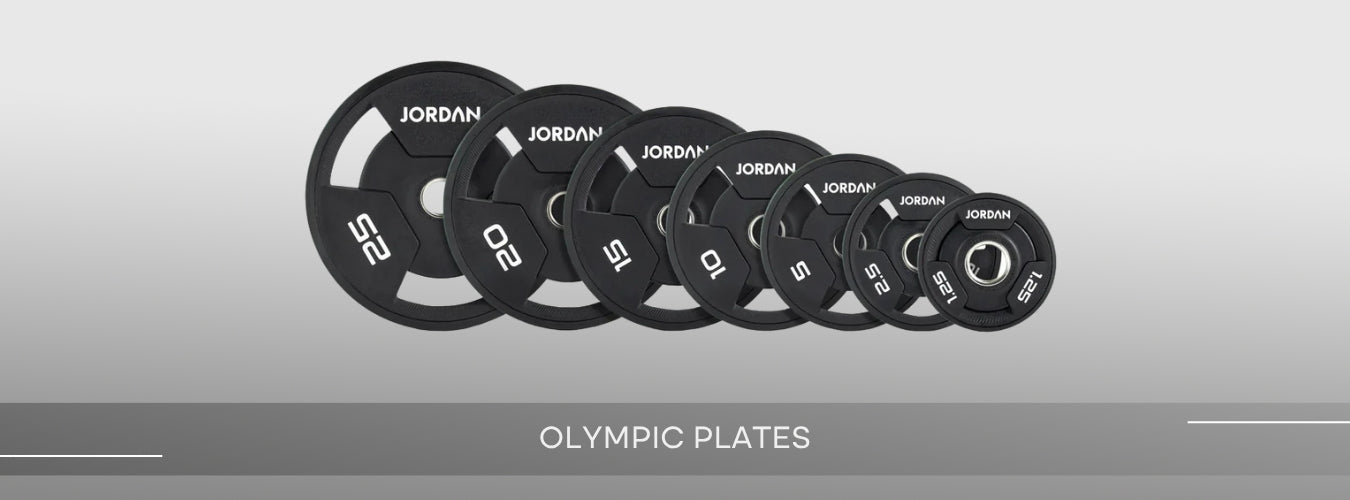
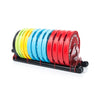
Search our range of rubber & urethane individual Olympic plate options, our selection comprises of quality olympic plates from the leading strength brands such as Watson, Jordan, Technogym, Escape, Hammer Strength and more. If you not sure which suits you needs, read our " buyers guide to the various weight plate options"
Search our range of rubber & urethane individual Olympic plate options, our selection comprises of quality olympic plates from the leading strength brands such as Watson, Jordan, Technogym, Escape, Hammer Strength and more. If you not sure which suits you needs, read our " buyers guide to the various weight plate options"
Viewing 16 out of 68 products
Load MoreOlympic weight plates are specialised weight discs designed to fit Olympic barbells, which have 2-inch diameter sleeves. They differ from standard weight plates primarily in size, durability, compatibility, and precision, making them a preferred choice for serious strength training and Olympic lifting.
What types of Olympic plates are available?
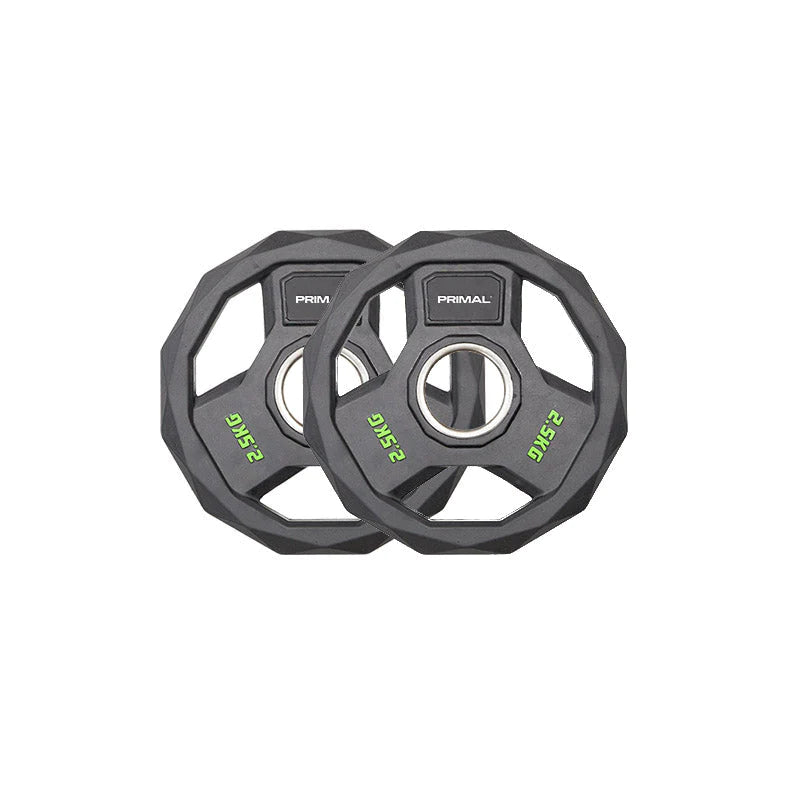
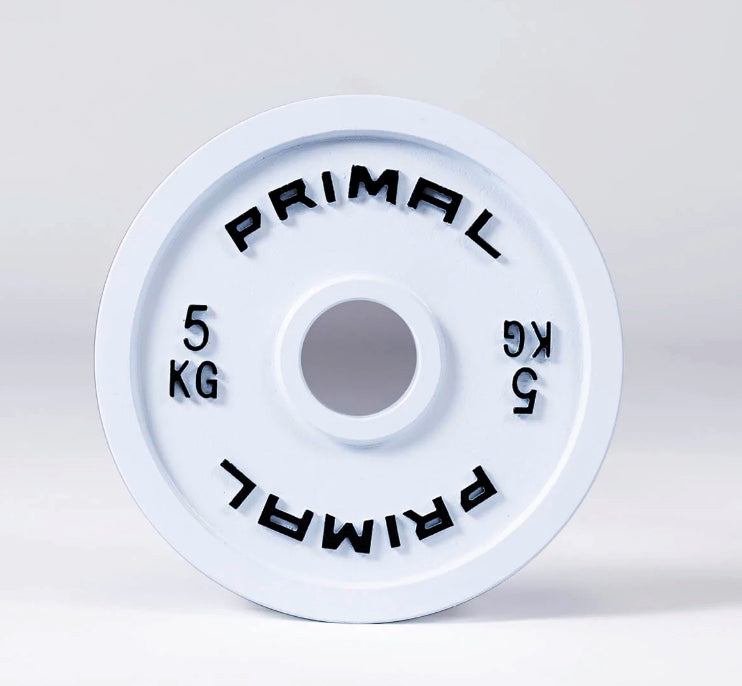
Types include cast iron plates (basic and affordable), rubber-encased plates (floor and noise protection), bumper plates (for safely dropping weights during Olympic lifts), grip plates (with holes for easy handling), and premium urethane-coated plates for durability and aesthetics.
Can I use Olympic plates on any barbell?
Olympic plates require an Olympic barbell with 2-inch sleeves. They won’t fit standard 1-inch barbells without an adapter. Using the correct combination ensures safety and proper technique.
How much do Olympic plates weigh?
Common plate weights range from 1.25kg to 25kg per plate.
How should I choose Olympic plates to buy?
Consider your training goals (strength vs Olympic lifting), budget, space, and flooring. Rubber-coated or bumper plates are best for floor protection, while cast iron are economical for powerlifting. Ensure accurate weight tolerance and verify durability.
Are grip plates better for handling?
Grip plates with cut-out holes ease loading/unloading and carrying. They are practical for gyms or home use to reduce strain and speed up workouts.
Can I mix different brands or types of Olympic plates?
Yes, but try to keep weight increments consistent for balanced loading and avoid stacking very different plate thicknesses which can affect barbell mechanics.