Foam Rollers, Massage Guns & Recovery Tools Features
- Foam Rollers
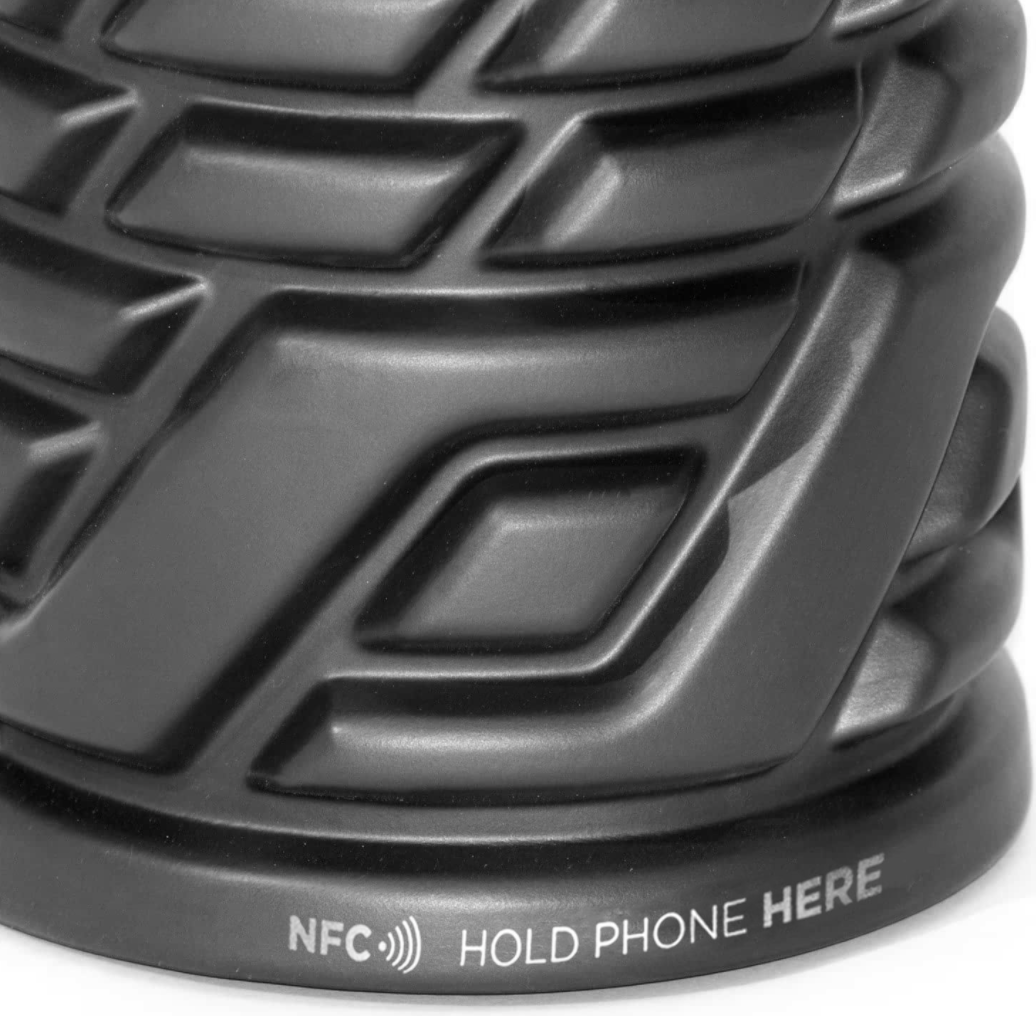
High-density closed-cell PE foam maintains shape and resilience—indents from use recover within 24 hours. Available in smooth surfaces for beginners or textured designs with pimples and ridges for deep tissue work. Lengths from 33cm (compact travel) to 90cm (full-body rolling). Diameters of 14-15cm provide optimal pressure distribution.
- Massage Guns & Percussion Therapy
Brushless motors deliver 3000 RPM with up to 12mm amplitude for deep muscle penetration. Four speed settings accommodate sensitivity levels from gentle recovery to intense trigger point work. Lithium-ion batteries provide 3-10 hours runtime. Includes 4-6 interchangeable heads for targeted muscle groups.
- Massage Chairs
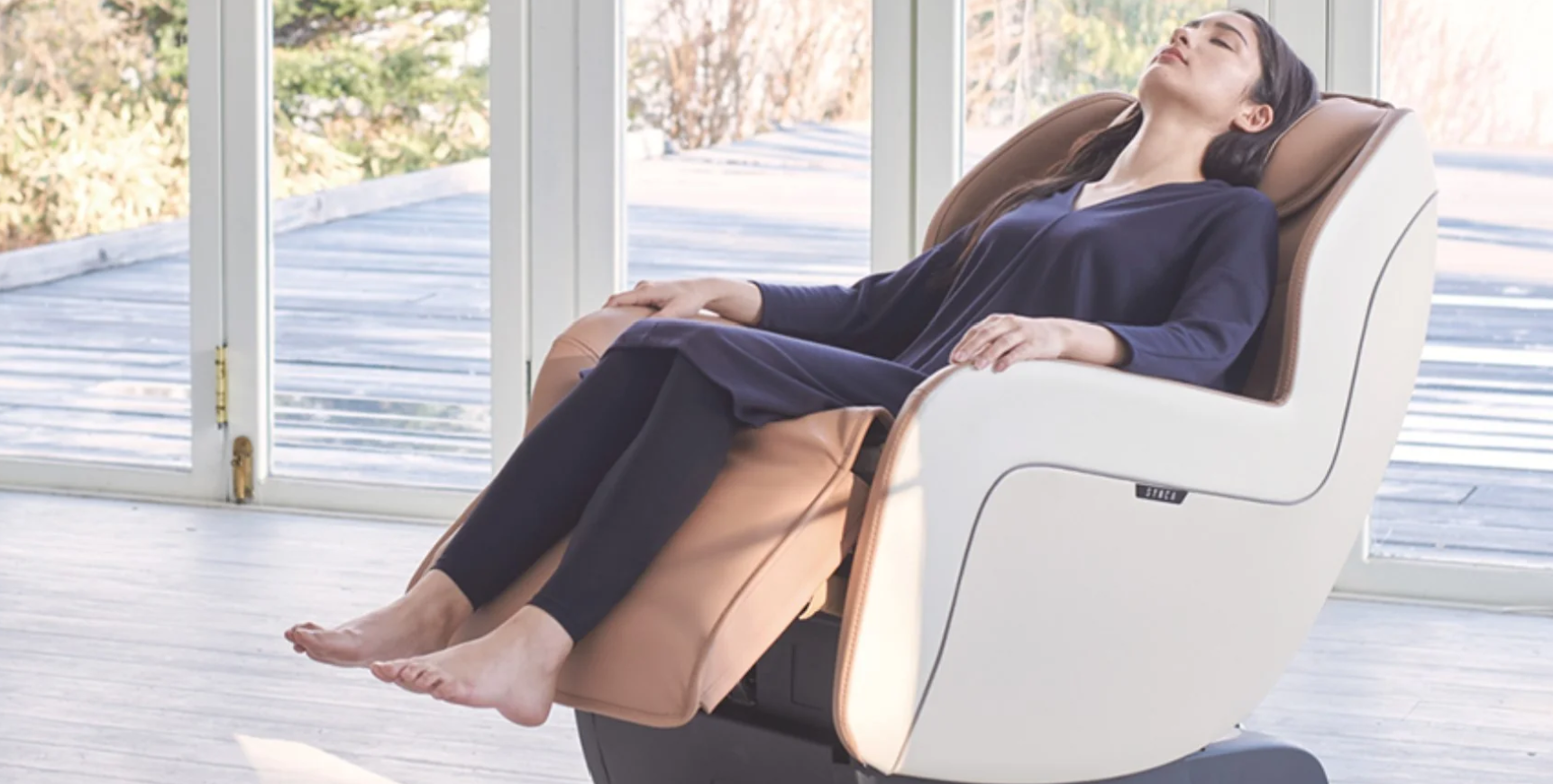
SL-track rail systems (47-86cm) deliver seamless massage from neck to glutes. Zero-gravity positioning reduces spinal pressure and enhances relaxation. Quad roller technology with 2D massage heads provides kneading, tapping, rolling, and shiatsu techniques. Heat therapy in lumbar and calf regions improves circulation. Bluetooth connectivity and wireless remote control.
- Wooden Trigger Point Massagers
Handcrafted from sustainably sourced Black Forest wood (beech, ash, walnut). Ergonomic spherical designs in 4cm, 7cm, and 10cm diameters target specific muscle groups. DoubleBall massagers (15cm length) access hard-to-reach areas like shoulders and feet. Natural wood grain provides optimal grip and pressure distribution. 10-year warranties.
- Vibrating Massage Tools
Four vibration levels with remote control rings for hands-free operation. Peanut ball designs contour to spine and muscle groups. Average 3-hour battery life per charge. Increases blood flow and flushes lactic acid post-workout. Compact and portable for gym bag transport.
- Specialized Recovery Accessories
Haptik balls with iron granular filling and leather construction for hand/forearm strengthening. Neck and shoulder massagers with 8 heated massage heads and 2.5-hour wireless operation. Fit bars with resistance clips for rotational strength and mobility work. Complete recovery bundles combining multiple tools.
Benefits of Foam Rollers, Massage Guns & Recovery Tools
- For Myofascial Release
Self-massage breaks down fascial adhesions and muscle knots that restrict movement and cause pain. Foam rolling and trigger point therapy restore tissue quality, improve sliding between muscle layers, and enhance range of motion. Essential for maintaining tissue health between professional massage sessions.
- For Post-Workout Recovery
Percussion therapy and foam rolling flush metabolic waste (lactic acid) from muscles, reducing delayed-onset muscle soreness (DOMS). Increased blood flow delivers oxygen and nutrients to damaged tissue, accelerating repair. Use within 30 minutes post-exercise for maximum benefit.
- For Injury Prevention
Regular rolling identifies and addresses muscle tightness before it progresses to injury. Maintains tissue pliability and joint mobility, reducing strain on tendons and ligaments. Particularly effective for IT band syndrome, plantar fasciitis, and hamstring tightness.
- For Flexibility & Mobility
Foam rolling before stretching improves tissue extensibility, allowing deeper, more effective stretches. Breaks down restrictions that limit joint range of motion. Enhances warm-up protocols by increasing tissue temperature and neural activation.
- For Rehabilitation
Gentle foam rolling and massage gun therapy (low settings) support injury recovery by promoting circulation without excessive stress. Wooden massagers provide precise pressure control for sensitive areas. Physiotherapists integrate these tools into treatment protocols for faster healing.
- For Stress Relief & Relaxation
Massage chairs provide full-body relaxation with heat therapy, zero-gravity positioning, and customizable massage programs. Reduces cortisol levels and promotes parasympathetic nervous system activation. Neck and shoulder massagers target common tension areas from desk work and daily stress.
- For Athletic Performance
Pre-training foam rolling activates muscles and improves movement quality. Post-training recovery tools maintain tissue health through high-volume training blocks. Elite athletes use percussion therapy daily to manage training loads and prevent overuse injuries.
- For Chronic Pain Management
Targeted trigger point therapy releases muscle knots contributing to chronic pain patterns. Massage chairs with heat therapy and compression features alleviate back pain, sciatica, and fibromyalgia symptoms. Regular use reduces reliance on pain medications.
Buying Tips for Foam Rollers, Massage Guns & Recovery Tools
Choosing the Right Foam Roller
- Smooth vs. Textured Surface
Smooth rollers: Beginners, general recovery, full-body rolling, less intense pressure.
Textured rollers: Experienced users, deep tissue work, trigger point therapy, targeted muscle groups.
Pimpled/ridged surfaces: Stimulate blood flow, provide variable pressure, mimic massage therapist's hands.
- Density Levels
Low-density foam: Gentle, forgiving surface for foam rolling newcomers. Ideal for sensitive individuals and post-injury work.
High-density foam: Firm, maintains shape under body weight. Preferred by athletes and experienced users. Provides deeper tissue penetration.
Closed-cell PE foam: Premium option that recovers shape within 24 hours, resists moisture, and offers commercial-grade durability.
- Length Selection
33-46cm (short): Compact, travel-friendly, targets specific muscle groups (calves, IT band, forearms). Fits in gym bags.
60cm (medium): Versatile length for most applications. Balances portability with functionality.
90-95cm (long): Full-body rolling, spinal alignment work, stability exercises. Accommodates lying perpendicular for thoracic mobility.
- Diameter Considerations
14-15cm diameter: Standard size providing optimal pressure distribution and stability. Suitable for most users and applications.
Understanding Massage Gun Specifications
- Motor Type
Brushless motors: Superior performance, quieter operation, 4× longer lifespan than brushed motors. Higher initial cost justified by durability and effectiveness.
Brushed motors: Budget-friendly, adequate for occasional home use. Louder operation and shorter lifespan.
- Speed & Amplitude
Speed range: 1200-3000 RPM across 4-6 settings. Lower speeds for warm-up and sensitive areas; higher speeds for deep tissue work.
Amplitude: 10-12mm penetration depth. Higher amplitude reaches deeper muscle layers but may be too intense for beginners.
- Battery Life
3-6 hours: Adequate for home use, requires frequent charging.
6-10 hours: Professional-grade, supports multiple sessions between charges. Essential for personal trainers and therapists.
Lithium-ion batteries: Faster charging, longer lifespan, consistent power delivery.
- Attachment Heads
Round ball: General full-body massage, large muscle groups.
Bullet/point: Trigger point therapy, deep tissue work, small muscle groups.
Flat/pneumatic: Sensitive areas, gentle massage, larger surface coverage.
Fork/U-shaped: Spinal muscles, Achilles tendon, neck (avoid direct spine contact).
Wedge: IT band, lats, targeted muscle work.
- Weight & Portability
Mini massage guns: 0.45-0.6kg, ultra-portable, adequate power for most users.
Full-size guns: 0.8-1.2kg, more powerful motors, longer battery life, better for professional use.
Massage Chair Selection
- Track System Types
L-track: Neck to lower back coverage (traditional design).
SL-track: Extended coverage from neck to glutes and hamstrings. Follows natural spinal curvature more accurately. Recommended for comprehensive massage.
- Roller Technology
2D rollers: Up/down and side-to-side movement. Standard in most chairs.
3D rollers: Adds in/out movement for variable pressure intensity (not in current collection).
4D rollers: Time-variable speed changes mimicking human massage therapist (not in current collection).
Quad roller: Four massage heads provide broader coverage and more effective techniques than dual rollers.
- Massage Techniques
Kneading: Circular movements reducing muscle tension and stiffness.
Rolling: Traction along spine loosening deep muscles.
Tapping: Percussive movements stimulating circulation.
Shiatsu: Pressure point therapy based on traditional Japanese techniques.
Air compression: Inflatable cushions squeeze limbs to improve circulation.
- Size & Space Requirements
Compact designs: W55-70cm × D99-117cm × H66-94cm. Fit smaller living spaces without compromising massage quality.
Recline clearance: Measure 30-50cm behind chair for full recline. Zero-gravity positioning requires additional space.
Weight capacity: Typically 113-136kg (250-300lbs). Verify before purchase.
- Features to Consider
Zero-gravity: NASA-developed neutral posture reducing spinal pressure and enhancing relaxation. Highly recommended.
Heat therapy: Lumbar and calf heating improves circulation and muscle relaxation. Essential for chronic pain sufferers.
Bluetooth audio: Connect devices for music during massage sessions.
Wireless remote: Convenient control without tethered cables.
Automatic programs: Pre-set routines for different needs (full body, back focus, relaxation).
Manual customization: Adjust speed, intensity, and target areas.
Trigger Point Massager Selection
- Wooden Massagers
4cm diameter: Jaw muscles, feet, precise trigger points.
7cm diameter: Neck, limbs, general muscle groups.
10cm diameter: Large muscle groups, glutes, back.
DoubleBall (15cm): Shoulders, spine, feet, hard-to-reach areas.
Full roller (30cm): Spinal muscles, comprehensive back massage.
- Wood Type Selection
Beech: Light colour, smooth grain, moderate hardness.
Ash: Medium colour, pronounced grain, slightly harder than beech.
Walnut: Dark colour, rich grain, premium aesthetic, hardest option.
All woods: Sustainably sourced from Black Forest, Germany. 10-year warranties. Natural antibacterial properties.
- Vibrating vs. Manual
Vibrating tools: Battery-powered, 4 vibration levels, increases blood flow, flushes lactic acid. Requires charging.
Manual wooden tools: No batteries, unlimited use, precise pressure control, natural materials, lower maintenance.
Foam Rollers, Massage Guns & Recovery Tools FAQS
How often should I foam roll?
Daily foam rolling is safe and beneficial for most individuals. Pre-workout: 5-10 minutes to warm up and activate muscles. Post-workout: 10-15 minutes to flush metabolic waste and reduce soreness. Rest days: 15-20 minutes for recovery and mobility maintenance. Listen to your body—excessive rolling can cause bruising.
Should I foam roll before or after workouts?
Both. Pre-workout rolling (5-10 minutes) increases tissue temperature, improves range of motion, and enhances movement quality. Focus on dynamic rolling with moderate pressure. Post-workout rolling (10-15 minutes) flushes lactic acid, reduces DOMS, and promotes recovery. Use slower, sustained pressure on tight areas.
Can foam rolling replace stretching?
No, they're complementary. Foam rolling addresses tissue quality and fascial restrictions, while stretching lengthens muscles and improves flexibility. Optimal protocol: foam roll first to release restrictions, then stretch for maximum range of motion gains. Combining both produces superior results.
Is it normal to feel pain when foam rolling?
Mild discomfort (5-6/10 on pain scale) is normal when rolling tight areas. Sharp, severe pain (8+/10) indicates excessive pressure—reduce intensity immediately. Never roll directly on bones, joints, or injured tissue. Pain should decrease as tissue quality improves over weeks of consistent rolling.
What's better for recovery: foam roller or massage gun?
Both are effective with different applications. Foam rollers: larger surface area, full-body rolling, stability exercises, lower cost. Massage guns: targeted trigger points, deeper penetration, faster treatment, higher cost. Ideal approach uses both—foam roller for general work, massage gun for stubborn knots and specific areas.
Can I use a massage gun every day?
Yes, daily use is safe when following proper protocols. Limit sessions to 2 minutes per muscle group. Use lower speeds (1-2) for warm-up and sensitive areas, higher speeds (3-4) for deep tissue work. Avoid bony areas, joints, neck arteries, and injured tissue. Excessive use can cause bruising and tissue damage.
What's the difference between wooden and foam massage tools?
Wooden tools: Precise pressure control, durable (10+ years), natural antibacterial properties, no batteries required, premium aesthetic. Foam tools: Larger surface area, gentler on tissue, lighter weight, lower cost. Wooden tools excel at trigger point therapy; foam tools better for general myofascial release.
How do I know which massage gun attachment to use?
Round ball: Large muscle groups (quads, hamstrings, glutes, back). Bullet/point: Trigger points, small muscles (forearms, feet). Flat/pneumatic: Sensitive areas, gentle massage. Fork/U-shaped: Muscles alongside spine, Achilles, neck (never directly on spine). Wedge: IT band, lats. Start with round ball for general use.
Is it safe to foam roll my lower back?
Use caution. Never roll directly on lumbar spine—this can hyperextend the back and cause injury. Instead, roll muscles alongside the spine (erector spinae, quadratus lumborum) or use a peanut-shaped massager that straddles the spine. For lower back pain, focus on rolling glutes, hip flexors, and hamstrings which often contribute to back tension.
What's zero-gravity positioning in massage chairs?
Zero-gravity is a NASA-developed neutral posture where legs are elevated above heart level and spine is optimally aligned. This position reduces pressure on vertebrae, improves blood circulation, and enhances relaxation. The weightless sensation allows massage mechanisms to work more effectively with less resistance from body weight.
Can I travel with foam rollers and massage guns?
Foam rollers: Short rollers (33-46cm) fit in checked luggage. Consider collapsible travel rollers for easier packing. Massage guns: Allowed in carry-on and checked bags. Remove batteries for checked luggage per airline regulations. Bring charging cables. Mini massage guns are more travel-friendly than full-size models.