Rowing Machines Banner

Rowing Machines

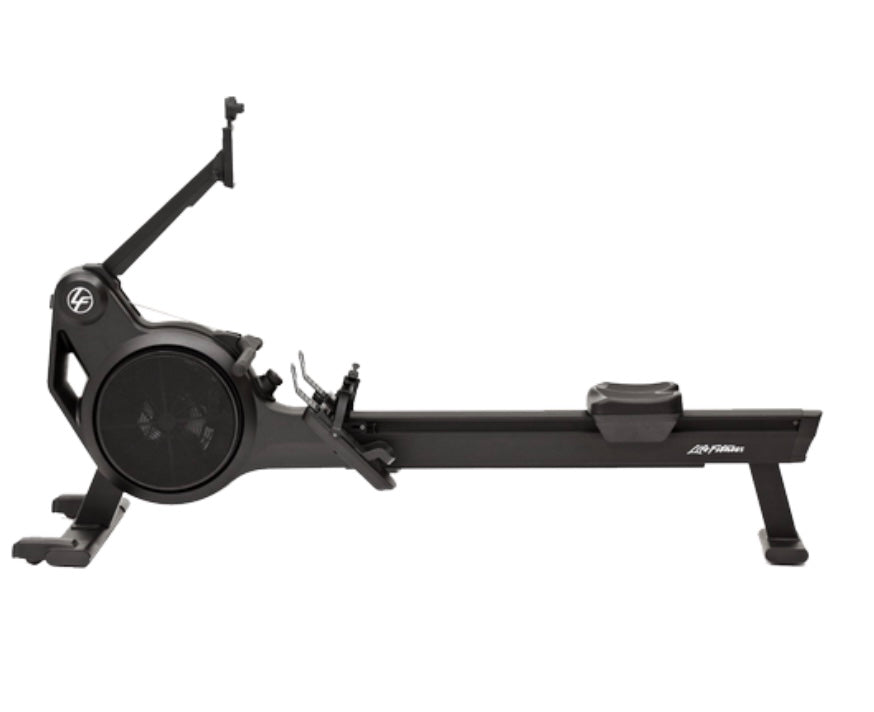
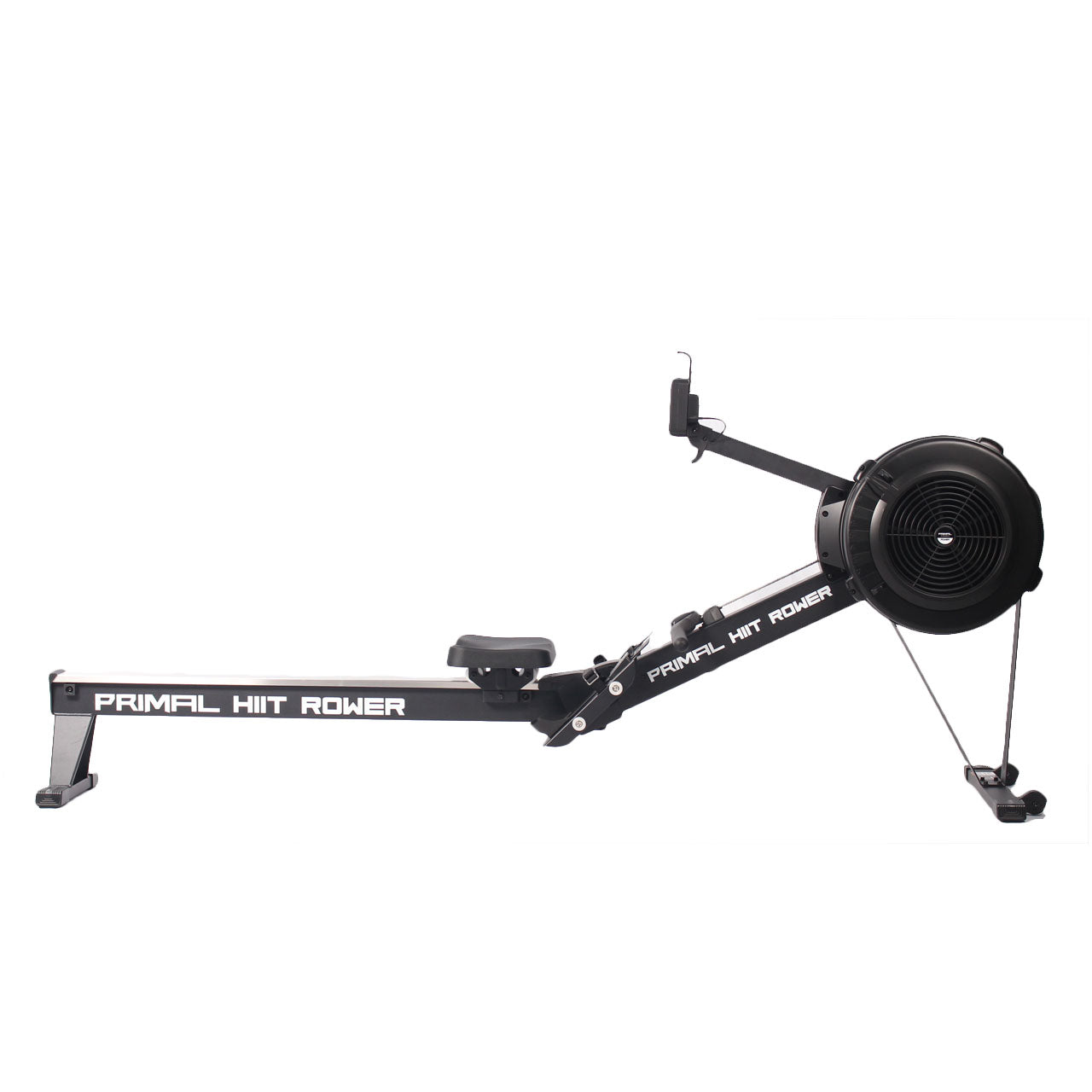
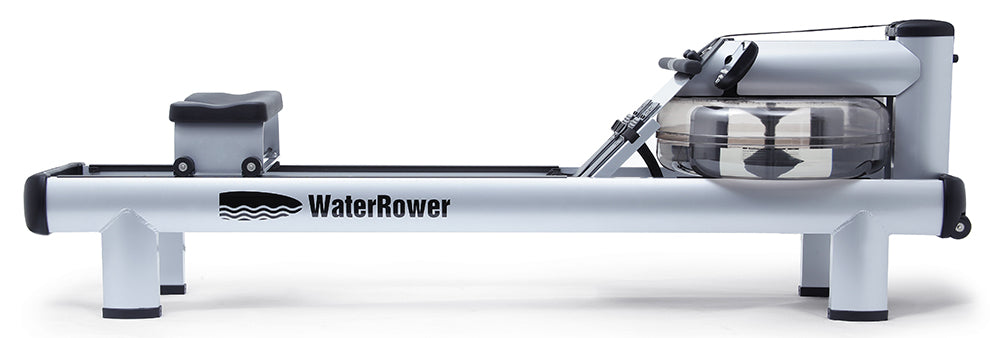
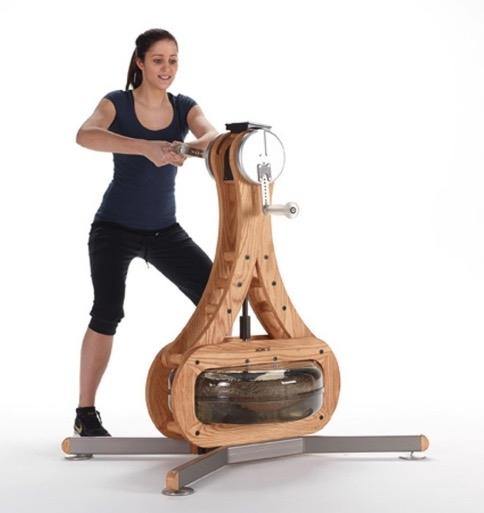
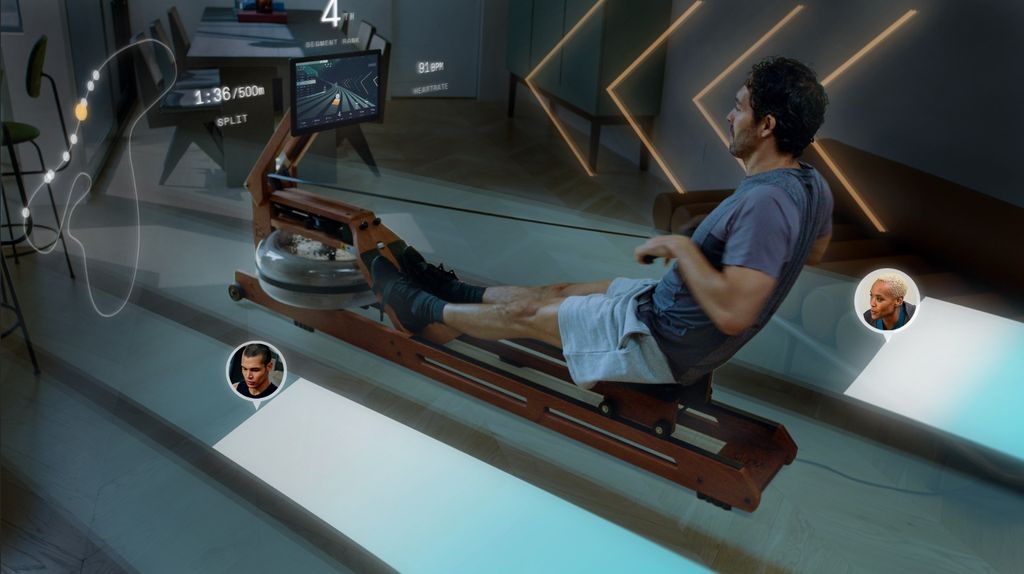
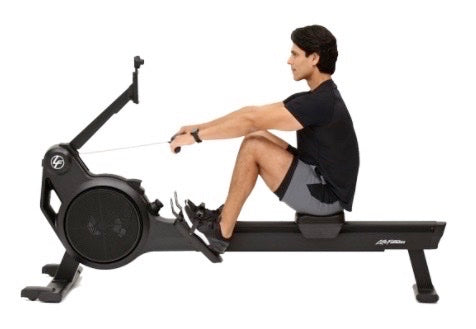
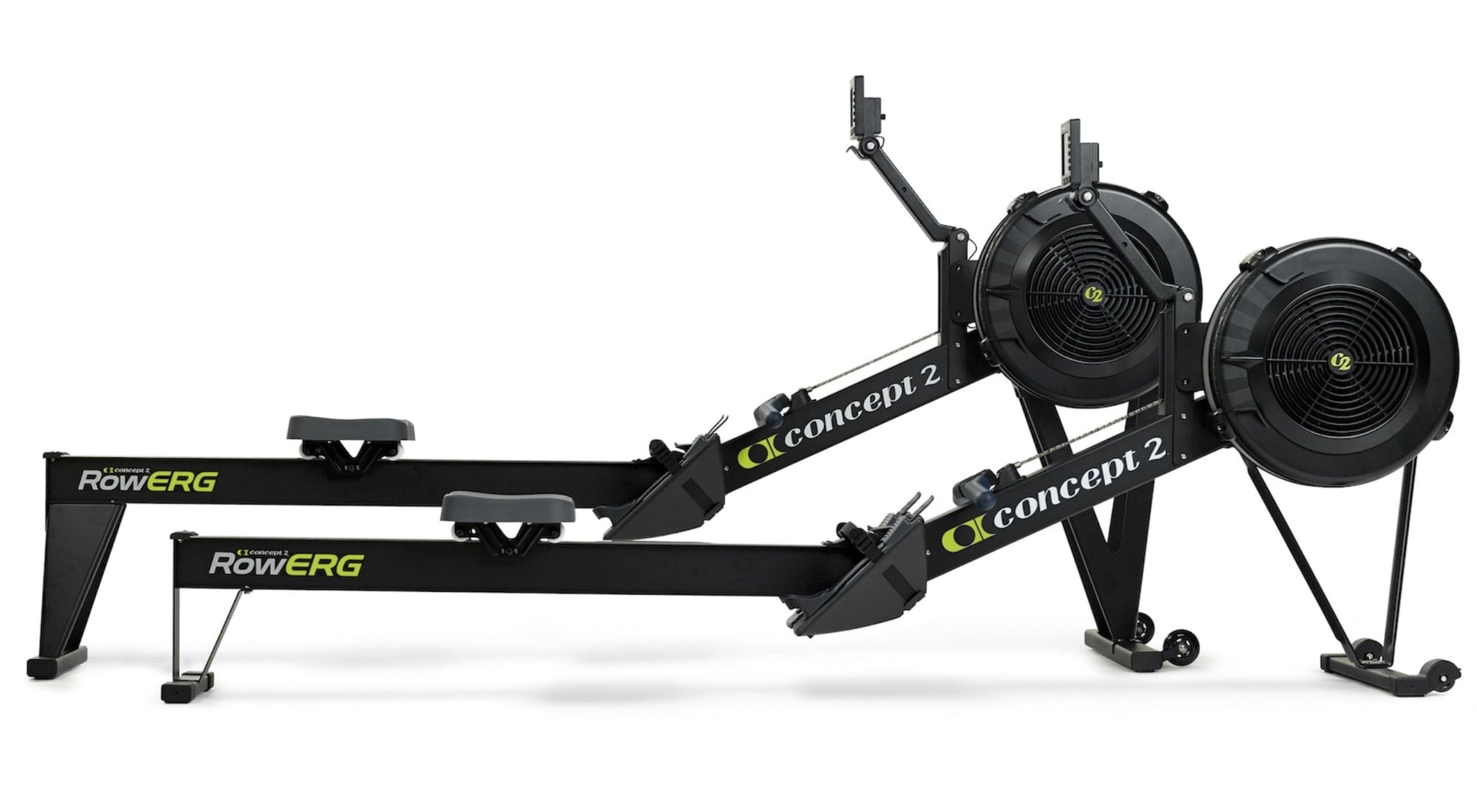
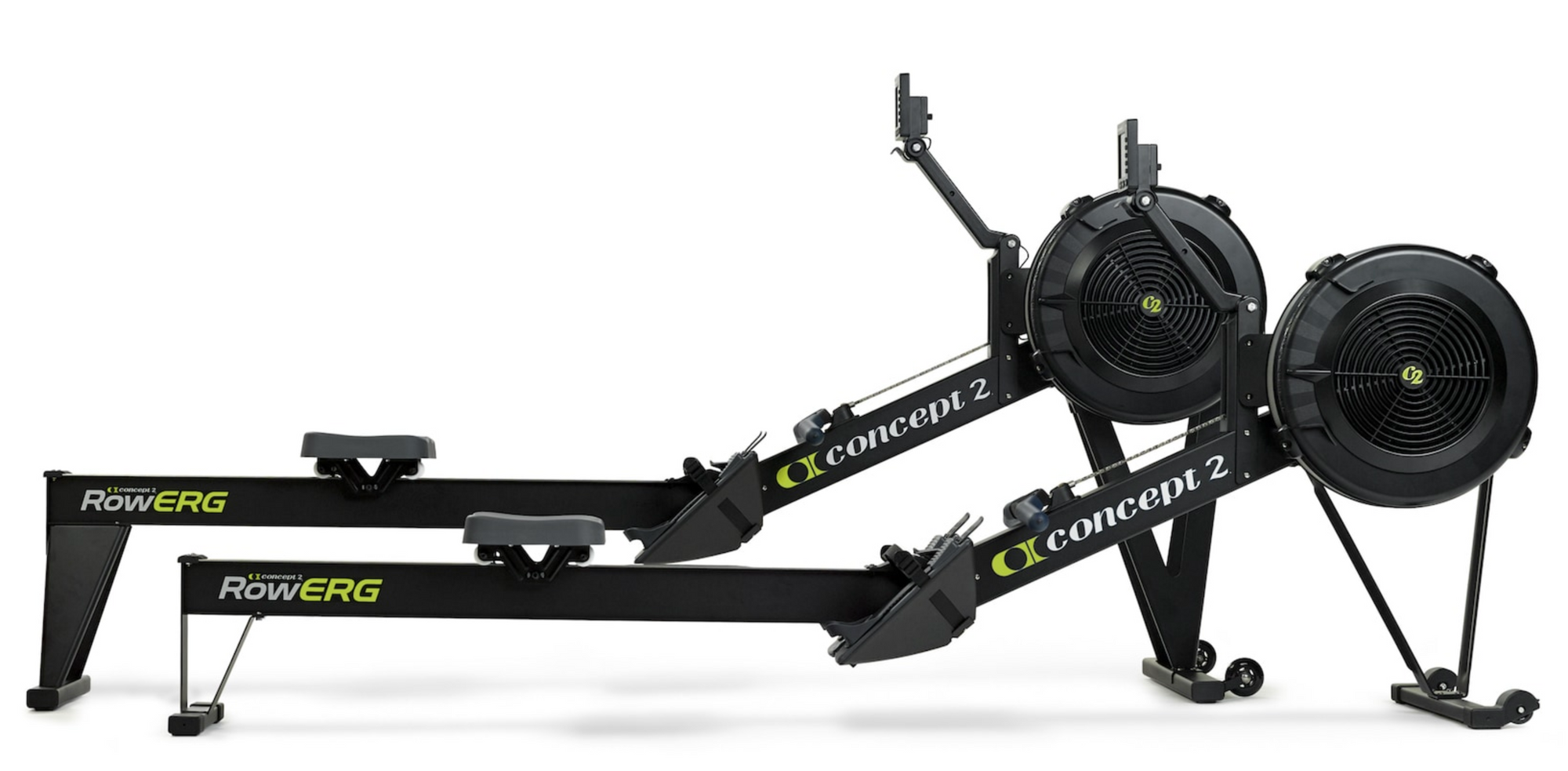
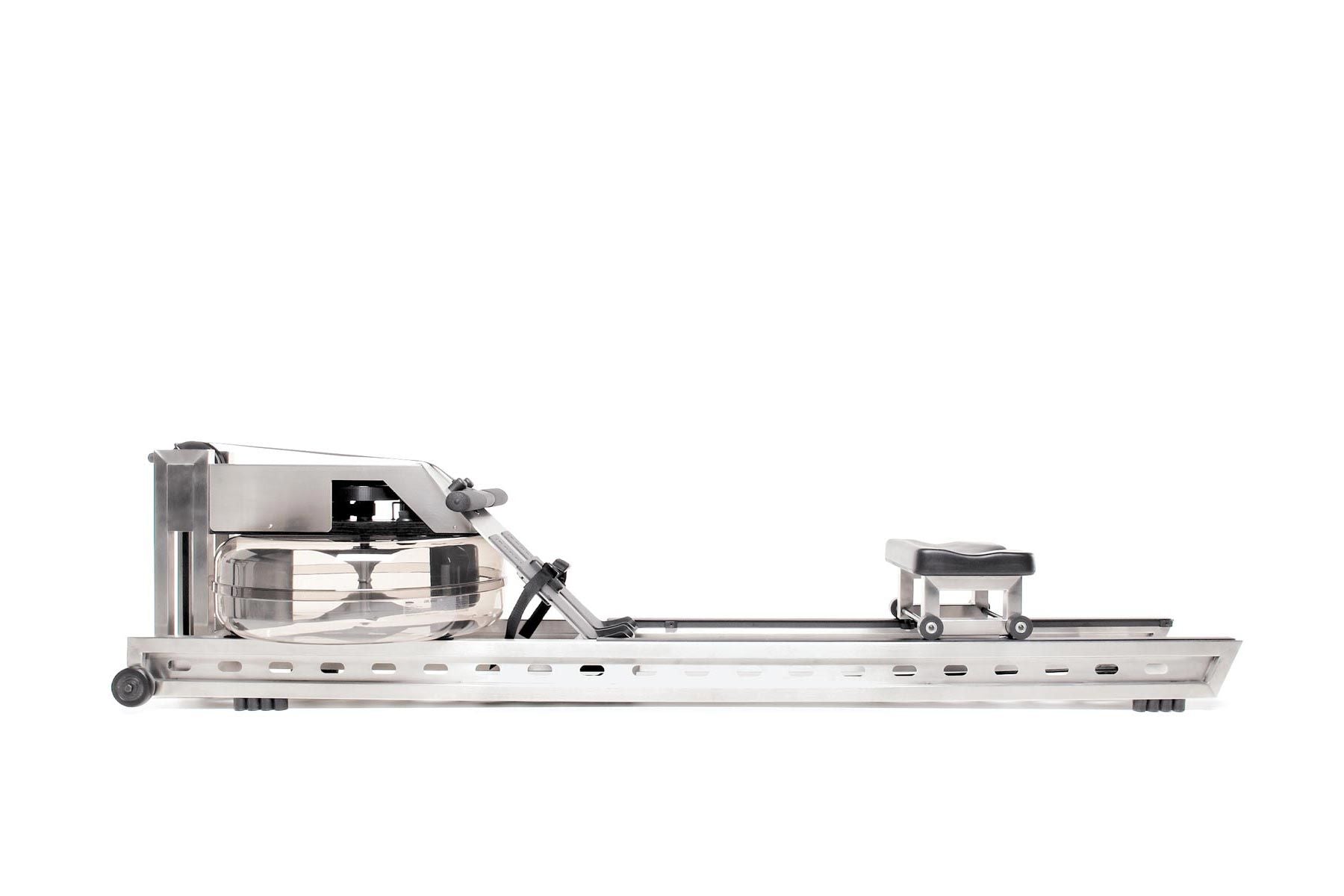
Here is a selection of our Rowing Machines for sale,  the Rowing Machine will either be available in stock or Pre Order from Manufacturers such as NordicTrack, Life Fitness, Water Rower & Ergatta, Concept & Spirit,

Read our rowing machine buying guide to work out if Air, Magnetic or Water Rowing Machines suit you. If your new to rowing, how to row is a useful insight, popular in most home or commercial gym layout & training needs.
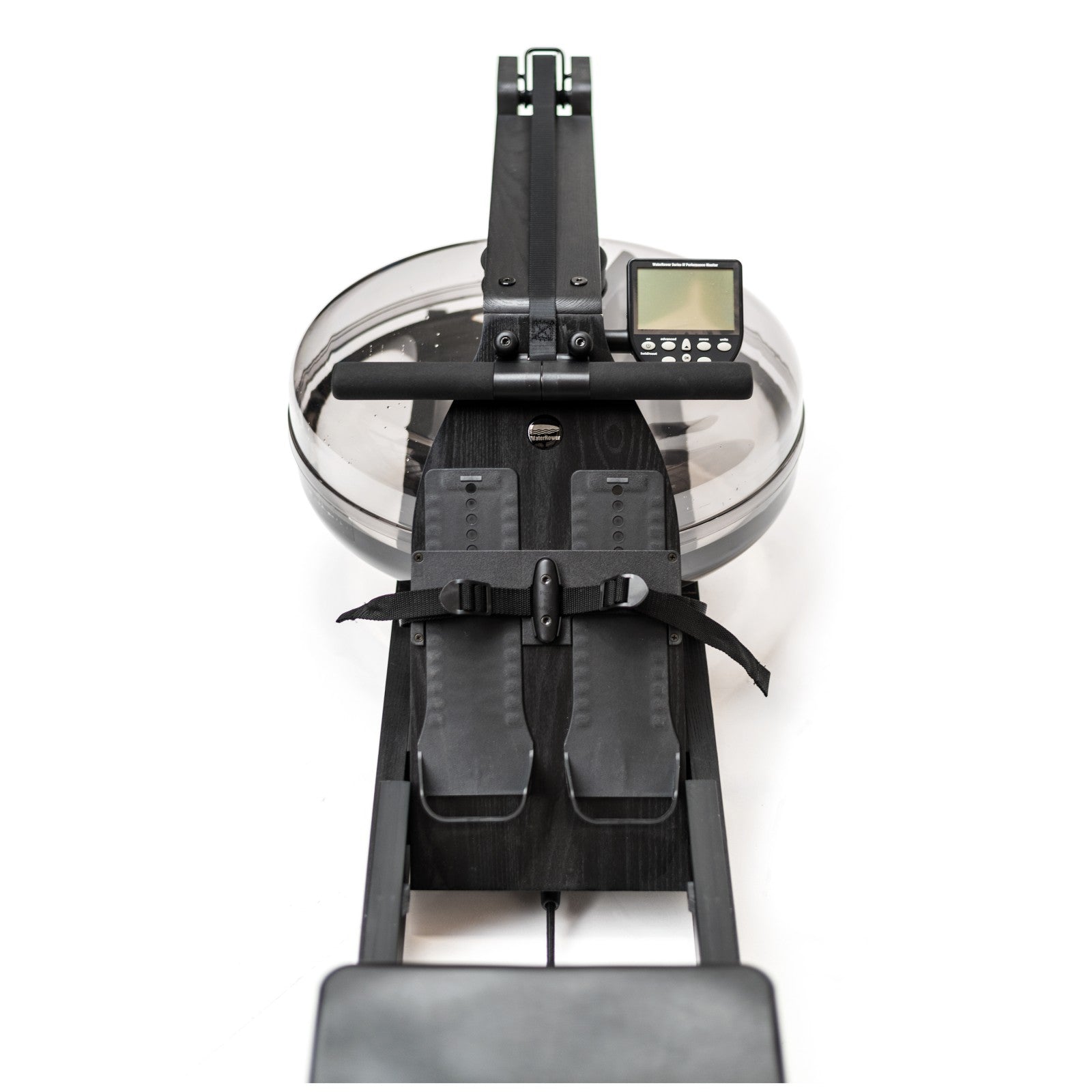
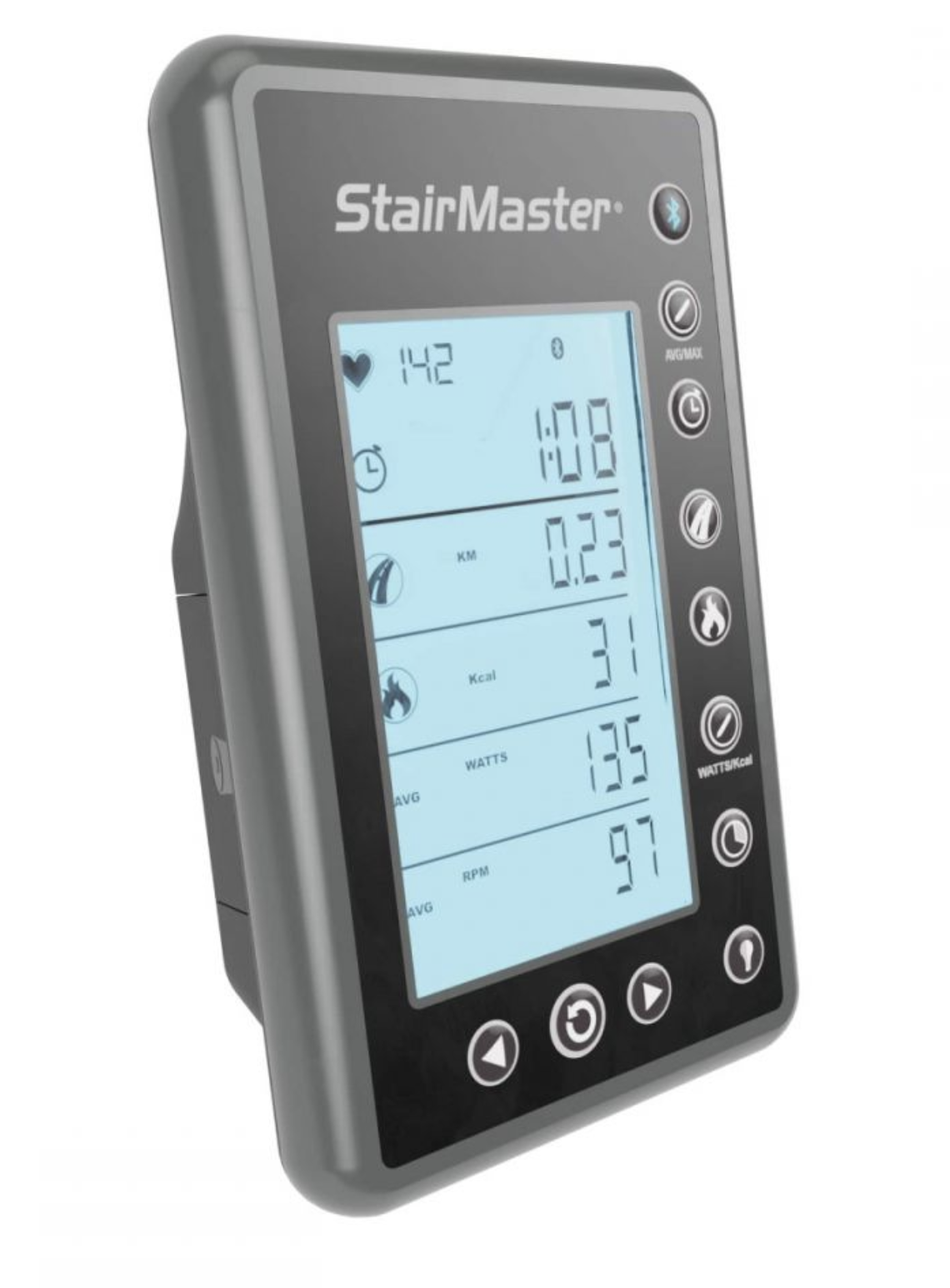
Here is a selection of our Rowing Machines for sale,  the Rowing Machine will either be available in stock or Pre Order from Manufacturers such as NordicTrack, Life Fitness, Water Rower & Ergatta, Concept & Spirit,

Read our rowing machine buying guide to work out if Air, Magnetic or Water Rowing Machines suit you. If your new to rowing, how to row is a useful insight, popular in most home or commercial gym layout & training needs.
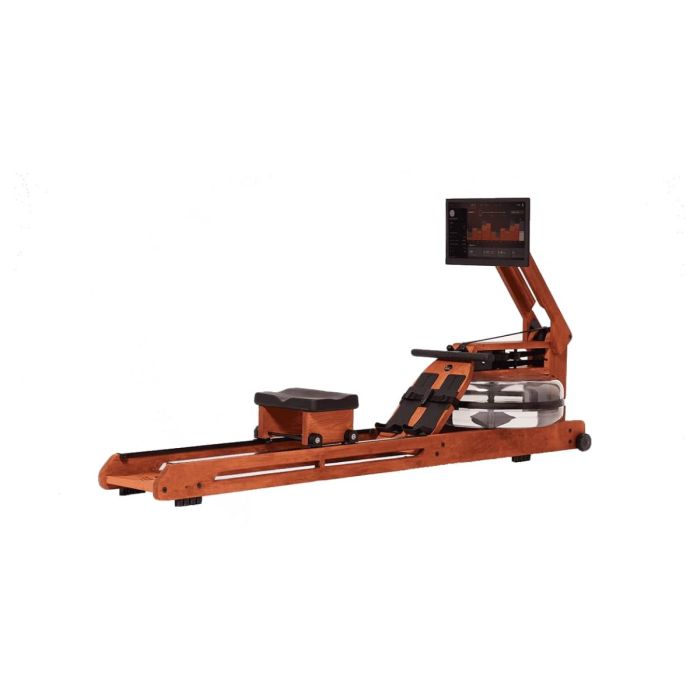
Rowing machines offer a highly efficient, full-body workout that suits a wide range of fitness levels and can be used for both cardiovascular conditioning and strength development. Choosing the right rowing machine involves understanding your space, feature needs, and prioritising correct technique for best results.

Key Benefits of Rowing Machines

  • Rowing delivers a total-body workout, engaging major muscle groups in the hips, legs, core, back, chest, and arms through every stroke.
  • It is low-impact and gentle on joints, making it ideal for rehabilitation, older adults, or those seeking injury-friendly cardio.
  • Improves cardiovascular health and endurance, with studies indicating benefits for heart and lung function, as well as reductions in LDL (“bad”) cholesterol.
  • Efficient calorie burning—rowing uses 86% of your muscles in a single session, providing results in a short workout window.
  • May enhance posture and trunk stability due to core activation and back strengthening.
  • Suits a variety of training styles, from intense HIIT to steady-state endurance or recovery workouts.
  • Supports mental wellness by promoting rhythmic, meditative movement and mind-body awareness.

How to Use a Rowing Machine

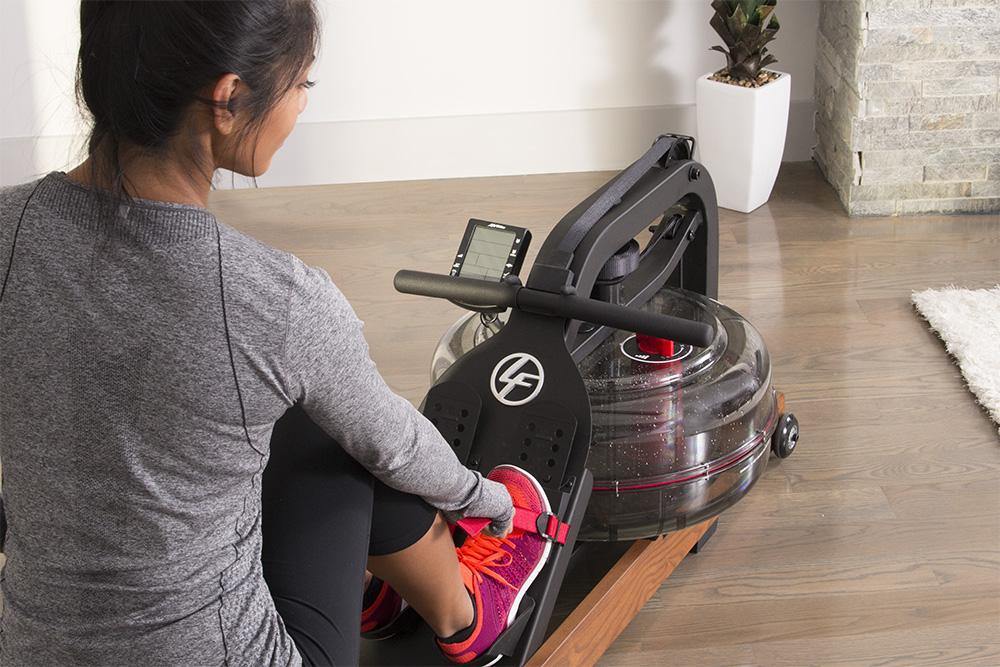
  1. Adjust the footplates so the straps sit across the widest part of the foot; secure but not too tight.
  2. Familiarise yourself with the four phases of the rowing stroke: catch, drive, finish, and recovery.
  3. From the catch, drive powerfully with the legs, then lean the body back, finally drawing the handle with the arms.
  4. Recovery reverses the sequence: arms go out, body inclines forward, and knees bend as you return to the start.
  5. Avoid common mistakes such as pulling with the arms too soon, leaning back excessively at the finish, or letting the knees lift before the arms on recovery.
  6. Monitor resistance type (air, magnetic, water, hydraulic) for your desired feel and adjust intensity via the monitor or damper settings.

Rowing Machine Buying Tips

  • Assess space: Folding or standup options suit home gyms with limited room, while larger models offer greater stability and feature sets for commercial or dedicated spaces.
  • Prioritise solid construction, adjustable footpads, and ergonomic handle-pedal alignment to maximise your mechanical efficiency and safety.
  • Choose resistance type based on preference: water for authentic feel, air for responsiveness, magnetic for quiet, hydraulic for budget compact design.
  • Look for a clear monitor to track performance metrics like stroke rate, distance, and calories.
  • Avoid designs with rotating pedals, poor handle alignment, or non-adjustable footpads.
  • Consider weight limits (usually up to 135-159 kg)—important for machine longevity and safety.

Frequently Asked Rowing Machine Questions

How do I set the damper/lever on my rowing machine?

The damper controls airflow to the flywheel; a higher setting adds resistance but does not necessarily make the workout harder—it changes the "feel" of the stroke.

How should I set up the footplate?

The strap should be positioned over the widest part of your foot, typically at the level of the shoelaces for most people.

How long should a beginner use the rower?

 Beginners should focus on developing good, long strokes at a moderate stroke rate (~22-24 spm), 5-10 minutes is a fair target, but stroke quality is the most important part to get right.

Is assembly of a rowing machine difficult?

Most modern machines are designed for easy assembly, often taking 20–30 minutes with two people; professional assembly may be available.

Are rowing machines noisy?

Sound levels depend on resistance type: magnetic and electromagnetic rowers, are  quieter than air or water rowers.

Do rowing machines fold up for storage?

Many models  partially collapse or Water rowers are renowned for ease of tipping on their end, but always check the specifications before purchasing.

What technique mistakes should I avoid?

Common mistakes include starting the pull with arms instead of legs, excessive leaning at the finish, setting resistance too high for control, and incorrect footplate adjustment.

How much space do rowing machines require?

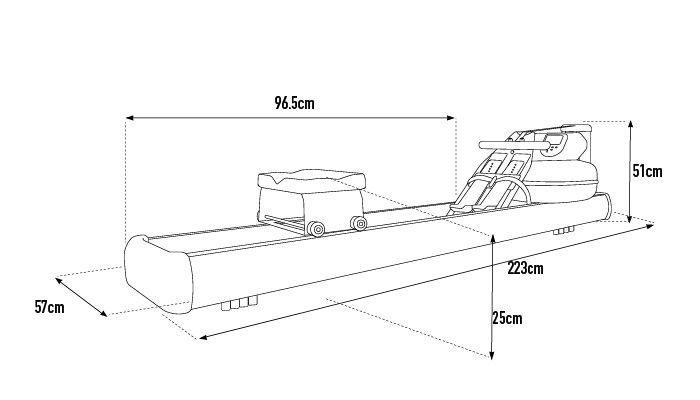
Most standard rowers are about 80–86 inches (200–220 cm) long; measure your room ahead of time, and check storage options.