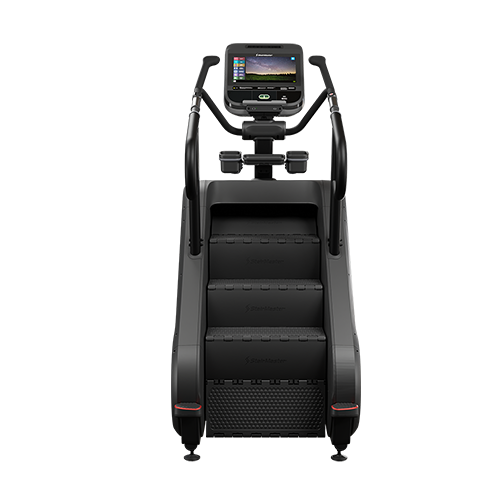
How to Use a Stair Climber
- Step onto the machine and use handrails for balance during start-up, but minimise gripping for a greater workout challenge.
- Set the speed and resistance to a comfortable beginner level.
- Maintain upright posture: keep core tight, hips squared, and stand tall rather than leaning too far forward.
- Step with the whole foot (not just toes), letting each step drop fully beneath you before switching feet.
- For maximising effect, take slow, deep, controlled steps rather than quick, shallow strides.
Muscles Used with a Stair Climber
The stair climber machine targets a range of key lower-body and core muscles, offering an efficient, functional workout for building strength and cardiovascular fitness.
Primary Muscles Worked on a Stair Climber
Gluteal muscles: The gluteus maximus, medius, and minimus are heavily engaged, responsible for hip extension, pelvis stabilization, and driving the body upward.
- Quadriceps: Located on the front of the thighs, quads extend the knee and support ascending movements by lifting body weight against resistance.
- Hamstrings: The muscles on the back of the thigh cooperate with the glutes to extend the hips and flex the knee when taking each step.
- Calves: Both the gastrocnemius and soleus contract to propel the body up and absorb impact with every step.
Secondary and Stabilising Muscles
- Hip flexors: Muscles such as the iliopsoas lift the thigh for the next step, critical for ensuring the cyclical movement of stair climbing.
- Core muscles: Rectus abdominis, obliques, and lower back muscles stabilize the torso and maintain balance throughout the workout.
- Upper body involvement: If arms are used (not gripping rails), shoulders, triceps, and chest provide posture support, though engagement is minimal compared to the lower body.
Key Benefits of Stair Climbers
- Superior Calorie Burn: Burns up to 500-800 calories per hour, making it one of the most efficient cardio options
- Low-Impact Exercise: Gentler on joints than running while delivering comparable cardiovascular benefits
- Functional Fitness: Builds strength and endurance for real-world activities like climbing stairs, hiking, and daily movement
- Time-Efficient Workouts: Achieve maximum results in minimal time with high-intensity interval training
- Improved Cardiovascular Health: Strengthens heart and lungs while boosting aerobic capacity
- Enhanced Balance & Coordination: Develops proprioception and core stability through dynamic movement
Essential Stair Climber Features to Consider
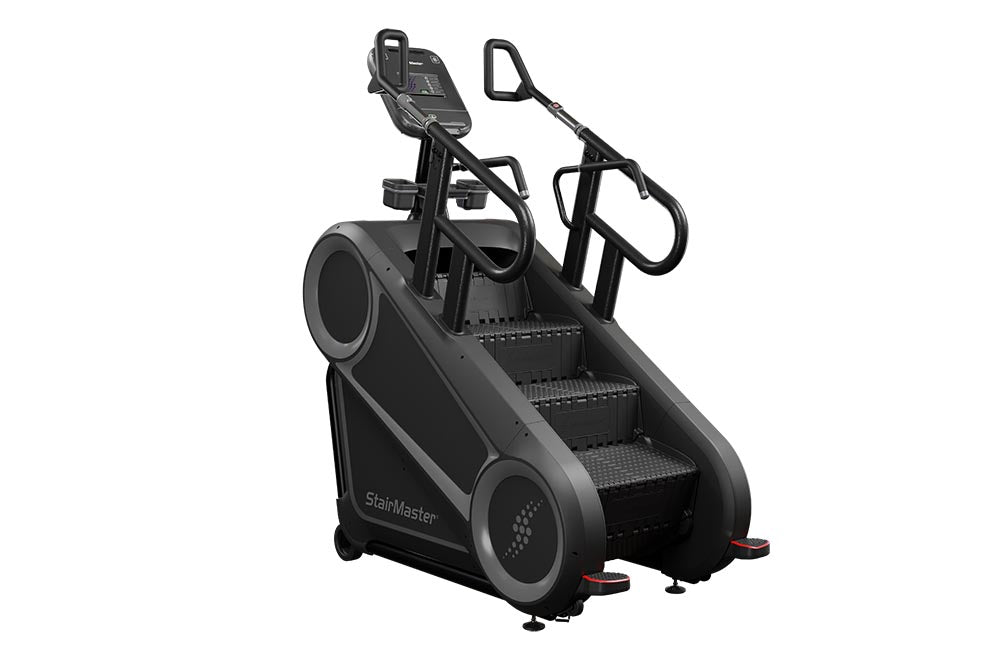
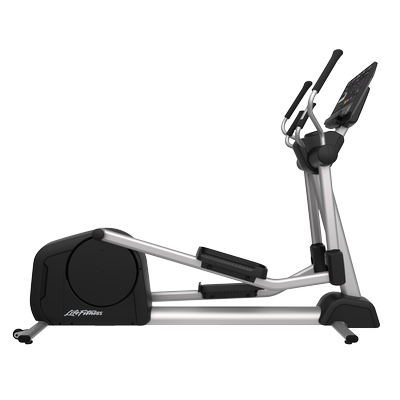
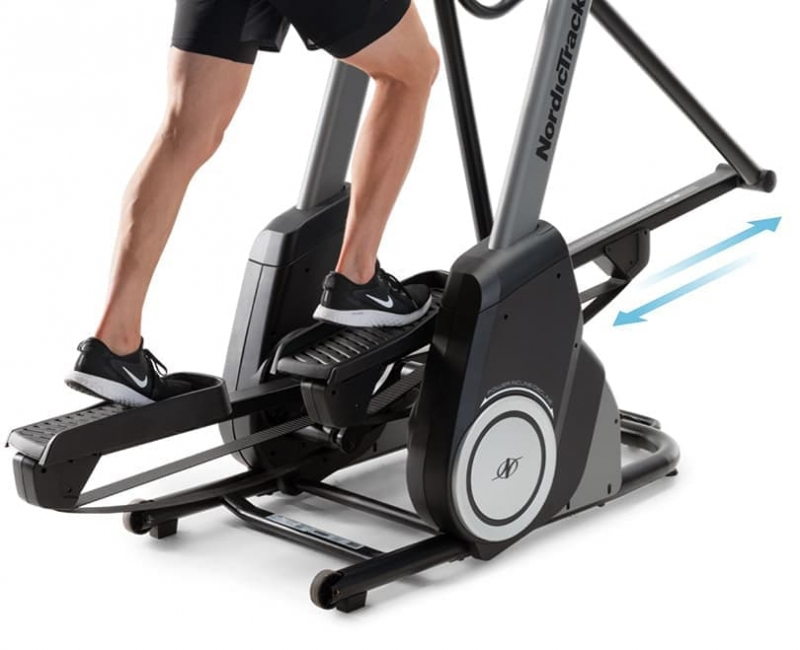
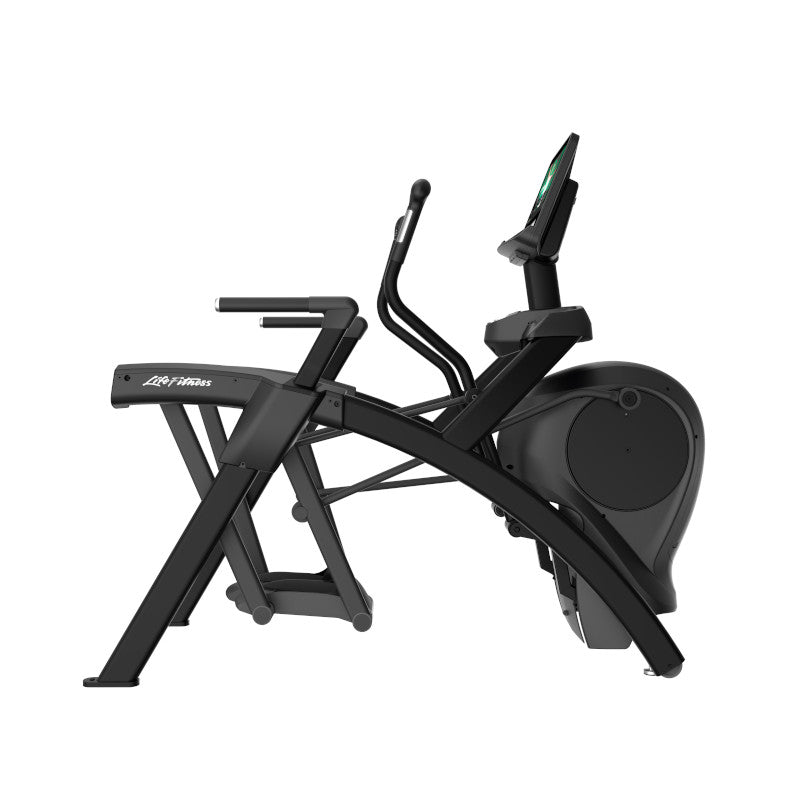
- Step Type: Choose between revolving stairs (StairMaster-style), pedal steppers, or hybrid designs based on your training goals
- Resistance Levels: Look for 20+ resistance settings to accommodate progression from beginner to advanced
- Step Height Range: Adjustable step depth allows customization for different fitness levels and workout intensities
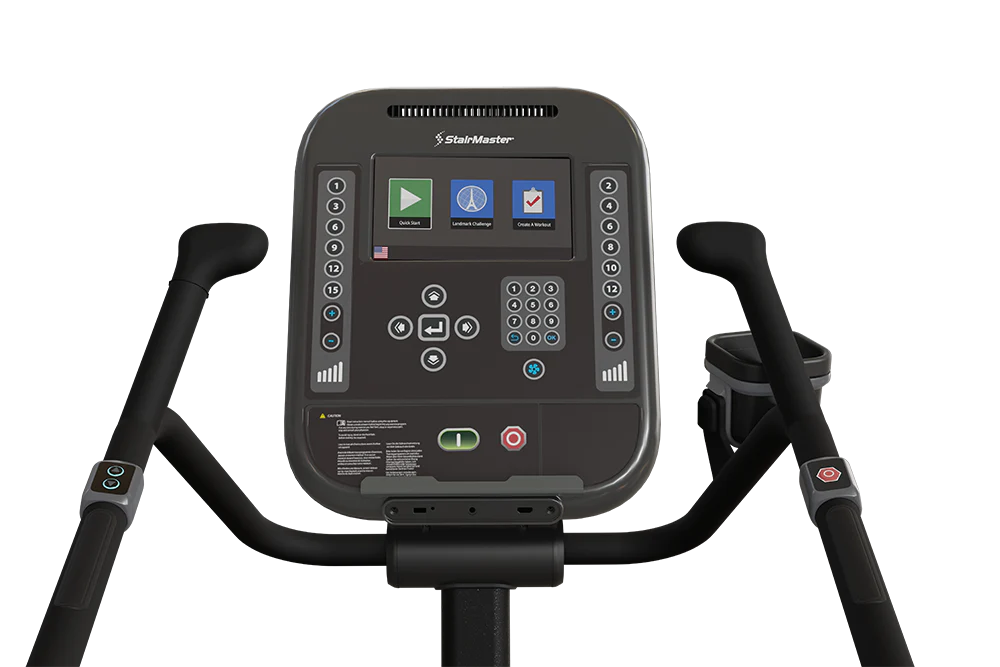
- Console Technology: Performance metrics including floors climbed, calories, and heart rate
- Footprint & Ceiling Height: Compact models now available for home use; verify 8-9 foot ceiling clearance for full-size units
- Handrail Design: Multi-position grips and heart rate sensors for comfort and monitoring
- Build Quality: Commercial-grade construction ensures durability for high-frequency use
Stair Climber Buying Tips
- Define Your Space: Measure available floor space and ceiling height before selecting a model
- Match to Usage: Commercial units for gyms and high-traffic environments; compact models for home use
- Test the Motion: Visit our showroom to experience the natural stepping motion and ensure comfort
- Consider Connectivity: Modern consoles offer streaming workouts, virtual courses, and performance tracking
- Plan for Delivery: Full-size stair climbers require professional installation and may need doorway/stairwell clearance
- Budget for Quality: Premium models offer superior biomechanics, quieter operation, and longer lifespan
Frequently Asked Questions
Are stair climbers suitable for beginners?
Yes. Start with lower resistance and shorter sessions (10-15 minutes), gradually increasing intensity as your fitness improves. The adjustable resistance accommodates all fitness levels.
How does a stair climber compare to a treadmill?
Stair climbers provide greater lower-body muscle engagement and calorie burn per minute while being gentler on joints. Treadmills offer more natural running motion and may be better for training for running events.
What's the difference between a Stair Climber and a stepper?
Stair Climber machines feature revolving stairs that provide continuous climbing motion, while steppers use pedals that move up and down. Revolving stairs offer more natural biomechanics and greater range of motion.
Can I use a stair climber if I have knee issues?
Stair climbers are low-impact, but consult your doctor first if unsure. Start with minimal resistance and avoid leaning heavily on handrails, which can alter biomechanics and increase joint stress.
How much space do I need for a home stair climber?
Compact models require approximately 2-3 feet wide by 4-5 feet deep. Ceiling height is critical—most units need 8-9 feet of clearance. Measure your space and verify specifications before purchasing.
What maintenance do stair climbers require?
Regular cleaning, periodic belt/chain lubrication (if applicable), and annual professional servicing for commercial units. Home models require minimal maintenance beyond keeping the unit clean and checking for loose bolts.
Can I do HIIT workouts on a stair climber?
Absolutely. Stair climbers are ideal for high-intensity interval training. Alternate between high-resistance sprints and recovery periods for maximum cardiovascular and metabolic benefits.
Do you offer delivery and installation?
Yes. We provide professional delivery and installation for all stair climbers, ensuring proper setup and safety. Our team will coordinate logistics and verify your space meets requirements.