Nationwide Sales & Service - 01536 802333

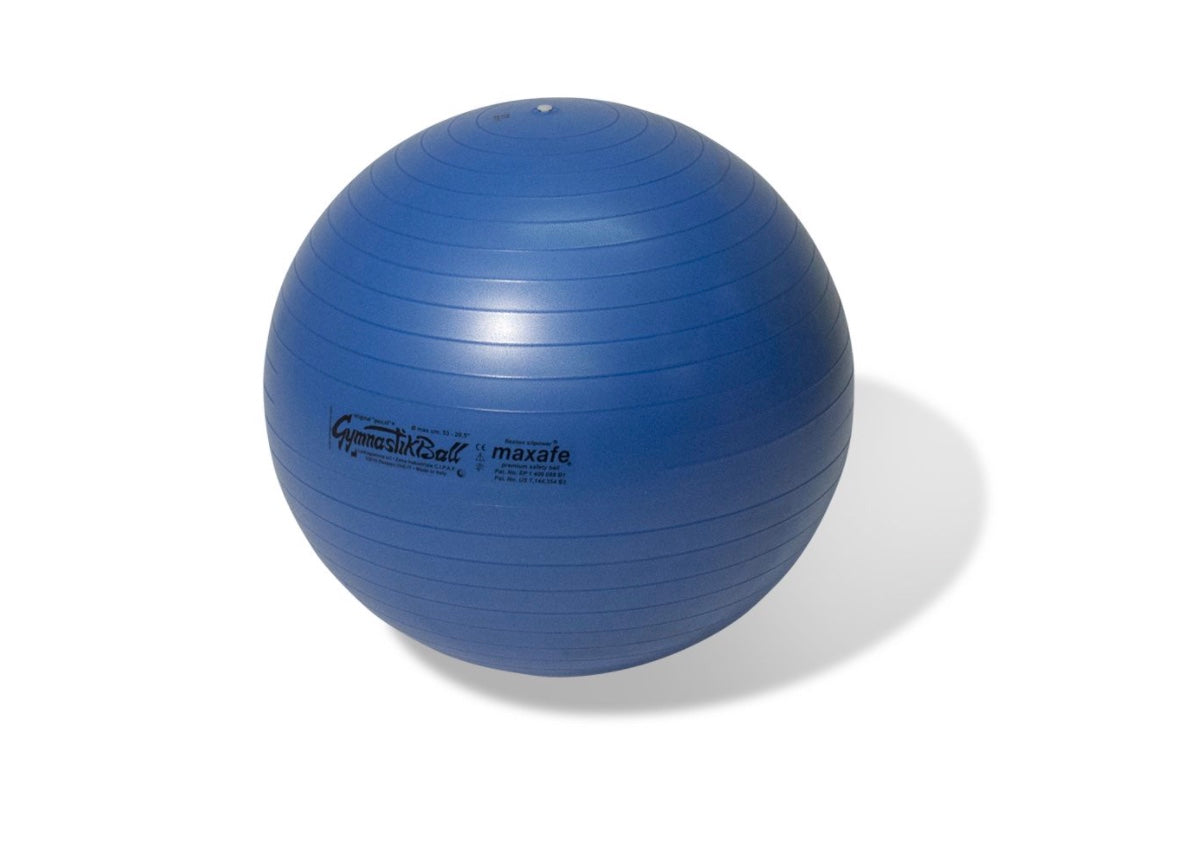
Strengthen your core, improve balance, and enhance flexibility with our premium selection of Swiss balls and stability balls. From 150kg home-use models to 500kg commercial-grade anti-burst balls, we supply equipment trusted by physiotherapists, personal trainers, Pilates studios, and home athletes across the UK.
Strengthen your core, improve balance, and enhance flexibility with our premium selection of Swiss balls and stability balls. From 150kg home-use models to 500kg commercial-grade anti-burst balls, we supply equipment trusted by physiotherapists, personal trainers, Pilates studios, and home athletes across the UK.
For Core Strength & Stability
Unstable surface forces continuous micro-adjustments, activating deep core stabilizers that traditional floor exercises miss. Improves transverse abdominis, multifidus, and pelvic floor engagement. Enhances proprioception and neuromuscular control for functional movement patterns.
For Rehabilitation & Physiotherapy
Gentle, low-impact platform for post-injury strength rebuilding and mobility restoration. Adjustable difficulty by changing ball size or inflation level. Supports pelvic floor exercises, postural correction, and balance retraining. Medical-grade compliance ensures safety for clinical applications.
For Pilates & Yoga
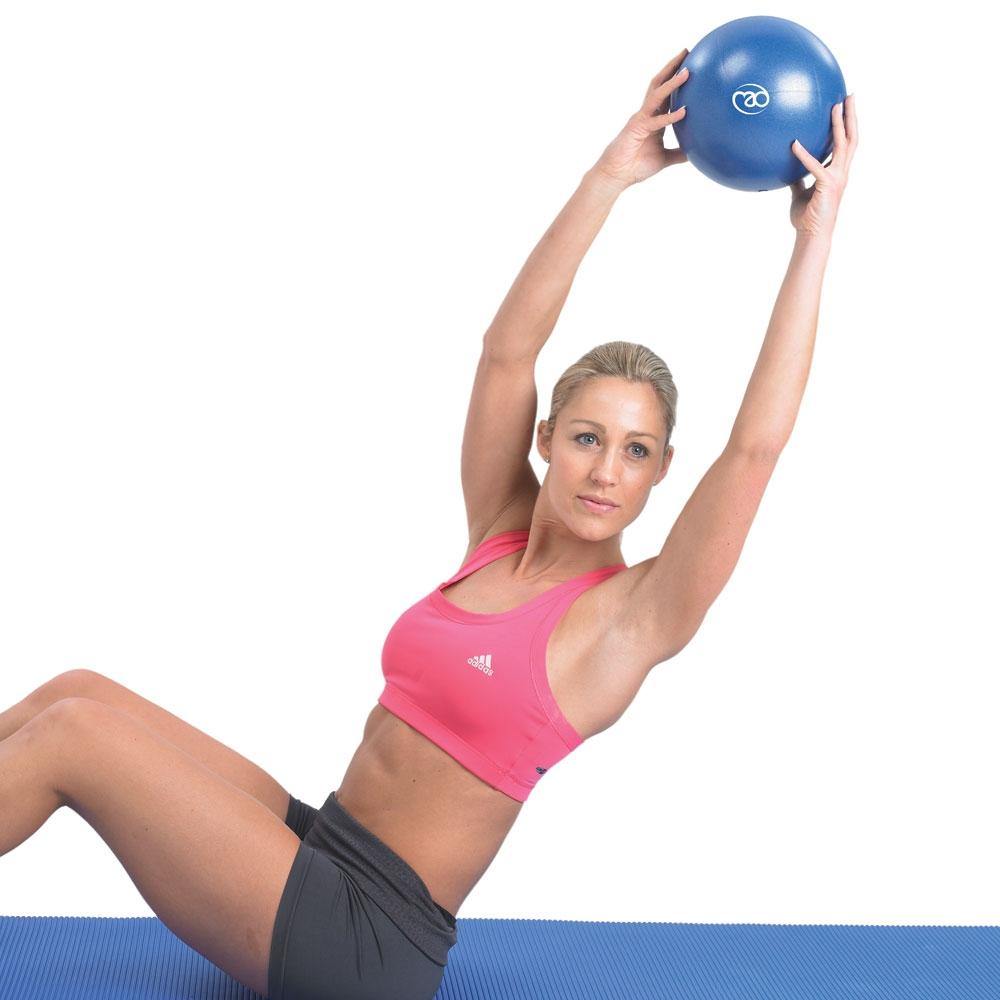
Adds instability challenge to traditional mat exercises, deepening muscle engagement. Small Pilates balls (18-30cm) target specific muscle groups and enhance stretching. Large stability balls support inversions, backbends, and balance poses. Anti-slip surfaces provide excellent grip during dynamic movements.
For Active Sitting & Posture
Replace desk chairs to promote active sitting and spinal alignment. Constant micro-movements prevent static posture fatigue and increase calorie expenditure. Strengthens core muscles throughout workday. Particularly beneficial for individuals with postural problems or sedentary occupations.
For Strength Training Integration
Add instability to push-ups, planks, bridges, and pressing movements to increase difficulty and muscle activation. Use as bench alternative for dumbbell exercises. Supports progressive overload by manipulating stability rather than just weight. 500kg+ rated balls safely accommodate weight training applications.
For Group Fitness Classes
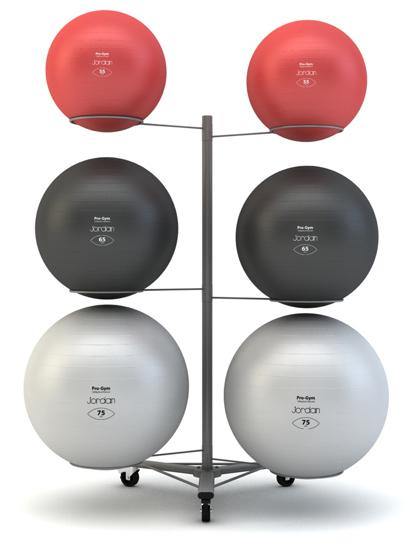
Versatile tool for circuit training, bootcamps, and specialized ball classes. Enables partner exercises and team activities. Durable construction withstands daily high-volume use. Storage racks keep studios organized and professional between sessions.
For Balance & Coordination
Challenges vestibular system and proprioceptive awareness. Improves single-leg stability and dynamic balance control. Beneficial for fall prevention in older adults and athletic performance enhancement. Scalable difficulty from seated exercises to advanced single-leg movements.
Sizing Test
Sit on inflated ball with feet flat on floor. Hips and knees should form 90-degree angles. Thighs parallel to ground. If knees are higher than hips, ball is too small. If knees are lower, ball is too large.
Small Pilates Balls (18-30cm)
Specialized tools for targeted exercises, not full-body stability work. 18cm: pelvic floor exercises and small muscle isolation. 23cm: Pilates reformer alternative exercises. 30cm: enhanced stretching and resistance work.
150kg Rating
Home use, yoga, Pilates, physiotherapy, and active sitting. Not recommended for weight training or commercial facilities. Factory tested as burst-resistant at 200kg. Maximum recommended user weight: 150kg. Warranty typically excludes commercial use.
300kg Rating
Moderate commercial use, fit ball workouts, and group classes. SGS Labs tested burst-resistant at 500kg+ static load. Suitable for bodyweight exercises and light resistance training. Balances affordability with commercial durability.
500kg Rating
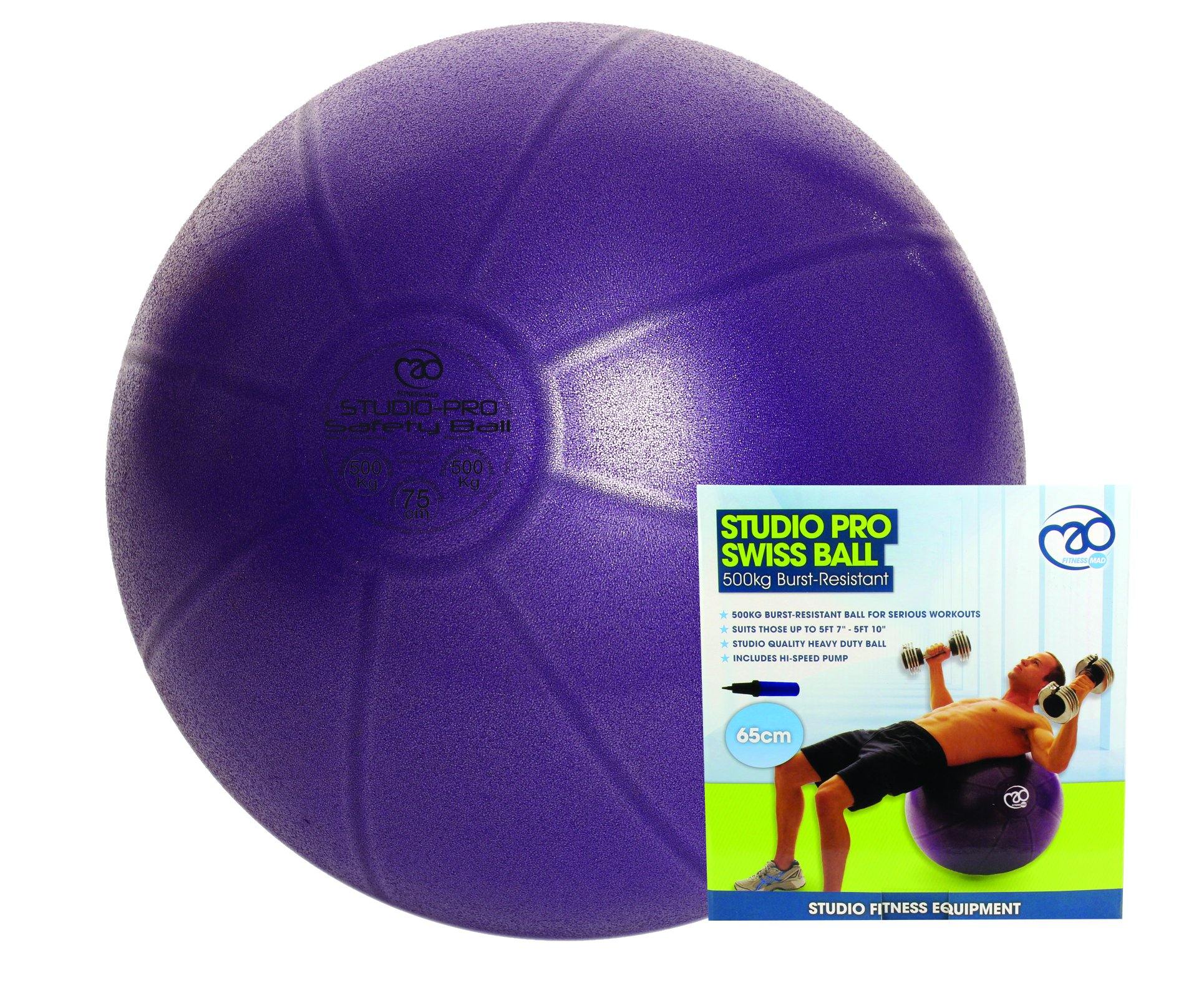
High-volume studios, weight training integration, and intensive commercial use. SGS Labs tested with static loads exceeding 1.5 tons without failure. Studio-quality construction for serious workouts. Recommended for facilities running multiple daily classes.
What size Swiss ball do I need for my height?
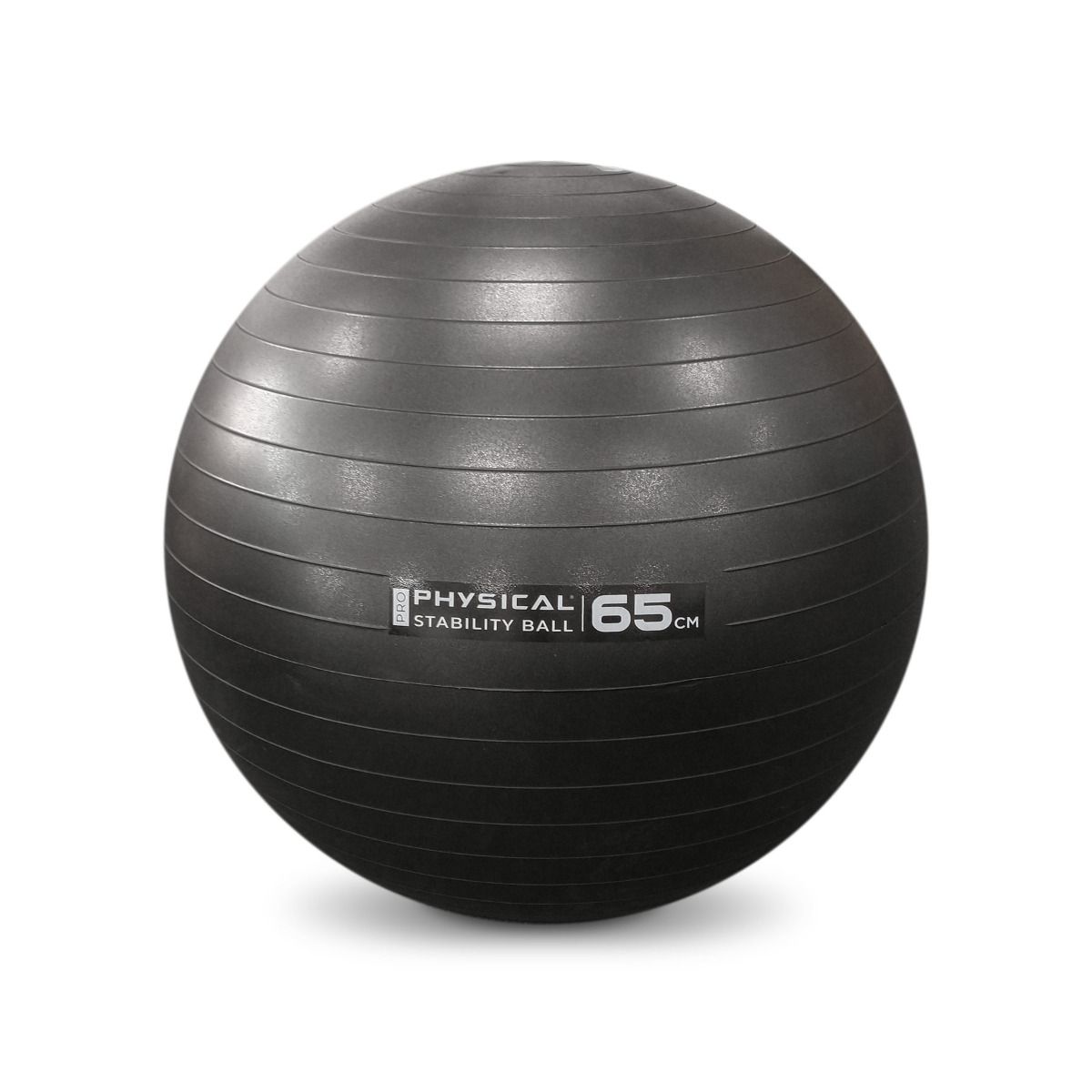
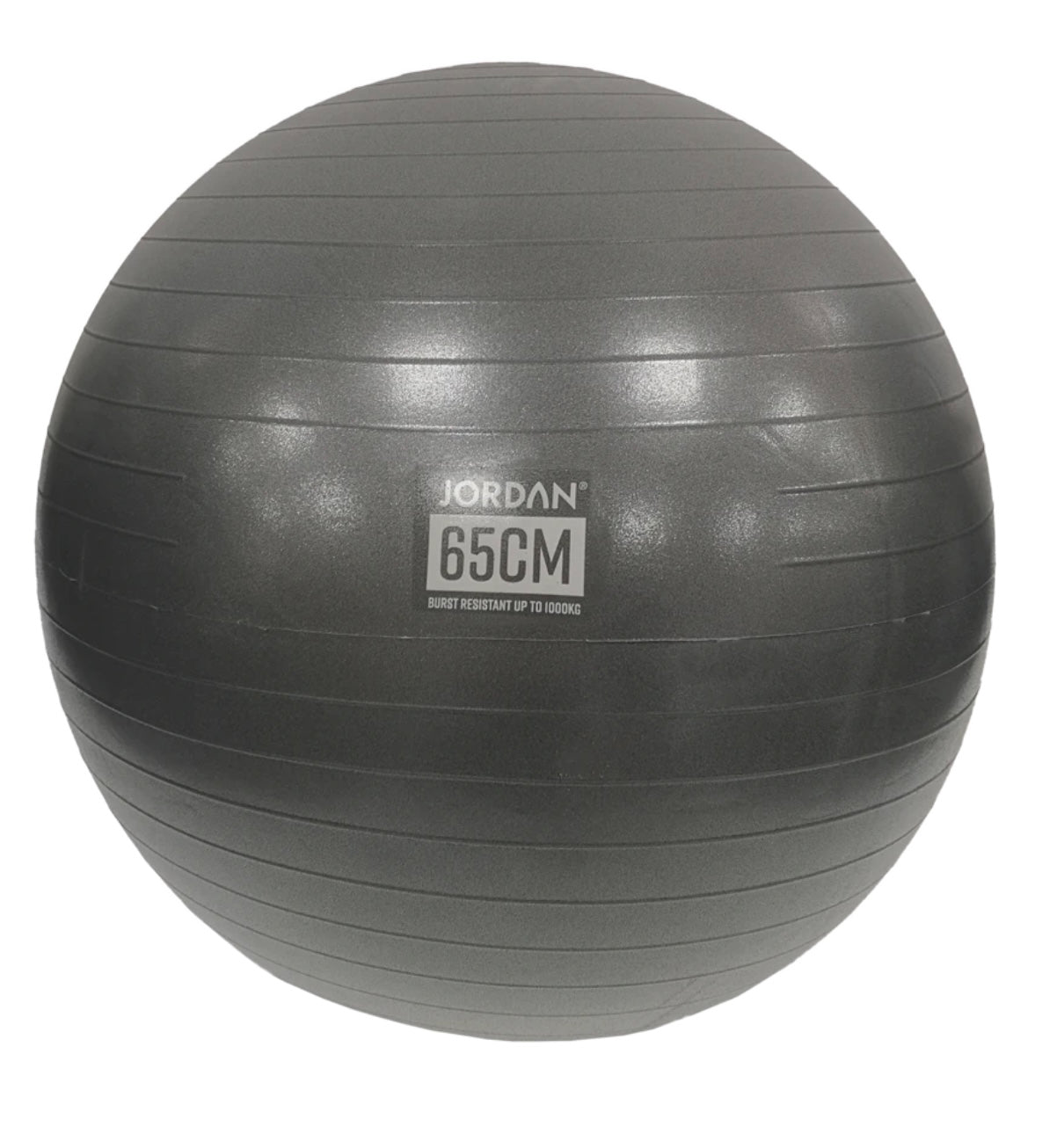
55cm for 155-167.5cm tall (5'2"-5'6"), 65cm for 167.5-185cm tall (5'6"-6'1"), 75cm for 185-192cm+ tall (6'1"-6'4"+). When seated, your hips and knees should form 90-degree angles with feet flat on floor. If between sizes, choose larger for exercise variety or smaller for active sitting.
What's the difference between anti-burst and burst-resistant?
Anti-burst technology ensures the ball deflates slowly if punctured rather than exploding, preventing users from crashing to the floor. Burst-resistant means the ball can withstand specified loads without bursting under normal conditions. Quality balls feature both technologies for maximum safety.
Can I use a Swiss ball for weight training?
Yes, but only with appropriately rated balls. Use 500kg+ rated balls for exercises involving dumbbells, barbells, or heavy resistance. 150kg-300kg balls are suitable for bodyweight exercises only. Never exceed the manufacturer's weight rating, and ensure the ball is properly inflated.
How do I know if my ball is inflated correctly?
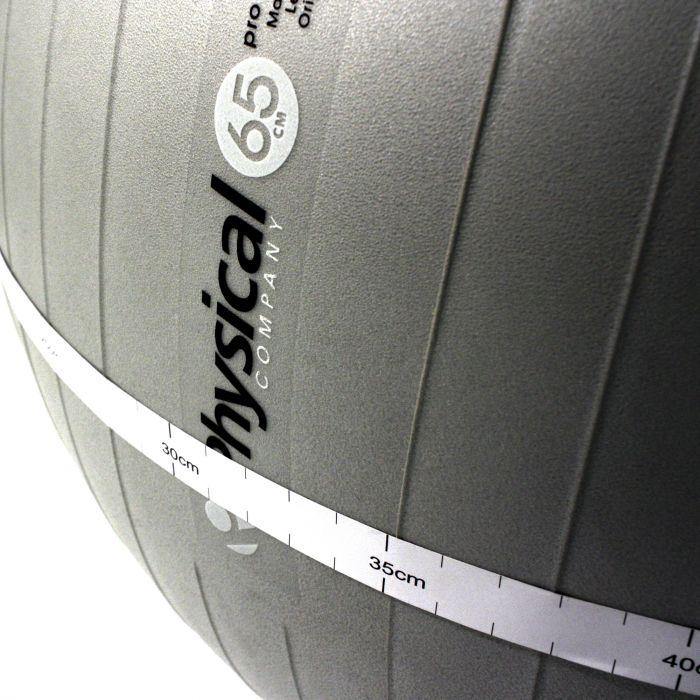
Use a measuring tape to verify the circumference matches the ball's stated size (55cm, 65cm, or 75cm). The ball should feel firm but have slight give when pressed. For sitting, your knees should be at 90-degree angles when feet are flat on floor. Under-inflation reduces effectiveness; over-inflation increases burst risk.
Are Swiss balls safe for pregnancy exercises?
Yes, when using phthalate-free, latex-free balls rated appropriately for your weight. Swiss balls are excellent for prenatal exercise, labour preparation, and pelvic floor strengthening. Consult your healthcare provider before starting any exercise program during pregnancy. Choose balls with anti-burst technology for added safety.
Can I use a Swiss ball as an office chair?
Yes, many people use 65cm balls as active sitting alternatives to desk chairs. This promotes core engagement, improves posture, and increases calorie expenditure. Start with 20-30 minute sessions and gradually increase duration. Ensure proper size so knees are at 90 degrees. Consider a ball with stability base for added safety.
What's the difference between a Swiss ball and a Pilates ball?
Swiss balls (stability balls, gym balls, fit balls) are large (55-75cm) for full-body exercises and sitting. Pilates balls are small (18-30cm) for targeted muscle isolation, pelvic floor work, and resistance exercises. Both serve different purposes—most Pilates practitioners use both sizes.
Do I need a pump, or can I inflate it another way?
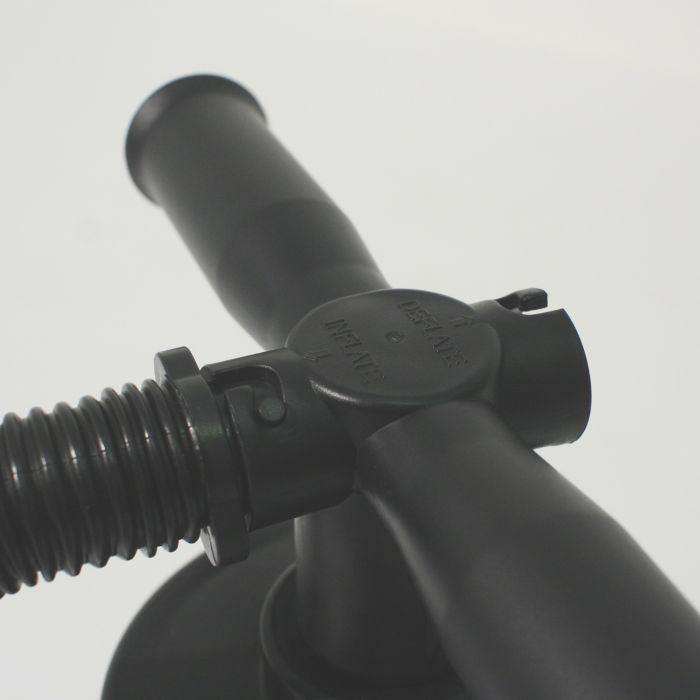
A dedicated ball pump is strongly recommended. Hand pumps included with many balls or double-action pumps (4000cc capacity) make inflation quick and easy. Avoid using air compressors, which can over-inflate and damage the ball. Bike pumps work but require significant effort for large balls.
How do I clean and maintain my stability ball?
Wipe with a damp cloth and mild detergent after each use. Avoid harsh chemicals, abrasive cleaners, and solvents that degrade PVC. Never leave near heat sources (radiators, direct sunlight). Store in cool, dry location away from sharp objects. Inspect regularly for wear, punctures, or surface degradation.