Nationwide Sales & Service - 01536 802333

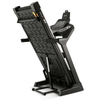
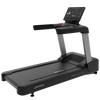
Select from a variety of high-quality treadmills whether its a foldable treadmill or Flat bed or a curved treadmill from Manufacturers such as Matrix, NordicTrack, inspire, Horizon, Life Fitness, Spirit, Woodway & Technogym, Whether its for home gyms, commercial fitness spaces, or school gyms.
A running machine is a popular choice, whether your looking to use a treadmill to train for couch to 5k or a 10km race. It provides the ability to exercise indoors, even on rainy days, making it an ideal way to improve cardio fitness. You might also find useful our Treadmill Buying Guide.
Select from a variety of high-quality treadmills whether its a foldable treadmill or Flat bed or a curved treadmill from Manufacturers such as Matrix, NordicTrack, inspire, Horizon, Life Fitness, Spirit, Woodway & Technogym, Whether its for home gyms, commercial fitness spaces, or school gyms.
A running machine is a popular choice, whether your looking to use a treadmill to train for couch to 5k or a 10km race. It provides the ability to exercise indoors, even on rainy days, making it an ideal way to improve cardio fitness. You might also find useful our Treadmill Buying Guide.


Viewing 16 out of 76 products
Load MoreTreadmills are versatile cardio machines available in several distinct styles. Each type serves different training purposes, user needs, and biomechanical demands. All treadmill variants engage major lower body muscles and, to a lesser extent, challenge core and upper body stabilisation.
On curved treadmills, running form is slightly altered—users must push the belt actively, increasing demands on hamstrings and glutes versus a motorised treadmill. Incline features on motorised treadmills magnify recruitment of the posterior chain (glutes, hamstrings).
Upper body musculature is lightly involved: arm swing (deltoids, biceps, triceps) and torso stabilisation (upper back). Treadmills offer a lower-body-dominant, full-range biomechanical workout that can be adjusted for intensity, stability, and rehabilitation goals by selecting the appropriate model and setting.
How do I choose the right treadmill for my goals?
Assess fitness level, running vs. walking demand, available space, budget, and desired features like incline, programs, or connectivity.
Are treadmills suitable for beginners?
Yes. Beginners can start with slow walking and progress to running. Look for models with comfortable cushioning and intuitive consoles.
Is walking/running on a treadmill effective for weight loss?
Yes. Treadmills enable controlled cardio workouts; adjusting speed and incline can maximize calorie burn, especially through interval training.
What incline should I use?
A 1–2% incline simulates outdoor road running. Higher inclines engage glutes and hamstrings and increase intensity.
How accurate are treadmill calorie estimates?
They are rough calculations. Entering weight helps, but devices may overestimate by 15–20%. Heart rate monitors often provide more accurate data.
Do treadmills require special shoes?
No special shoes are required. Supportive running/trainers are usually recommended.
How much space do I need for a treadmill?
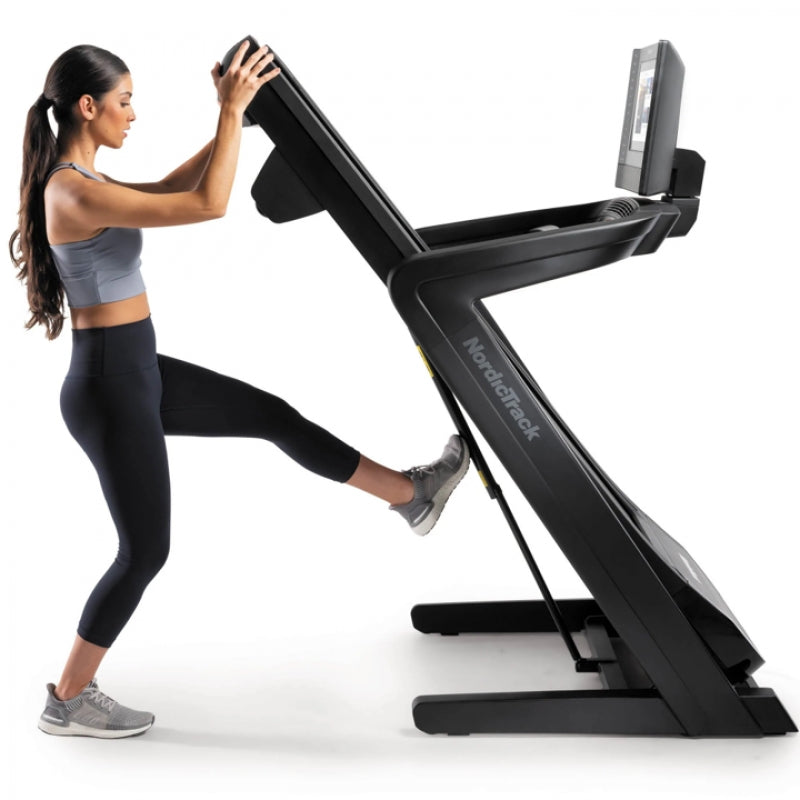
Plan for about 3 feet wide by 6–7 feet long; folding treadmills offer solutions for smaller spaces, allow safety clearance behind, contact us for advise with your space.
Are treadmill workouts as effective as outdoor running?
Yes, especially if incline and speed are adjusted to match outdoor terrain. Outdoor running provides terrain variation and wind resistance, but treadmills allow consistent, controlled training.
What’s the difference between home and commercial treadmills?
Commercial models are built for intensive use, durability, and higher weight limits. Home models may offer smaller motors and lighter frames.