Water Rowing Machines Banner

Water Rowing Machines

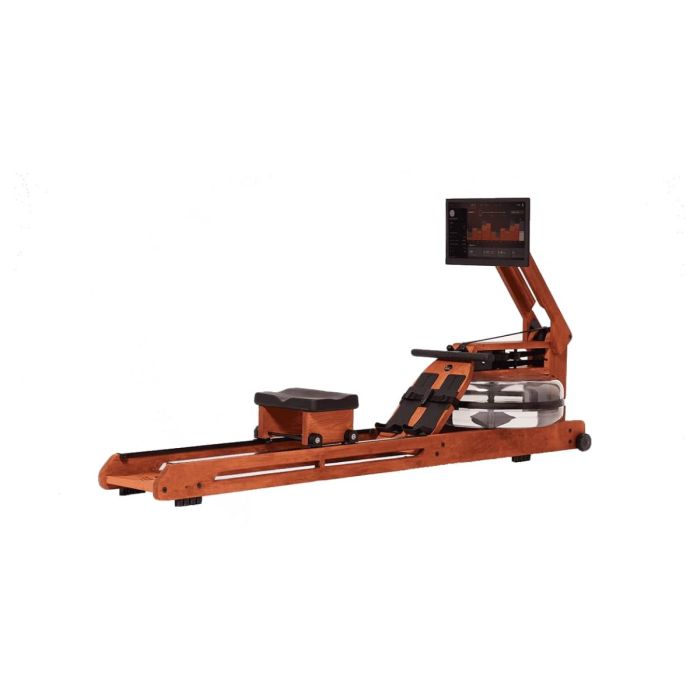
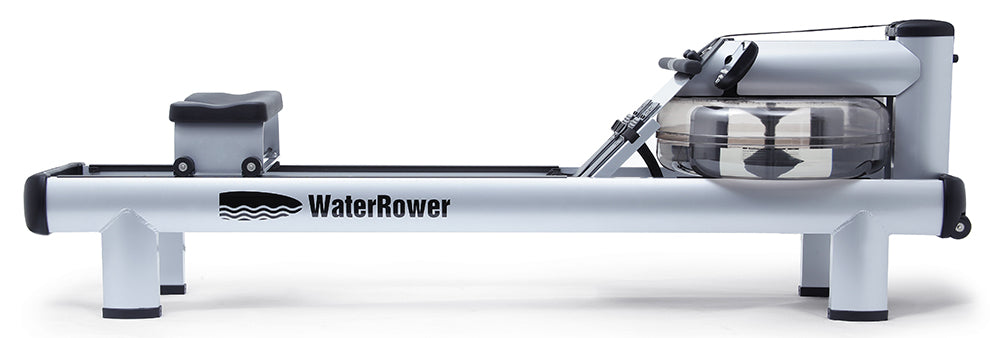
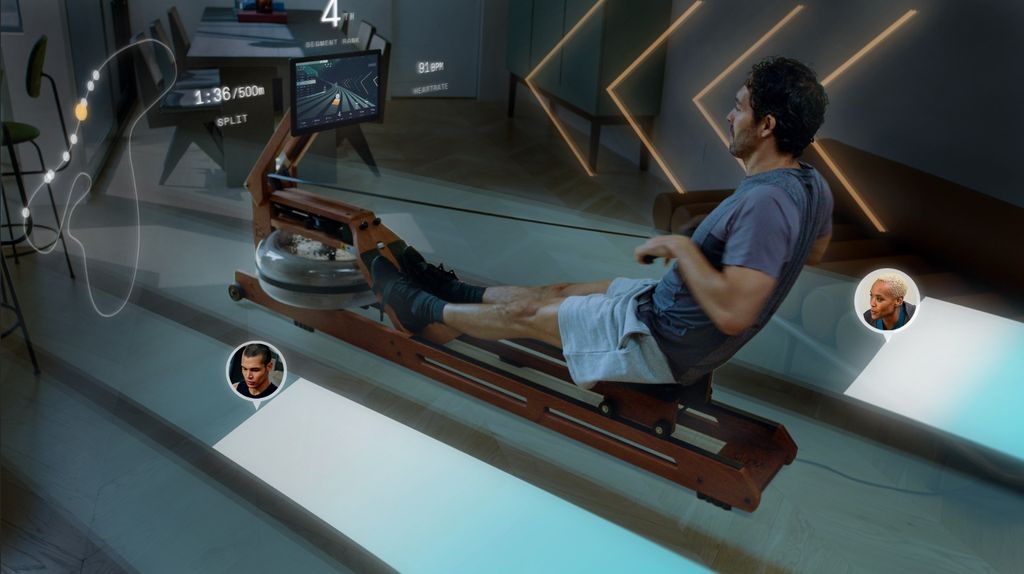
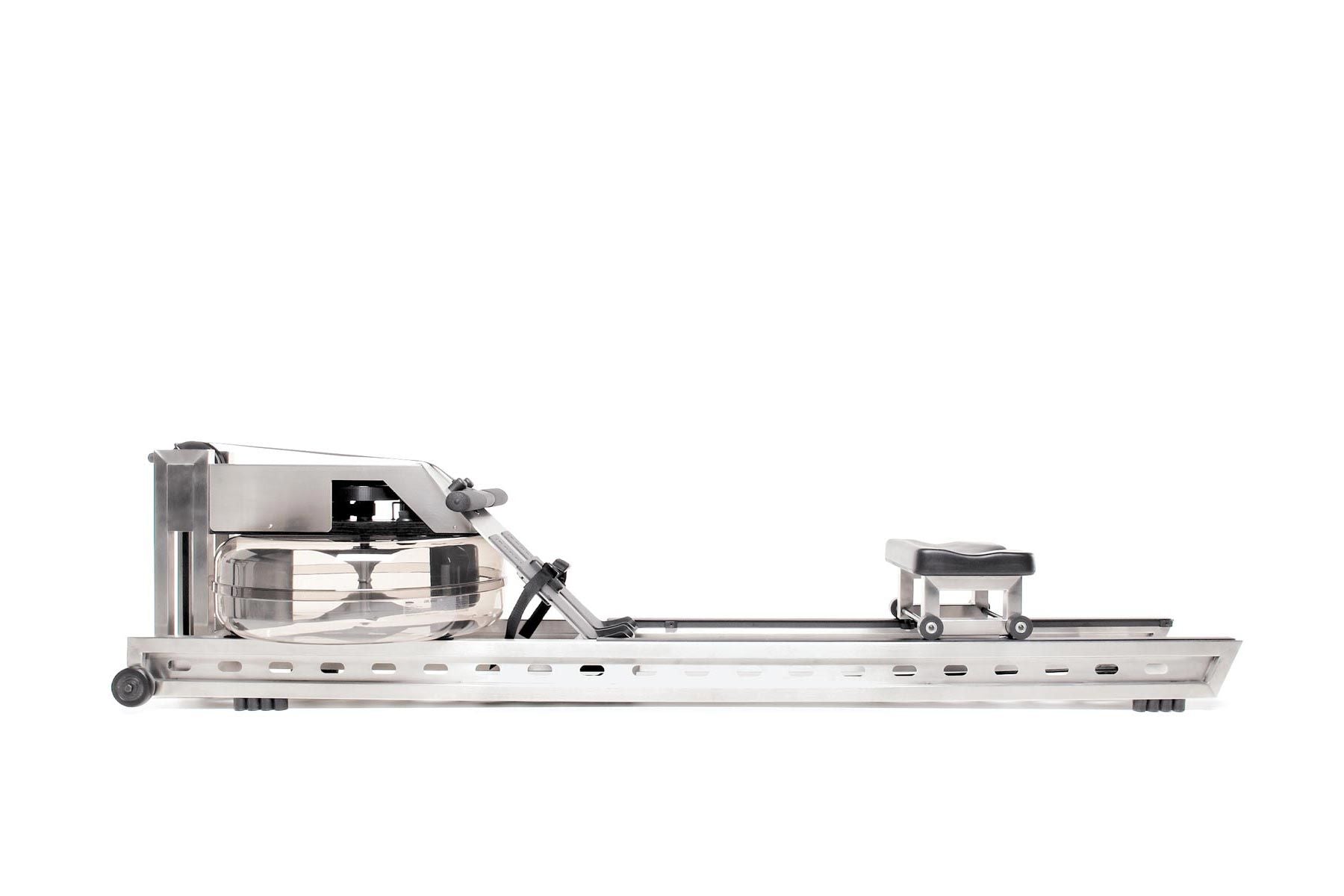
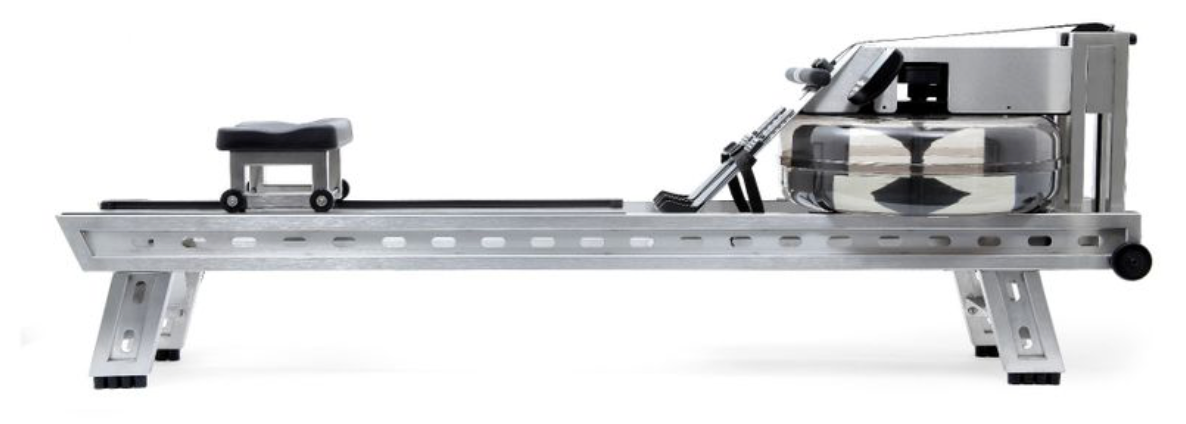
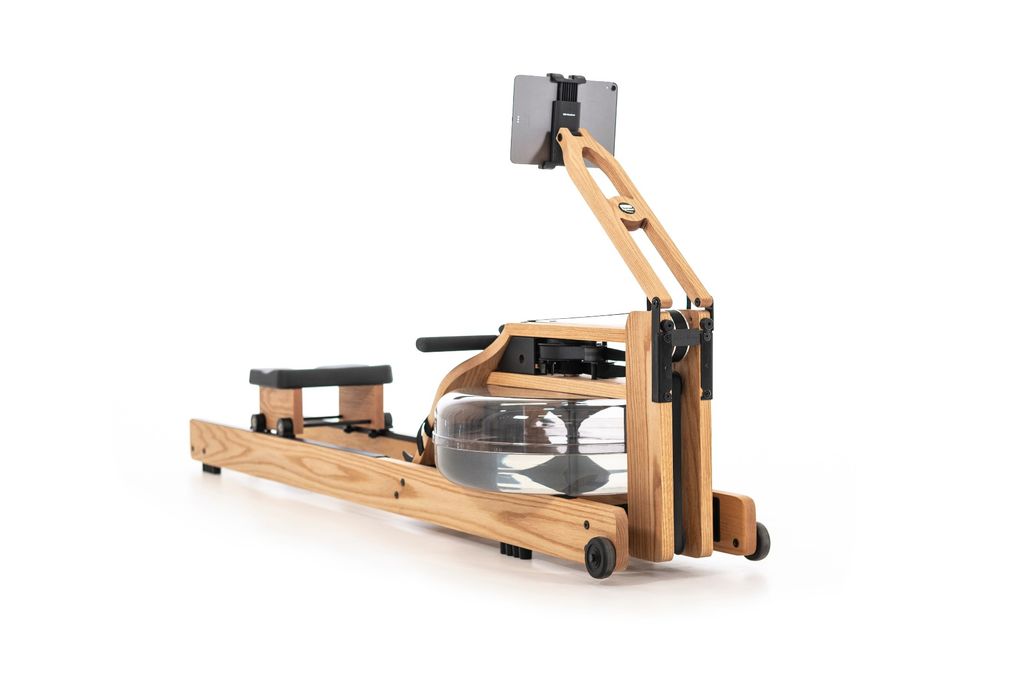
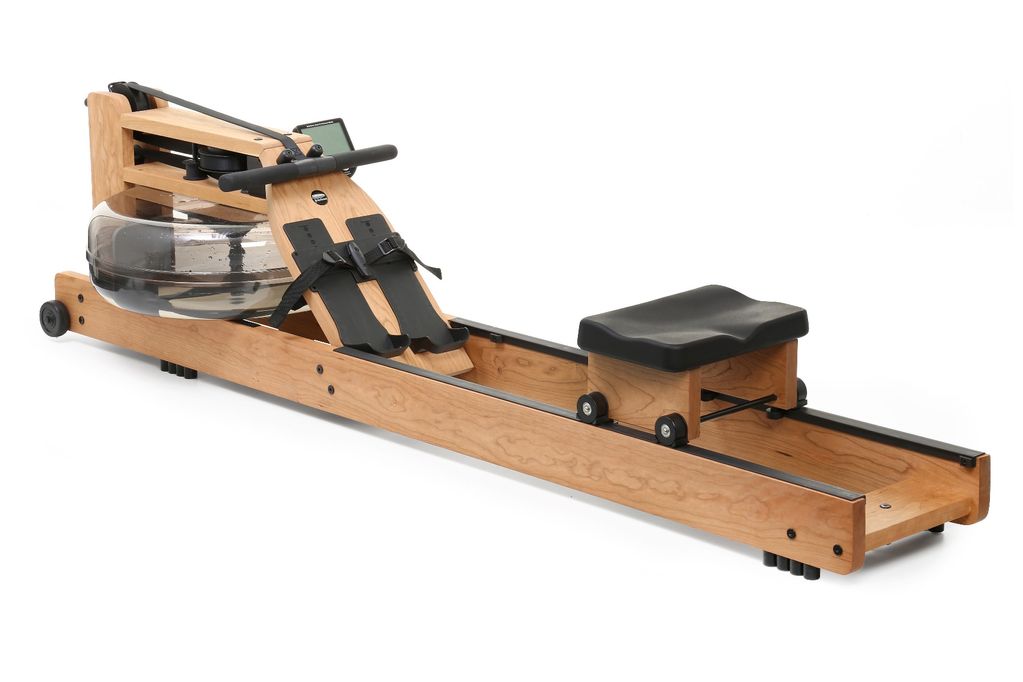
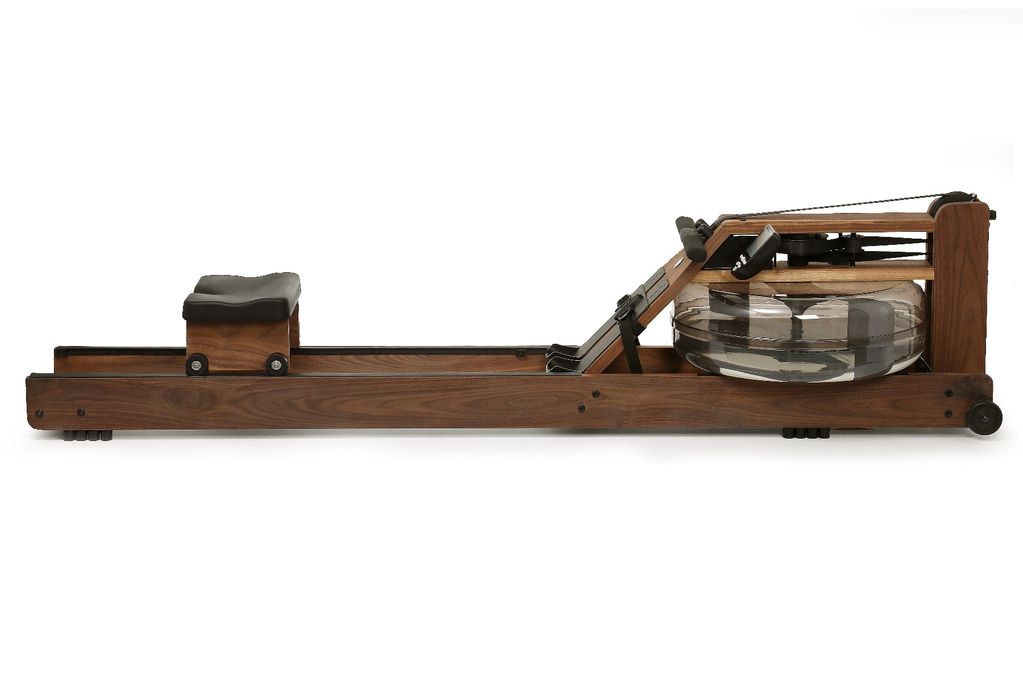
Here is a selection of premium Water Rowing Machines available either in stock or Pre Order from Manufacturers such as Life Fitness, Water Rower, instore or for gym design projects. Water rowing machines are a compact and effective cardio workout, read more with our Rower Buying Guide to help your choice.
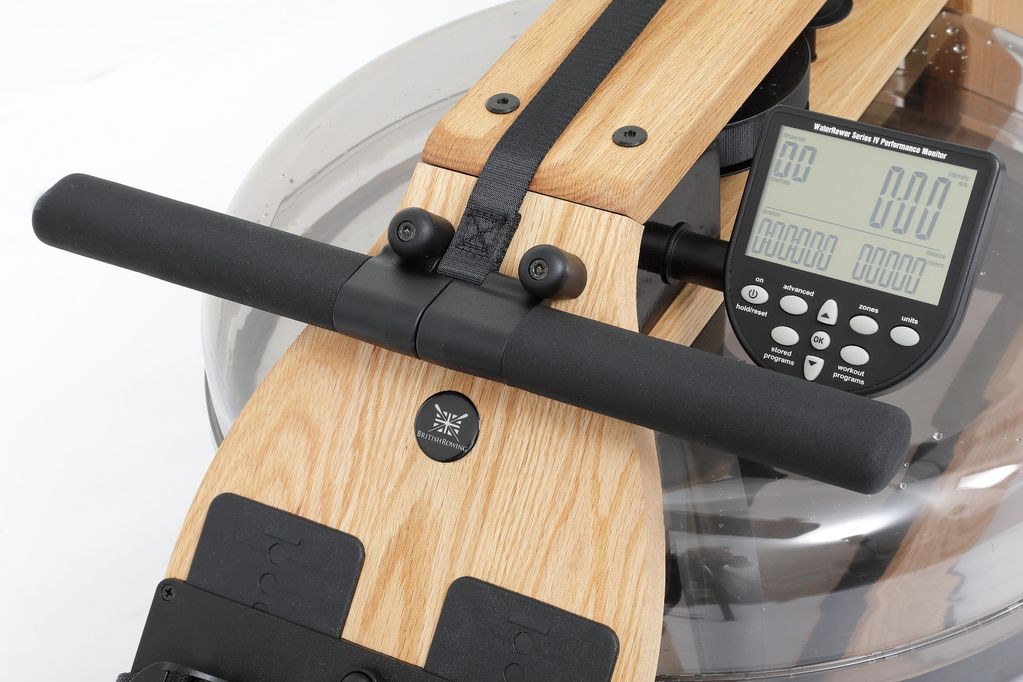
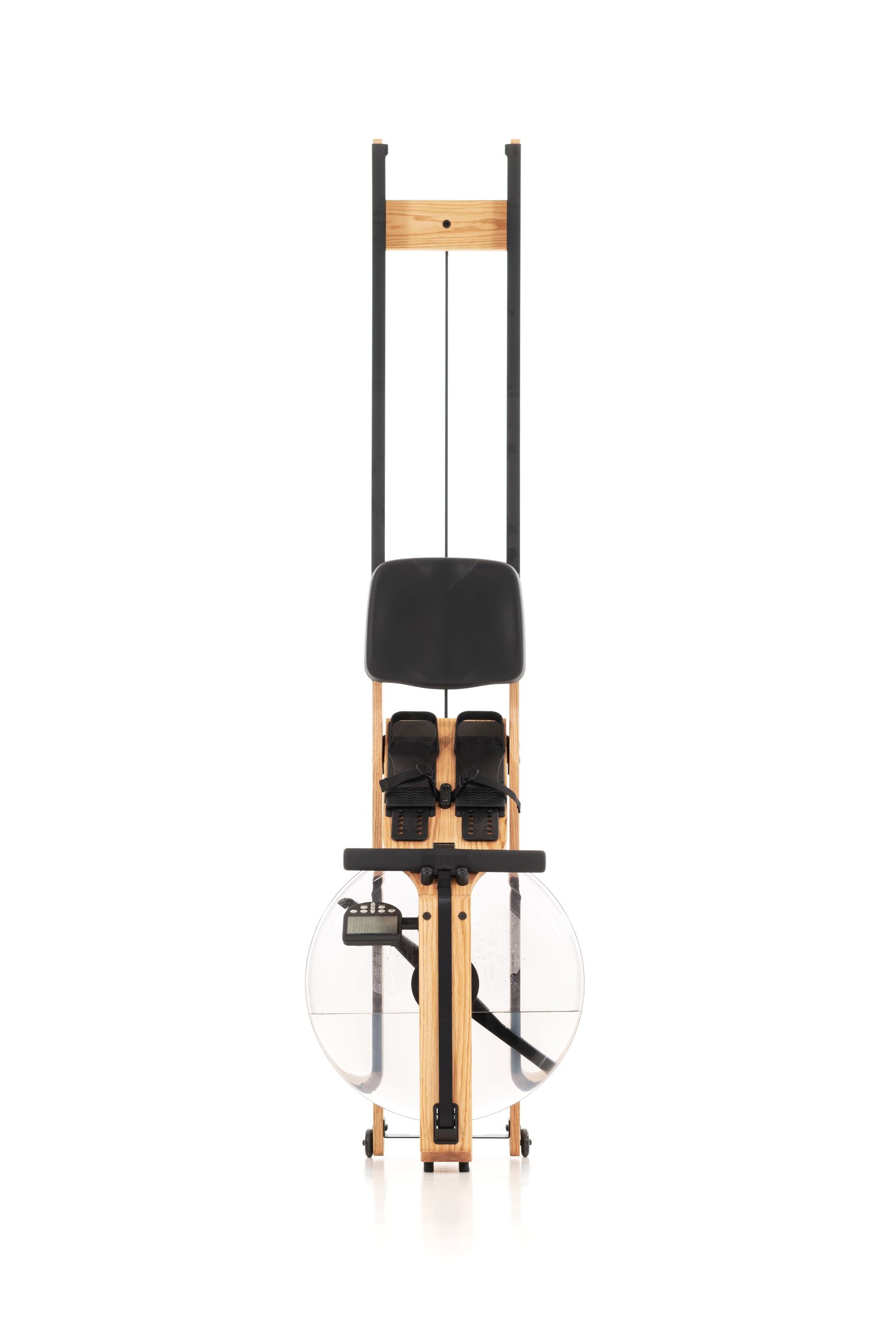
Here is a selection of premium Water Rowing Machines available either in stock or Pre Order from Manufacturers such as Life Fitness, Water Rower, instore or for gym design projects. Water rowing machines are a compact and effective cardio workout, read more with our Rower Buying Guide to help your choice.
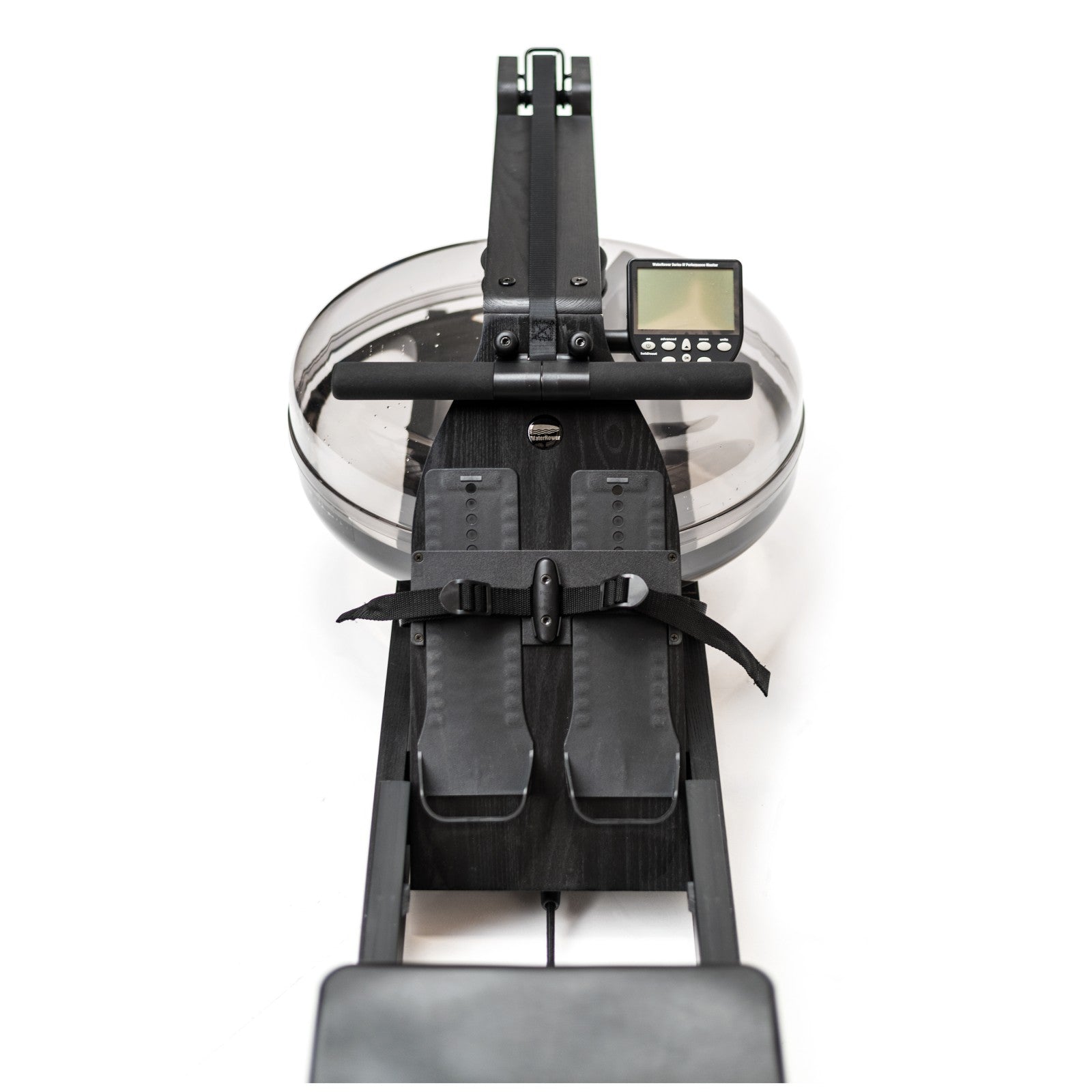
Water rower machines provide a low-impact, full-body workout that closely mimics the feel and sound of rowing on water, offering dynamic resistance that adjusts with stroke intensity. These machines are effective for building muscular strength, improving endurance, and enhancing cardiovascular health, while also delivering a smooth and enjoyable user experience.

Water rower machines Key Benefits

  • Water resistance rowers offer a highly realistic rowing experience, thanks to their paddles-in-water mechanism, simulating real on-water rowing.
  • The resistance naturally increases as the user pulls harder, allowing for scalable workouts suitable for all fitness levels without manual adjustment.
  • These rowers provide smoother and quieter operation compared to air rowers, making them ideal for home or shared spaces.
  • Regular use can improve cardiovascular fitness, build muscular endurance, burn significant calories, and provide low-impact training that is joint-friendly.

Water rower machines & Muscles Worked


A great all over workout, water rower machines target 84–86% of the body's muscles through the four major phases of the rowing stroke. Key muscle groups include:

  • Legs: Quadriceps, hamstrings, calves, glutes—primarily engaged during the drive phase.
  • Core: Abdominals, obliques, lower back—active for stability and posture maintenance.
  • Back: Latissimus dorsi, rhomboids, trapezius, erector spinae—activated during the pull and stabilization.
  • Arms & Shoulders: Biceps, triceps, deltoids—used in both the pull and finishing phases.

Water rower machines Buying Tips

Look for water resistance rowers with robust, durable construction (often wood or steel) and secure, comfortable seats and handles.

  1. Check for adjustable resistance via water level or multi-chamber tank for flexible workouts.
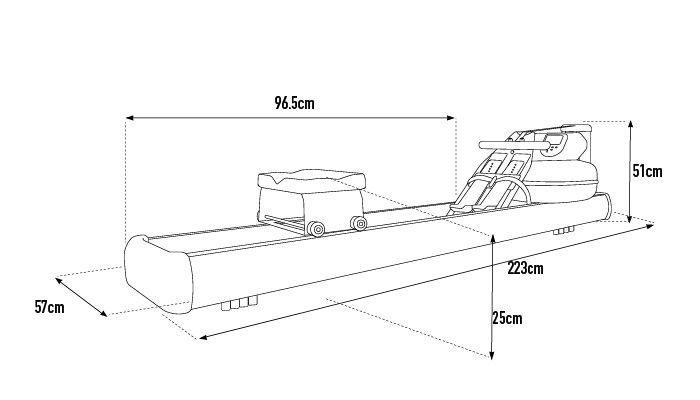
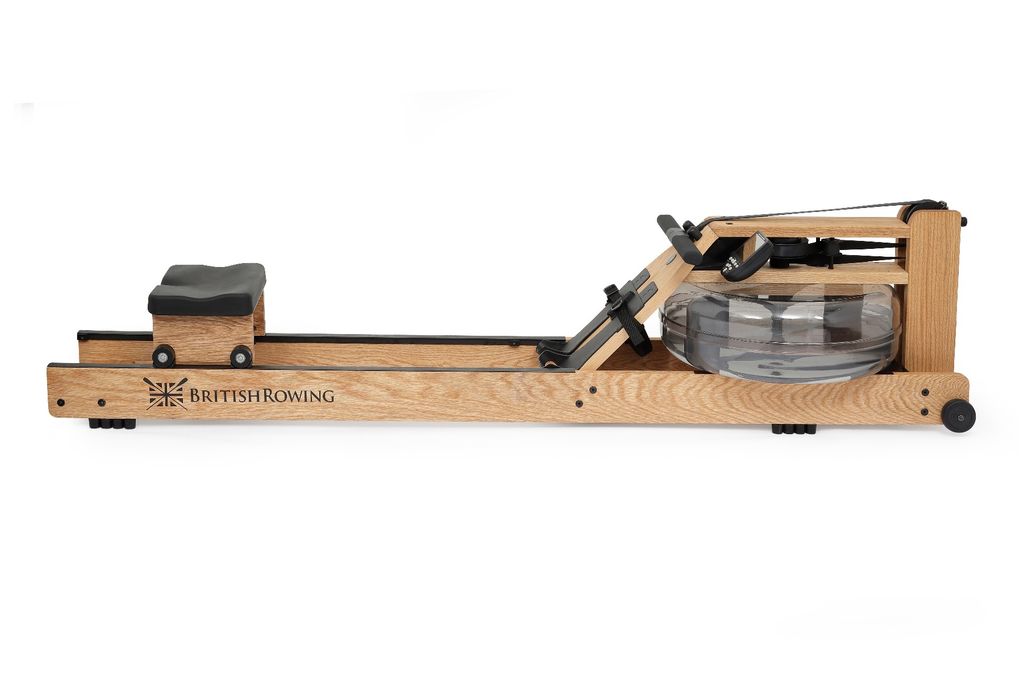
  2. The ability to stand upright, models are available if floor space is a concern.
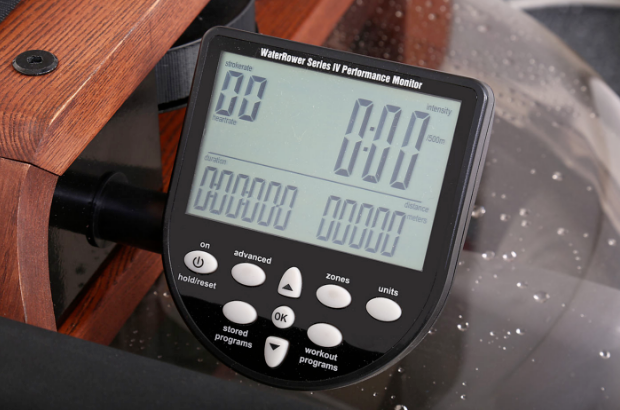
  3. Quality footrests, stable rails, and a clear display for tracking metrics (time, distance, strokes, calories) enhance usability and progress tracking.
  4. Ensure the machine is easy to move (wheels) and maintain (ability to add water purification tablets to the tank).

How to Use your Water Rowing Machine

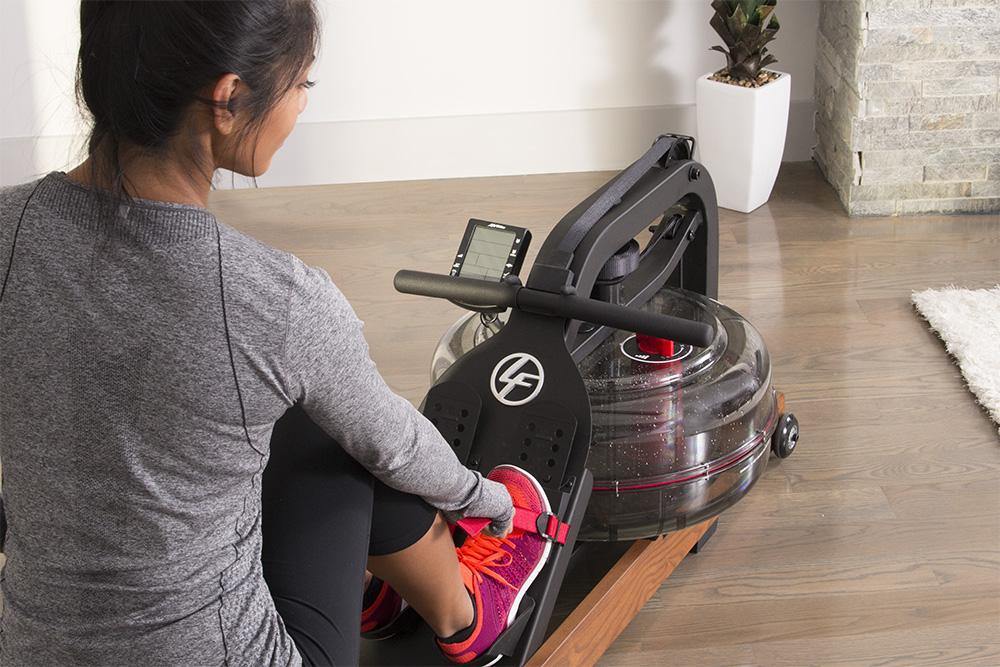
  • Adjust the footrests and straps for security; maintain a straight back and a relaxed grip on the handle.
  • Start with a gentle warm-up, focusing on posture, then drive powerfully with your legs, hinge backward at the hips, and finish with a pull from the arms.
  • Sequence each stroke smoothly: initiate with the legs, then open the hips, and finally pull with the arms—reverse the order on the return.
  • Set a consistent pace, aim for proper stroke technique over speed, and cool down at the end of each session.
  • Cleanliness is maintained by adding purification tablets to the water tank and draining the tank with a siphon pump as needed.

Water resistance rowers are a solid investment for both home and commercial gyms, providing an effective, enjoyable, and aesthetically pleasing cardiovascular and strength workout.

 Frequently asked questions about water rowing machines

Covering resistance, maintenance, noise, and usage:

How Is Resistance Controlled on with a Rowing Machine with water?

Resistance on a water rowing machine  is based on stroke intensity: the harder and faster the pull, the greater the resistance, similar to rowing on water.

The amount of water in the tank can adjust the feel (heavier or lighter "boat"), but not the fundamental resistance—speed and power of the stroke are what matter most.

What Maintenance Do Water Rowers Require?

  • Water quality must be maintained by adding a purification tablet every 3-6 months, depending on sunlight exposure.
  • Occasionally, the water tank may need to be emptied and refilled if discoloration persists.
  • Clean the rails, seat, handle, and frame after use to ensure smooth operation and longevity.
  • Tighten bolts and check moving parts periodically, especially in the first month and after heavy use.

Are Water Rowers Noisy?

They produce a moderate "whooshing" sound from the water, which many find soothing; they are generally quieter than air rowers but not as silent as magnetic rowers.

Can Multiple People Use the Same Water Level?

Yes; the resistance automatically adapts to each user’s pulling power, so there is no need for each person to change the water level between workouts.

What About Common Problems with a  Water Rower Machine?

  • Cloudy water: Add a purification tablet; if the water does not clear, drain and clean the tank.
  • Loss of smoothness or strange noises: Clean and lubricate moving parts, and check for debris or loose bolts.
Any Beginner Tips for Using Water Rowing Machine

  • Dont worry about speed, learn your stroke for correct form and row efficiency.
  • Maintain correct posture with a straight spine and engaged core.
  • Use legs for most of the drive, hinge at the hips, then finish with arms, reversing this on the recovery.
  • Start slow, focus on form, and gradually increase intensity.

Water resistance rowers are intuitive to use, require minimal maintenance beyond water care and cleaning, and provide a realistic, joint-friendly workout for a wide range of users.