Nationwide Sales & Service - 01536 802333
Heat & cold therapy
Create a place to pause, reset the pace of the day and make room for a personal ritual. Thoughtful heat and cold spaces bring considered design and everyday use together at home.
A sauna can be a room within a room: warm timber, soft light and a simple place to sit. From a compact indoor cabin to a more architectural garden setting, the right choice begins with the atmosphere you want to create.
Add a serene sauna interior image
Cold immersion brings a distinct sensory experience to a home wellness space. Consider how it will sit alongside the rest of the room, how it will be accessed, and the practical requirements for water, drainage and ongoing care.
Add a considered cold immersion setting
Start with the available footprint, ventilation, power, access and the way the space connects to your home. Materials, lighting and storage help make the room feel intentional, while careful planning supports a smoother installation.
A considered approach
Whole-body thermal therapy works on a simple principle: heat warms, relaxes, and opens up the body; cold cools, stimulates, and sharpens recovery. Choosing between them comes down to what you are trying to achieve.
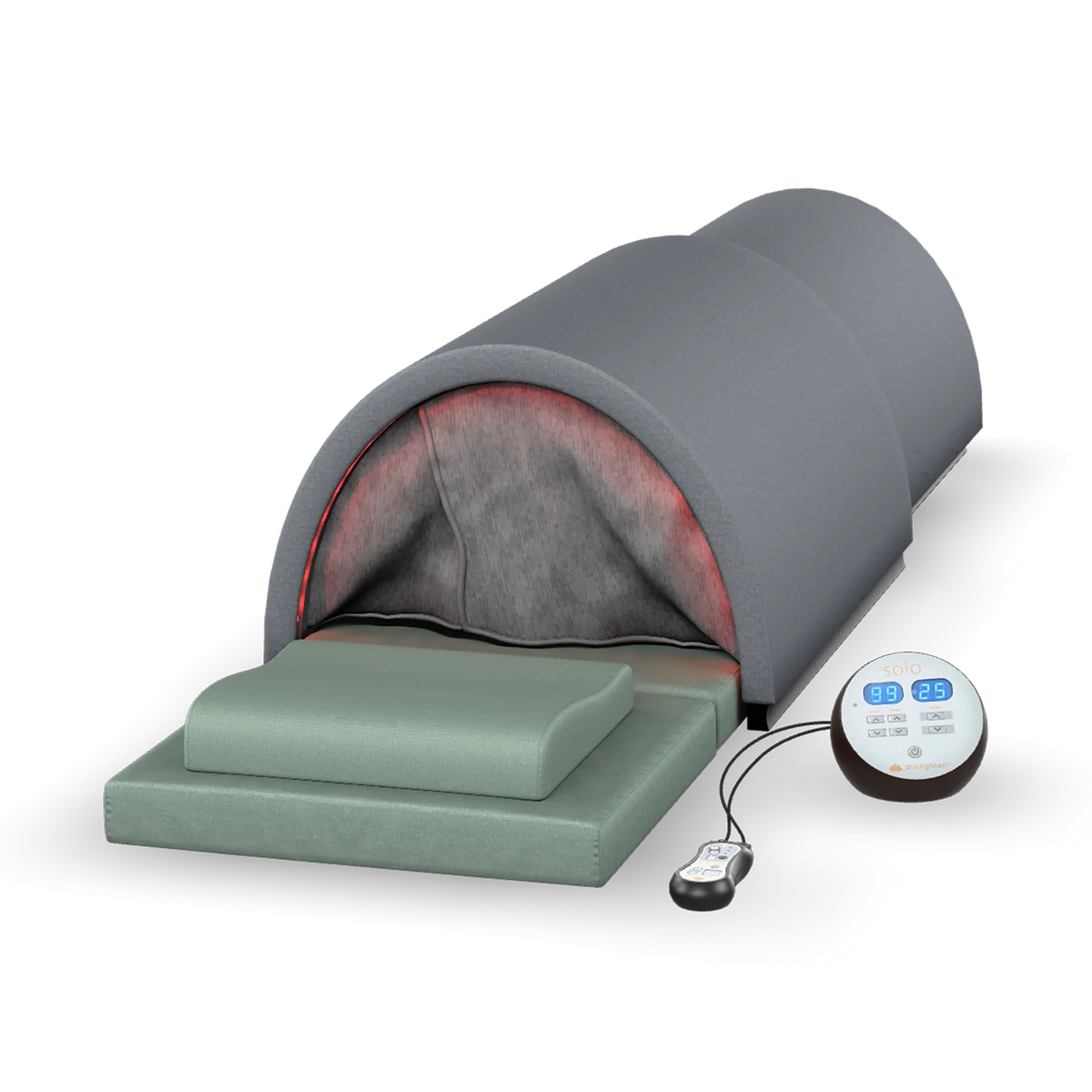
Heat is the natural choice for relaxation, chronic stiffness, and unwinding. Saunas and hot tubs both deliver systemic warmth, with hot tubs adding the comfort of buoyancy and water pressure.
Cold immersion is popular with athletes and anyone seeking a bracing, invigorating reset. It is not a substitute for first aid on a significant acute injury, but it can support recovery and wellbeing as part of a balanced routine.
Many people enjoy alternating heat and cold — a warm sauna or hot tub followed by a short cold plunge, repeated several times. This contrast approach is a long-standing recovery tradition and may support circulation and a sense of vitality. There is no single correct protocol; the key is to listen to your body, start gently, and build up gradually.
The right setting
Consider the available footprint, ceiling height, access and the existing character of the room. A thoughtful layout helps equipment feel at home rather than simply fitted in.
Practical details
Ventilation, power, water access and drainage can all inform what is possible. Confirming these details early makes it easier to choose equipment and plan installation with confidence.
A natural routine
Think about when and how the space will be used, and what would make it inviting in the everyday. A clear route, considered storage and a place to pause can all shape the experience.
Heat and cold
Some homes call for a dedicated sauna, others for a cold immersion option, and some have room to consider both. Let your space, preferences and practical requirements shape the combination.
A considered finish
Natural finishes, soft lighting and considered placement can help a wellness area sit comfortably alongside the rest of the home, creating a space that feels personal and complete.
Make room for a ritual that feels entirely your own.
Start with the equipment dimensions, then allow comfortable access around it. Consider the route into the room and practical installation requirements.
They can be planned as part of one wellness space, provided the layout accounts for access, services, ventilation and the way you intend to use each area.
Let your available space, preferred routine and installation requirements lead the decision. A considered consultation can help bring those details together.