Nationwide Sales & Service - 01536 802333

Planning a garden gym building is one of the most effective ways to create a dedicated workout space without sacrificing a room inside your home. A well‑designed garden gym can boost motivation, increase property appeal and give you a private training zone just a few steps from your back door. When planned correctly, it also delivers excellent value compared with a long‑term commercial gym membership.
Most garden gyms in the UK count as outbuildings and can be built under Permitted Development, so you often don’t need full planning permission if you stay within key rules. Always confirm with your local planning authority before you start work.
Your garden gym is normally covered by Permitted Development if:
You will probably need to apply for planning permission if:
Confirm planning status: Check local planning portal for PD rules, conservation status and any Article 4 directions; decide whether to design strictly within PD or pursue a taller, bespoke gym with an application.
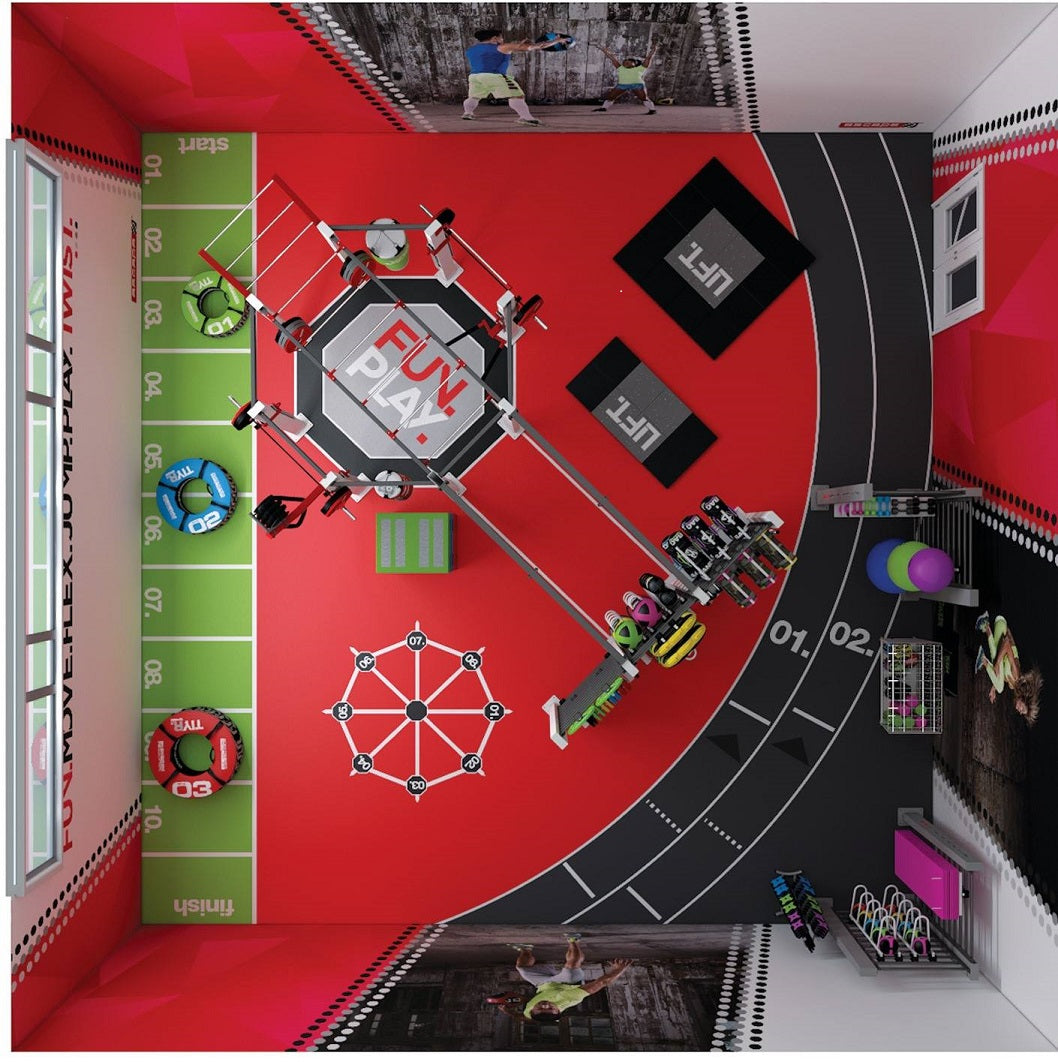
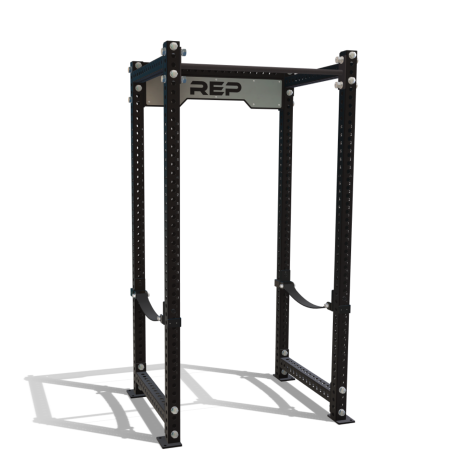
Fix size and position: Layout your intended gym equipment (we can help with a gym plan) , circulation and door swing, then choose a footprint and roof form that meets both training needs and height/boundary limits.
Specify structure and base: Choose foundation type (often reinforced slab), structural system (timber frame or SIPs) and roof form that provide the headroom you require.
Design internals and services: Finalise insulation build‑ups, glazing, ventilation, heating/cooling and electrical layout with load for gym kit and AV in mind.
Detail interior and acoustics: Plan flooring, wall linings, storage and acoustic treatments to protect the structure, manage noise and keep the gym comfortable and safe.

Garden gym building construction demands precision in sizing and height specifications. Unlike general garden buildings where dimensions offer flexibility, training facilities require exact measurements to accommodate equipment clearances, movement patterns, and safety zones. A miscalculation of just 200-300mm can render certain equipment choices or exercises impossible or create hazardous training conditions.
Every piece of garden room gym equipment demands specific clearance zones for safe, effective operation. These aren't suggestions—they're essential safety and functionality requirements that cannot be compromised.
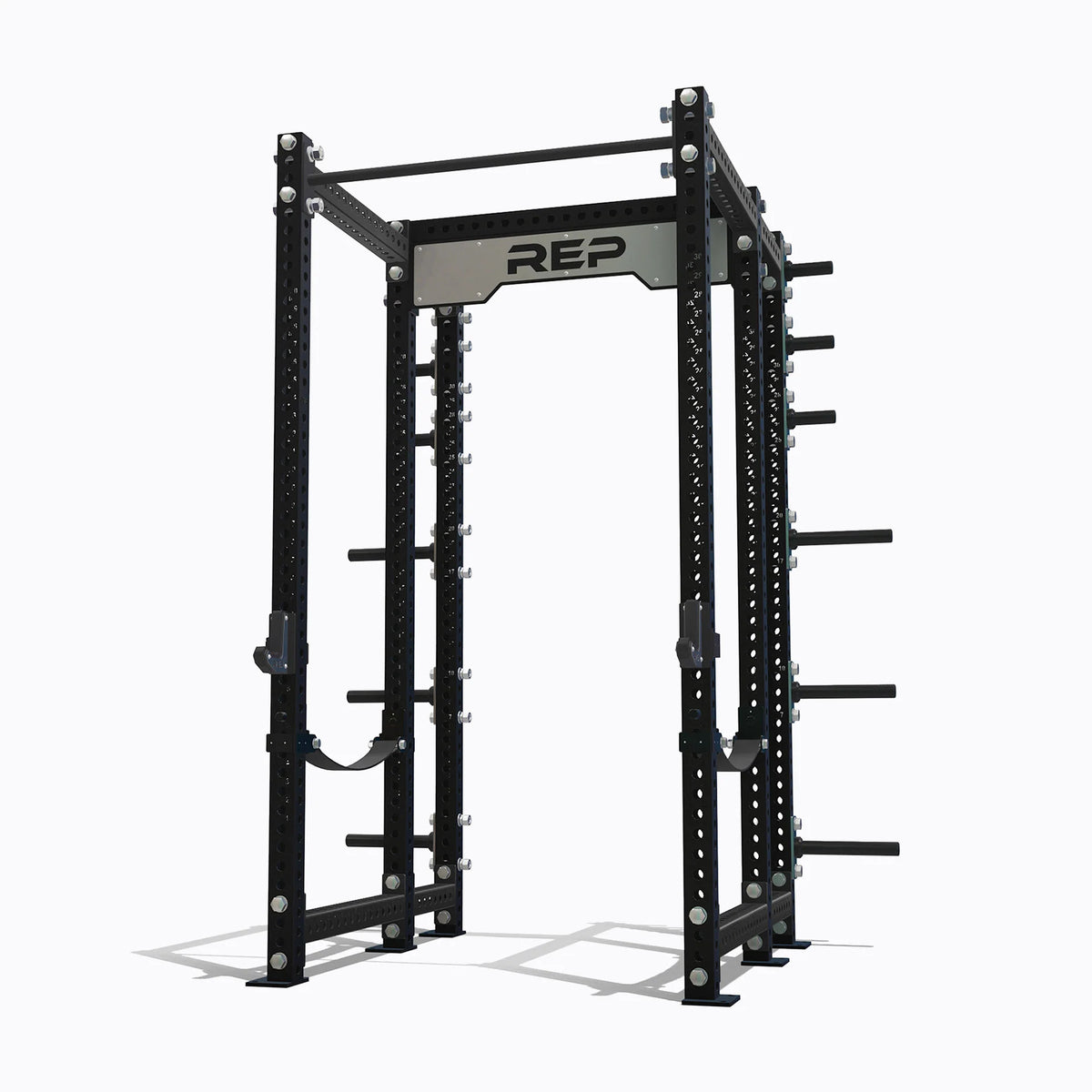
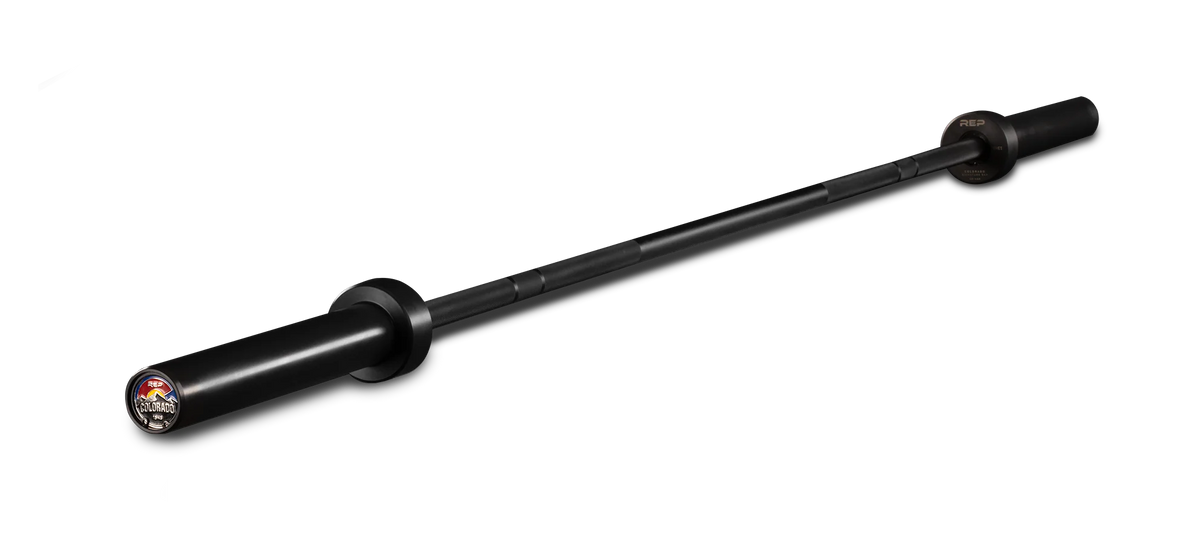
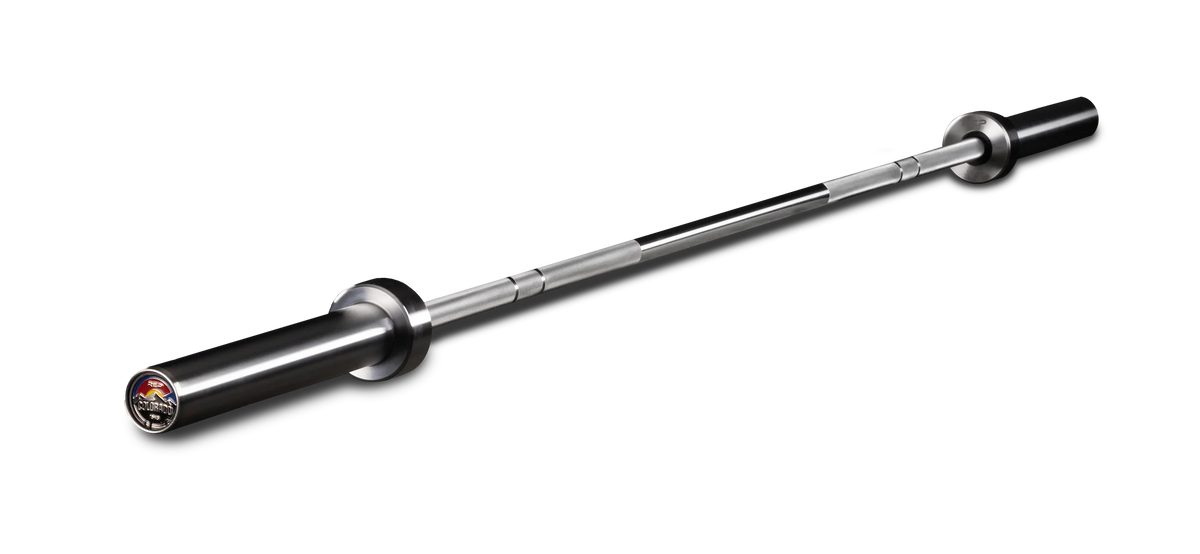
20kg Olympic barbells measure 2.2m in length. During exercises like squats, deadlifts, and overhead presses, the bar travels through arcs extending beyond this linear measurement. A power rack positioned against a wall requires minimum 2m clearance behind for safe bar path during back squats. Front clearance demands another 2m for walking out loaded bars and safe re-racking.
This creates a 4m depth requirement before accounting for the rack's own footprint (typically 1.2m). Total depth requirement: 5.2m minimum for comfortable barbell training. Width requirements depend on exercise selection—Olympic lifts where bars may be dropped require 2.4m minimum width to accommodate standard platform dimensions plus safety margins.
Ceiling height becomes critical for overhead movements. A 20kg Olympic barbell with 450mm diameter plates loaded requires approximately 2.3m vertical clearance when pressed overhead by an average-height lifter (1.75m tall with 2.2m reach). Add 200mm safety margin and you need 2.5m minimum ceiling height. Taller lifters or those performing Olympic snatches and jerks require 2.7-3m clearances.
Real-World Example: A 4m x 4m garden gym with 2.4m ceiling height can accommodate a power rack and barbell training, but a 6'3" (1.9m) lifter with 2.4m overhead reach cannot safely perform standing overhead presses. The same space with 2.7m ceiling height enables full training capability for users up to 6'6" (1.98m).
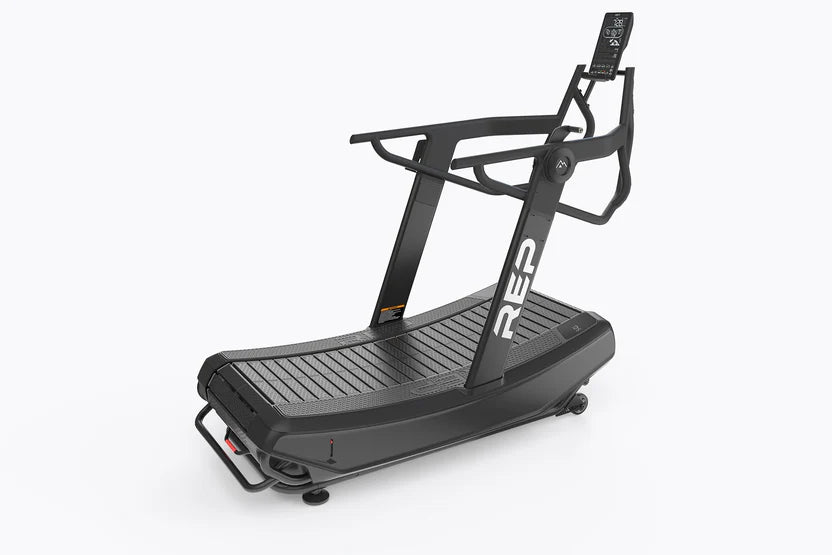
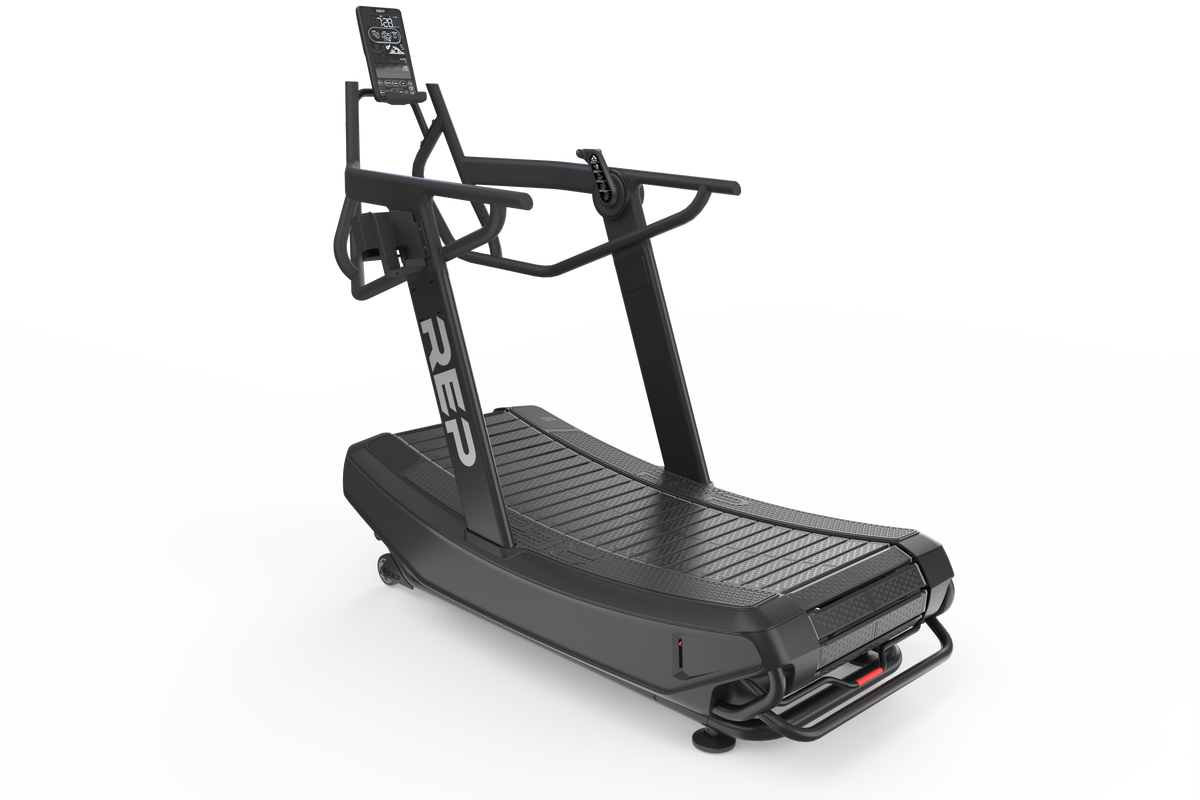
Treadmills present significant spatial demands often underestimated during planning. The machine footprint represents only part of the requirement. Safety standards mandate 2m clearance behind treadmills for emergency dismounting. Runners moving at 15-20 km/h who lose footing need space to safely exit the belt without impacting walls or equipment.
A typical home treadmill measures 1.8m length x 0.8m width. Add mandatory 2m rear clearance and you've consumed 3.8m of linear space. Side clearances of 0.5m each (for safe mounting and maintenance access) increase width requirement to 1.8m. Total footprint: 3.8m x 1.8m—nearly 7m² for a single treadmill.
Rowing machines demand 2.5m linear space when fully extended—the rail length plus user's extended leg and arm reach. Compact storage models that stand vertically solve this when not in use, but during operation require full extension space. Ceiling height matters less (2.2m sufficient) but width needs 1.5m minimum for comfortable stroke and safe dismounting.
Exercise bikes occupy smaller footprints—typically 1.2m x 0.6m—but require 1m clearance on mounting side and 0.5m on opposite side. Spin bikes used for standing climbs benefit from 1.5m width allowance for lateral stability during intensive efforts.
Calculation Example: A garden gym accommodating one treadmill, one rower, and one bike requires:- Treadmill zone: 3.8m x 1.8m = 6.84m²- Rowing zone: 2.5m x 1.5m = 3.75m²- Bike zone: 1.2m x 1.1m = 1.32m²- Circulation space: 20% additional = 2.38m²- Total cardio area: 14.29m² minimum
Bodyweight exercises, kettlebell work, and dynamic movements require open floor space free from obstacles. Burpees demand 2m x 1m per person. Kettlebell swings require 2.5m x 1.5m—the kettlebell travels in arcs extending 1m+ from the body during heavy swings. Box jumps need 3m x 2m including approach, landing, and step-down space.
Suspension trainer exercises require 2.5m x 2m floor space plus 2.5m ceiling height minimum. Exercises like suspended pike push-ups or inverted rows demand full body extension in multiple planes.
Medicine ball slams—popular in functional training—require 2.5m ceiling height minimum. Heavy balls rebounding from floors can reach 2m+ height. Inadequate ceiling height limits exercise intensity or eliminates movements entirely.
Minimum Functional Training Zone: 3m x 3m with 2.5m ceiling height supports most bodyweight and kettlebell training for solo users. Multi-user or intensive functional training benefits from 4m x 4m or larger.
Useful Height Calculations:-
Step 1:Identify Tallest User - Measure standing reach of tallest household member who'll use the gym. Standing reach typically equals height plus 250-300mm. A 1.85m person has approximately 2.1-2.15m reach.
Step 2: Add Equipment Dimensions - Olympic barbell with plates adds 450mm to reach height during overhead press. Our 1.85m user needs 2.1m + 0.45m = 2.55m clearance.
Step 3: Add Safety Margin - Include 150-200mm safety margin preventing contact with ceilings during dynamic movements. Total requirement: 2.55m + 0.2m = 2.75m minimum ceiling height.
Step 4: Consider Your Exercises & Training - If Olympic lifting (snatches, jerks) is planned, add another 200-300mm. Medicine ball slams require 2.5m minimum. Rope climbs demand 3.5m+. Select ceiling height accommodating your complete exercise repertoire.
Recommendation: For general strength and functional training, specify 2.7m minimum. For Olympic lifting or tall users (1.9m+), specify 3m. For rope climbs or advanced gymnastics, specify 3.5m+.
Standard UK ceiling heights of 2.4m suit residential living but create significant limitations in training facilities. This height accommodates basic exercises for average-height individuals but restricts or eliminates numerous movements.
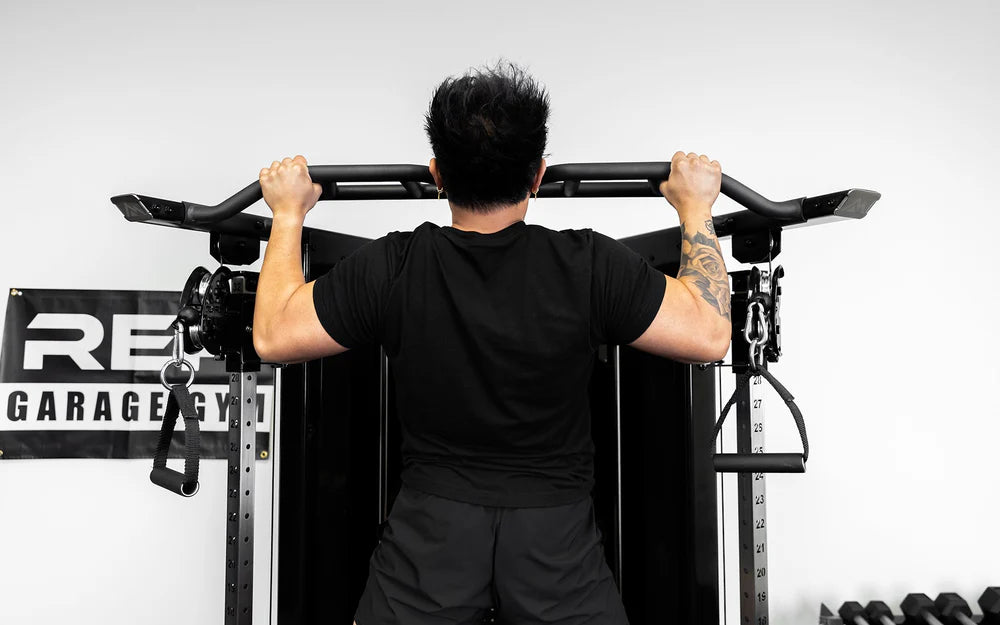
Exercises Compromised at 2.4m Height:- Standing overhead press (restricted for users over 1.8m)- Olympic lifts (snatches and jerks impossible for most users)- Medicine ball slams (limited intensity)- Jump training (box jumps limited to 400-500mm heights)- Pull-ups (limited to users under 1.85m with bent-knee execution)- Suspension trainer exercises (inverted movements restricted)
The psychological impact of restricted ceiling height affects training quality. Lifters instinctively limit range of motion when pressing near ceilings, compromising exercise effectiveness and creating poor movement patterns.
Increasing ceiling height to 2.7m transforms training capability. This additional 300mm accommodates:- Full overhead pressing for users up to 2m tall- Olympic lifting for most recreational athletes- Unrestricted pull-ups for users up to 1.95m- Medicine ball slams with full intensity- Box jumps to 600mm heights- Complete suspension trainer exercise libraries
The construction cost difference between 2.4m and 2.7m ceiling height is minimal. This 3-5% cost increase delivers 30-40% more exercise capability.
Ceiling heights of 3m or greater enable unrestricted training for all users and exercises. Olympic weightlifters, tall athletes, and those performing advanced gymnastics movements benefit significantly. Plyometric training, rope climbs, and overhead throwing exercises become possible.
The visual and psychological benefits are substantial. High ceilings create spacious, professional atmospheres that enhance training motivation. Natural light from high-level windows or rooflights improves ambience without compromising wall space for mirrors or storage.
Construction costs increase moderately—additional 300mm height adds to typical builds through increased wall materials and potentially larger foundations to support taller structures.

The absolute minimum functional garden gym measures 3m x 3m (9m²). This accommodates:- Wall-mounted folding rack or squat stands- Barbell and weight storage- Adjustable dumbbells and bench- 2m x 2m functional training zone- Single-user operation only
This size demands careful equipment selection and accepts significant compromises. No cardio equipment fits comfortably. Multiple users cannot train simultaneously. Storage is minimal. However, for focused strength training on tight budgets or in small gardens, 3m x 3m delivers surprising capability.
Expanding to 4m x 4m (16m²) represents the sweet spot for most home gyms. This size accommodates:- Full power rack with 2m front and rear clearances- Separate cardio zone with compact treadmill or rower- Functional training area (2.5m x 2m)- Comprehensive storage- Comfortable single-user training, possible dual-user with coordination
The additional 7m² over 3m x 3m costs more in construction but delivers dramatically improved functionality and future-proofing.
Layout Example for 4m x 4m:- North wall: Power rack (1.2m depth) with 2m clearance = 3.2m- South wall: Cardio equipment (treadmill 1.8m or rower stored vertically)- East wall: Storage racks and mirrors- West wall: Entry door and windows- Centre: 2m x 2m functional training zone
At 5m x 5m (25m²), garden gyms approach boutique commercial facility capability:- Full strength zone with rack, platform, and extensive free weights- Dedicated cardio area with 2-3 machines- 3m x 3m functional training zone- Separate storage/changing area- Comfortable multi-user training
This size eliminates most compromises. Multiple training modalities operate simultaneously without interference. The additional 9m² over 4m x 4m creates genuinely comprehensive facilities.
Structures exceeding 6m x 6m (36m²+) suit specific scenarios:- Multi-user family households with various training needs or Serious competitive athletes requiring extensive equipment
Costs increase proportionally—6m x 6m structures - planning permission becomes more likely as structures approach or exceed 30m². However, for dedicated training enthusiasts, these investments create uncompromising facilities.
Can I build smaller and add an extension later?
Technically yes, but extensions typically cost 30-50% more per square metre than initial construction due to matching existing structures, temporary works, and disruption. Build correctly sized initially whenever possible.
What if my garden can't accommodate optimal dimensions?
Prioritise ceiling height and one optimal dimension. A 5m x 3m gym with 3m ceiling height provides better training options than 4m x 4m with 2.4m ceiling height, despite similar floor areas.
Is 2.4m ceiling height ever acceptable?
For dedicated low level cardio (rowers & bikes) , Pilates & yoga studios, or users under 1.75m performing limited overhead work, 2.4m can suffice. However, the minimal cost to increase to 2.7m makes it worthwhile in nearly all scenarios.
Should I prioritise width or depth?
Depth typically matters more for Strength Racks & barbell training (front/rear clearances). Width matters more for multiple simultaneous users or side-by-side cardio equipment. For solo training with mixed training, prioritise depth. For multi-user or cardio-focused gyms, prioritise width.
Discuss your garden gym dimensions with our experienced team over the phone or at our UK Garden Gym Building showrooms. We'll help you calculate optimal sizing based on your equipment requirements, training style, and available space. Our expertise prevents costly sizing mistakes and ensures your garden gym delivers decades of training success.