20 Best Core Exercises

November 01, 2025 7 min read

20 Best Core Exercises

Understanding your Core to Exercise

The core can be divided into primary sections based on anatomy and function: anterior abs, obliques/lateral core, lower abs/hip flexors, deep stabilisers, and posterior core. We have broken it down a bit further to help you utilise the exercises below as you need.

Anterior Abs

  • Rectus abdominis: The "six-pack" muscles located at the front, responsible for trunk flexion (bending forward).
  • Lower part of the rectus abdominis and segments related to the lower abs.

Obliques / Lateral Core

  • External obliques: Located on the sides and front of the abdomen, help with trunk rotation and lateral flexion.
  • Internal obliques: Beneath the external obliques, assist in trunk rotation and stability.

Lower Abs / Hip Flexors

  • Lower part of the rectus abdominis contributes here.
  • Hip flexors like psoas major and iliacus, sometimes considered part of the functional core, contribute to hip flexion and stabilize the pelvis.

Deep Stabilisers

  • Transverse abdominis: The deepest core muscle layer wrapping around the lumbar spine, acting like a corset for spinal stability.
  • Multifidus: Deep spinal muscles running along the vertebrae, stabilizing individual spinal segments.
  • Pelvic floor muscles: Supporting the base of the core and internal organs.
  • Diaphragm: The roof of the core box, involved in breathing and intra-abdominal pressure control.

Posterior Core

  • Erector spinae: Large muscles running parallel to the spine, aiding in extension and rotation of the back.
  • Gluteal muscles (gluteus maximus, medius, minimus): Assist with hip stability and extension, often included in broader core concepts.
  • Thoracolumbar fascia, part of the myofascial girdle contributing to trunk stability.

Together, these muscles form a coordinated system where the deep stabilizers ensure spinal and pelvic stability, while the anterior abs and obliques allow movement, and the posterior core supports extension and posture control.

Anterior Abs (Rectus Abdominis) Exercises


1. Supine Toe Tap - Works rectus abdominis and deep abs, minimal spine pressure.

  • Form Guidance: Lie on your back, knees bent at 90°, arms by sides or overhead. Engage core by pulling belly button toward spine. Slowly lower one foot to tap toes on ground while keeping lower back pressed to floor. Alternate legs.
  • Common Mistakes: Arching lower back off floor, using momentum instead of controlled movement, letting hips tilt or shift laterally.

2. Crunch - Classic movement curling shoulders toward pelvis. Targets superficial abs.

  • Form Guidance: Lie on your back, knees bent, feet flat. Cross arms or place hands behind head lightly. Engage abs, exhale, curl shoulders toward pelvis without pulling on neck.
  • Common Mistakes: Pulling on neck with hands, lifting hips off the floor, using momentum to swing up, holding breath.

3. Dead Bug -  Builds core stability and coordination.

  • Form Guidance : Lie on back, arms extended toward ceiling, hips/knees bent 90°. Engage core, flatten lower back to floor, slowly lower one arm and opposite leg without letting spine arch.
  • Common Mistakes: Losing neutral spine, dropping limbs too fast, overextending legs causing lower back lift.

4. Sit-ups - Full range curling up toward knees. Works rectus abdominis.

  • Form Guidance : Lie on back, knees bent, feet flat. Engage core, use abs (not hip flexors) to lift torso fully up to knees. Keep chin slightly tucked.
  • Common Mistakes: Pulling head/neck, jerking up with momentum, hyperextending lumbar spine at top.

5. Plank -  Works abs, transverse abdominis, and overall stabilisation.

  • Form Guidance : Place forearms on floor, elbows below shoulders, legs extended, feet hip-width. Engage abs, squeeze glutes, keep body in straight line from head to heels, look down.
    • Modified Plank: Same but on knees/forearms, easier on spine.
  • Common Mistakes: Hips sagging or piking upward, shoulders shrugged or collapsing, looking forward or up straining neck.

Obliques and Lateral Core Exercises


6. Russian Twist -  Activates obliques and rotational control.

Form Guidance : Sit with knees bent, feet lifted off floor. Lean back slightly, maintain tall spine. Hold weight or hands together, rotate torso side to side with controlled motion.

Common Mistakes: Rounding back, moving arms instead of twisting torso, feet dropping to ground

7. Side Plank -  Hits obliques and deep stabilisers.

  • Form Guidance: Sit with knees bent, feet lifted off floor. Lean back slightly, maintain tall spine. Hold weight or hands together, rotate torso side to side with controlled motion.

  • Common Mistakes: Rounding back, moving arms instead of twisting torso, feet dropping to ground

8. Standing Woodchop -  Engages obliques, glutes, shoulders.

  • Form Guidance : Hold weight with both hands, feet shoulder-width, knees slightly bent. Rotate and chop weight diagonally across body with controlled motion, engage obliques.
  • Common Mistakes: Using arms only, losing balance, jerking weight too fast.

9. Bicycle Crunch - Works obliques and lower abs.

  • Form Guidance: Lie on back, hands behind head, knees bent lifted. Alternate touching elbow to opposite knee while extending the other leg fully, engage obliques and abs.
  • Common Mistakes: Pulling on neck, fast uncontrolled speed, not fully twisting torso.

10.Knees to Opposite Elbow (Plank) -  Dynamic oblique and lower ab engagement.

  • Form Guidance: Lie on back, hands behind head, knees bent lifted. Alternate touching elbow to opposite knee while extending the other leg fully, engage obliques and abs.
  • Common Mistakes: Pulling on neck, fast uncontrolled speed, not fully twisting torso.

Lower Abs & Hip Flexors Exercises


11. Leg Raise -   Targets lower rectus abdominis, hip flexors.

  • Form Guidance: Lie on back, legs straight, arms at sides. Engage lower abs, lift legs slowly toward ceiling without arching lower back, lower legs slowly keeping core tight.
  • Common Mistakes: Arching lower back, swinging legs, using hip flexors dominantly.

12. Mountain Climber - Works lower abs, hip flexors, shoulders.

  • Form Guidance: Start in plank, engage core, alternate driving knees toward chest quickly but controlled.

  • Common Mistakes: Hips raising or dropping, shoulders collapsing, resting on wrists.

13. Hanging Knee Raise- Strong activation for lower abs and grip.

  • Form Guidance : Hang from bar, keep grip solid. Engage abs to lift knees straight toward chest, control descent.
  • Common Mistakes: Swinging legs, using momentum, not stabilizing shoulders.

14.Reverse Crunch - Works lower abdominals.

  • Form Guidance: Lie on back, knees bent. Engage lower abs to curl pelvis and knees toward chest, lowering back down slowly.
  • Common Mistakes: Using hip flexor momentum, arching back.

Deep Stabilisers Exercises (Transverse Abdominis, Multifidus, Pelvic Floor) 


15. Bird Dog -  Builds deep core and back activation.

  • Form Guidance: On all fours, engage abs. Extend opposite arm and leg parallel to floor, hold briefly, return and switch.
  • Common Mistakes: Dropping hips, arching back, twisting torso.

16. Pallof Press - Stand or kneel, press cable/band out in front keeping torso stable. Challenges anti-rotation, transverse abdominis.

  • Form Guidance: Stand perpendicular to anchor with band at chest height. Hold band close to chest, press straight out keeping torso square and stable, resist rotation.
  • Common Mistakes: Rotating torso, shrugging shoulders, sagging hips.

17. Plank Pull - Trains anti-rotation and full core.

  • Form Guidance: In plank, reach one arm under body to drag weight across, keep hips steady, switch sides.
  • Common Mistakes: Hips rotating or dropping, rushing movement.

18. Farmer’s Walk (single-arm) - Forces oblique and trunk stabilisation.

  • Form Guidance: Hold weight in one hand, stand tall, brace core, walk with short controlled steps, keep torso stable.
  • Common Mistakes: Leaning to one side, shrugging shoulder, over-rotating torso.

Posterior Core Exercises (Erector Spinae, Glutes)

19. Glute Bridge -  Activates glutes and lower back.

  • Form Guidance: Lie on back, knees bent, feet flat hip-width. Engage glutes, lift hips until knees, hips, and shoulders align, squeeze glutes at top, lower slowly.
  • Common Mistakes: Overarching lower back, pushing through toes instead of heels, not engaging core.

20. Superman -   Works lower back and glutes.

  • Form Guidance :  Lie face down, fully extend arms overhead. Engage glutes and lower back, lift arms and legs off floor simultaneously, hold briefly, lower with control.
  • Common Mistakes: Lifting too high causing neck strain, jerky movement.

21.Renegade Row -  Engages back, abs, obliques, shoulders.

Form Guidance: In plank with dumbbells, row one weight toward hip keeping hips steady, lower down slowly, alternate.

Common Mistakes: Twisting hips excessively, using momentum.

22. Copenhagen Plank -  Specifically targets adductors, obliques, and inner hips.

Form Guidance: Side plank with top leg supported on bench, lift hips high, engage inner thigh and obliques.

Common Mistakes: Hips sagging, not stabilising core, shrugging shoulder.


Useful Gym Equipment for these Best 20 Core Exercises

Equipment Exercises Supported Benefits
Gym Mat Supine Toe Tap, Crunch, Dead Bug, Leg Raise, Bird Dog, Reverse Crunch Provides comfort and cushioning for floor exercises
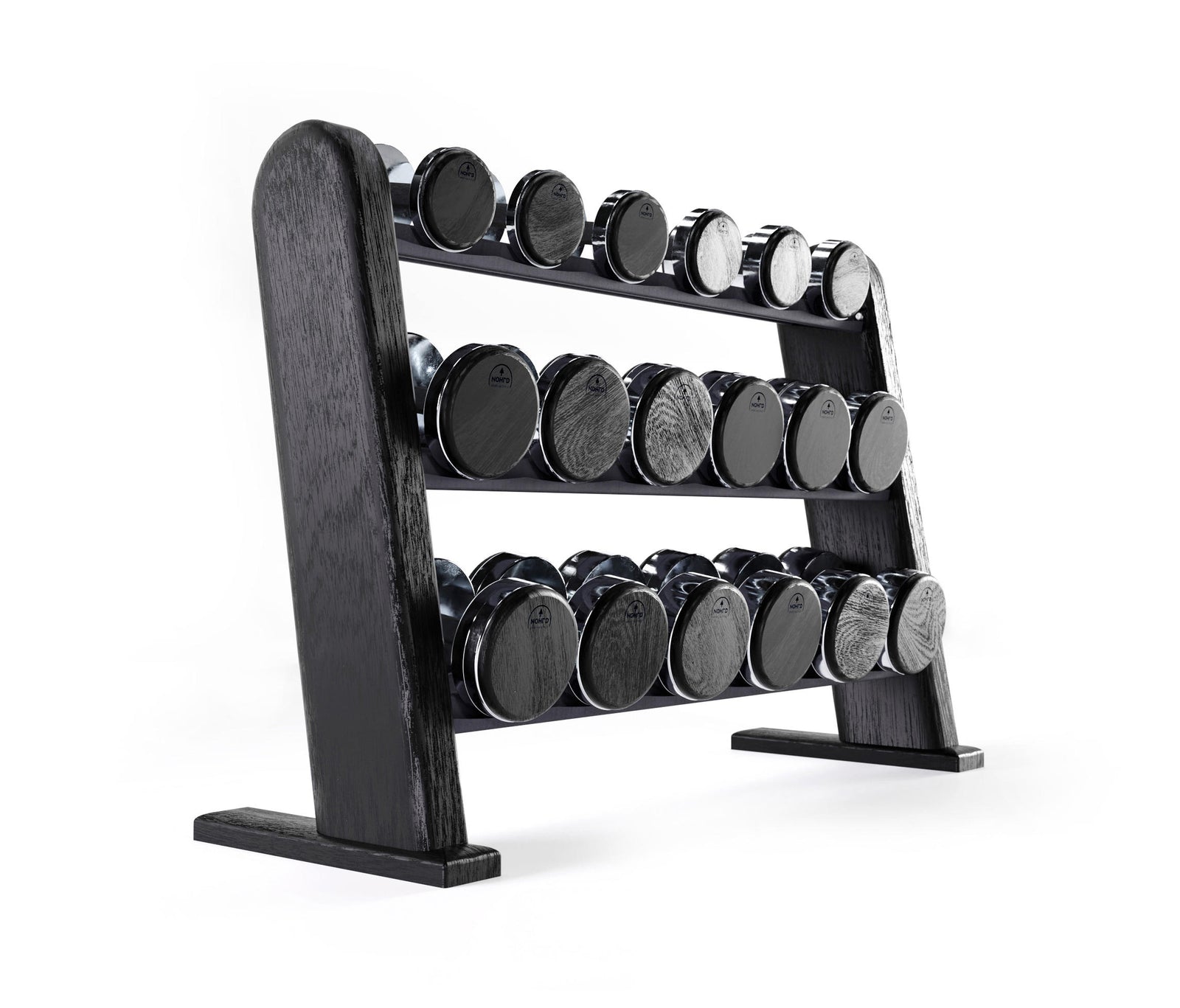
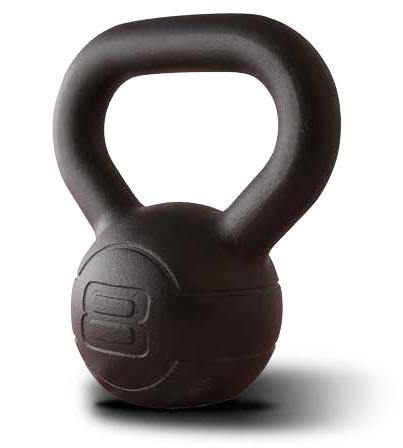
Dumbbells/Kettlebells Russian Twist, Standing Woodchop, Renegade Row, Farmer’s Walk Adds resistance for increased strength and intensity
Resistance Bands Pallof Press, Side Plank with Band, Leg Raises, Woodchop Offers variable resistance, easy transport, assists stability
Pull-up Bar / Hanging Station Hanging Knee Raise Allows hanging leg/knee raises, improves grip and core strength
Stability Ball Crunch Variations, Reverse Crunch, Russian Twist Increases core activation through instability
Adjustable Bench Decline Sit-ups, Copenhagen Plank Provides elevation and different angle for progression
Cable Machine Pallof Press, Woodchop Provides adjustable resistance and smoother motion
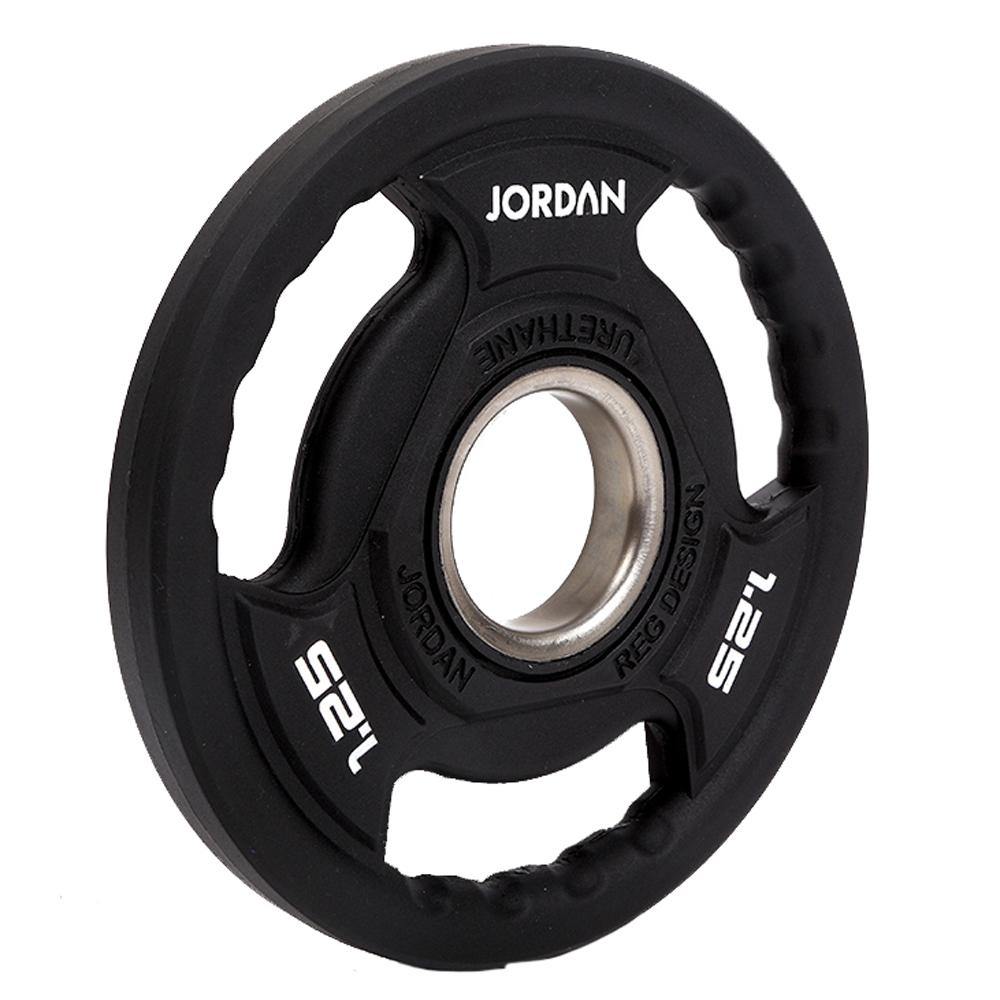
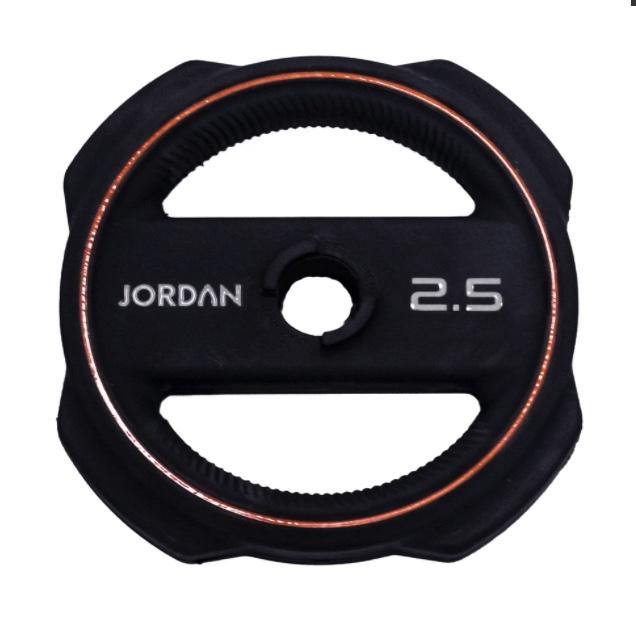
Weight Plates Russian Twist, Woodchop Adds weighted challenge to rotational moves
Foam Roller or Block Bird Dog (core feedback), Pallof Press (neck support) Core feedback and support to maintain form
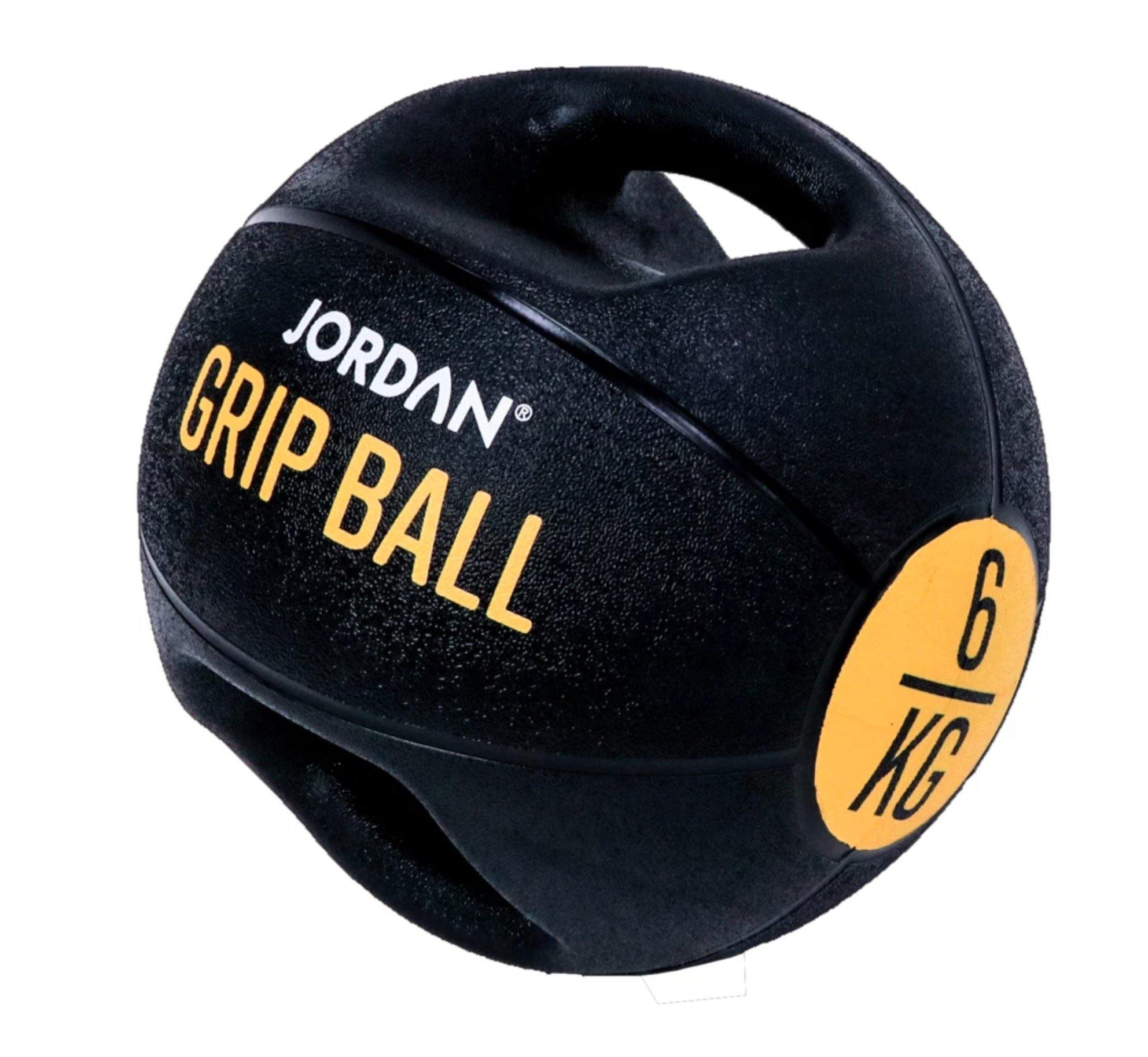
Medicine Ball / Slam Ball Russian Twist, Woodchop Adds explosive power and weight for dynamic core exercises
Hex Trap / Trap Bar Farmer’s Walk Provides ergonomic grip for loaded carries improving core load


Equipment Usage 

  1. Minimal Equipment Needs: Many foundational core exercises such as planks, bird dog, and bodyweight crunches require no equipment and can be done anywhere.
  2. Resistance Addition: Dumbbells, kettlebells, and resistance bands allow progression by increasing load or creating instability.
  3. Grip & Hanging Strength: Pull-up bars enable hanging knee raises, targeting lower abs and grip simultaneously.
  4. Balance and Instability: Stability balls and foam rollers increase proprioceptive challenge, engaging deeper core stabilizers.
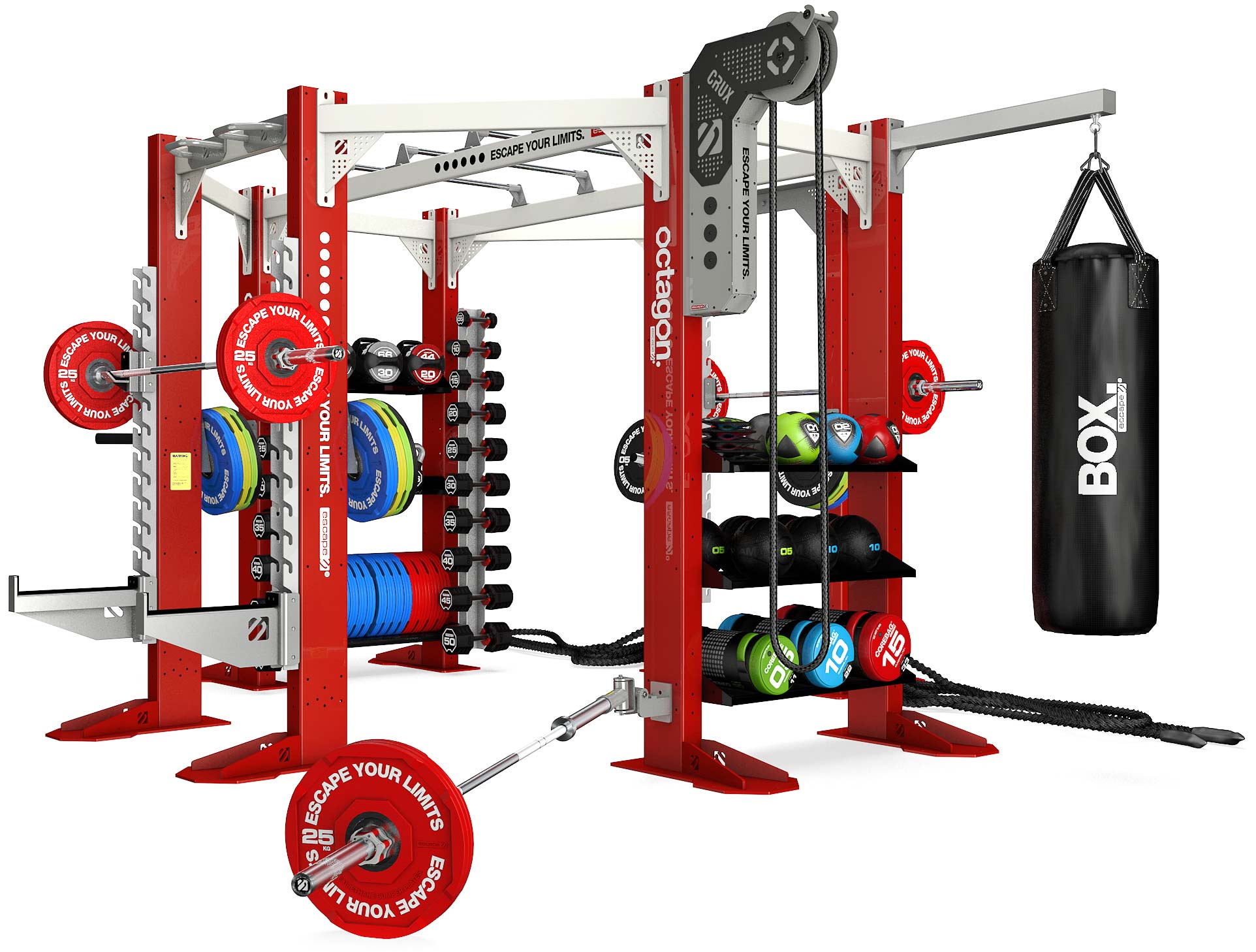
  5. Versatility: Cable machines and adjustable benches support multiple functional and isolation core movements with controlled resistance.
  6. Using this equipment strategically can help tailor the difficulty and variety of core workouts, improving muscle engagement, endurance, and strength in all core regions.