Goblet Squats | Guide to Form, Benefits & Variations

November 08, 2025 5 min read

Goblet Squats | Guide to Form, Benefits & Variations

Goblet squats are a popular and effective lower-body exercise notable for their accessibility, versatility, and numerous benefits for strength, mobility, and overall physical fitness. We have endeavoured to create an in-depth understanding of goblet squats, covering their benefits, proper form and technique, common mistakes to avoid, variations, and how to incorporate them into your training routine, to allow you to maximise the advantages of goblet squats safely and effectively.

What is a Goblet Squat?

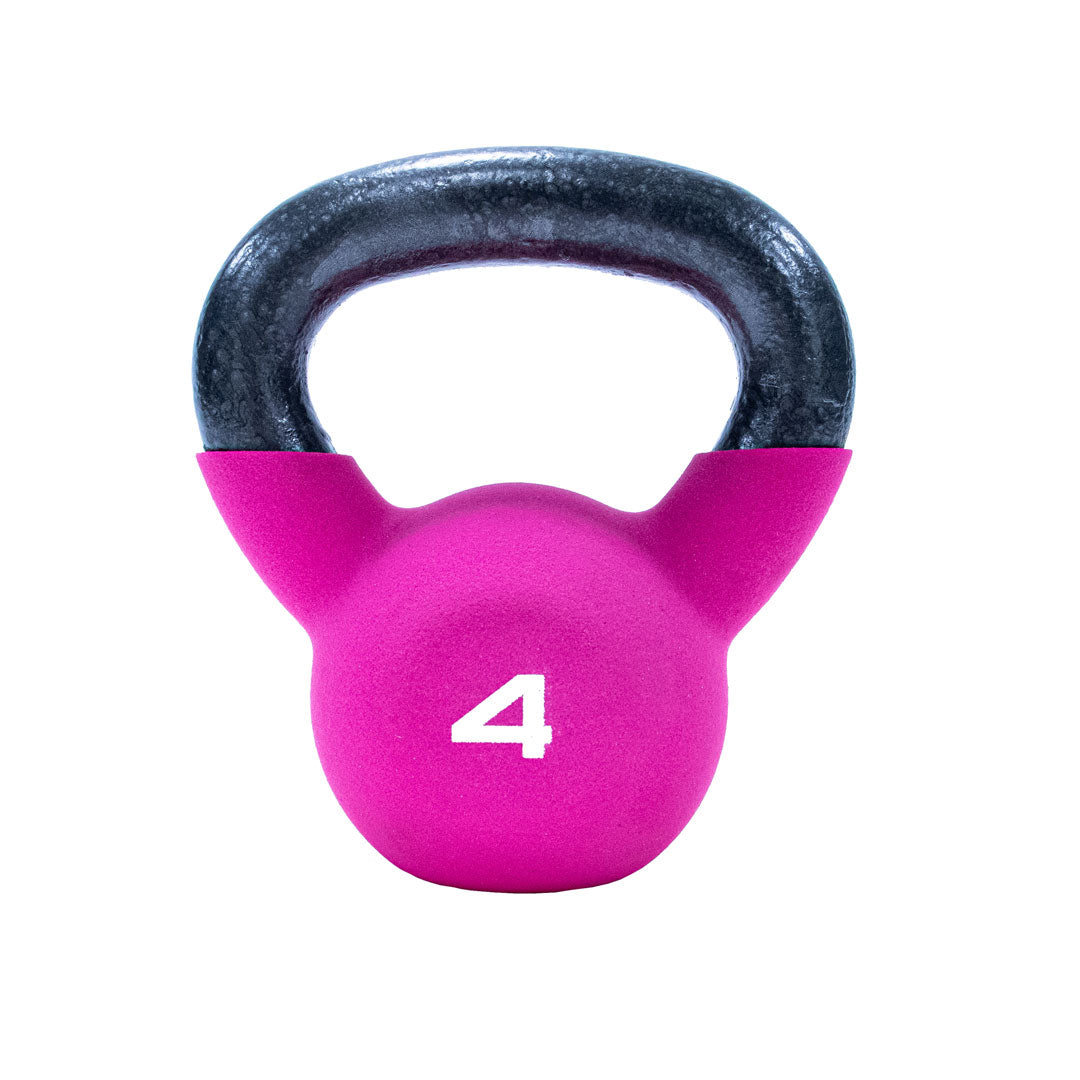
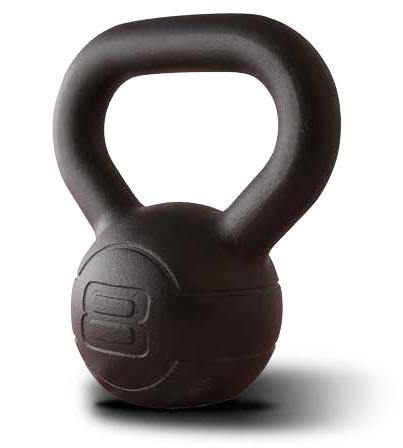
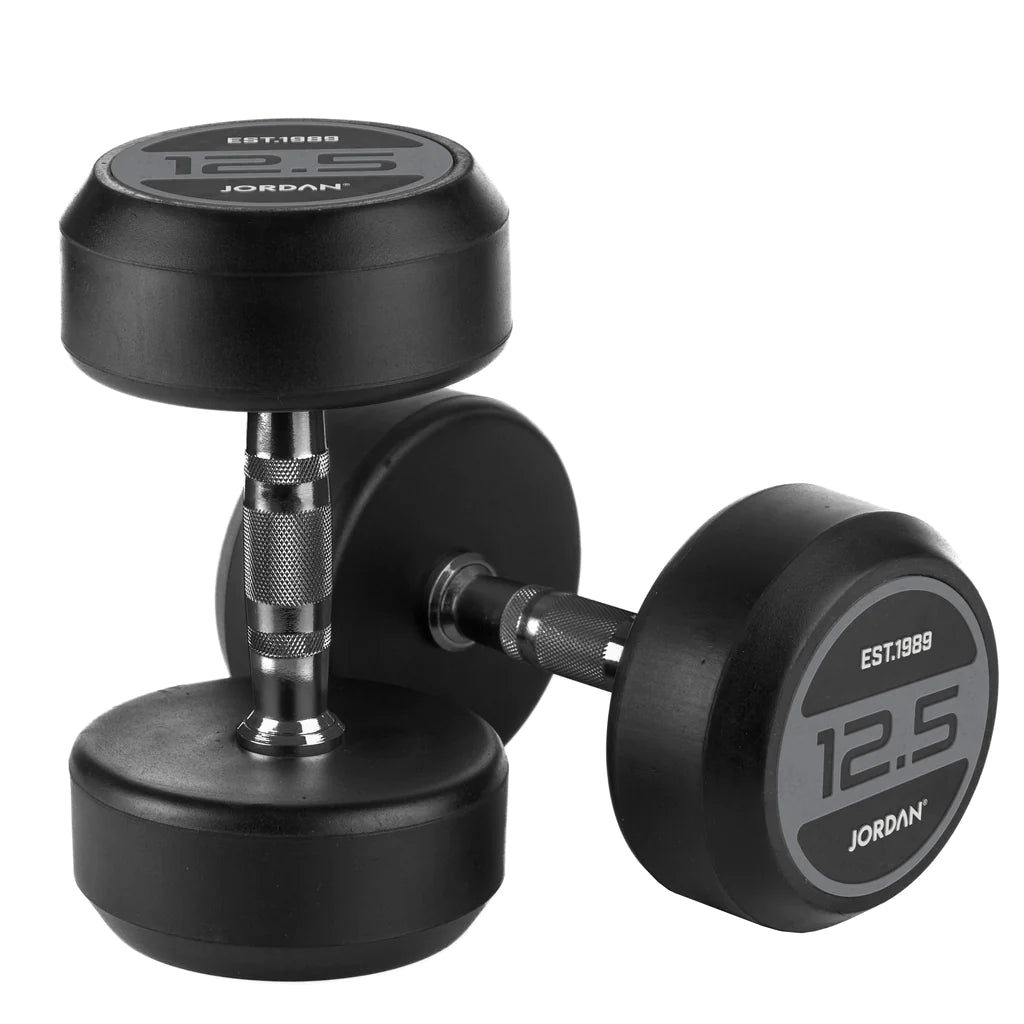
The goblet squat is a front-loaded squat variation in which a weight, typically a dumbbell or kettlebell, is held close to the chest with both hands. The name "goblet" comes from the way the weight is held—like holding a goblet or a cup. The positioning of the load at the front helps promote an upright torso and a more natural squat pattern for many individuals, especially beginners.

Unlike traditional barbell back squats, the goblet squat does not place the load on the upper back, reducing stress on the spine and making it safer for people with lower back concerns. It allows for effective activation and strengthening of the quadriceps, glutes, hamstrings, and core muscles as a compound total lower-body movement.

Benefits of Goblet Squats

  1. Beginner-Friendly and Form Improvement - Goblet squats are excellent for beginners progressing from bodyweight squats while learning proper form. Holding the weight in front of the chest encourages an upright posture, core engagement, and spinal neutrality. This helps develop safe squat mechanics that transfer well to more advanced exercises like barbell squats.
  2. Reduced Risk of Injury - The weight placement reduces the risk of poor spinal alignment and lower back strain common in barbell back squats. Additionally, the movement teaches appropriate knee tracking by urging lifters to bring their elbows inside the knees at the bottom of the squat, promoting better knee alignment and reducing injury potential.
  3. Strengthens Multiple Muscle Groups- Goblet squats are a compound exercise that targets key lower-body muscles — particularly the quadriceps and glutes — while also engaging the core and upper back for stabilization. The front-loaded position also helps improve grip strength.
  4. Increased Mobility and Depth - By encouraging an upright torso and requiring hip, ankle, and thoracic mobility, goblet squats can improve squat depth and overall lower-body mobility over time. This makes it a strong therapeutic movement for joint health and rehabilitation.
  5. Versatile and Convenient - Due to minimal equipment needs, goblet squats are ideal for home workouts. Any weighted object like a dumbbell, kettlebell, or household items like a water bottle or backpack can be used. They require little space and are accessible for all fitness levels.
  6. Core Activation and Postural Benefits - Holding the load anteriorly forces the core muscles to work hard to maintain posture and balance throughout the movement. This translates into improved core strength and spinal stability.

How to Perform a Goblet Squat

  • Starting Position: Stand with your feet slightly wider than shoulder-width apart. Your toes should point slightly outward, approximately 5 to 15 degrees.
  • Hold the Weight: Grasp a dumbbell or kettlebell close to your chest with both hands, holding it like a goblet with your elbows pointing downward or tucked within your knees.
  • Engage Your Core: Brace your abdominal muscles to support your spine and maintain an upright torso.
  • Initiate the Squat: Begin the movement by pushing your hips back and bending at the knees simultaneously, as if sitting down into a chair.
  • Lower Down: Keep your weight centered over your heels and mid-foot, lower until your thighs are at least parallel to the floor, or deeper if your mobility allows.
  • Keep the Chest Up: Maintain a tall chest and avoid rounding your back throughout the descent. Your elbows should lightly brush the insides of your knees.
  • Drive Up: Push through your heels to return to standing, maintaining control and posture. Squeeze your glutes at the top without overarching your lower back.
  • Repeat: Perform for the desired number of reps with controlled tempo, with an emphasis on form over speed.

Common  Goblet Squat Form Mistakes and How to Fix Them

  • Rounded Back or Shoulders Rolling Forward - This often happens when the core is disengaged or the weight is held too far away from the chest. To correct, focus on bracing the core, pulling your shoulder blades back and down, and keeping the weight close to your body.
  • Weight on Toes/Lifting Heels - If the weight shifts forward onto the balls of the feet, it stresses the knees and reduces glute activation. Ensure your heels stay grounded and your weight is distributed evenly across your entire foot.
  • Not Squatting Deep Enough - Avoid "air squats" or half reps that fail to engage the full range of muscles effectively. Work on mobility through hip and ankle stretching and only increase depth as your flexibility improves.
  • Knees Caving In - Keep your knees tracking in line with your toes throughout the movement by actively pushing your knees outward as you squat.
  • Holding the Weight Too Far from the Chest - This leads to loss of balance and inefficient movement patterns. Keep the dumbbell or kettlebell close to your chest at all times.
Goblet Squat - Visual Guidance

Goblet Squat Muscle Groups Worked 

  • Quadriceps: The primary movers extending your knees during the upward phase.
  • Gluteus Maximus and Medius: Responsible for hip extension and stabilization.
  • Hamstrings: Assist in hip extension and knee stability.
  • Core Muscles: Including the rectus abdominis, transverse abdominis, and obliques for trunk stabilisation.
  • Upper Back and Shoulders: Stabilise the weight and maintain posture.
  • Calves: Assist in ankle stability throughout the movement.
  • Grip Muscles: Keeping hold of the weight strengthens hand and forearm muscles.

Goblet Squat Variations

  1. Box Goblet Squat: Squatting down to a box or bench to limit depth and focus on form.
  2. Elevated Heel Goblet Squat: Performing squats with heels elevated on plates or wedges to aid ankle mobility and maintain torso uprightness.
  3. Sumo Goblet Squat: Wider stance targeting inner thigh and hip muscles.
  4. Kettlebell Hold Variation: Using a kettlebell instead of a dumbbell; holding it by the bottom can be easier on the wrists.
  5. Tempo Goblet Squats: Slowing down the descent or pause at the bottom to increase time under tension.

Progressing and Programming Goblet Squats Ideas

Goblet squats serve as a foundation to progress to more advanced squat variations such as front squats and back squats. Increasing weight gradually while maintaining flawless form is the safest way to advance. Incorporate goblet squats into full-body workouts, lower-body strength days, or as a warm-up for heavier lifts.

Concluding Thoughts About Goblet Squats


Goblet squats are an invaluable lower-body exercise suitable for all fitness levels due to their simplicity, safety, and effectiveness. By promoting proper squat mechanics and strengthening critical muscle groups—especially the quads, glutes, and core—they lay the groundwork for more complex lifting movements while reducing injury risk. Regular practice of goblet squats improves mobility, balance, and overall functional strength.

Whether training at home or in the gym, grabbing a dumbbell or kettlebell for goblet squats is a smart addition to any fitness routine. Master this exercise to build a strong foundation for improved performance and long-term joint and muscle health.