Pallof Press | Origin, Variations For This Killer Ab Exercise

August 24, 2025 4 min read

Pallof Press | Origin, Variations For This Killer Ab Exercise

Origins of the Pallof Press


The Pallof press is named after physical therapist John Pallof, who developed the exercise to build core stability by training the muscles responsible for controlling and resisting unwanted trunk rotation. Originally designed as a physical therapy/prehab tool, it has gained popularity in fitness, sports training, and rehabilitation , due to its effectiveness in promoting anti-rotational strength and stability. The Pallof press teaches the athlete or client to resist rotational and lateral forces, which is a crucial functional skill for both performance and injury prevention.

How to Do the Pallof Press Properly

Setup

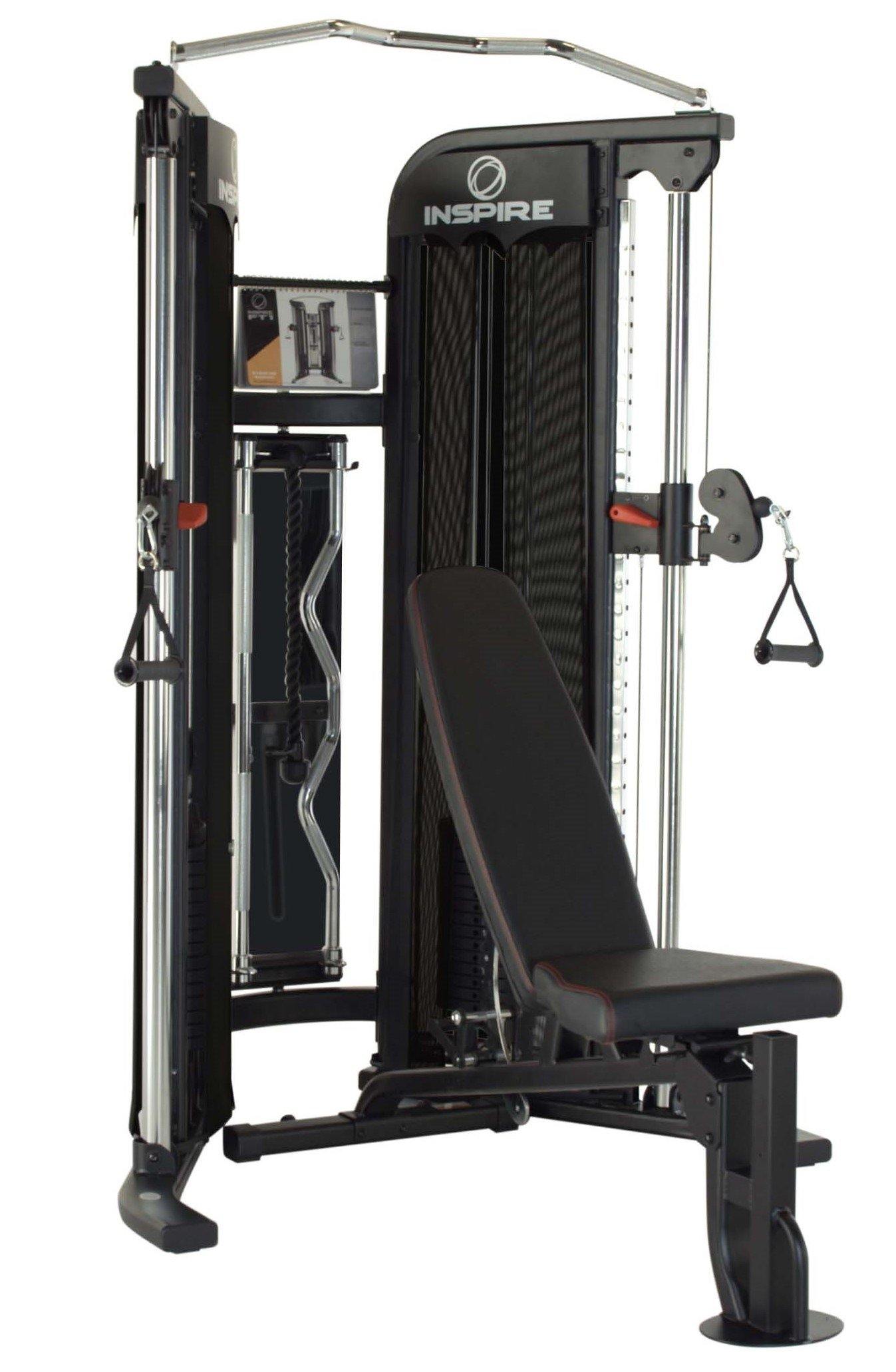
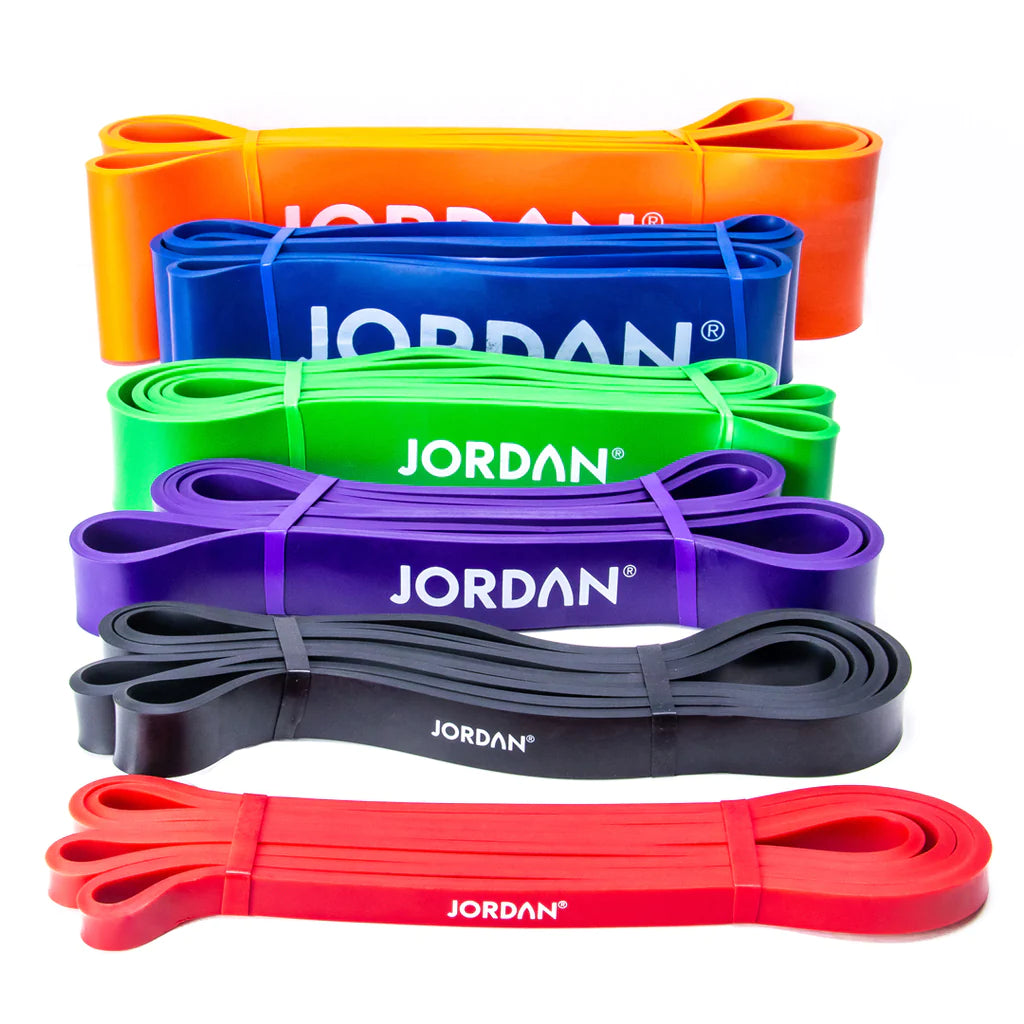
  • Anchor a resistance band or cable from a cable machine at chest height to a sturdy point.
  • Stand perpendicular to the anchor, feet shoulder-width apart, with slight knee bend and chest up (athletic stance).
  • Grab the handle/band with both hands, elbows close to body, and step away until you feel tension.

Execution

  • Hold the band/handle at your chest, engage your core (“brace” as if preparing for impact).
  • Squeeze the shoulder blades together, and squeeze your glutes to lock the pelvis.
  • Without letting your torso rotate or hips sway, extend your arms straight out in front of you; press directly away from your chest.
  • Pause briefly, feeling maximal tension in your core and shoulders.
  • Return your hands to your chest slowly, without losing core tension or control.
  • Repeat for desired reps, then switch to the other side.

Key Technical Tips

  1. Press arms directly out, not drifting towards anchor.
  2. Keep torso and hips perfectly still; resist any urge to rotate.
  3. Start with lighter resistance to master form before progressing.

To modify intensity:

Easier: Reduce how far you press or use less resistance.

Harder: Step farther from anchor or use thicker band.

Avoid common mistakes: torso twisting, pressing at an angle, or hunching shoulders.

Pallof Press Video Explaining the Movement & Benefits


Pallof Press Variations


The basic Pallof press -an excellent cable ab exercise,   involves standing perpendicular to a resistance band or cable and pressing it straight out from your chest while resisting rotation. Here are common and effective variations with their purposes:

Half-Kneeling Pallof Press: Performed with one knee down, this version stabilizes the pelvis, reduces lower limb compensation, and often helps beginners to focus on core activation without distraction from the legs.

Tall Kneeling Pallof Press: Both knees down, increasing demand on the core’s bracing contribution since you remove the base of the feet and legs from the equation, making stabilization harder.

Standing Pallof Press: The classic variation, performed with feet hip-width apart, engages not just the core but also the glutes and muscles for overall anti-rotation and anti-extension work.

Step Out to Pallof Press: Add a coordinated step out away from the anchor prior to pressing. This increases resistance and incorporates hip and thigh musculature as stabilizers.

Lateral Lunge Pallof Press: Press while holding a lateral lunge, coupling anti-rotation with frontal plane lower body challenge for total core and leg synergy.

Partner Pallof Press: One person provides unpredictable forces with the band while the other resists, continuously challenging the core with unexpected movement.

3D Pallof Press (“Pallof Press Alphabet”): Instead of a straight press, the user traces shapes (such as letters/numbers/alphabet) at arms’ length, introducing instability through multiple planes.

Useful Pallof Press Bands Variations Video


What Muscles Does a Pallof Press Work?


The Pallof press is a comprehensive anti-rotation core exercise that primarily trains:

  • Obliques: These muscles resist side-to-side (rotational) forces. The Pallof press isometric challenge strengthens both internal and external obliques, which is essential for controlling unwanted torso rotation.
  • Transverse Abdominis: This deep core muscle acts like a weightlifting belt, bracing the spine and resisting movement. The pressing movement especially engages this muscle for pelvic and lumbar stability.
  • Rectus Abdominis: Although it’s not a crunching movement, the “six-pack” muscle contracts isometrically to stabilize the trunk against rotational forces.
  • Scapular Stabilizers: The muscles around the scapula (mid and lower trapezius, rhomboids, and rotator cuff) work to maintain shoulder and upper back stability as you hold the band/cable and extend your arms.
  • Glutes: Both the gluteus maximus and medius are engaged to anchor the pelvis, stabilize the hips, and help prevent lower-body rotation, giving your stance a firm, “locked” foundation.
  • Lower Back Muscles: The lumbar muscles contract to maintain a neutral spine and resist extension/flexion caused by the tension.

In summary, the Pallof press is a full-body stability movement, recruiting both superficial and deep core, hip, and shoulder stabiliser musculature.

Alternatives to the Pallof Press


These alternatives also develop anti-rotation, core stability, and movement control, often with slightly different emphases:

Exercise Description Key Benefit
Landmine Rotation Using one end of a barbell anchored to the ground, the lifter pivots and arcs the bar in front of them (sometimes called landmine twists). The core must resist excessive rotation and transfer force from lower to upper body. Dynamic anti-rotation, improves hip and core coordination
Front-Loaded Carry Carrying a heavy load (kettlebell, sandbag, etc.) in front rack position requires bracing and upright posture as you walk. Teaches sustained core engagement, postural control
Planks (with Shoulder Taps) Standard plank holds are leveled up by alternately touching shoulders, forcing core and hips to resist sway and rotation. Anti-rotation and anti-extension, shoulder and hip control
Cable/Band Rotations Standing with a cable/band, rotate the torso against resistance through a safe arc, controlling speed and range. Controlled power, improves rotational strength and control
Dead Bug Lying on back, moving opposing arms and legs while maintaining low back contact with the ground. Trains limb movement independence while stabilising core. Emphasizes core bracing, spinal stability, and neural control


Is the Pallof Press Good for Diastasis Recti?


The Pallof press is often recommended for people recovering from diastasis recti (abdominal muscle separation, commonly postpartum):

It works the transverse abdominis, the key muscle in healing and supporting diastasis recti, by demanding strong, controlled bracing during movement.

The exercise strengthens the entire core, including muscles that support the linea alba, without requiring crunching or flexion that might increase intra-abdominal pressure.

It can be done in standing, half-kneeling, or tall-kneeling positions, making it accessible for those who want to avoid floor-based movements and better control core engagement.

As always, form is critical—gentle, deliberate movement and proper breathing help prevent excessive strain.

Note: Individuals with diastasis recti should work with a qualified Physio or PT to make sure the technique fits their recovery needs and to tailor resistance and progression accordingly.