Nationwide Sales & Service - 01536 802333

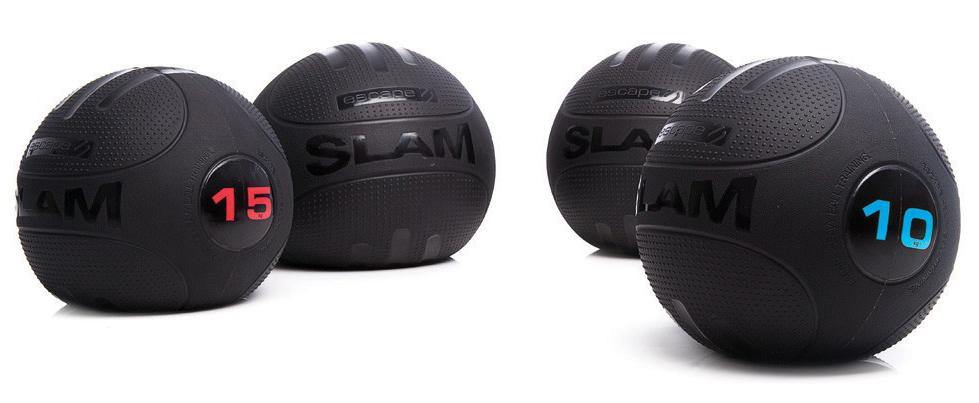
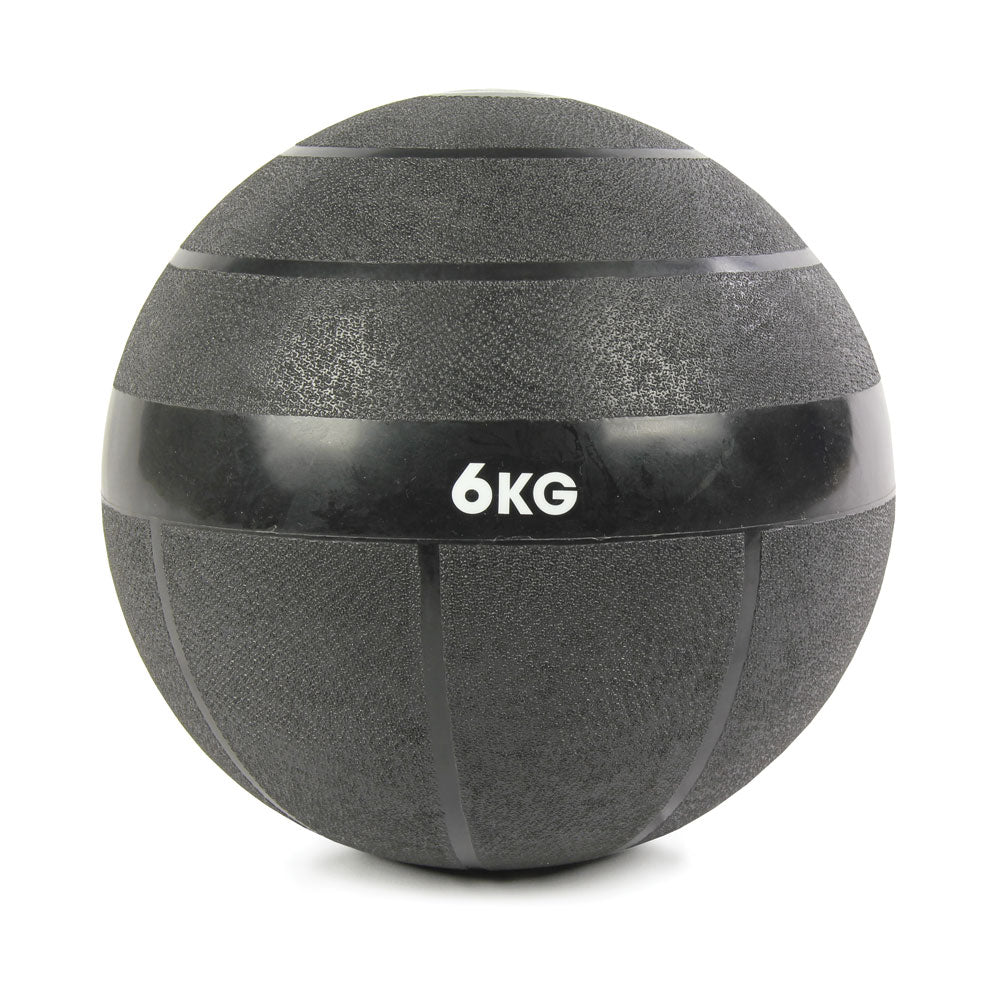
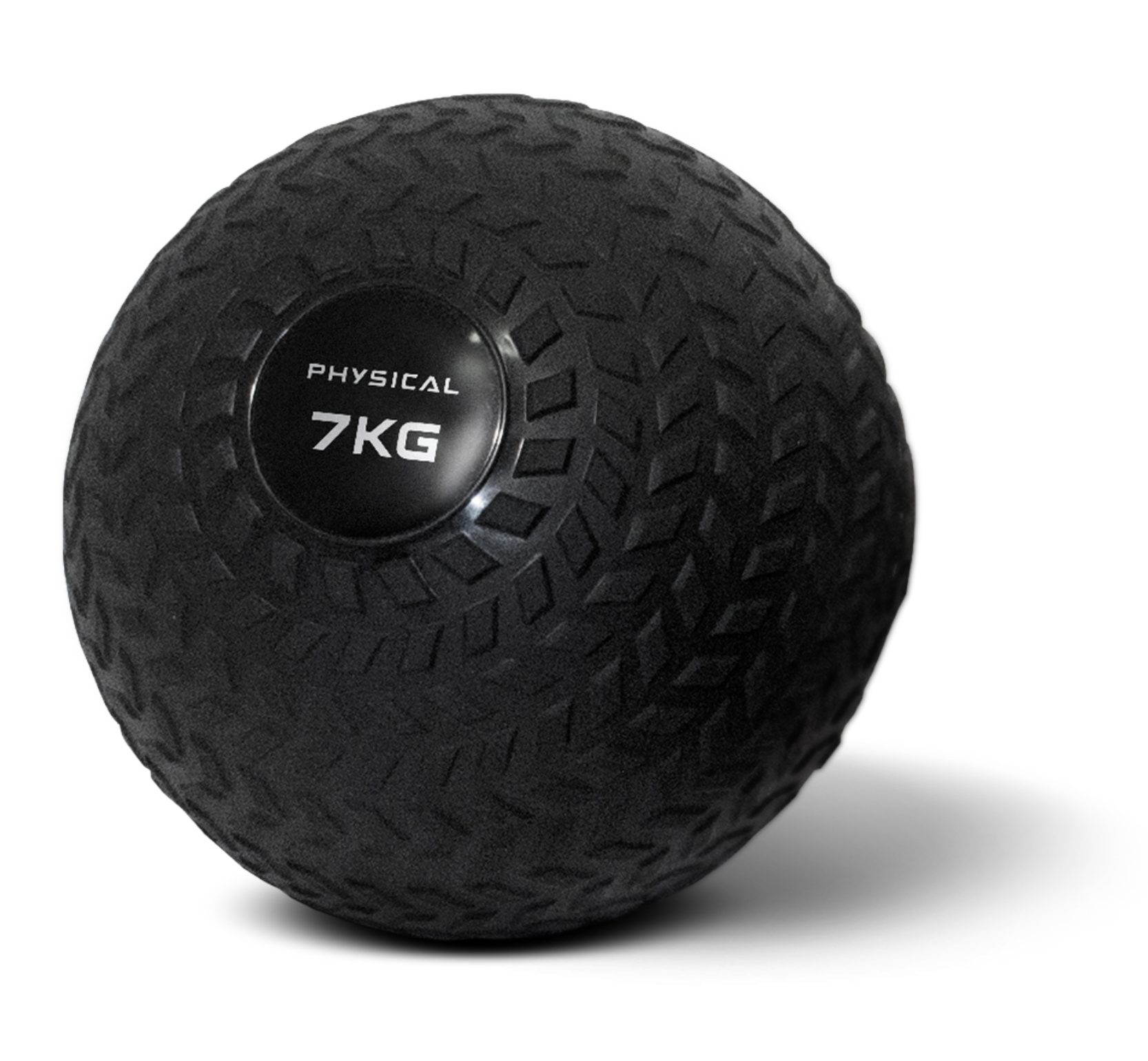
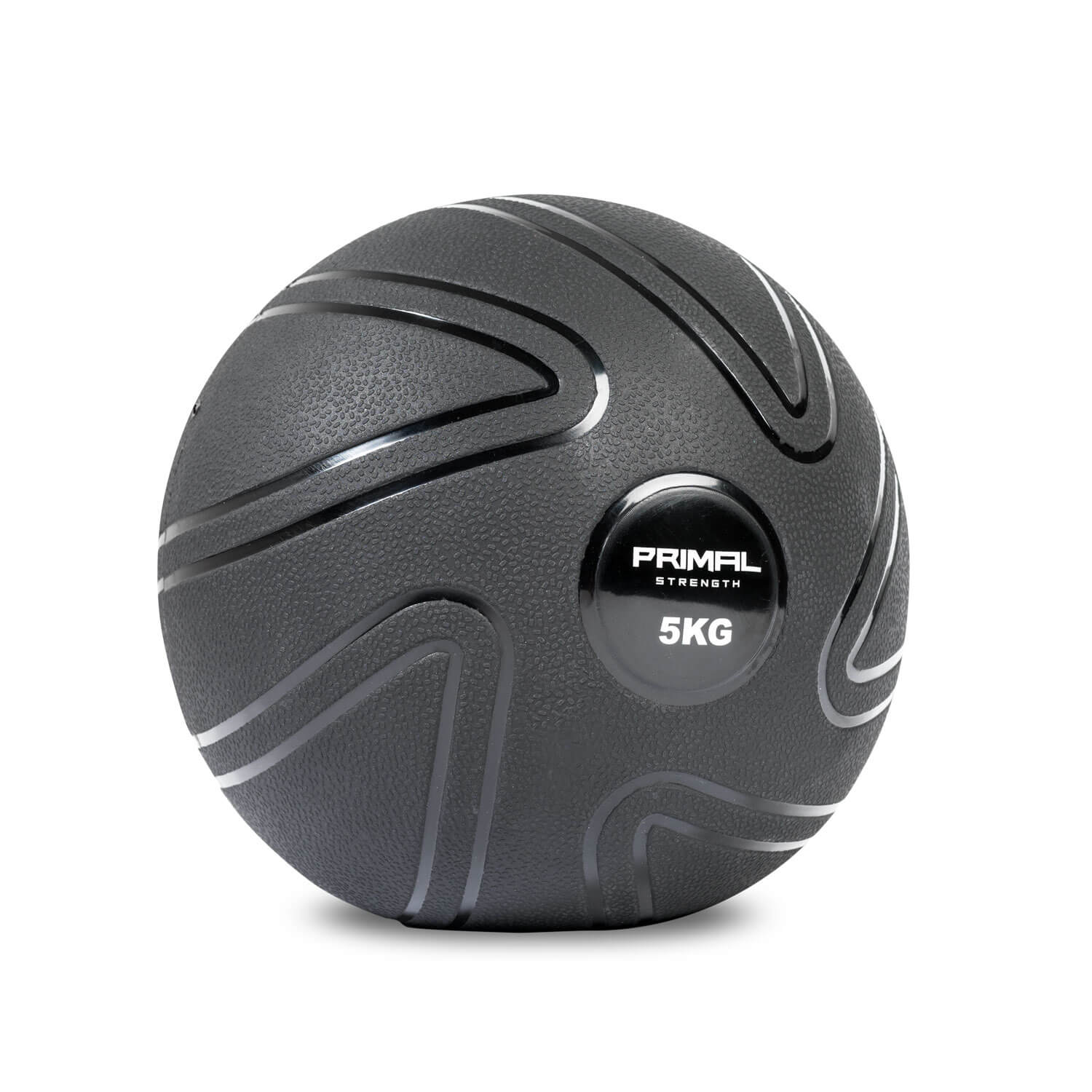
Slam balls are weighted balls usually made of rubber and filled with sand, designed for repeated, high-impact use in fitness routines. Their roots trace back to the evolution of the medicine ball—a piece of training equipment dating to the 19th century, widely used for strength, rehabilitation, and athletic conditioning. The slam ball was developed as a sturdier, non-bouncing alternative to the medicine ball, created specifically to withstand throwing or slamming against the ground or wall without damage. While medicine balls can bounce and are lighter, slam balls are thicker, sand-filled, and absorb force, making them ideal for aggressive movements and modern functional training.
Fitness professionals introduced slam ball exercises to meet the growing demand for dynamic, explosive training tools, particularly for HIIT (high-intensity interval training), cross-training, and sport-specific routines. Over time, slam balls have become popular in commercial gyms and athletic facilities for their versatility and durability.
How to Perform: Stand feet shoulder-width, raise slam ball overhead, and explosively slam it into the ground.
Muscles Used: Shoulders (deltoids), back (latissimus dorsi), triceps, abdominals, lower back (erector spinae), glutes, hamstrings, quadriceps.
Key Benefits: Builds explosive power and full-body coordination. Challenges core stabilization every rep.
How to Perform: Perform a deep squat holding the slam ball at chest, explode up and throw the ball upwards or forward.
Muscles Used: Quadriceps, glutes, hamstrings, core (abdominals, obliques), shoulders, arms.
Key Benefits: Strengthens major lower body muscles and improves fast-twitch muscle fiber recruitment. Engages core through stabilizing the ball and explosive throwing.
How to Perform: Sit with feet lifted, rotate body side-to-side, bringing the ball beside each hip.
Muscles Used: Obliques, transverse abdominis, rectus abdominis, hip flexors, shoulders.
Key Benefits: Elevates rotational core strength and coordination. Good for sports with twisting motions.
How to Perform: In a squat position, pass the ball between your legs in a continuous figure eight motion.
Muscles Used: Core (abdominals, obliques), glutes, quads, hip flexors, shoulders, forearms.
Key Benefits: Improves coordination, grip, and core stability.
How to Perform: Step back into a lunge, at bottom position twist with the ball across your torso, then return to standing.
Muscles Used: Glutes, quadriceps, hamstrings, abdominals, obliques, shoulders.
Key Benefits: Enhances unilateral lower body strength and anti-rotational core power.
How to Perform: Stand feet apart, hold ball in front, rotate trunk side-to-side like a standing Russian twist.
Muscles Used: Obliques, transverse abdominis, shoulders, upper back.
Key Benefits: Develops rotational core strength and dynamic stability.
How to Perform: Do a burpee, and after jumping up, slam the ball overhead.
Muscles Used: Chest, shoulders, triceps, core, quadriceps, glutes, hamstrings, calves.
Key Benefits: Full-body power, major calorie burning, raises heart rate, and improves functional coordination.
How to Perform: Lie down holding slam ball at your chest, perform a sit-up bringing ball to feet.
Muscles Used: Rectus abdominis, hip flexors, shoulders.
Key Benefits: Progresses standard sit-ups by adding resistance and increasing abdominal muscle engagement.
How to Perform: Step into a lunge, at bottom position press the ball overhead.
Muscles Used: Glutes, quadriceps, abdominals, shoulders, triceps.
Key Benefits: Builds lower body strength, shoulder power, balance, and core stabilization.
How to Perform: Squat down holding the ball, explosively jump up, land, repeat.
Muscles Used: Quadriceps, glutes, hamstrings, calves, core, shoulders.
Key Benefits: Develops explosive power, improves muscular endurance, taxes the cardiovascular system.
Slam balls are used for several reasons:

Slam balls offer extensive training benefits, including:
1.Full-Body Strength & Conditioning
Engage multiple muscle groups in each movement (shoulders, back, chest, arms, core, legs).
Promote muscle definition and mass growth.
2. Power and Explosiveness
Movements require rapid force production, boosting upper and lower body power, important for athletic activities like sprinting, jumping, and tackling.
3. Increased Core Strength
Frequent twisting, lifting, and slamming actions heavily recruit core stabilizers, improving balance and stability.
4. Athletic Performance
Improves sport-specific skills like throwing power, catching, tackling, and reacting quickly to dynamic forces.
Exercises mimic movements found in daily life and sports, helping the body adapt and get stronger for practical tasks (lifting, carrying, twisting).
6. Improved Coordination and Balance
Multi-joint, multi-directional actions train body awareness and motor control.
7. Cardiovascular Health
High-intensity slam ball circuits elevate heart rate, supporting aerobic and anaerobic conditioning, and burning more calories in less time.
8. Calorie and Fat Burning
Dynamic, high-intensity moves torch calories rapidly, aiding weight loss and metabolic efficiency.
9. Low-Impact on Joints
Unlike jumping or bounding movement, slamming doesn’t stress knees or ankles excessively.
10. Adaptable for All Fitness Levels
Weight options from 3kg–15kg (6–33lbs) allow beginners and advanced users to find appropriate resistance for their goals.
Concluding thoughts on Slam Ball Exercises
Slam balls are a modern evolution of the medicine ball, uniquely designed for powerful, full-body exercises. Their durability, safety, and versatility make slam ball exercisesa staple in functional fitness, offering impressive gains in strength, power, athleticism, and cardiovascular health while being accessible for anyone from beginners to elite athletes.