Nationwide Sales & Service - 01536 802333

Understanding the differences between strength training and weight training is crucial for anyone aiming to optimise their fitness regime, whether its for athletic performance, aesthetics, health, or functional strength. While many people use these terms interchangeably, they represent different approaches, principles, and outcomes in physical conditioning, a blend is useful.
Strength Training
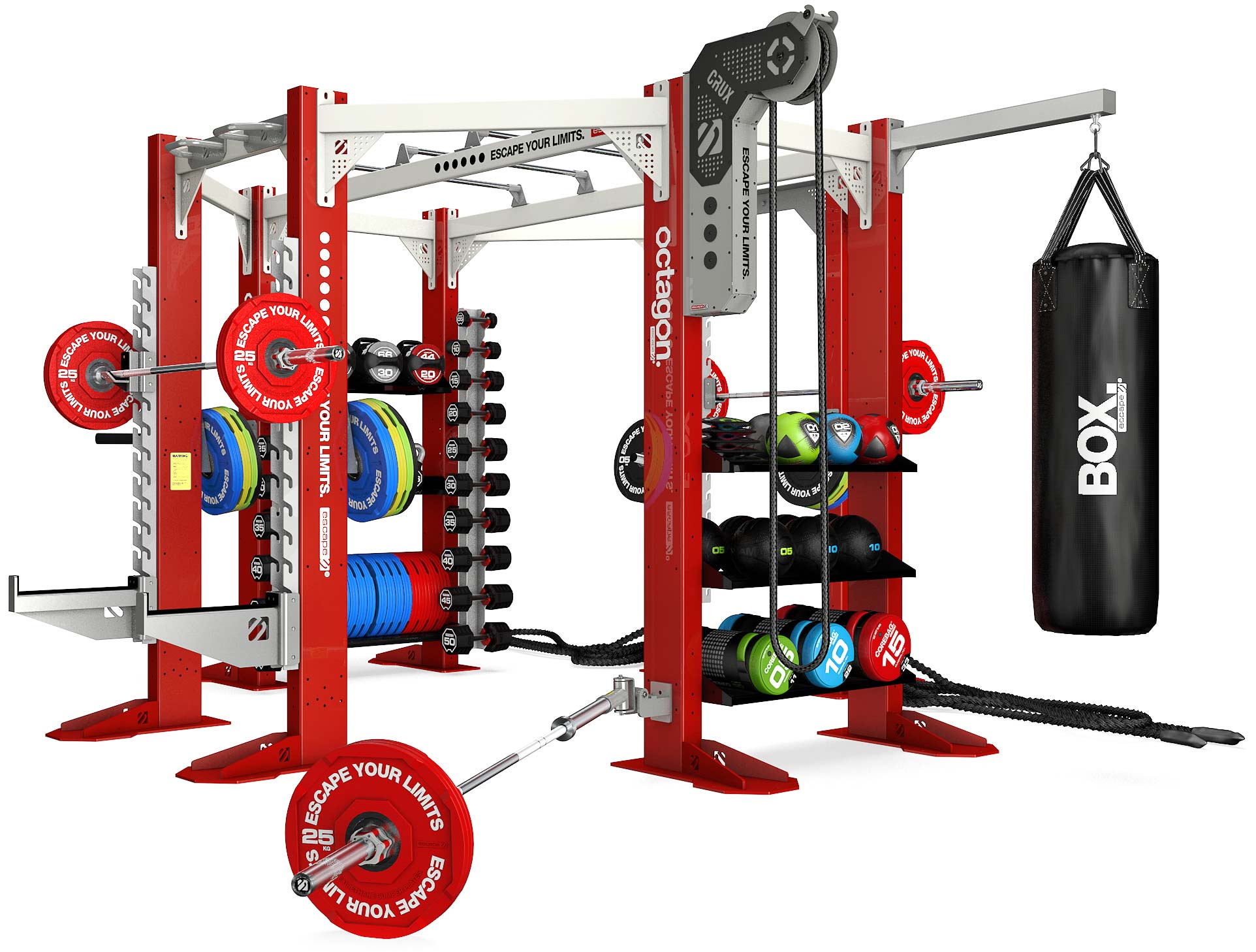
Strength training is a broad term encompassing all forms of exercise designed to improve muscular strength—the ability of a muscle or group of muscles to exert force against resistance. This resistance can take various forms: free weights (like dumbbells and barbells), weight machines, resistance bands, your own body weight, or even everyday objects. Notably, strength training includes activities such as bodyweight exercises (push-ups, squats), resistance band work, machines, or lifting free weights. The core goal is to increase your muscles’ capacity to generate force, enhance muscle endurance, and improve functional capacity across activities, from daily tasks to athletic endeavors.
Weight Training
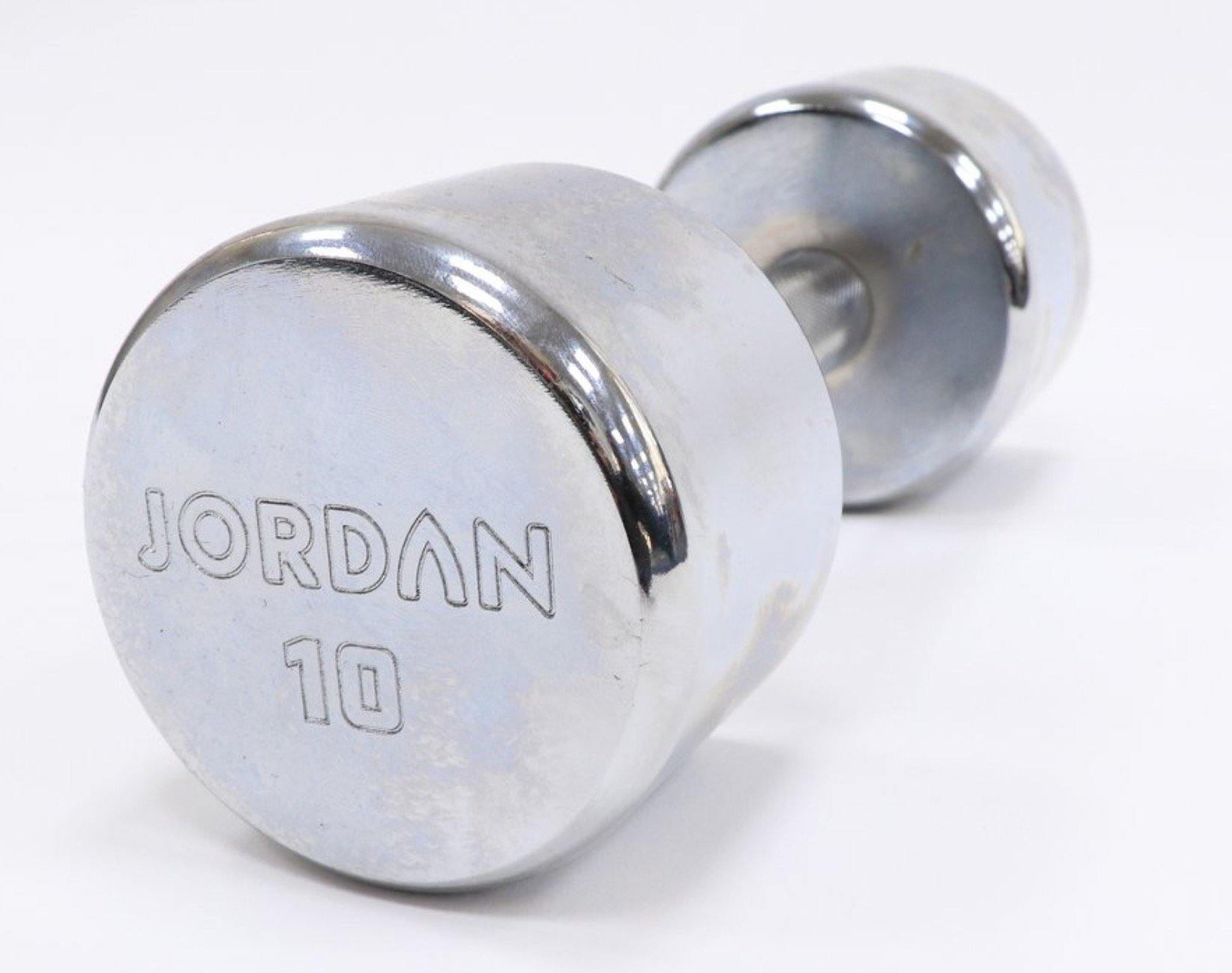
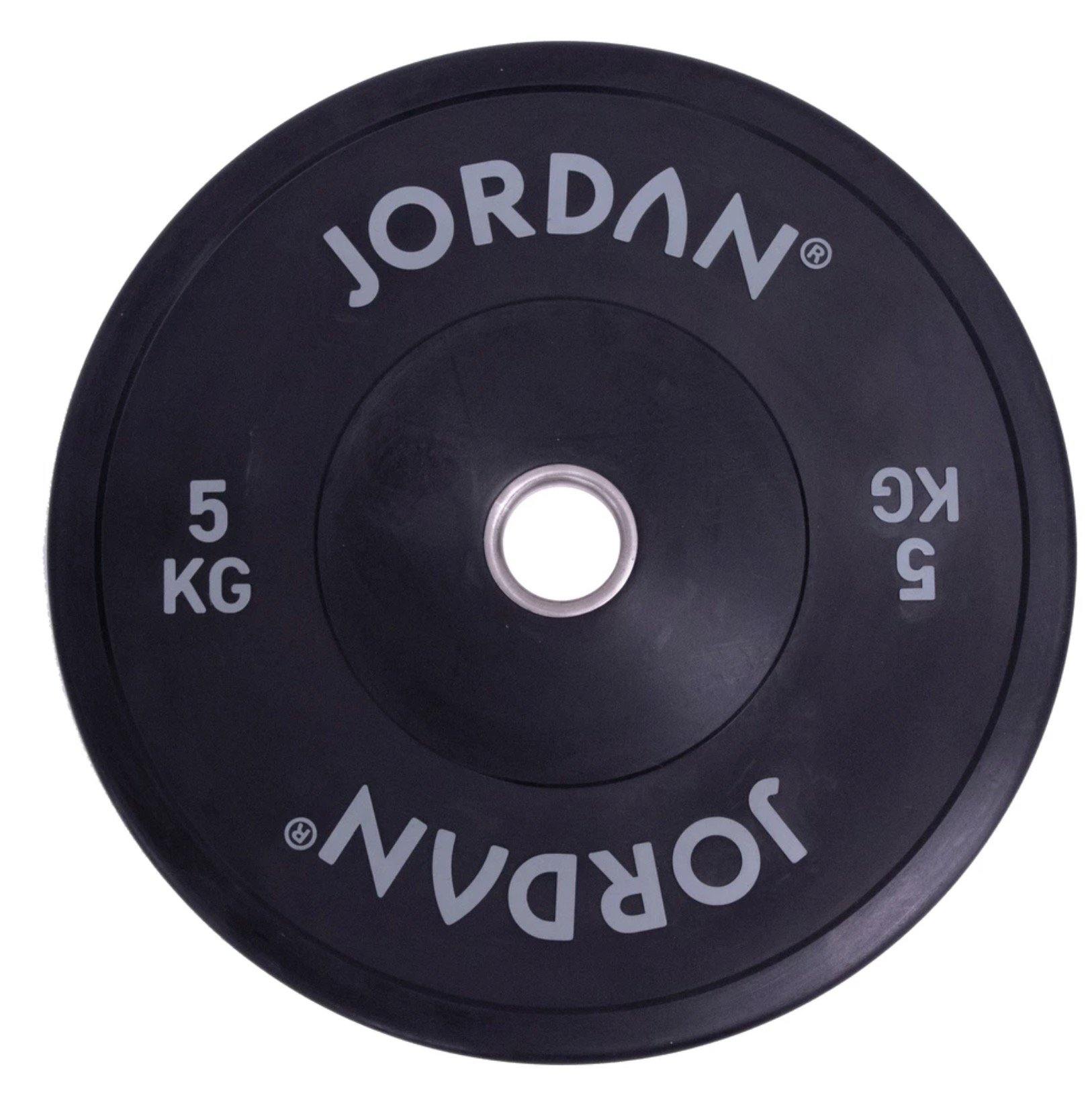
Weight training is a specific subset of strength training primarily focused on lifting weighted objects—dumbbells, barbells, kettlebells, or weight machines. The primary emphasis in weight training programs is often muscle hypertrophy (i.e., muscle growth for size and definition), increasing strength, or targeting specific muscle groups for sculpting the body. This form is often associated with traditional gym environments and is at the root of bodybuilding, powerlifting, and Olympic weightlifting cultures.
Strength Training: The Oldest Discipline
Strength training in various forms predates the gym. Ancient warriors, martial artists, and laborers developed tremendous strength via their daily tasks: carrying loads, climbing, digging, dragging, and fighting. Ancient Greece and Rome promoted calisthenics (bodyweight training) and functional strength for soldiers and athletes.
Weight Training: The Modern Method
The use of dedicated external weights arose in the late 19th and early 20th centuries, culminating in sports such as Olympic weightlifting and bodybuilding. The rise of fitness clubs and gym culture in the 20th century drove the standardization of weight training protocols for both athletes and the general public.
Strength Training is an umbrella term. It includes weight training (lifting weights), but also bodyweight exercises, resistance bands, functional exercises, and more. In effect, any exercise that requires you to work against a resistance to improve strength fits this category (including yoga, Pilates equipment, or lifting your own body in calisthenics).
Weight Training is a sub-category within strength training, limited to the use of external weights as the means of resistance.
Strength Training
Objective: Improve muscular strength, endurance, and functional fitness—the kind of strength and coordination needed for real-life moves like lifting, pushing, pulling, and carrying.
Approach: Often includes full-body, multi-joint (compound) exercises executed in a way that mimics real-life actions (e.g., squats, lunges, push-ups, deadlifts).
Outcomes: Enhanced strength, muscular endurance, joint stability, and overall functionality rather than merely increasing muscle size or aesthetics.
Weight Training
Objective: Often driven by muscle hypertrophy (growth in muscle size), definition, and physique changes. It may also be practiced for absolute strength (as in powerlifting or Olympic lifting) or muscular endurance, but the focus is typically on the muscle and not the movement.
Approach: Involves isolating specific muscle groups (e.g., biceps curls, leg extensions), as well as some compound movements (bench press, squats), usually with external resistance.
Outcomes: Increased muscle mass, definition, strength in specific ranges of motion, and aesthetic improvements.
Strength Training Example Exercises
These often involve multiple muscle groups, engage the core, and improve movement patterns useful in daily life.
Weight Training Example Exercises
These can be divided into compound (multi-joint) and isolation (single-joint) moves, but all use external weights as the resistance.
Strength Training
Neuromuscular Adaptations: Initial gains in strength are often due to better neural recruitment and coordination, not just muscle growth.
Types of Contraction: Includes concentric, eccentric, and isometric contractions.
Overload Principle: Muscles must be challenged progressively to spark adaptation, whether by increased resistance, more reps, or new movements.
Variety: Because many forms are used, strength training better prepares you for varied movements and unpredictable environments.
Weight Training
Hypertrophy: Traditional weight training protocols (3–5 sets of 8–12 reps with moderate-to-heavy loads) target muscle growth through mechanical tension, metabolic stress, and muscle damage.
Maximal Strength: Heavy lifts with low reps (1–6) are used for maximal strength, as in powerlifting/Olympic lifting.
Isolation and Symmetry: Weight training is ideal for targeting specific muscles for balanced aesthetics, symmetry, or correcting imbalances.
Traditional Weight Training
Strength Training Programs
Weight Training Programs
May include split routines (different body part each session) or full-body routines with heavier weights and lower repetitions.
Strength Training
Weight Training
Strength training prepares you to handle daily tasks—carrying groceries, climbing stairs, maintaining stability on uneven ground. It improves your capacity for movement, resilience in physical activity, and overall health.
Weight training helps sculpt your physique, increase muscle mass, and achieve specific strength goals or aesthetics—but ideally should be combined with functional, strength-oriented movements for well-rounded results.

"Weight training is the only way to get strong." False: Bodyweight, resistance bands, and other modalities can build equal or greater strength in specific contexts.
"Strength training is only for athletes." False: Everyone benefits, especially older adults and those with chronic conditions.
"Weight training makes you bulky." Typically only with high volume, calorie surplus, and genetic predisposition—most people gain lean, toned muscle.
"Strength training does not build muscle." False: Most strength protocols also induce muscle growth, but not always to the same extent as bodybuilding routines
If you want functional strength, injury prevention, and real-world performance: Focus on strength training with a blend of tools and movement patterns. If you want muscle size, definition, and symmetry: Include weight training, with traditional hypertrophy protocols. For overall health: Combine both—use weights for muscle-building, but also prioritize bodyweight and functional exercises for joint health and movement quality.