10 Kettlebell Core Exercises: Our Detailed Guide, Muscles Used & Benefits

August 09, 2025 4 min read

10 Kettlebell Core Exercises: Our Detailed Guide, Muscles Used & Benefits

Kettlebell Core Exercises

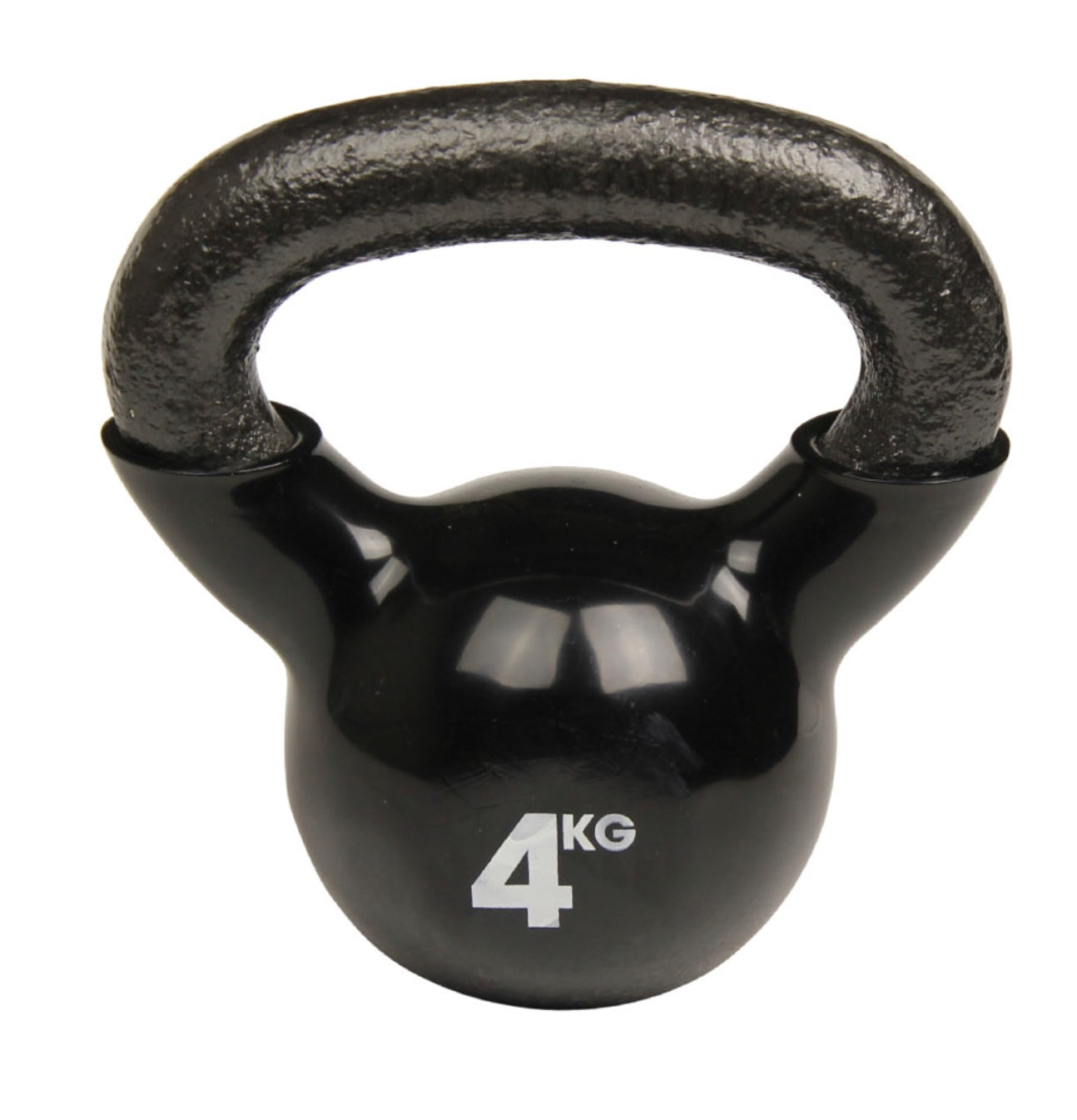
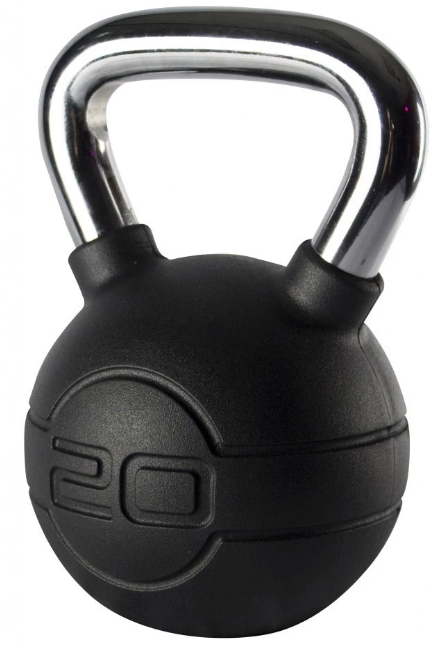
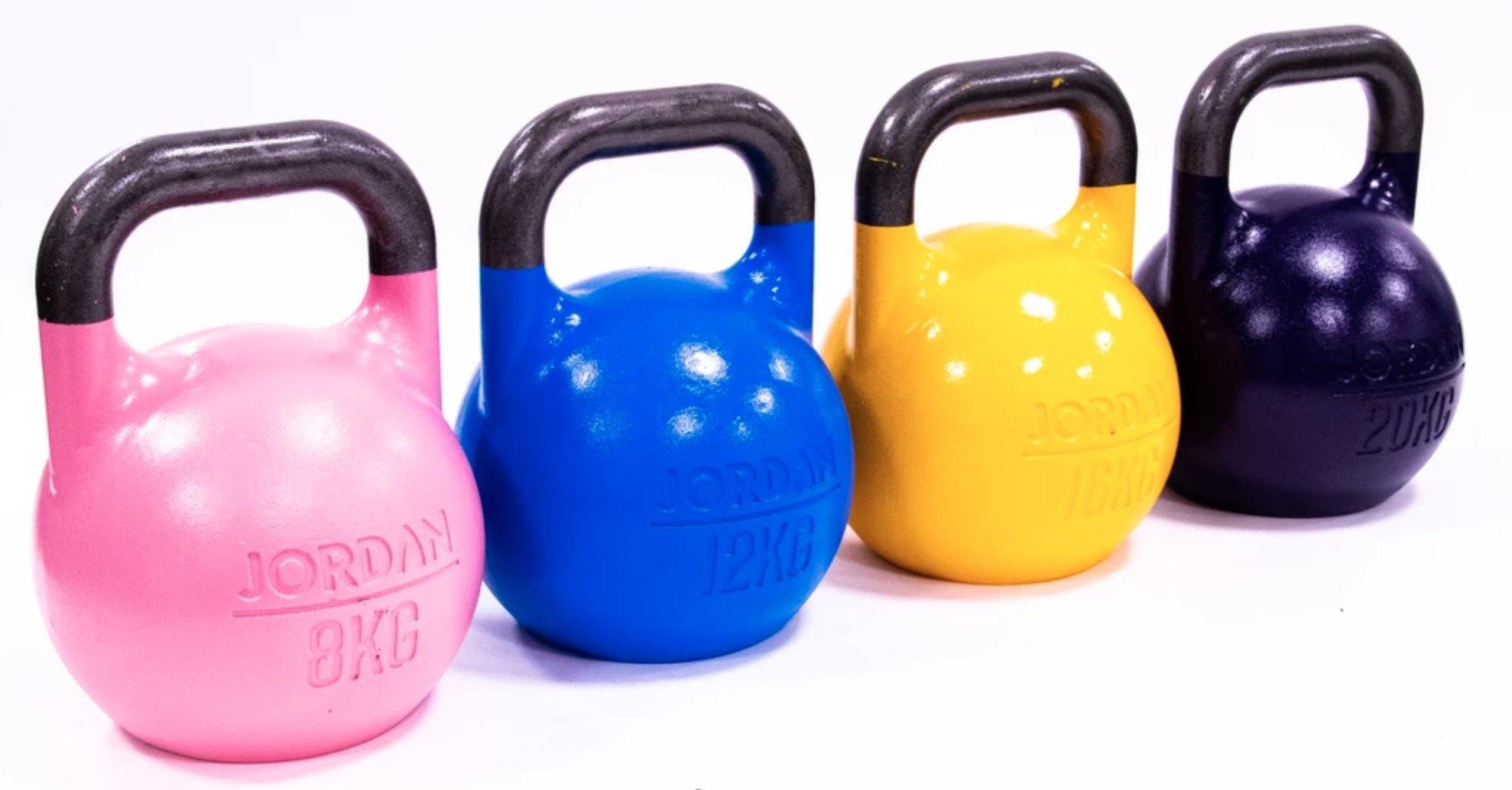
Kettlebells are exceptional tools for core development thanks to their off-center mass and ergonomic handle, allowing dynamic, multi-planar movements that challenge the core in ways traditional weights often cannot. Here is an in-depth look at 10 effective kettlebell core exercises, we have detailed muscles worked and the unique benefits they offer so you blend into your workouts as you need.
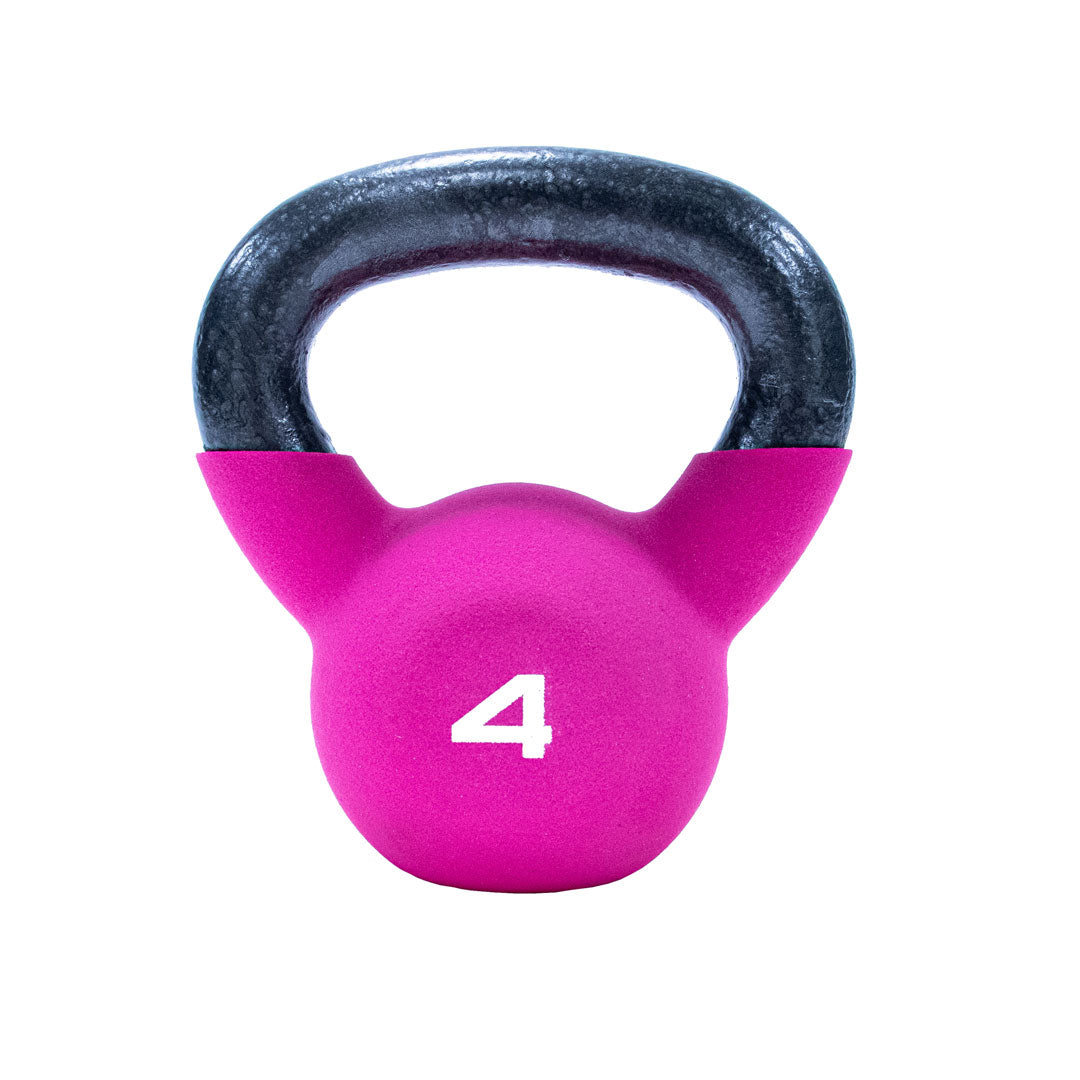
1. Kettlebell Turkish Get-Up

Description

A complex, full-body movement where you lie flat holding a kettlebell overhead, then sequentially rise to a standing position while keeping the bell stable above you, before reversing the movement.

Muscles Worked

  • Core: Transverse abdominis, rectus abdominis, obliques
  • Shoulders: Deltoids, rotator cuff
  • Hips & Glutes: Gluteus maximus, hip flexors
  • Back: Erector spinae, lower/mid traps
  • Legs: Quadriceps, hamstrings

Benefits

  • Enhances total-body stability and coordination
  • Reinforces spinal alignment and core stabilization under load
  • Improves joint mobility, especially the hips and shoulders
  • Boosts resilience against injuries via anti-rotational core engagement

2. Kettlebell Windmill

Description

Begin with the kettlebell pressed overhead, feet wide, and hinge at the hips to lower the opposite hand toward the floor, keeping your eyes on the bell.

Muscles Worked

  • Obliques: Powerful rotational and lateral support
  • Glutes & Hamstrings: Assist with hip stability
  • Shoulder complex: Especially rotator cuff and scapular stabilizers
  • Erector spinae: Lower back extension and stabilization

Benefits

  • Dramatically increases oblique and lateral core strength
  • Enhances shoulder stability and joint health
  • Imposes anti-rotational and flexibility demands, translating to improved athletic performance

3. Kettlebell Russian Twist

Description

Seated position with feet elevated, holding the kettlebell in front. Rotate the torso to swing the weight from side-to-side, tapping the floor beside each hip.

Muscles Worked

  • Obliques: Deep rotational activation
  • Rectus abdominis: Isometric tension to stabilize
  • Hip flexors: Maintain seated position

Benefits

  • Strengthens rotational movement capacity
  • Useful for sports involving twisting (e.g., tennis, golf)
  • Improves overall core balance and endurance

4. Kettlebell Around the World

Description

Stand tall and pass the kettlebell around your waist in a controlled, circular motion, keeping the core braced.

Muscles Worked

  • Transverse abdominis: Deep core muscles
  • Rectus abdominis and internal/external obliques: Prevent trunk rotation and flexion
  • Forearms and grip

Benefits

  • Trains rotational stability and quick reactive core contractions
  • Increases grip strength
  • Encourages dynamic postural control

5. Kettlebell Side Bend

Description

With a kettlebell in one hand, stand upright and lean to the weighted side—then return upright using your obliques, not momentum.

Muscles Worked

  • Obliques: Eccentric and concentric contraction
  • Quadratus lumborum: Side of mid/lower back
  • Erector spinae: Support upright trunk

Benefits

  • Enhances lateral strength and spine resilience
  • Functional for real life carrying tasks (suitcase, groceries)
  • Builds injury resistance in low back

6. Kettlebell Plank Pull-Through

Description

Start in a high plank position, kettlebell just outside one hand. Reach with the far hand, drag the bell across underneath, and repeat on the other side.

Muscles Worked

  • Transverse abdominis: Stabilization
  • Rectus abdominis: Anti-extension
  • Obliques: Resist hip rotation
  • Shoulders and glutes: Supporting muscles

Benefits

  • Improves anti-rotational strength
  • Trains the core to resist twisting under load
  • Elevates plank intensity and teaches shoulder-hip integration

7. Kettlebell Farmer’s March

Description

Hold a kettlebell at your side (single or double) and march in place—lift the knees high, maintaining perfect posture.

Muscles Worked

  • Obliques & transverse abdominis: Counter lateral flexion
  • Glutes & hip flexors: Single-leg balance with each march
  • Erector spinae: Keep upright posture

Benefits

  • Mimics real-world, unilateral carrying and stability
  • Improves standing posture and gait mechanics
  • Exceptional for core stability on one leg

8. Kettlebell Dead Bug

Description

Lay flat, arms extended (holding kettlebell), legs bent 90°. Extend opposite arm and leg while keeping back flat.

Muscles Worked

  • Transverse abdominis: Deep core brace
  • Rectus abdominis: Maintain trunk position
  • Upper lats and shoulders: Stabilize the kettlebell
  • Hip flexors: Resist hip extension

Benefits

  • Maximizes core stability during limb movement
  • Great for beginners and advanced lifters to master spinal bracing

9. Kettlebell Halo

Description

Hold the kettlebell by the horns at chest height and carefully circle it around your head, keeping the rest of your body still.

Muscles Worked

  • Shoulders: Rotator cuff, deltoids
  • Core: Obliques and transverse abdominis stabilize trunk
  • Upper back and arms

Benefits

  • Dramatically improves shoulder mobility and stability
  • Encourages 360° core control and activation
  • Useful for prepping joints before heavier lifts

10. Kettlebell Goblet Squat to Overhead Press

Description

Hold the kettlebell at chest in a goblet grip. Squat until thighs are parallel, then drive up and press the bell overhead at the top of each rep.

Muscles Worked

  • Core: Braces and resists trunk movement
  • Quads & glutes: Primary movement
  • Shoulders & arms: Pressing phase
  • Erector spinae: Locks spine during squat/press

Benefits

  • Trains anti-rotational and anti-flexion core strength
  • Develops full-body power, especially in lower and upper body integration
  • Reinforces proper breathing and bracing technique

Why Kettlebell Core Exercises Are Superior


Unique Benefits
  • Offset Load: Kettlebells’ center of mass lies outside your hand, increasing challenge for core stabilizers.
  • Enhanced Functional Strength: Movements train stability, balance, athleticism, and real-world movement patterns.
  • Variable Progression: Easily scalable, from light technique drills to heavy, explosive lifts.
  • Time-Efficient: Multimuscle engagement means more work per minute, perfect for busy routines.
  • Injury Prevention: Stronger, more reactive core reduces back and hip injuries.
Muscles Engaged
  • Rectus abdominis (front “six-pack” muscle)
  • Obliques (side waist)
  • Transverse abdominis (deepest abdominal layer)
  • Erector spinae and quadratus lumborum (lower back)
  • Glutes, hip flexors, shoulders, and rotator cuff also highly activated depending on movement.
Practical Application & Training Tips

Do not train just for aesthetics. Focus on balance, stability, and real-world strength.

  1. Always brace your core—draw your naval gently in (not sucking in or excessively tightening) to protect your spine.
  2. Form is critical. Quality of movement trumps weight.
  3. Start with lighter kettlebells to master each technique, progressively adding load for higher challenge.
  4. Integrate 2–4 kettlebell core movements into your workout, focusing on different planes and patterns.
  5. Breathing: Exhale on exertion; inhale while resisting the movement to maximize core engagement.

Concluding Kettlebell Core Exercises Thoughts

Kettlebell core training provides more than just visible abs—it builds a stable, powerful, and injury-resistant body from the inside out. These 10 kettlebell core exercises —ranging from dynamic, full-body Turkish Get-Ups to isolation holds and carries—provide a masterclass in core development. Adding kettlebells to your routine unlocks greater core stimulus, functional strength, and longevity for your entire body.