The clean is an Olympic weightlifting movement in which a barbell is pulled from the floor, or from the thighs, to the front rack position, with the bar resting across the shoulders and collarbones, in one fast motion. It is the first half of the clean and jerk and a staple of strength and conditioning programmes because it trains force production at speed.
The clean is usually broken into five phases. The aim throughout is to keep the bar close to the body and to finish the pull with full triple extension: the ankles, knees and hips extending together.
The posterior chain (glutes, hamstrings and spinal erectors) does the most work in the pull, while the quadriceps extend the knee as the bar passes the thighs. The trapezius and deltoids finish the pull, and the forearms and lats keep the bar controlled and close. The abdominals and obliques brace the trunk so force passes cleanly from the legs to the bar.
Every clean variant changes one or more of three things: where the bar starts, how deep the catch is, and what equipment is used. Choose a variant based on your experience, mobility, space and goal.
The standard clean from the floor, with the bar caught above parallel.
How it differs: It includes the full first pull, transition and second pull, but the catch is shallow, so the bar must be pulled higher than in a squat clean.
Best for: Athletes, strength and conditioning programmes, and anyone training power rather than competition lifting.
Excellent for explosive hip extension; simple to coach; transfers well to jumping and sprinting.
Needs space and a platform; heavy loads are limited by how high the bar can be pulled.
A power clean that starts with the bar held at the thigh or around the knee, not on the floor.
How it differs: The first pull is removed, so the lifter starts with the hips already loaded and focuses on the second pull and catch.
Best for: Learning the lift, training in limited space, and practising speed under the bar.
Easier to learn; less low-back fatigue; quick to set up.
Does not train the floor start, so it builds less total pulling strength; the dip position must be consistent.
The competition version of the clean, caught in a full front squat.
How it differs: The lifter pulls the bar to roughly mid-torso height, drops under it into a deep squat, then stands.
Best for: Weightlifters and advanced lifters who need maximum load and good front squat mobility.
Allows the heaviest loads; builds leg strength through the recovery from the bottom.
High technical and mobility demand: ankles, hips, upper back and wrists all need to move well.
A clean in which the bar starts on raised blocks or a rack.
How it differs: It shortens the first pull and lets the lifter start in a stronger, more consistent position.
Best for: Technique work, lifters with limited hip or back mobility, and heavier second-pull training.
Repeatable start position; practise positions without floor-pull fatigue.
Needs blocks or a rack; less carryover to the floor start.
A clean with no re-bend of the knees and no drop under the bar; the arms and shoulders finish the lift.
How it differs: The pull is followed by a strong turnover of the elbows without catching in a squat.
Best for: Teaching the rack position and the elbow turnover with light loads.
Very low technical demand for the catch; builds shoulder and upper-back strength.
Does not develop power in the way a full clean does; only light loads are practical.
A clean performed with one or two dumbbells or kettlebells, brought from the floor or a swing to the shoulder.
How it differs: The implement is held in one or both hands, and the path is less restricted than with a barbell.
Best for: Beginners, home gyms and conditioning, and anyone without a platform and bumper plates.
Needs little space or equipment; easy to learn; useful for single-arm work and conditioning.
Loads are limited by the weights available; less suitable for maximal power work.
The first and second pull of a clean without the catch; the lifter finishes with a shrug.
How it differs: The bar is not received, so heavier loads can be used than in a full clean.
Best for: Overloading the pull, building strength, or practising the pull when mobility limits the catch.
Develops pulling strength and bar speed; reduces wrist and shoulder stress.
Does not practise the catch; loads must not be so heavy that bar path breaks down.
The competition lift: a clean followed by a jerk that drives the bar overhead.
How it differs: It adds a second phase after the clean: the lifter dips, drives and splits or squats under the bar to lock it out overhead.
Best for: Competitive weightlifters and strong athletes seeking a full-body overhead power lift.
Develops total-body strength and coordination; the jerk adds overhead stability.
Highest technical demand; needs coaching, shoulder mobility and stability.
| Variant | What changes | Best for |
|---|---|---|
| Power clean | Bar caught above parallel, from the floor | Power development, athletes |
| Hang power clean | Starts at the thigh or knee, skipping the first pull | Learning the second pull; limited space |
| Squat (full) clean | Bar caught in a full front squat | Weightlifters, heavier loads |
| Clean from blocks | Bar starts raised on blocks | Technique work, mobility limits |
| Muscle clean | No re-bend under the bar; arms finish the pull | Teaching the rack position |
| Dumbbell or kettlebell clean | Single or paired implements | Beginners, home gyms, conditioning |
| Clean pull | Pull only, no catch | Overloading the pull, building strength |
| Clean and jerk | Adds an overhead jerk after the clean | Competitive weightlifters |
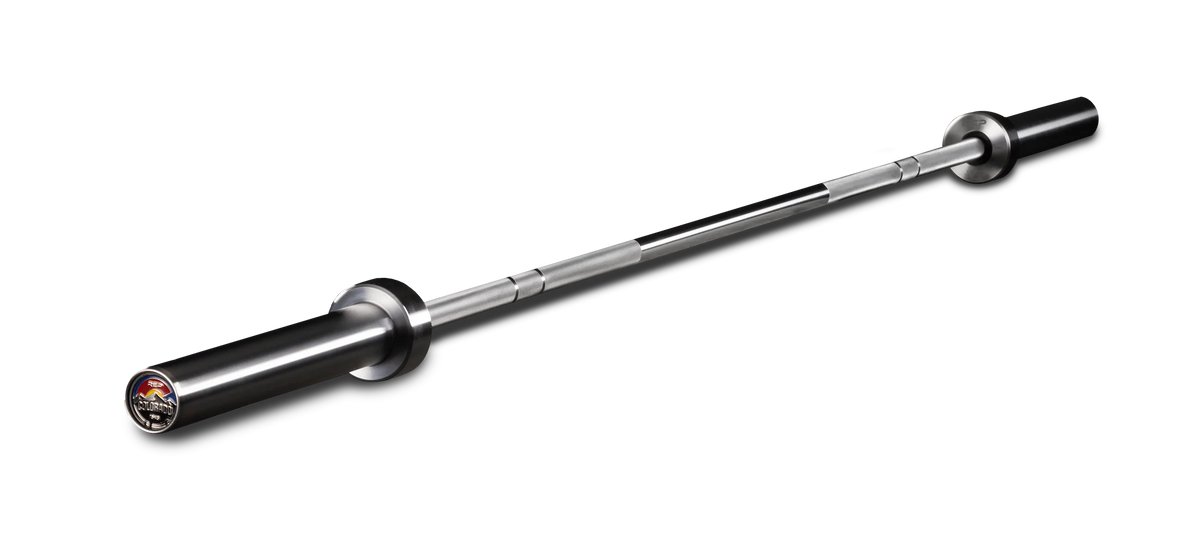
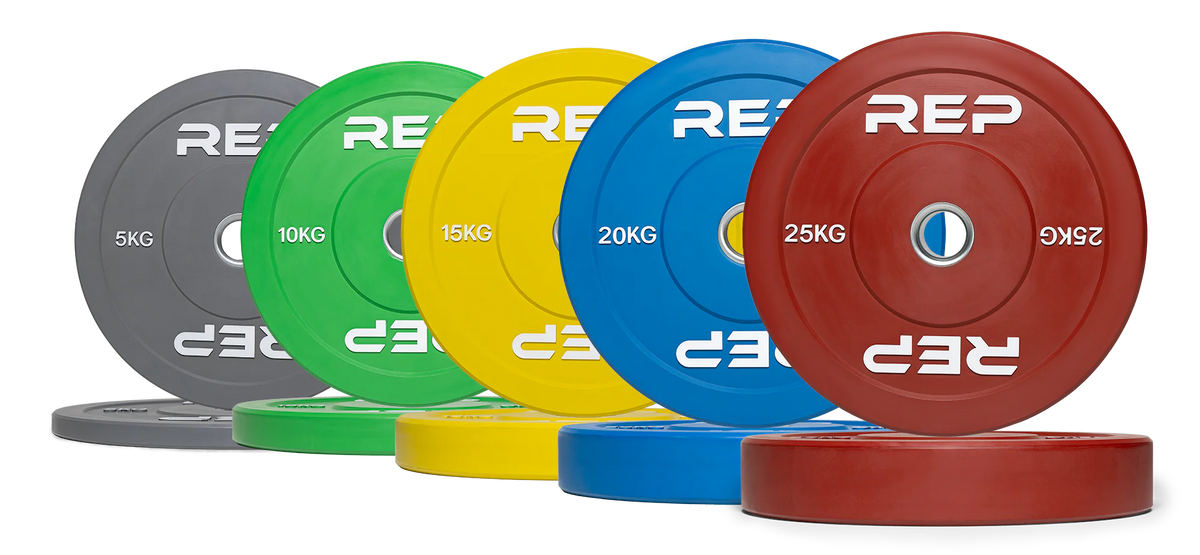
Training space matters. Use a solid lifting platform, bumper plates that can be dropped safely, and enough clearance around you and overhead. These are important considerations when planning a home or garage gym.
What is the clean exercise?
The clean is an Olympic weightlifting movement in which a barbell is pulled from the floor or thighs to the front rack position at the shoulders in one fast motion.
What muscles does the clean work?
The clean works the glutes, hamstrings, quadriceps, spinal erectors, trapezius, shoulders, calves, forearms and core. The posterior chain does the most work in the pull.
What are the main benefits of the clean?
The clean builds explosive power, whole-body strength, coordination and timing, and it trains the front rack position that supports front squats and overhead work.
Is the power clean the same as the squat clean?
No. A power clean catches the bar above parallel in a quarter squat, while a squat clean catches the bar in a full front squat.
What is the best clean variation for beginners?
The dumbbell or kettlebell clean, the hang power clean and the muscle clean are the most approachable starting points because they need less mobility and technique.
What is the difference between a clean and a clean and jerk?
The clean ends at the shoulders. The clean and jerk adds a second movement, the jerk, which drives the bar overhead.
Published by Training Station, 23 October 2026. This article is general information, not personal medical or coaching advice.