Nationwide Sales & Service - 01536 802333

For years, fitness was split into two camps. Lifters built muscle and strength, and runners built endurance, with little crossover between them. Hybrid training challenges that divide. It combines strength work and endurance work in a single programme, so you become stronger, fitter and more resilient at the same time.
Hybrid training has grown rapidly in popularity, partly because of events that reward both qualities, such as fitness racing competitions, obstacle races and military-style tests. But you do not need to enter an event to benefit. We explores what hybrid training is, why people do it, and how to build a sensible plan as a beginner or home-gym user.
Hybrid training is a style of programming that deliberately develops several fitness qualities together. Typically, that means:
Rather than choosing between a barbell and a running track, you use both. The aim is a well-rounded athlete who can squat a respectable weight and also run, row or carry on for a long time without tiring.
There are several reasons people are drawn to this approach.
Balanced fitness. You build a strong heart and lungs alongside strong muscles, which supports everyday life, sport and long-term health.
Variety. Mixing lifting, running and conditioning keeps training interesting, which helps with long-term consistency.
Event preparation. If you plan to enter a fitness race, an obstacle event or a team sport, you need both strength and endurance.
Health benefits. Resistance training supports muscle, bone density and metabolic health. Cardiovascular training supports heart health and stamina. Combining them covers more bases.
Body composition. Added conditioning raises your energy expenditure, which can assist fat loss when paired with sensible nutrition.
You may have heard that endurance training "interferes" with muscle and strength gains. This is called the interference effect. It refers to the way that large volumes of endurance work, performed close to heavy lifting, can reduce some strength and muscle adaptations.
The effect is real but often exaggerated, particularly for beginners and recreational trainees. At moderate volumes, most people can build both strength and endurance at once. The effect becomes more relevant when endurance volume is high, when sessions are placed badly, or when recovery and nutrition are poor.
The practical lesson is to manage your volume and scheduling rather than avoiding one quality entirely.
There is no single correct template, but a few principles help.
Beginners do best with three to four sessions per week, increasing gradually. A typical split might involve two strength sessions and two endurance sessions, with at least one rest day.
Avoid placing a long run or intense intervals the day before heavy leg training. If possible, keep your hardest lower-body lifting and your hardest endurance work on different days, or separate them by at least six hours.
If both are in the same session, do the more important quality first. If strength is your priority, lift before you do cardio. If endurance matters more, run first and lift afterwards.
Roughly 70 to 80 percent of your endurance work should feel comfortable, meaning you could hold a conversation. Save hard efforts for one session a week.
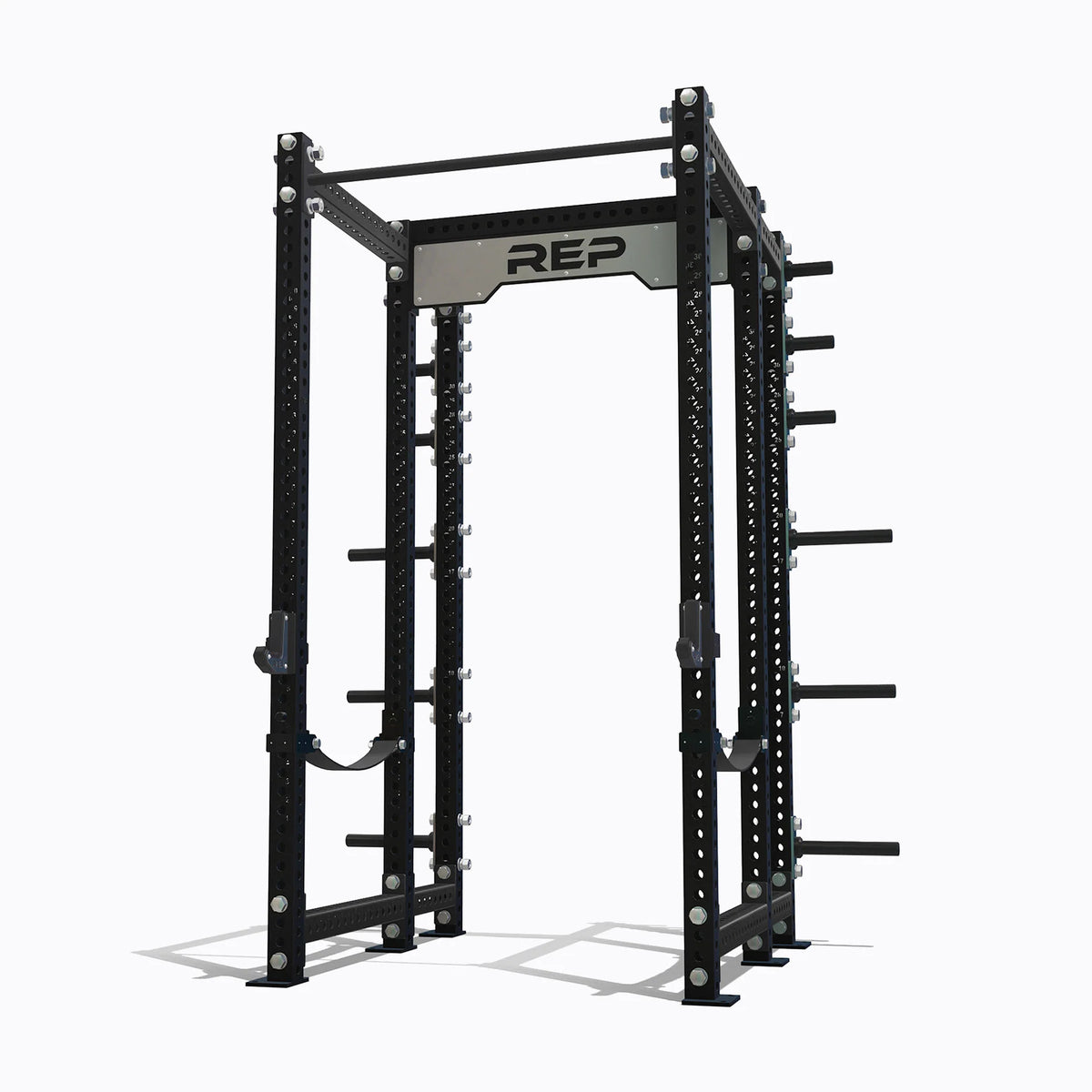
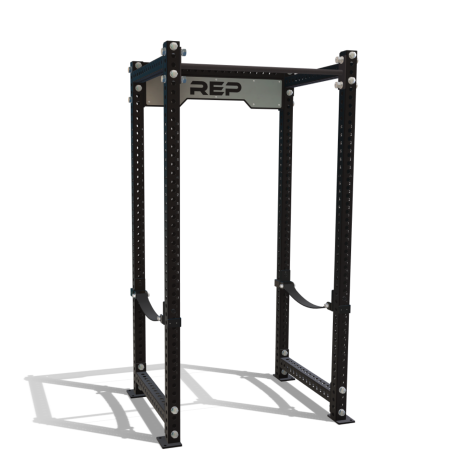
This example suits a beginner with a power rack or access to a commercial gym.
Adjust the days to suit your life. If four sessions feels like too much, drop the Friday session and build up later.
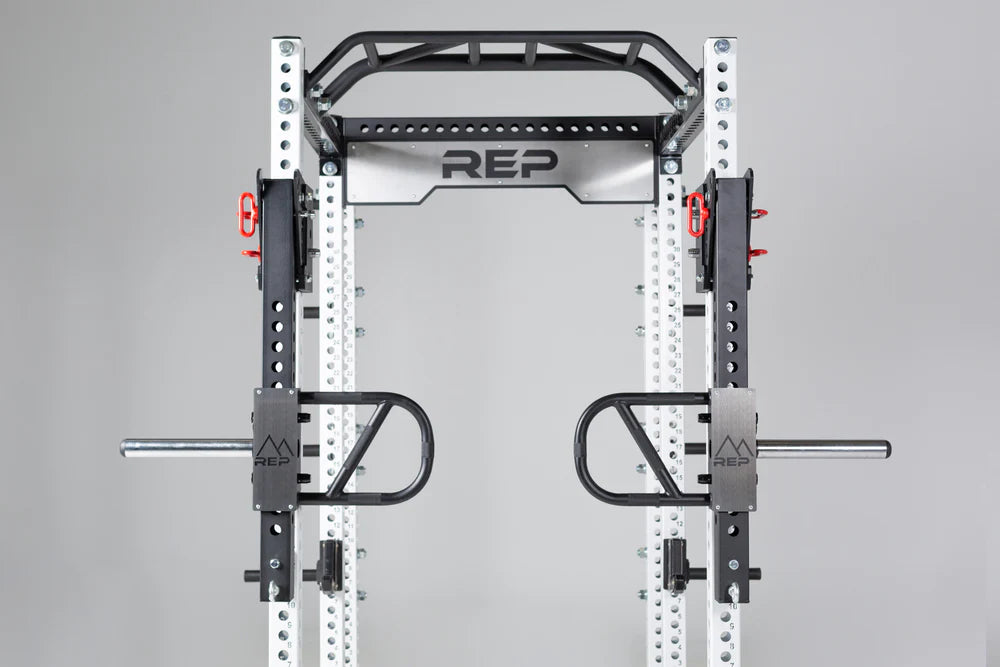
You can run an effective hybrid programme at home with a modest set-up. A strong foundation includes:
If you are putting a space together, our guide to using a complete home gym explains how to arrange and use it.
Doing both strength and endurance work raises your energy needs. Eating enough is essential, because under-fuelling is one of the most common reasons hybrid trainees stall.
If your goal is fat loss at the same time, keep the deficit moderate. Our guide to training during a cut explains how to protect muscle and performance.
Because you are training several qualities, recovery demands are higher. Prioritise sleep, ideally seven to nine hours a night. Include at least one full rest day weekly, and consider a lighter week every four to six weeks. Mobility work, gentle walking and good nutrition all help.
Watch for signs you are overdoing it: persistent fatigue, declining performance, poor sleep, an elevated resting heart rate or lingering aches. If you notice these, reduce volume for a week.
Progression in a hybrid plan works on two tracks. For strength, follow the same principle as any lifting programme: add a small amount of weight or one or two repetitions when you complete your target sets with good form. For endurance, increase your weekly volume by no more than about 10 percent at a time, whether that is minutes, distance or number of sessions.
Avoid progressing everything at once. In any given month, pick one area to push, such as adding a little weight to your squat or extending your long easy session, and hold the rest steady. Retest every six to eight weeks with simple benchmarks: a heaviest set of five on a main lift, a timed 2 km row or a 5 km run. Writing these numbers down shows you whether the balance of your training is working.
Hybrid sessions can be demanding on joints and tendons, so a proper warm-up is worth the time. Spend five to ten minutes raising your heart rate gently, then move through dynamic mobility for the hips, ankles, shoulders and thoracic spine. Before lifting, perform two or three lighter ramp-up sets. Finish hard sessions with a few minutes of easy movement and light stretching to help you wind down.
Doing too much too soon. Combining two training styles doubles the demands. Build gradually.
Running every session hard. If everything is intense, nothing recovers. Keep most work easy.
Neglecting strength. Many hybrid trainees drift towards endurance and lose strength. Keep your main lifts in the plan.
Neglecting endurance. The reverse also happens. Protect your cardio sessions in the calendar.
Under-eating. Hybrid training is energy-hungry. Fuel it properly.
Ignoring technique. Fatigue makes form slip. Keep your lifting technique crisp, particularly when tired.
Hybrid training suits beginners who want general fitness, recreational athletes who enjoy variety, people preparing for events, and anyone who wants health, strength and stamina rather than a single narrow goal. It is less suited to those aiming to maximise one specific area, such as a competitive powerlifter or elite marathon runner, though even they often include some of the other.
Hybrid training is about building a more complete body. Start with a balanced week, keep most cardio easy, protect your main lifts, eat enough, and prioritise recovery. Over time, you can adjust the balance depending on your goals.
If you are new to exercise or have any health concerns, consult your GP before beginning a new programme.