Nationwide Sales & Service - 01536 802333

Our Range
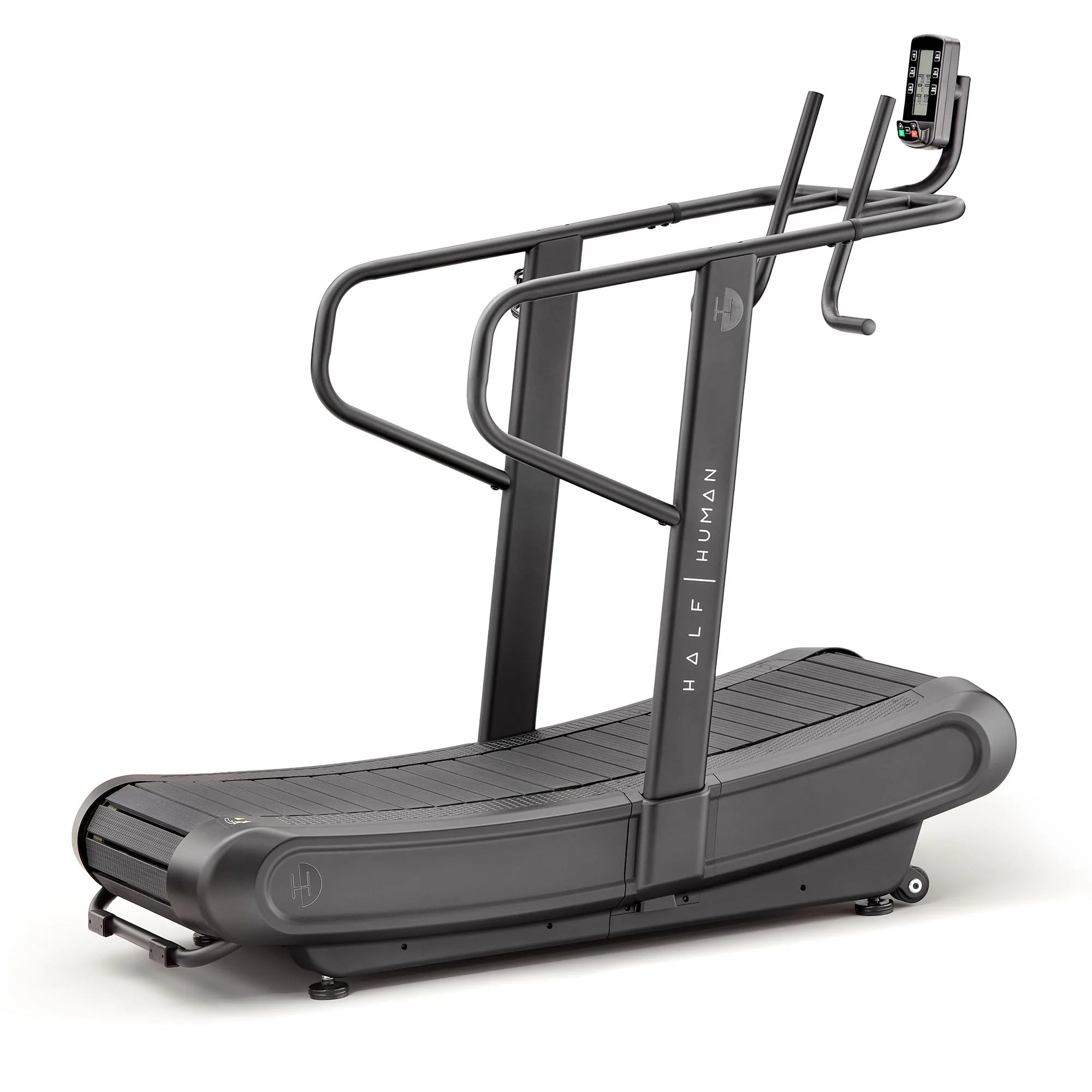
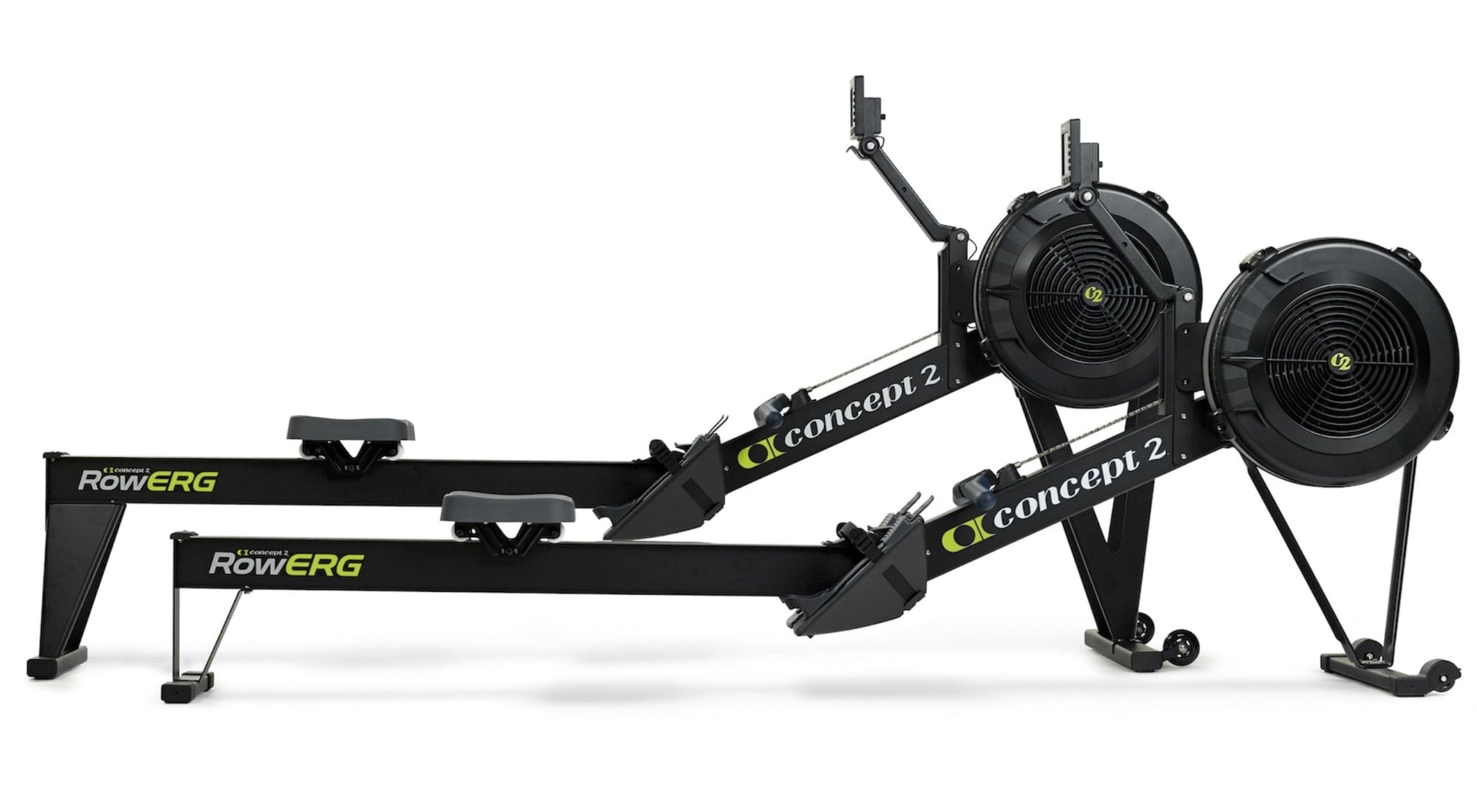
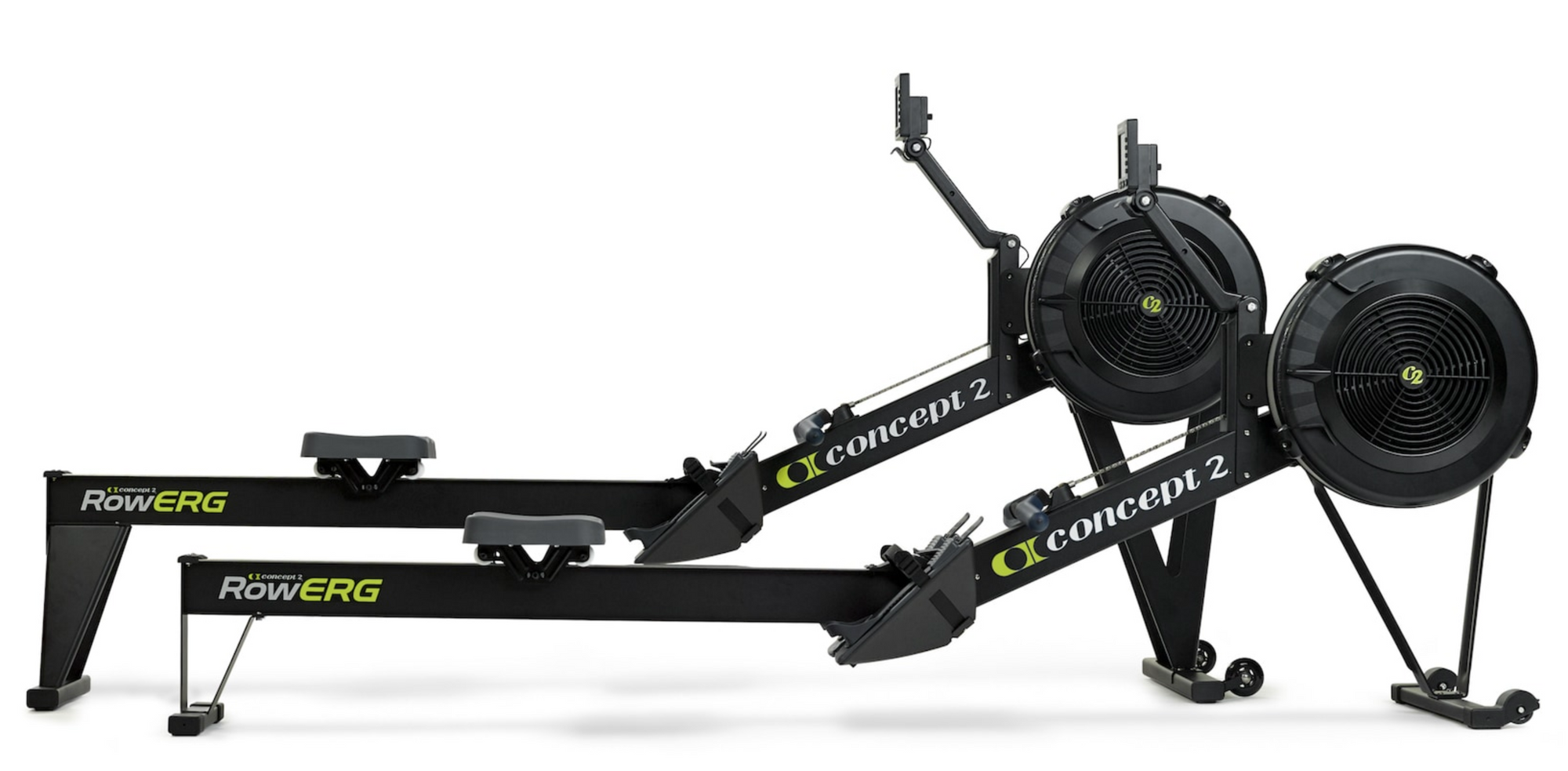
We offer a broad selection of Air Rowing Machines & Magnetic Rowers for sale with large immersive or traditional consoles. from Brands such as Nordic Track, Life Fitness, Spirit, Assault, Half Human also Technogym such as their Skillrow for home & commercial design projects,available either in stock or Pre Order if needed. Feel free to read our Rowing Machine Buying Guide to help you decide.


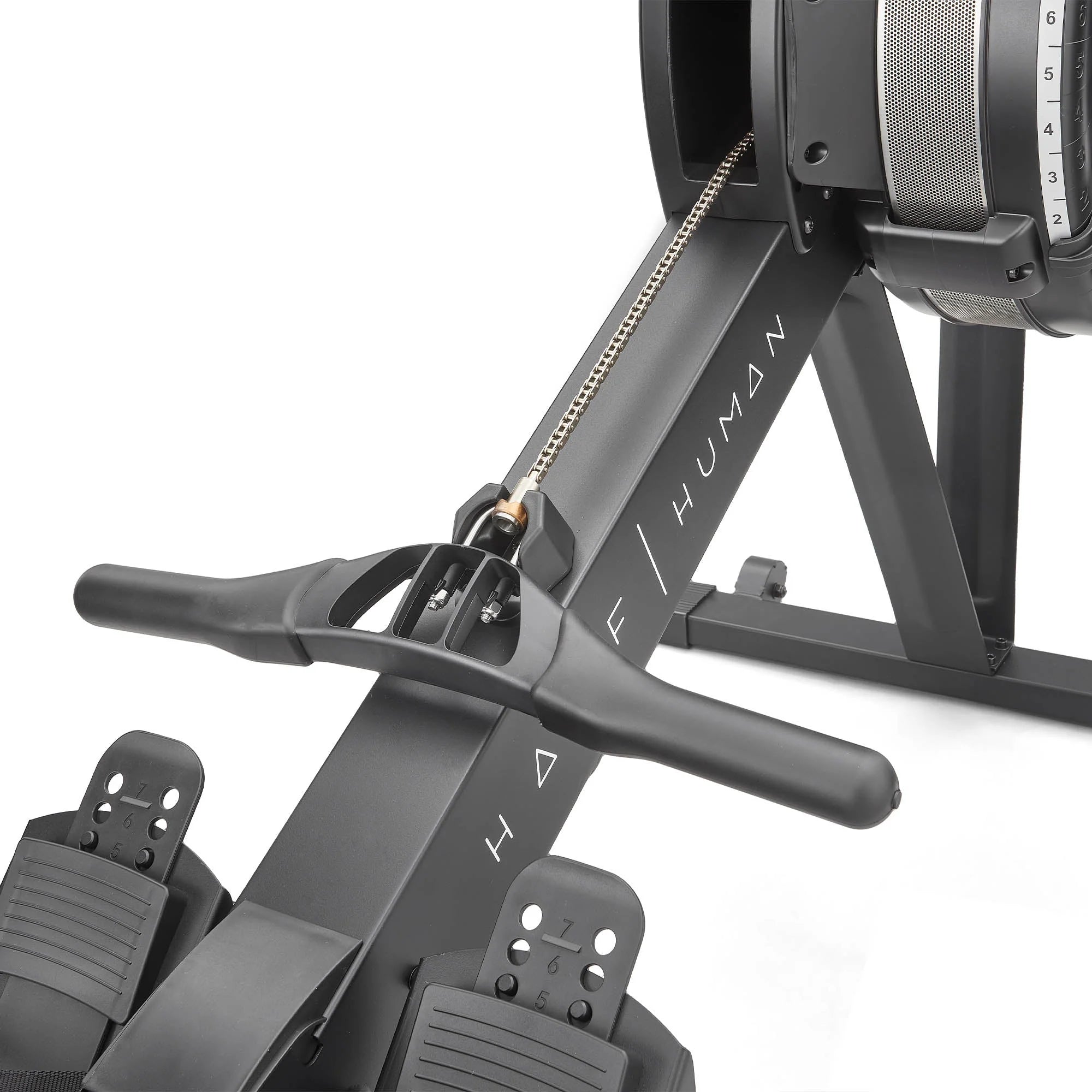
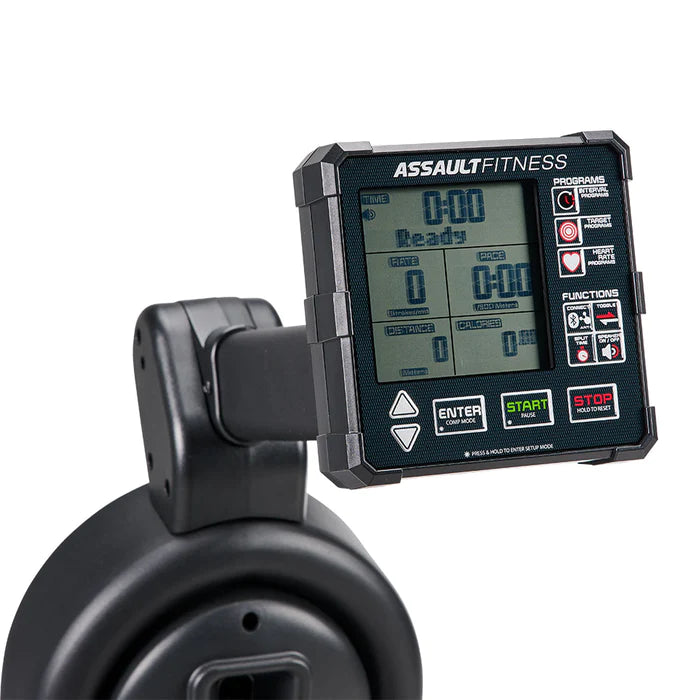
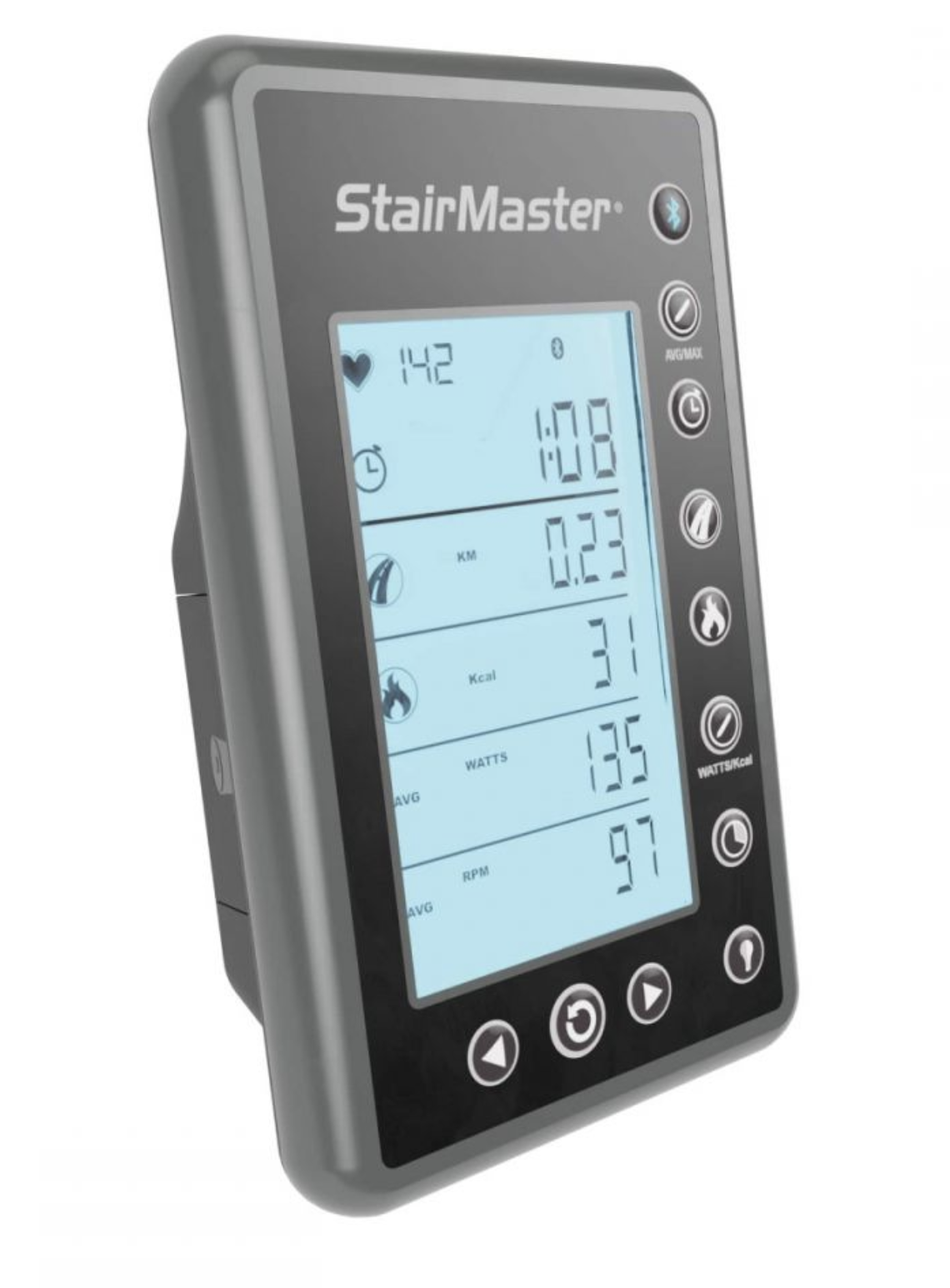
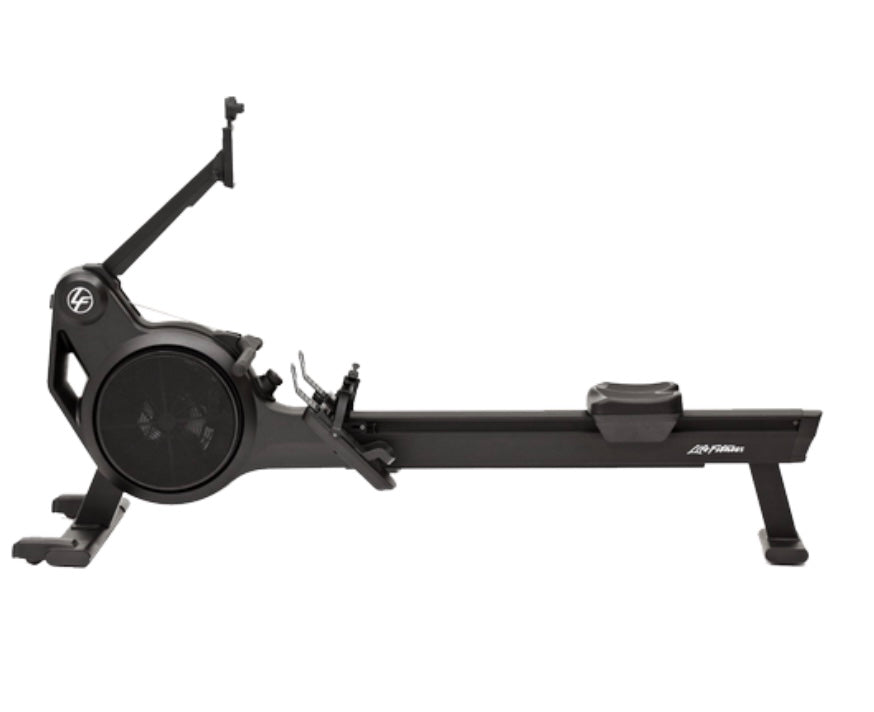
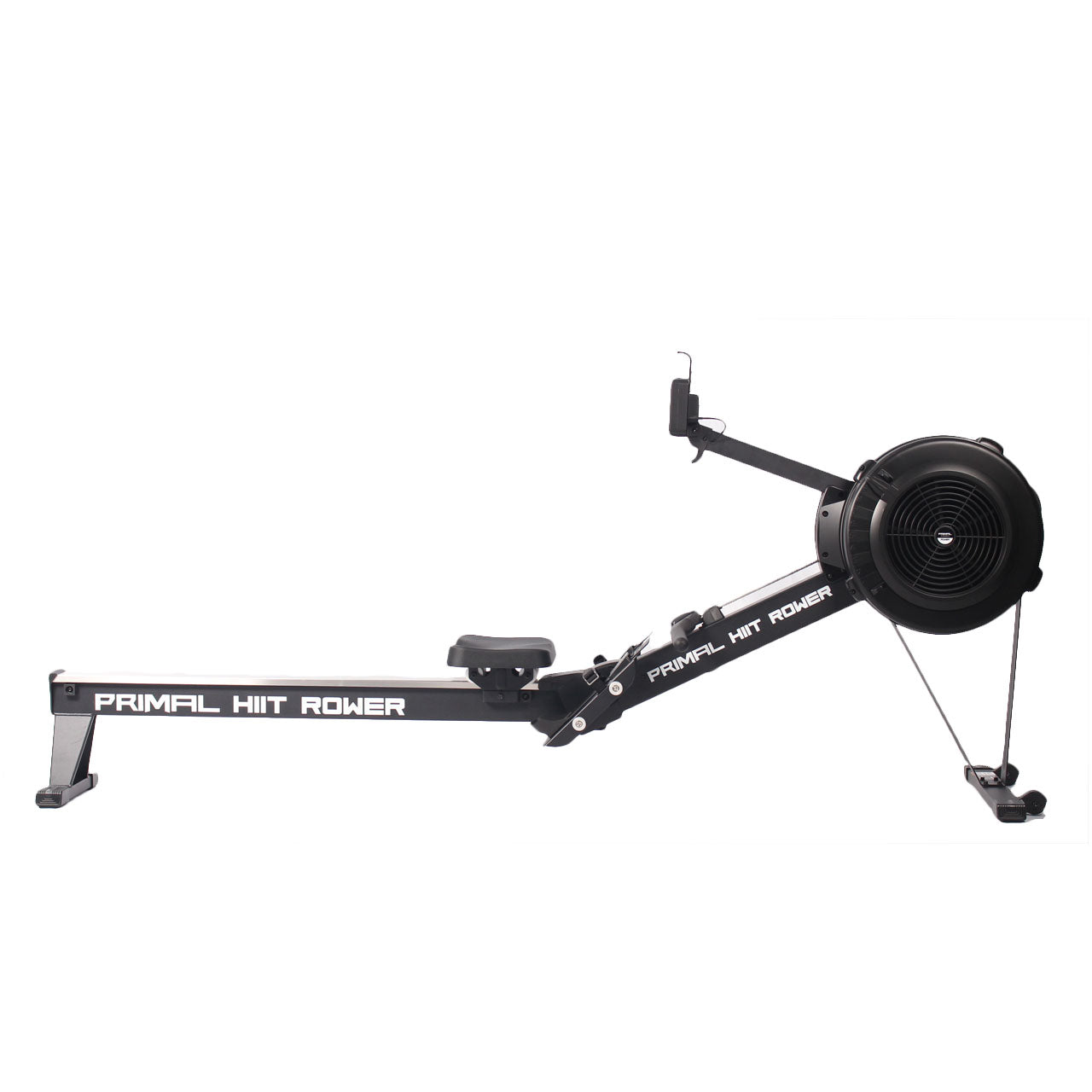

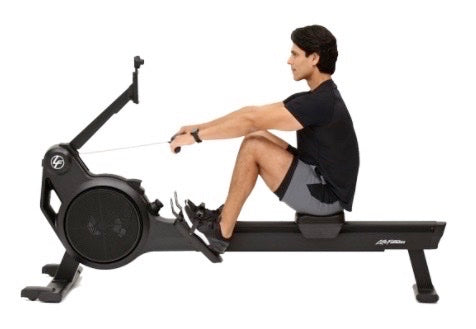
Air and magnetic rowers are two of the most popular types of indoor rowing machines, each offering distinct benefits, muscle engagement, and user experiences. Both types provide a comprehensive, low-impact workout targeting major muscle groups and promoting cardiovascular health.
Benefits of Air Rowers :
Benefits of Magnetic Rowers:
According to fitness experts, rowing uses roughly 65–75% leg involvement and 25–35% upper body per stroke.
Choose based on noise preference and workout goals: air rowers are noisy but closest to real rowing, magnetic rowers are quiet and adjustable.
Both types offer excellent low-impact workouts suitable for all fitness levels, but selecting between them depends on preferences for noise, budget, resistance feel, and available space.
How noisy are air rowers?
Air rowers generate a distinct "whooshing" noise from the spinning flywheel; they are generally louder than magnetic or water rowers but many users find the sound motivating or realistic.
How is resistance controlled on air rower?
Resistance increases as you row harder and faster; there is no manual adjustment dial. Some models use a damper lever to adjust how much air enters the flywheel cage, affecting the "feel" but not creating fixed resistance levels.
Are air rowers suitable for high-intensity workouts?
Yes, the dynamic resistance makes air rowers excellent for HIIT, power training, and competitive rowing simulations.
Do air rowers require much maintenance?
They are durable and low-maintenance. Keep the flywheel cage free of dust and debris to ensure consistent performance.
What is the “drag factor” on air rowers?
The drag factor (shown on some rower monitors) measures actual resistance and accounts for damper setting, air density, and cleanliness of the cage.
How quiet are magnetic rowers?
Magnetic rowers are very quiet because resistance comes from magnets and a flywheel—not moving air—making them ideal for home use near others.
How is resistance adjusted on magnetic rowing machines?
Resistance is set using a dial with fixed levels; it does not automatically respond to pull speed, making the workout consistent at any pace.
Are magnetic rowers suitable for all users?
Yes, they are beginner-friendly and often feature compact designs. However, very intense athletes may prefer the more dynamic resistance of air rowers.
What maintenance do magnetic rowers require?
Minimal. Periodic cleaning and checking for loose bolts are generally all that’s needed. The absence of fan blades means fewer moving parts subject to wear.