Different Cable Attachments, Exercises & Muscles Worked
Cable attachments transform a cable machine into one of the most versatile training tools in a gym. Each type of attachment targets different muscle groups through varied grip angles and pull paths, allowing precise isolation and balanced muscular development.
- Straight Bar - Used for bicep curls, tricep pushdowns, and upright rows, the straight bar primarily targets the biceps brachii, triceps, and deltoids. Changing hand position (overhand vs underhand grip) switches muscle emphasis between triceps and biceps.
- EZ Curl Bar - With its cambered design, the EZ curl bar offers a more ergonomic wrist position, reducing strain on the wrists and elbows. It is ideal for tricep pushdowns, bicep curls, and reverse curls, targeting the biceps, brachialis, and forearms.
- Rope Attachment - The tricep rope allows a neutral grip and flexibility during movements like face pulls, tricep extensions, and cable crunches. It works the triceps, rear deltoids, upper traps, and core, depending on the exercise.
- V-Bar - This attachment brings the hands closer together, emphasizing medial triceps heads, lats, and forearms. It is mainly used for seated rows, tricep pressdowns, and close-grip pulldowns.
- Single D-Handle - Single D-handles offer unilateral training for lat pulldowns, rows, chest flyes, and shoulder external rotations. They engage the lats, posterior deltoids, chest, and obliques, depending on plane of movement.
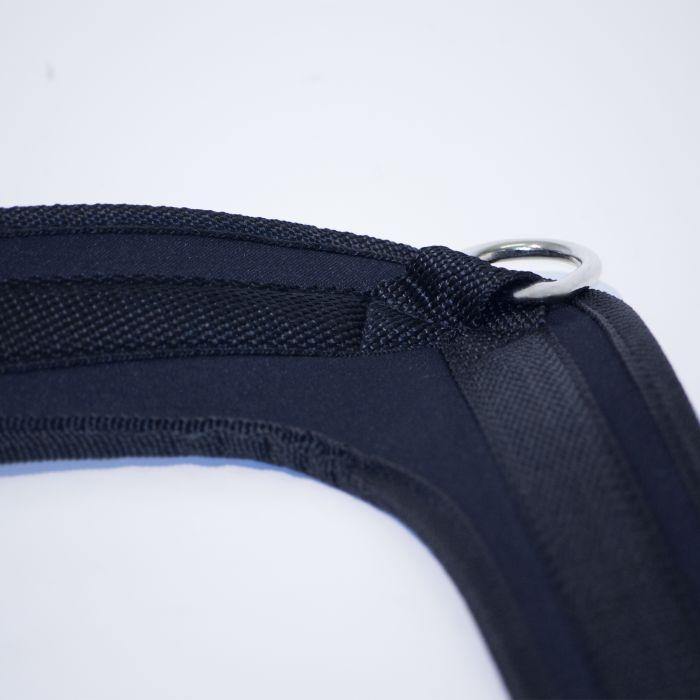
- Ankle Strap - Attached to the lower pulley, it enables leg-centric exercises like glute kickbacks, cable abductions, and leg curls, focusing on the gluteus maximus, hamstrings, and hip abductors.
- Lat Pulldown Bar - A long curved bar used for wide-grip pulldowns and seated rows, emphasizing the latissimus dorsi, teres major, and biceps. A reverse grip can recruit more biceps and lower lats.
- MAG Grips (Maximum Advantage Grip) - These ergonomic handles promote neutral or pronated grips to reduce wrist stress while maximising lat and upper back activation during rows and pulldowns. Specific variations target different angles of the back and teres muscles.
- Prime Spreader Bar - Specialised for rear delt work—notably face pulls—it engages the posterior deltoids, rhomboids, and external rotators.
- Tricep Press Bar (or Revolving Bar) - This rotating short bar isolates the triceps brachii during pushdowns while maintaining consistent tension across ranges of motion.
Cable Machine Attachments Buying Tips
Define your training goal
- For muscle growth (hypertrophy): Choose attachments allowing long ranges of motion and adjustable angles — such as tricep ropes, EZ curl bars, and D-handles. These promote isolation with constant tension.
- For strength training: Opt for fixed, sturdy grips such as V-bars, straight bars, or lat pulldown bars that enhance form control and support heavy loads.
- For athletic or functional work: Use ankle straps, Pallof press attachments, or handles with rotation to train stability and anti-rotation.
Check grip comfort and material
- Favour rubberised or knurled grips for improved traction and comfort.
- Chrome-plated or stainless steel finishes provide durability and a smoother cable glide for longevity.
- Prioritize rotating or swivel joints
- A 360° rotating swivel reduces cable twisting, allowing smoother motion and less wear on cables and attachments.
- Assess handle geometry
- Neutral grips (found in V-bars and MAG grips) reduce wrist strain and engage lats more evenly.
- Supinated/pronated grips (EZ or straight bars) alter stress distribution across forearms and target different muscle heads.
Attachment compatibility
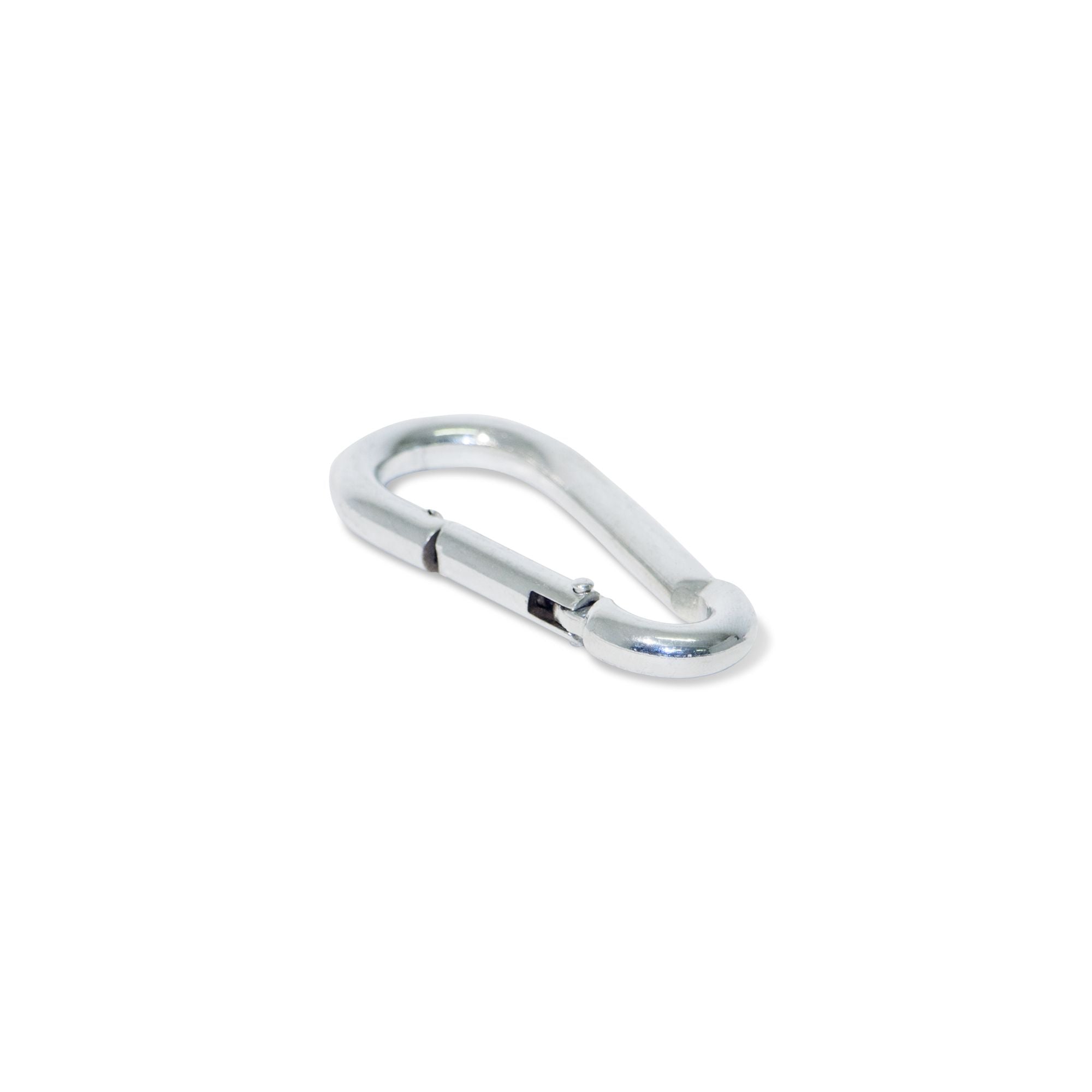
- Confirm the carabiner hole size fits your machine’s pulley clip.
- Multi-gym, power rack add-on, and crossover trainers may require specific connection depths.
FAQs for Cable Attachments
1. How many cable attachments should I start with?
Begin with 3–5 core attachments: a tricep rope, straight or EZ bar, D-handle pair, V-bar, and ankle straps. This covers upper and lower body training essentials.
2. Are cable attachments universal?
Yes—most use a standard carabiner clip system, though some brands produce proprietary fittings. Always verify dimensions.
3. What makes premium attachments worth the cost?
Higher-end attachments have smoother bearings, ergonomic angles, anti-slip grips, and balanced steel construction that enhance feel and longevity.
4. What’s the best material for long-lasting attachments?
Chrome-plated steel and knurled aluminum resist corrosion and scratching. Avoid plastic-grip handles, which can degrade with heavy use.
5. Can I mix attachments from different brands?
Yes, provided the clip size (usually 6–8 mm) and load rating are compatible with your pulley weight range.
In summary: choose attachments that match your goals (isolation, compound strength, or mobility), ensure they feature durable construction and ergonomic designs, and verify machine compatibility. Investing in quality steel attachments with rotating joints and comfortable grips ensures smoother performance, longer equipment life, and consistent muscle engagement across every workout.