Nationwide Sales & Service - 01536 802333

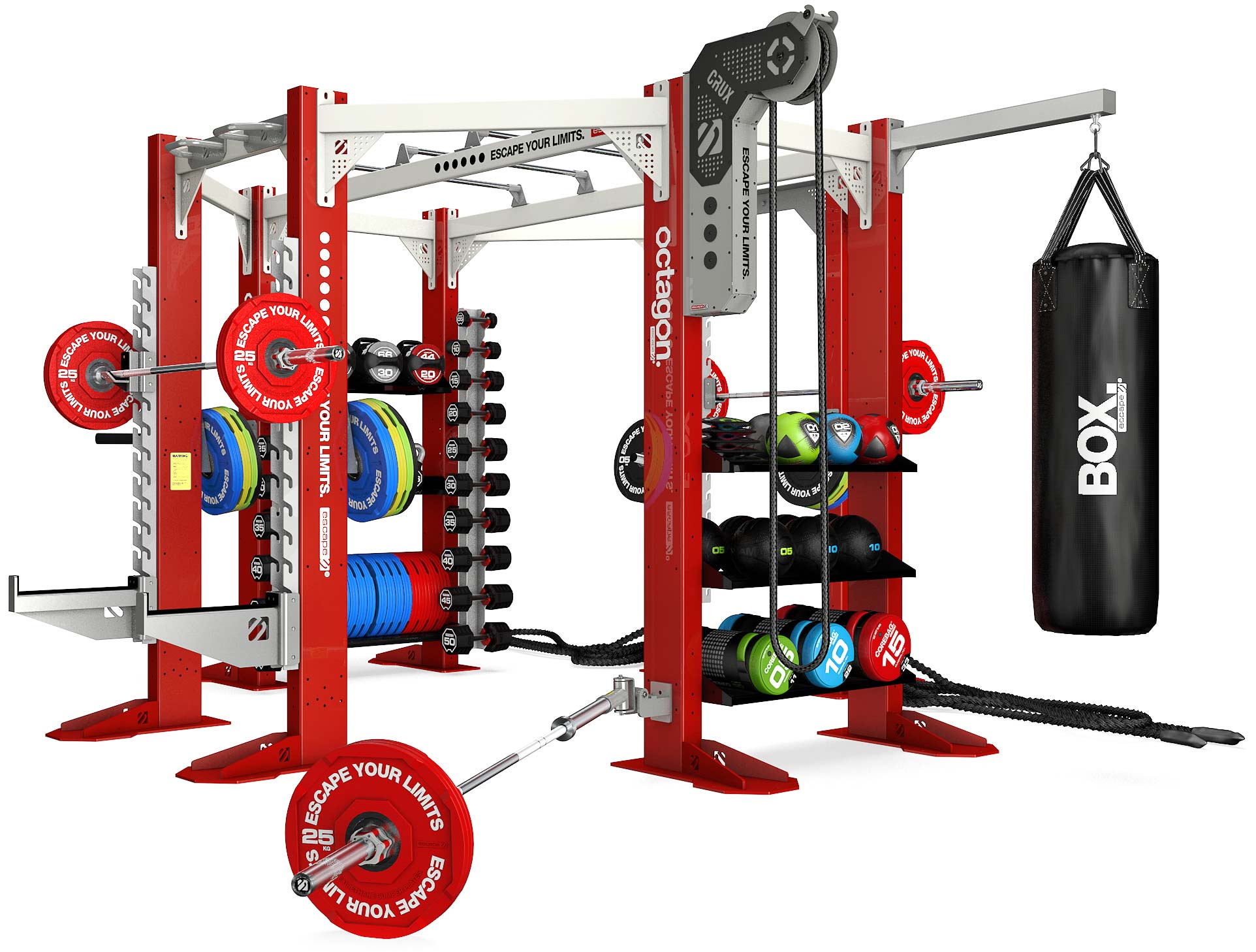
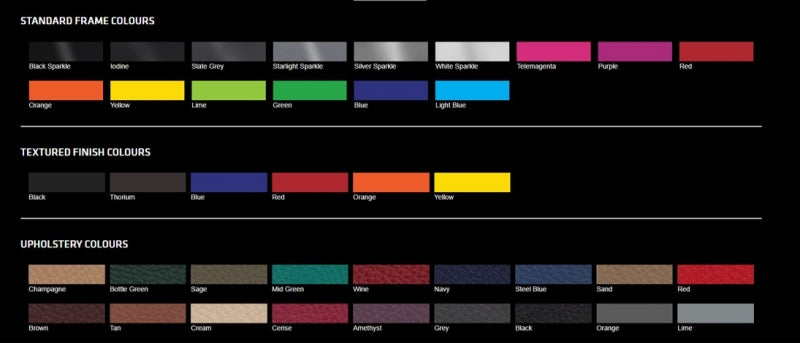
Its vital for durability to choose a quality gym rig, for your commercial gym design or space. So if your considering a CrossFit Gym Rig or Functional Rig, either free standing or wall mount Gym Rigs with some standard versions to add attachments, through to total customising, modular size, colourations and attachments to suit your space we can help.
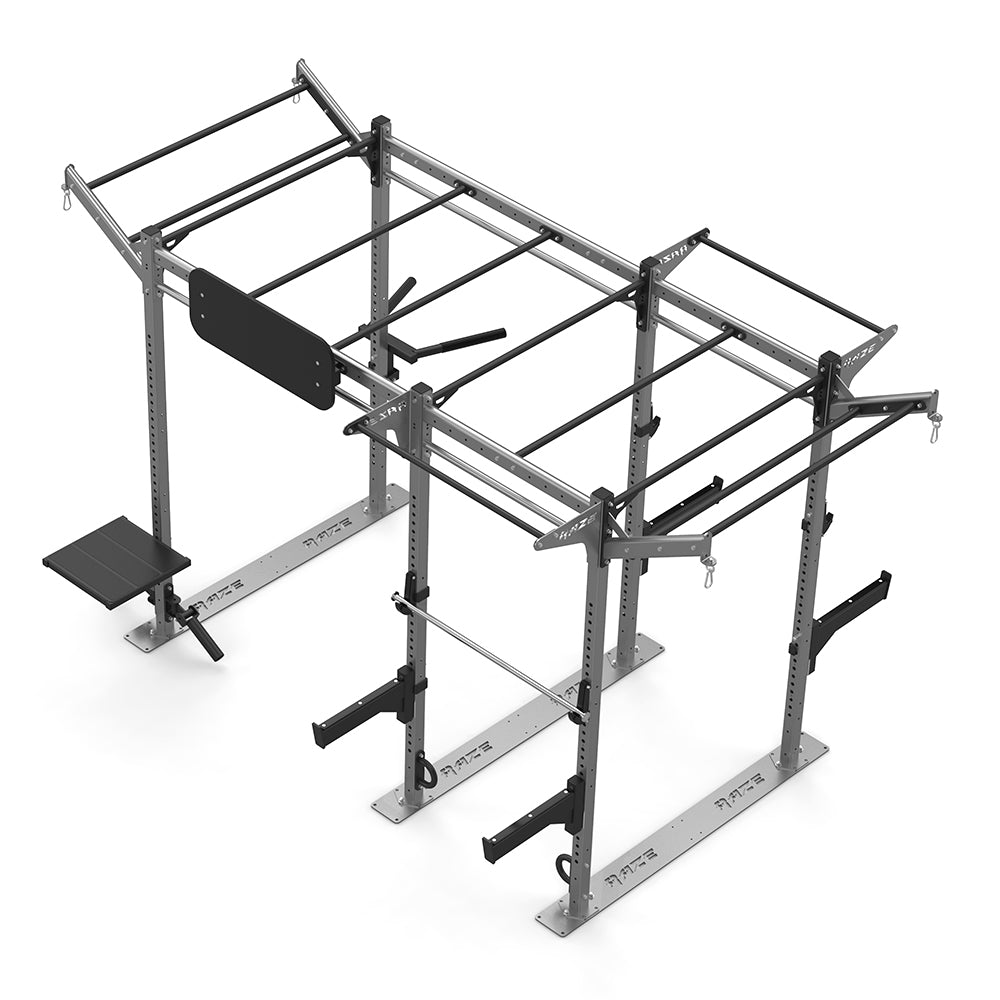
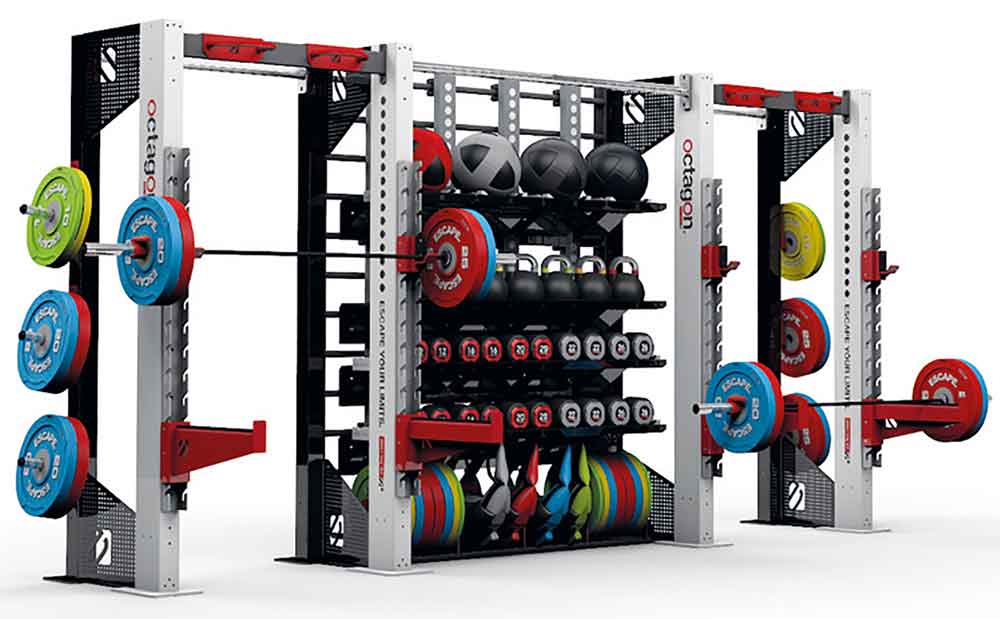
We are fortunate to be able to supply the leading Rig brands such as Primal, Life Fitness, Escape, Watson, Raze & Jordan . If you need further help read our Building the Ideal Gym Rig article.
Its vital for durability to choose a quality gym rig, for your commercial gym design or space. So if your considering a CrossFit Gym Rig or Functional Rig, either free standing or wall mount Gym Rigs with some standard versions to add attachments, through to total customising, modular size, colourations and attachments to suit your space we can help.
We are fortunate to be able to supply the leading Rig brands such as Primal, Life Fitness, Escape, Watson, Raze & Jordan . If you need further help read our Building the Ideal Gym Rig article.

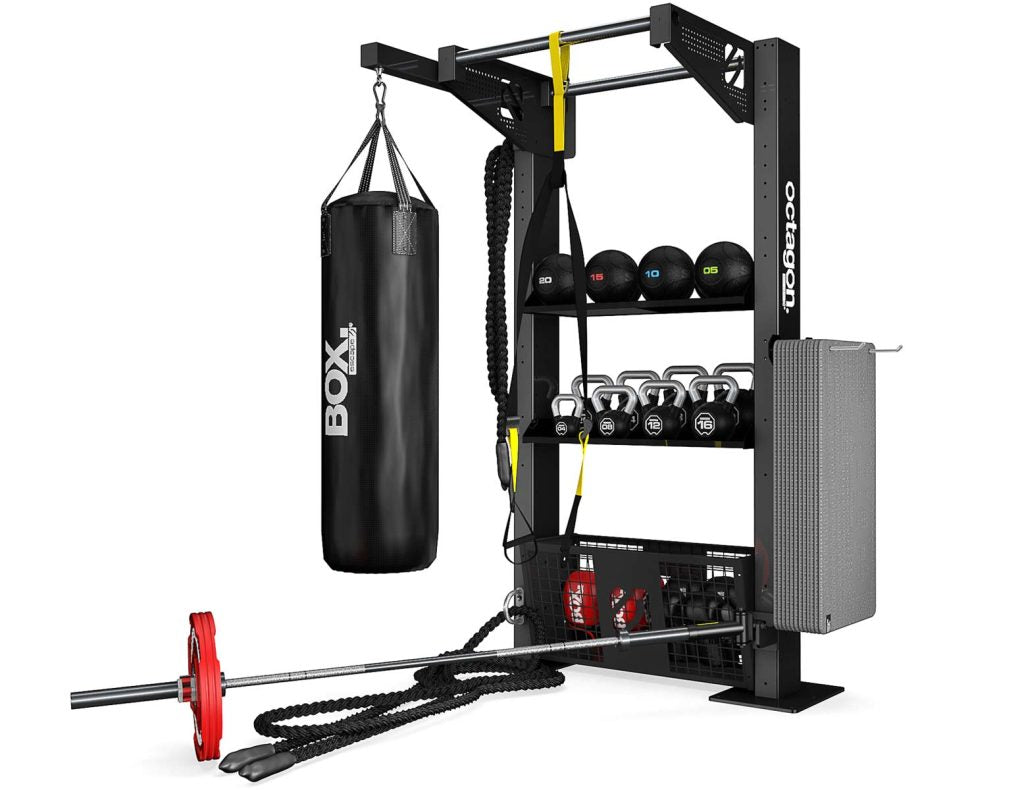
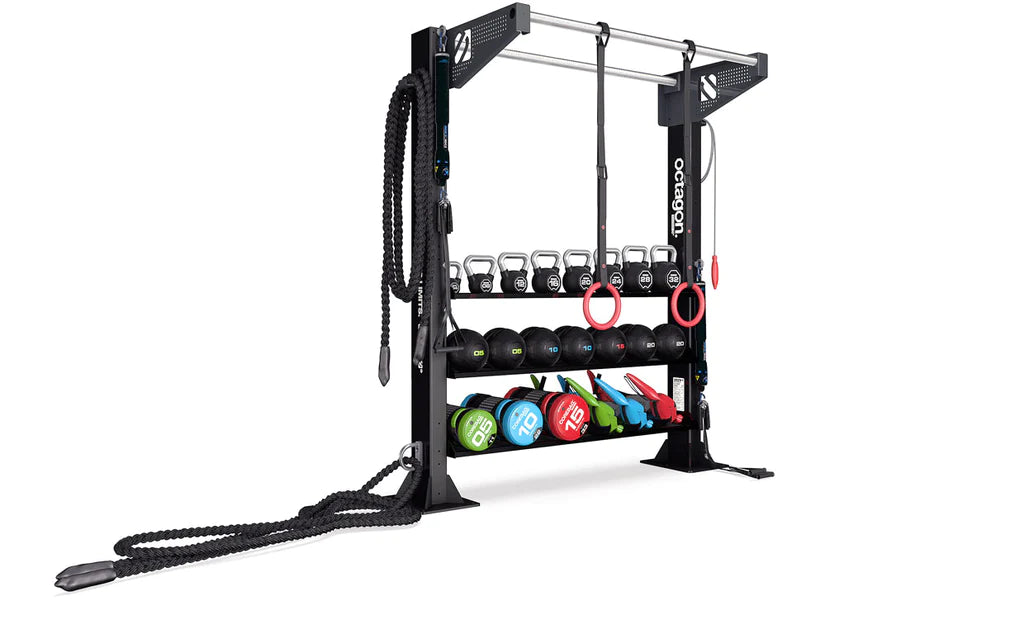
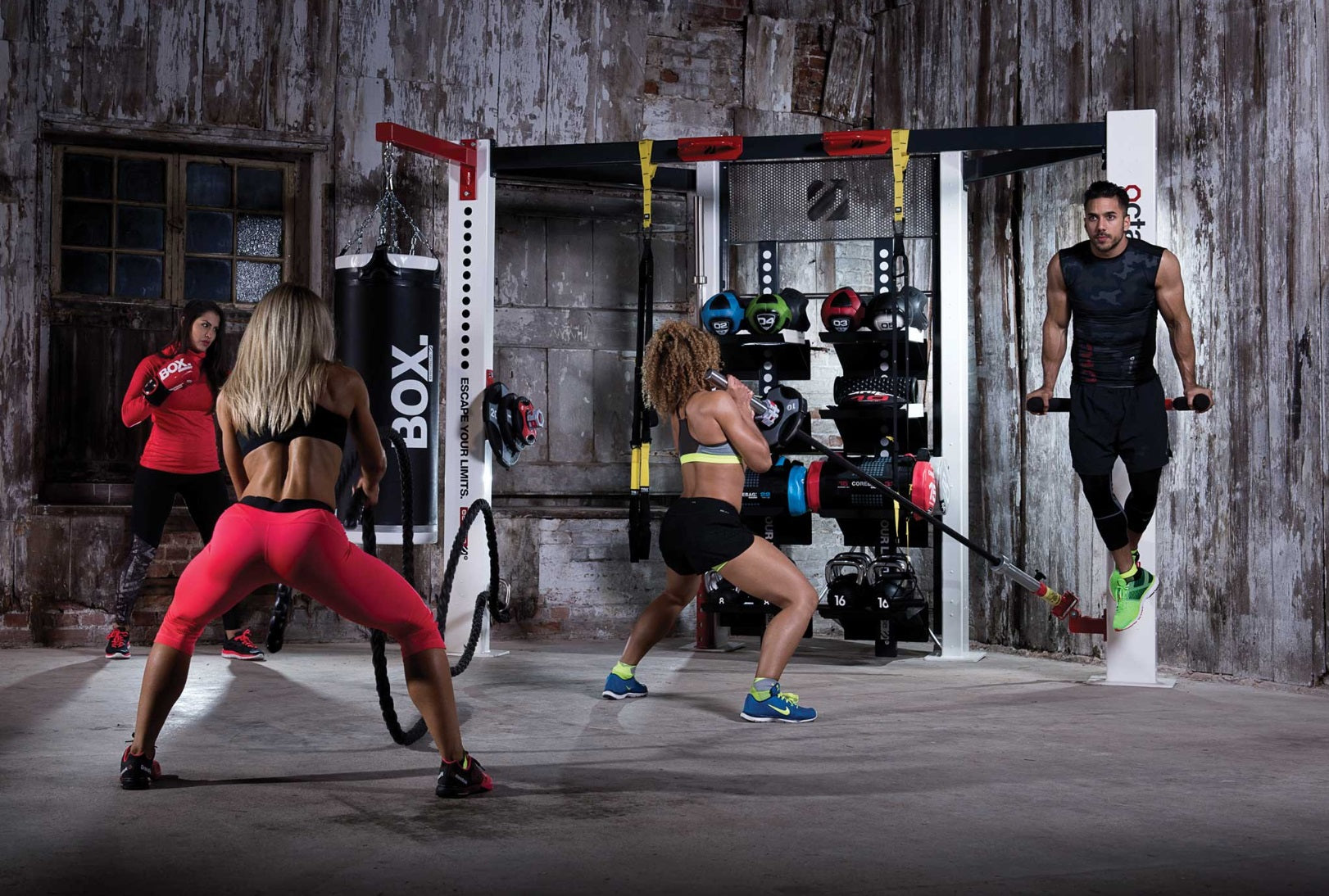
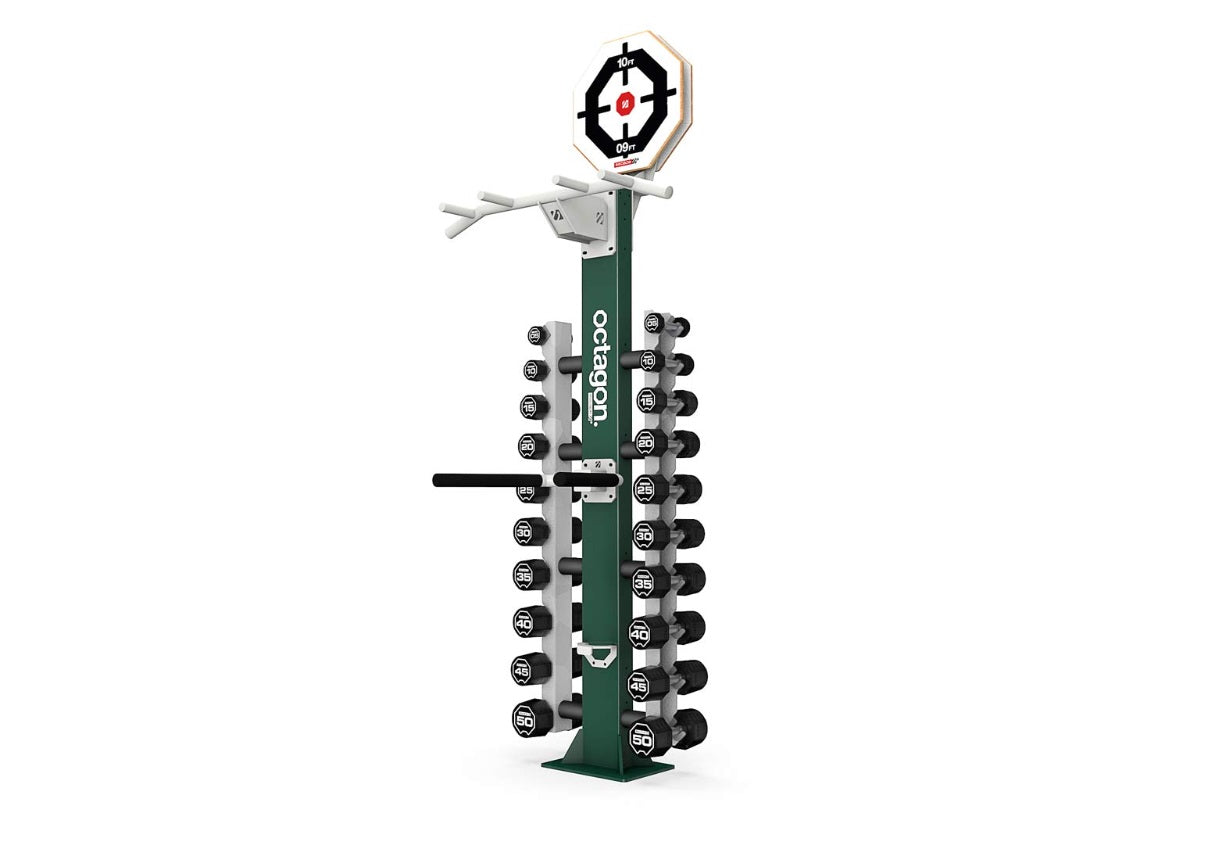
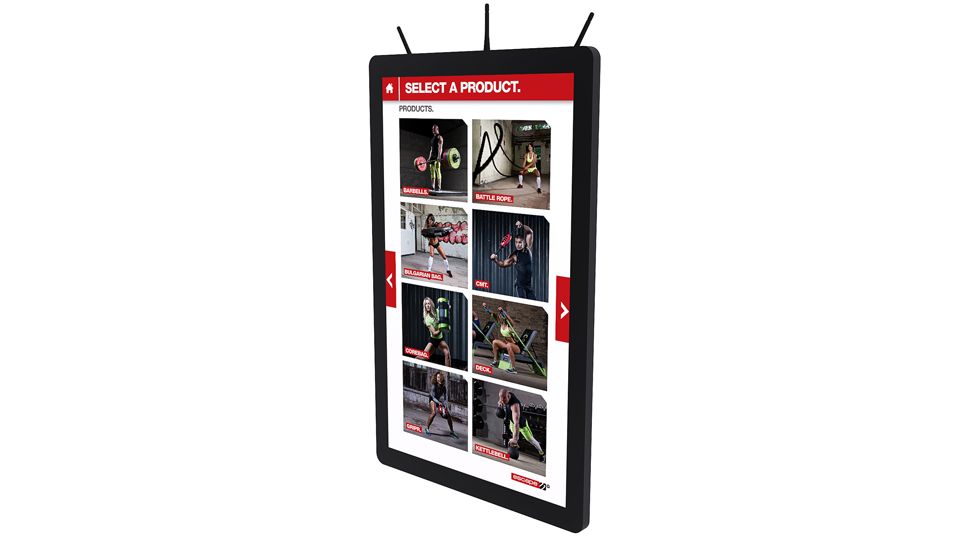
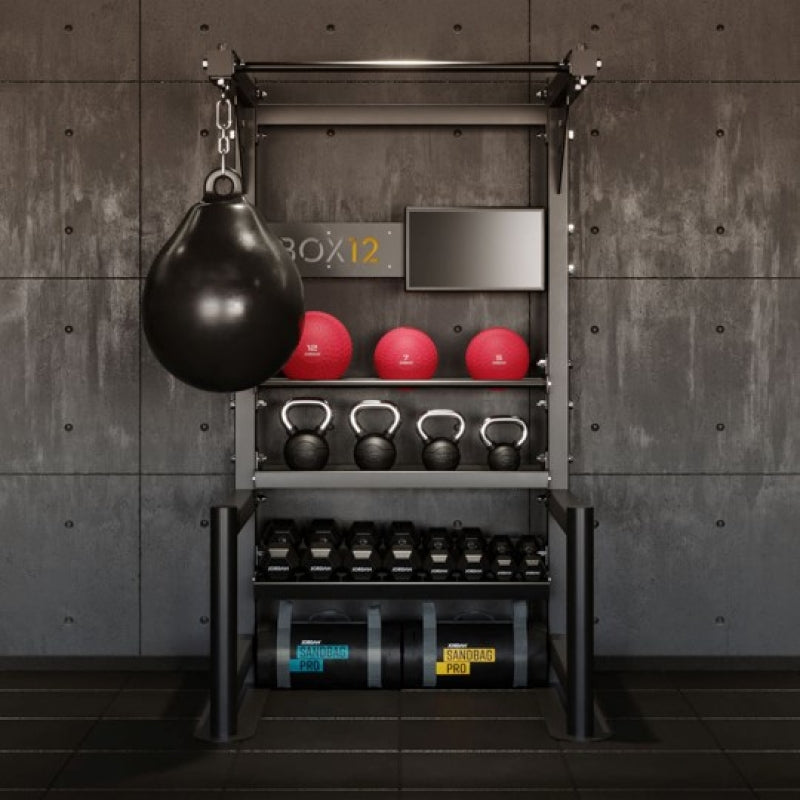
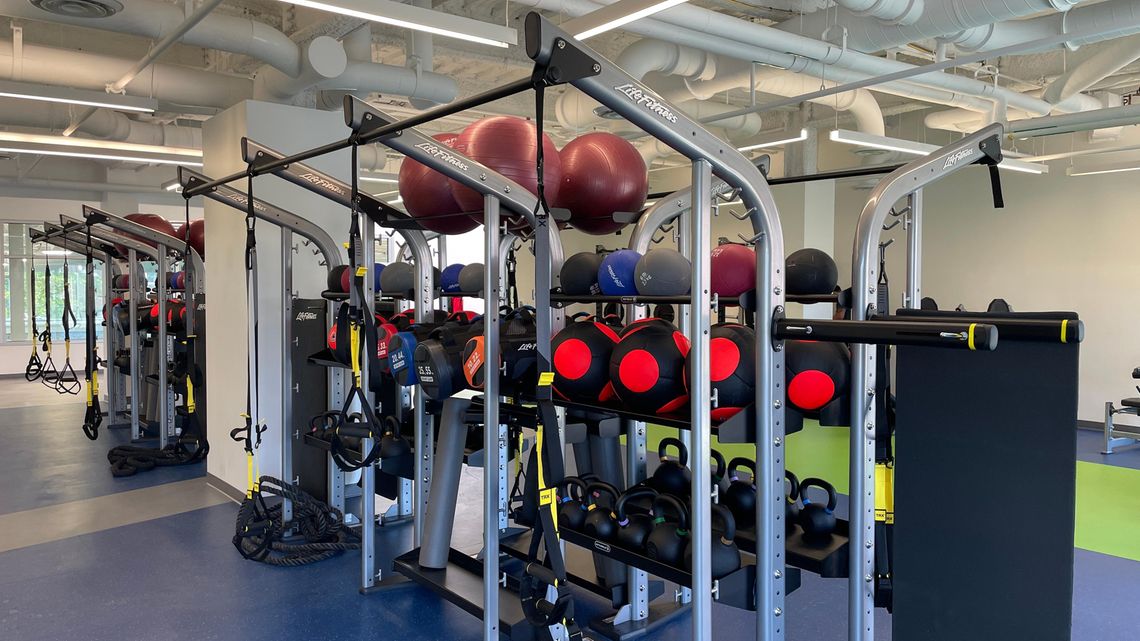
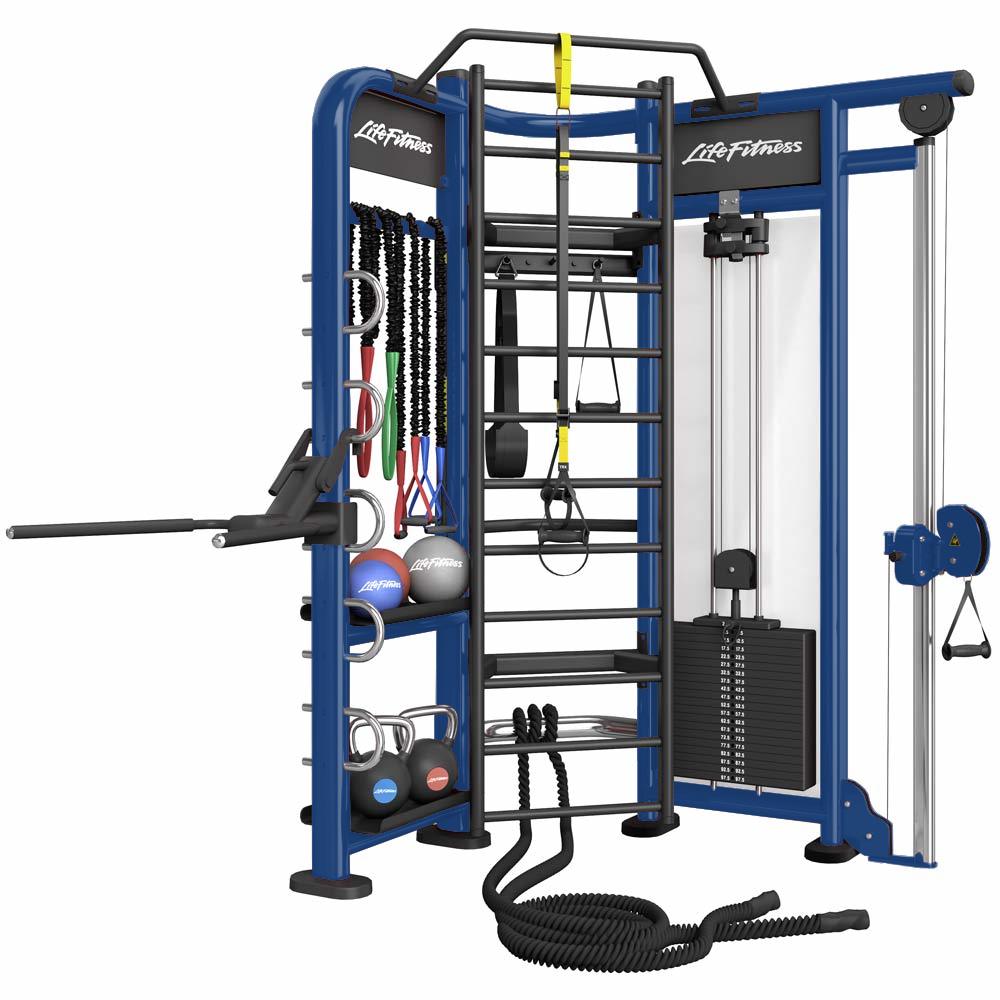
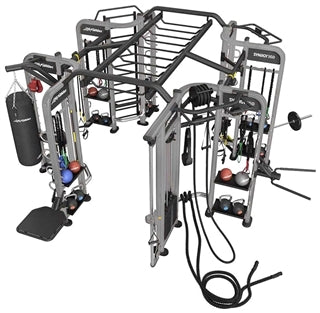
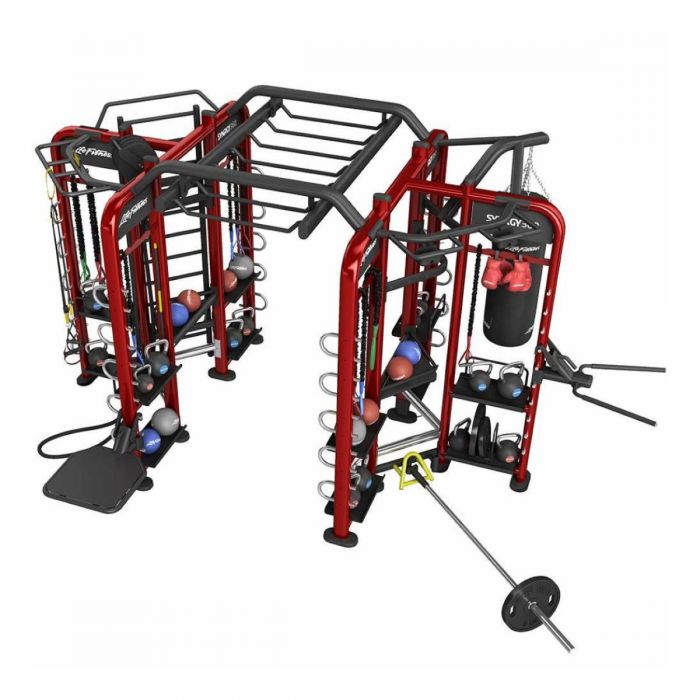
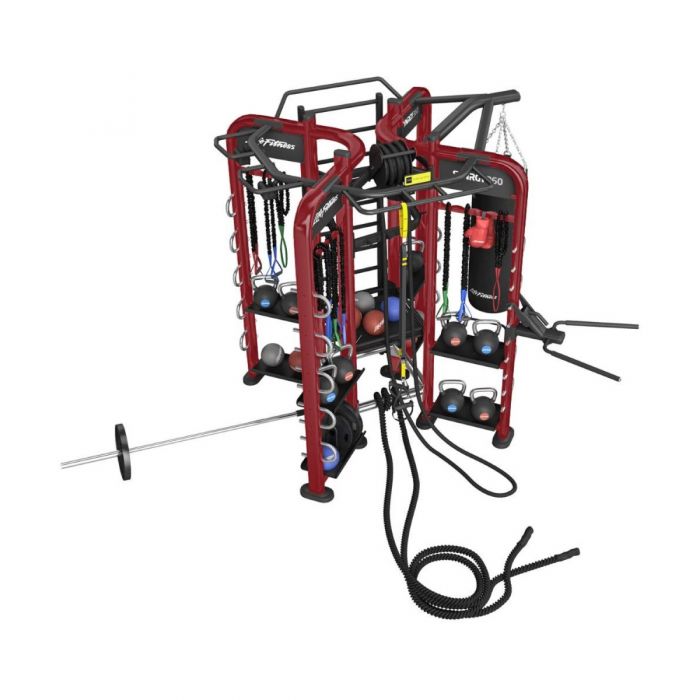
Viewing 16 out of 23 products
Load MoreFunctional rigs provide wide-ranging advantages:
Functional rigs serve as central hubs for entire gym zones. Common applications include:
Key factors when purchasing a functional rig:
Overall, a well-designed functional rig is a long-term investment that turns a section of the gym into a multi-purpose, space-efficient, and future-proof training hub adaptable to evolving fitness demands
What’s the difference between a freestanding and a wall-mounted rig?
How much space do I need for a rig?
Most freestanding rigs require around 5–8 m² of floor space, with at least 3 m ceiling height for full pull-up and rope climb use. Wall-mounted rigs can fit closer to boundaries but still need clear movement zones around them.
Can I customize a rig?
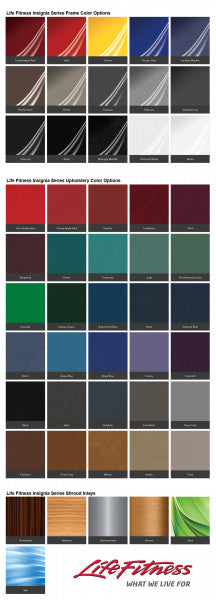
Yes. Most manufacturers offer accessory options like monkey bars, dip bars, storage modules, rope anchors, and even custom branding with laser-cut logos or powder-coated finishes.
What materials and specs should I look for?
Choose rigs constructed from heavy-duty 11‑gauge steel, with welded joints, 10 mm reinforced endplates, and powder-coated finishes for durability. Anchoring is essential for safety and to prevent movement during heavy use.
How many users can train on one rig?
A single-cell rig suits one or two users, while multi-cell rigs can handle 6–12 users simultaneously—ideal for group or class-based training.
Are rigs suitable for home gyms?
Yes, compact rigs are available for garage or basement gyms. However, space and ceiling height must be sufficient, and proper wall or floor mounting is required for safety.