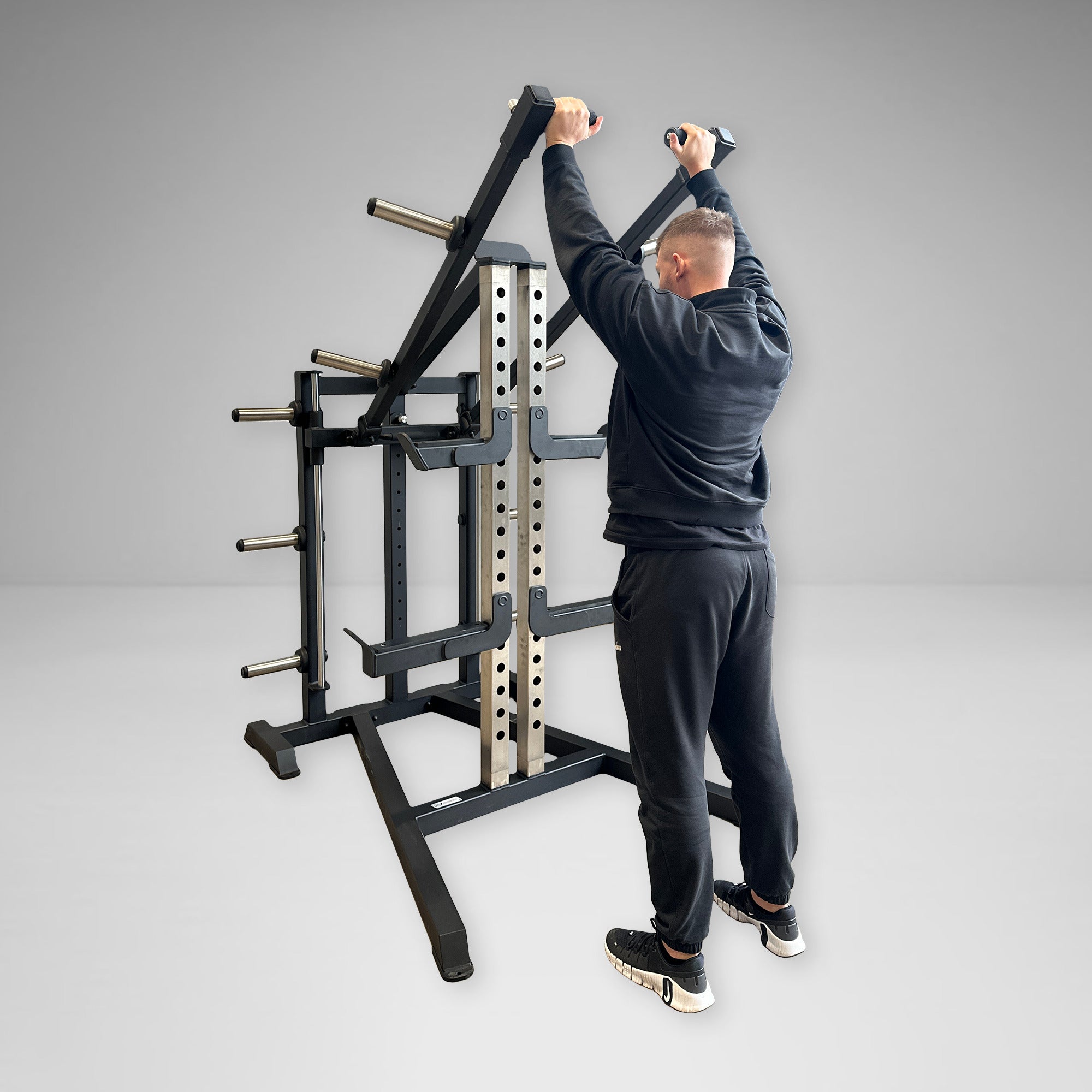
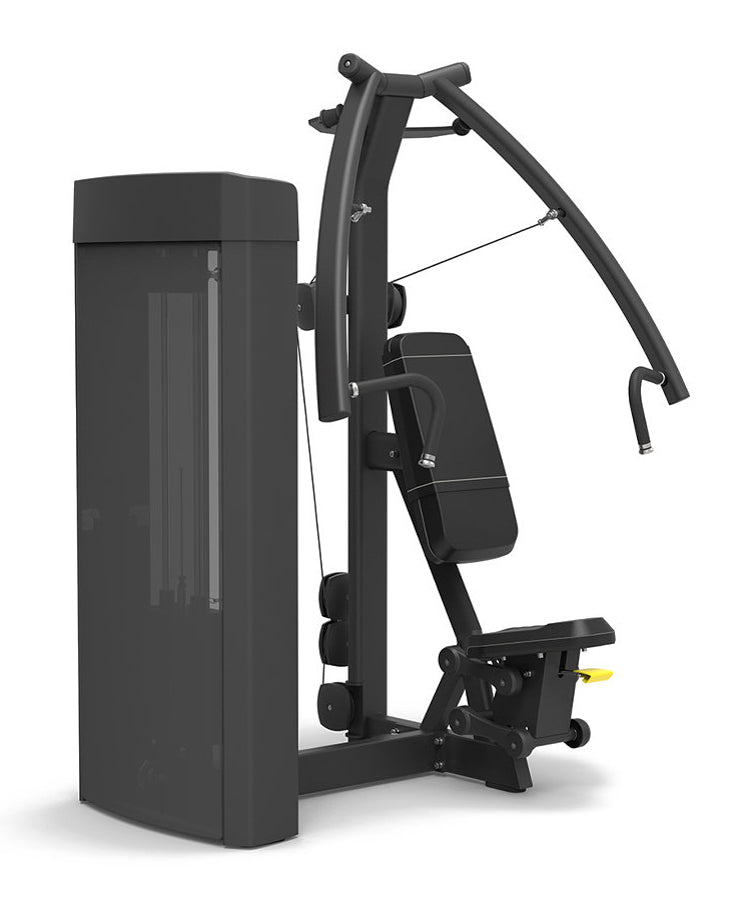
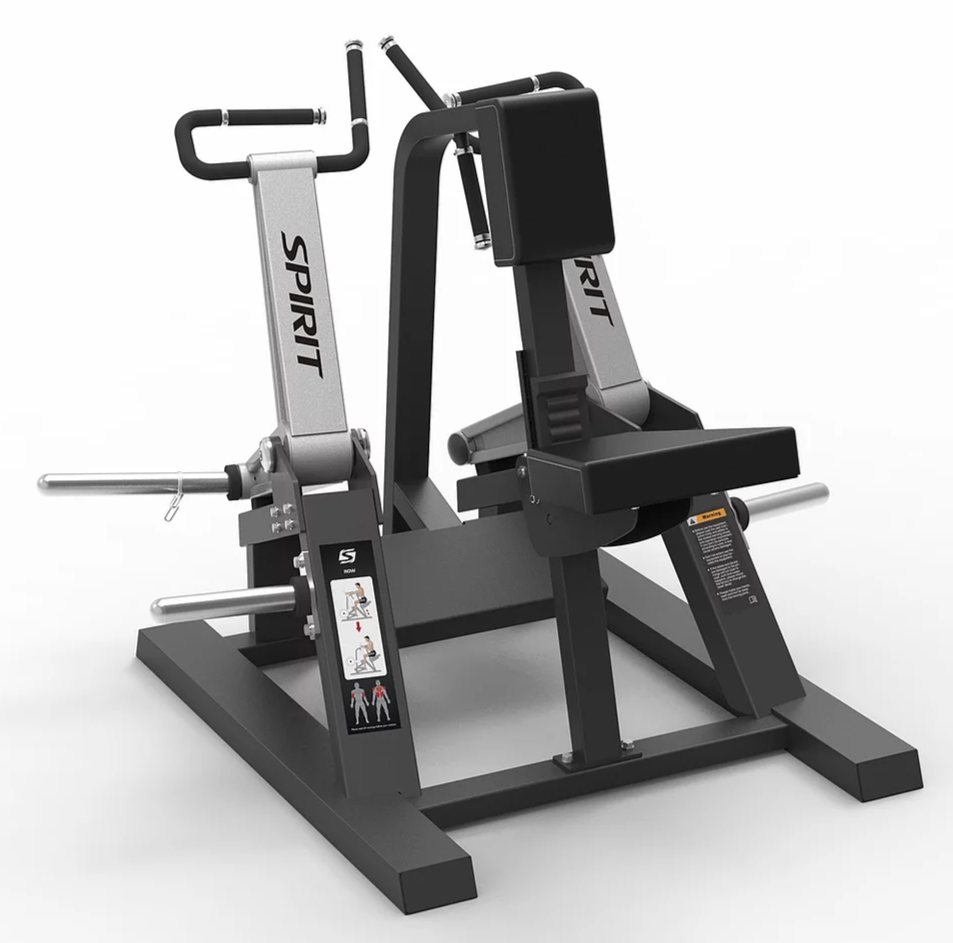
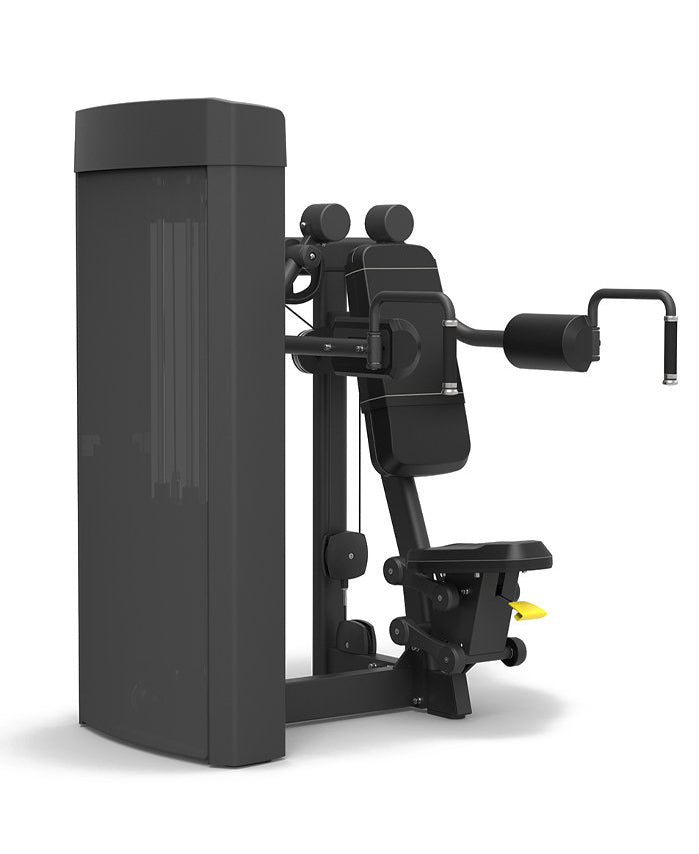
The lateral raise machine is a specialised gym machine designed for targeted shoulder development, offering stable, isolated movement that prioritises hypertrophy and aesthetics of the lateral deltoids. Compared to dumbbell or cable lateral raise variations, the lateral raises machine delivers consistent resistance and easier form control, making it particularly beneficial for beginners, those seeking injury prevention, or users focusing on pure side delt isolation.
Benefits of the Lateral Raise Machine
- Direct activation of lateral deltoid fibers for enhanced shoulder width and rounded appearance.
- Improved shoulder stability and overall posture, as stronger deltoids help support healthy alignments of the upper body.
- Safer, more accessible training due to guided motion and torso padding, reducing swinging/cheating and minimising strain on joints.
- Consistent tension through full range of motion, optimizing muscle development especially for those prioritising shoulder shape or rehabilitative progress.
- Excellent tool for beginners or those working around injuries, as less stabilisation is required compared to free weights.
Muscles Used with Lateral Raise Machines
- Lateral (Middle) Deltoid: Primary mover, responsible for shoulder abduction (lifting arm out to the side).
- Anterior and Posterior Deltoids: Support the movement, stabilizing the shoulder throughout the arc; additionally contribute to overall shoulder girth and stability.
- Trapezius (Upper and Middle): Engaged for scapular stabilization, keeping shoulders level and helping guide arm motion.
- Supraspinatus (Rotator Cuff): Initiates arm lift and works to stabilize the joint during abduction.
- Triceps Brachii: Provides minor support for elbow extension without direct loading.
- Core Muscles: Help maintain upright posture, but are minimally involved due to machine back/torso support.
How To Use a Lateral Raises Machine Correctly
- Adjust the seat so the pads/handles align just above the elbows with arms at sides, keeping elbows lightly bent throughout movement.
- Grip the handles or position forearms against pads; in the machine, chest should rest firmly against the torso pad to minimize torsional cheating.
- Raise arms outwards in a semicircular arc, moving elbows upward and slightly forward—ideally in the scapular plane (about 45 degrees forward of true lateral)—to maximize side delt engagement and shoulder comfort.
- Pause briefly at the top for maximal contraction, then lower arms gradually under control without letting weights slam down or relaxing tension.
Form is key: avoid swinging torso or using traps to 'cheat' the movement; keep body still and movement strict.
Buying Tips for Lateral Raise Machines
- Adjustability: Prioritise models with adjustable seat height, pad position, and range of motion stops to ensure ergonomic fit for all user sizes.
- Comfort/Build Quality: Look for substantial padding, smooth arm movement, and secure torso support—all of which protect shoulder joints and wrists.
- Footprint: Seated lateral raise machines are commonly more compact than standing plate-loaded alternatives; check dimensions for facility space.
- Resistance System: Choose between pin-loaded selectorised weights for quick change, or plate-loaded for heavy commercial use and longevity.
- Brand Reputation: Select reputable brands offering high-quality bearings, robust construction, and proven biomechanical design to prevent discomfort and breakdowns.
- Dual Functionality: Some machines also offer rear delt (reverse fly) options for extra versatility; consider if dual-use fits gym programming needs.
- Maintenance and Warranty: Confirm access to parts, service intervals, and robust warranty on frame, pads, and moving parts—important for commercial operation.
A well-chosen lateral raise machine provides targeted delt isolation, excellent safety, and efficient equipment utilisation for gyms or studios aiming to deliver advanced shoulder training and aesthetics