Nationwide Sales & Service - 01536 802333

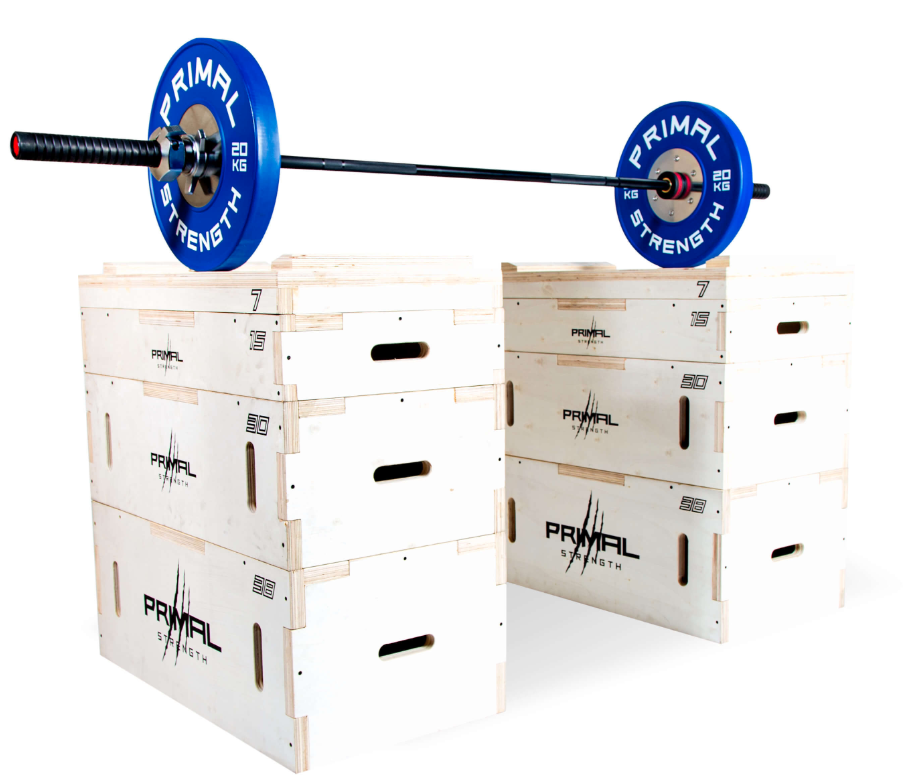
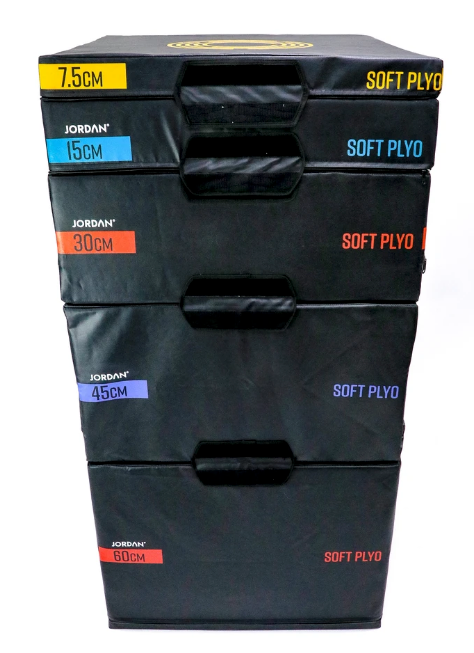
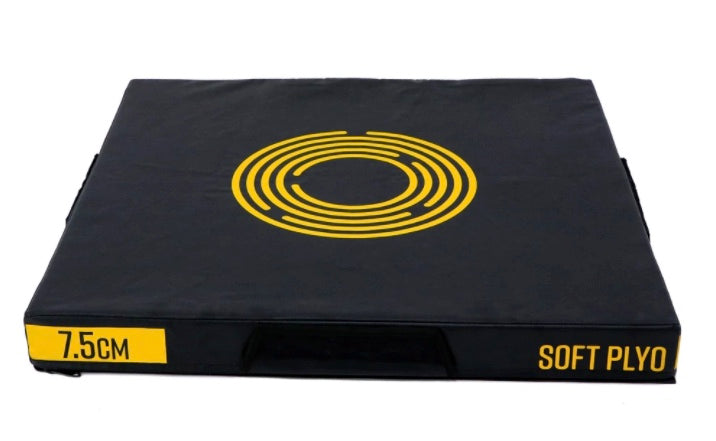
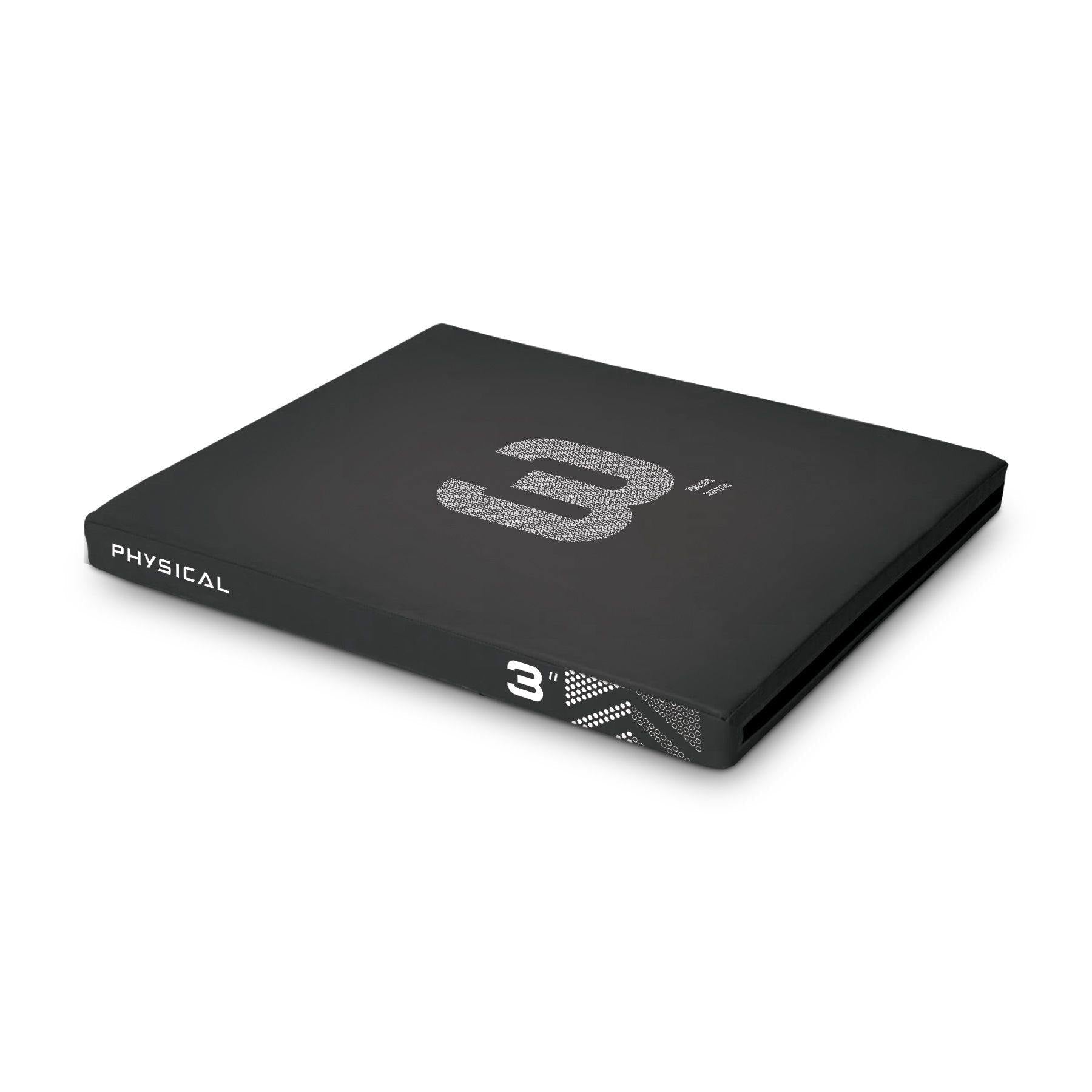
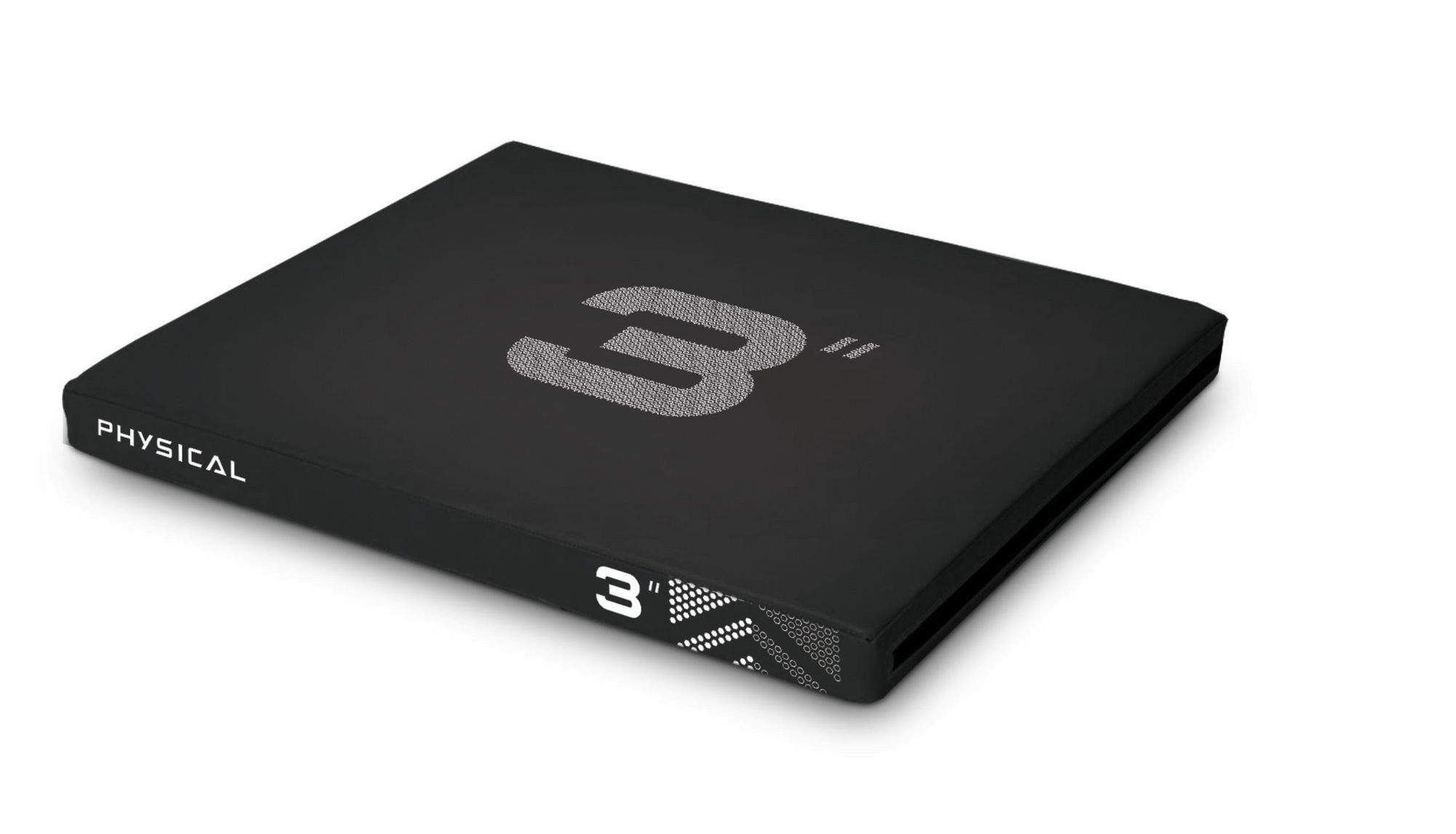
Using a Plyometric Box, whether a 3 in 1 or seperate Plyometric Boxes, can also be wooden or a soft land to provide variety in height & challenge to jump. A Plyo Box workout is an excellent addition to your training, read our Plyometric Training Guide. A popular piece of home gym equipment and certainly in commercial gyms, we supply leading brands Jordan, Physical , Escape & Primal, generally in stock and certainly to our commercial gym design projects and home customers.
Using a Plyometric Box, whether a 3 in 1 or seperate Plyometric Boxes, can also be wooden or a soft land to provide variety in height & challenge to jump. A Plyo Box workout is an excellent addition to your training, read our Plyometric Training Guide. A popular piece of home gym equipment and certainly in commercial gyms, we supply leading brands Jordan, Physical , Escape & Primal, generally in stock and certainly to our commercial gym design projects and home customers.
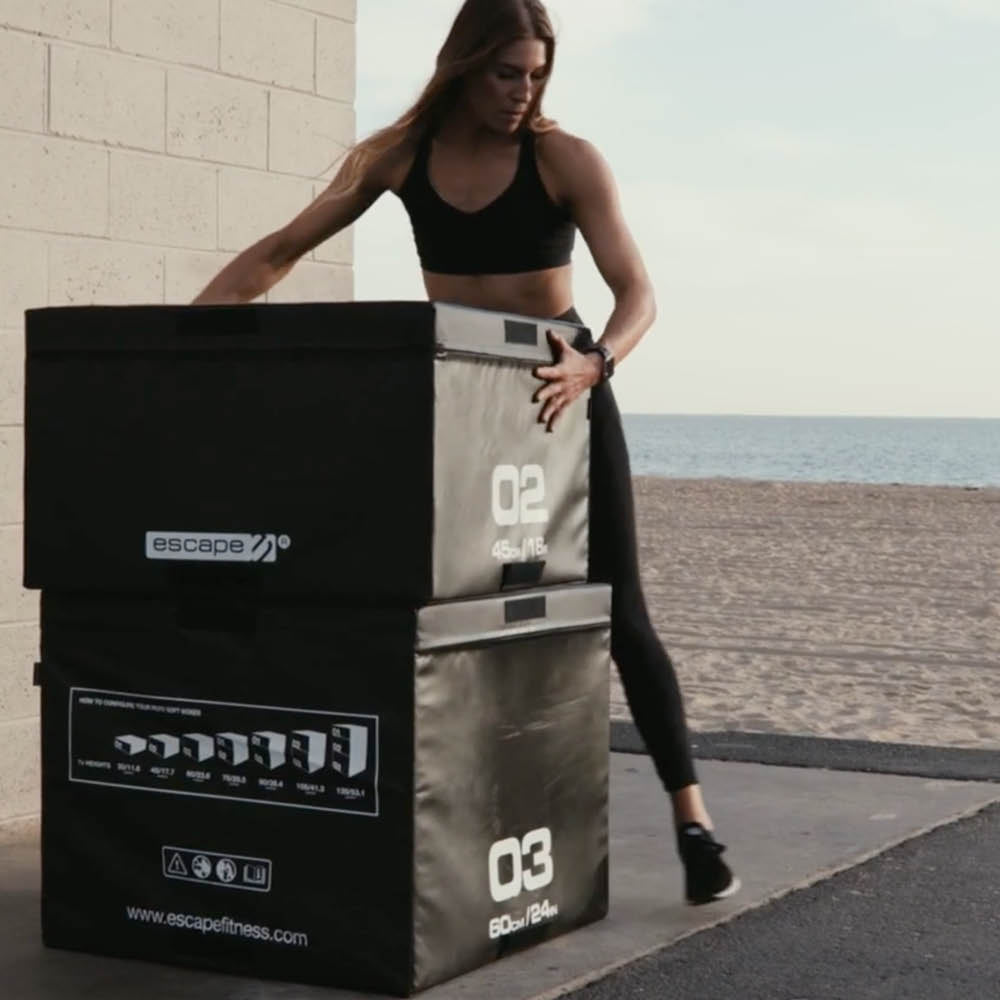
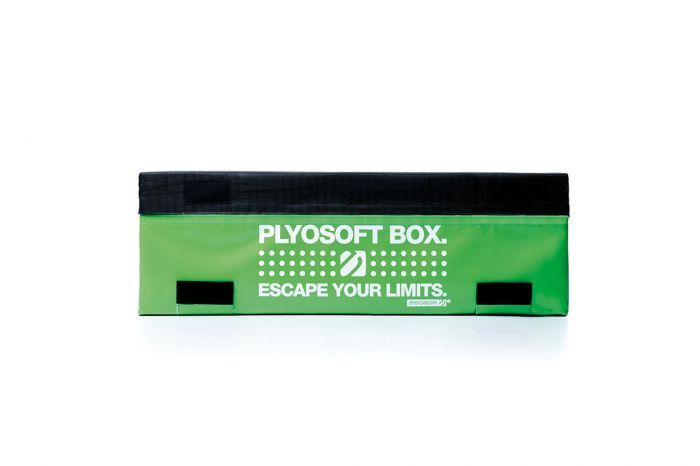
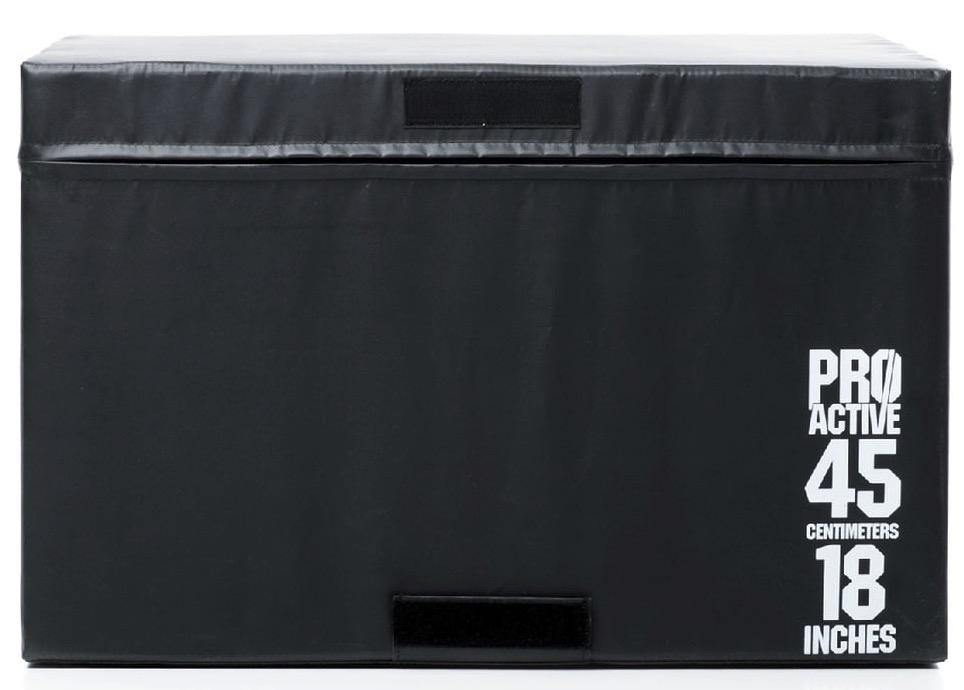
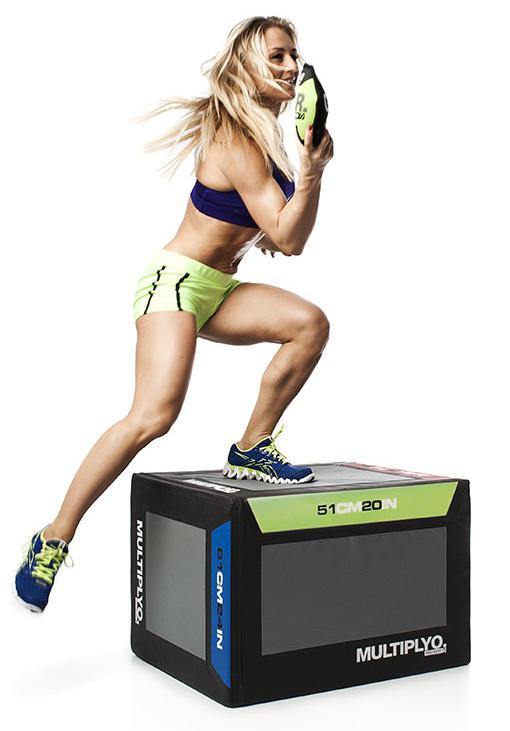
Plyometric boxes are essential tools for plyometric training, helping develop explosive power, speed, agility, and balance. They are widely used in athletic, CrossFit, and general fitness settings for functional lower body and full-body workouts.
Choose material based on use: For heavy daily use, wooden or steel boxes are ideal. For home use or beginners, padded boxes minimize injury risk.
Consider height and adjustability: Boxes with multiple heights or stackable sets are versatile for progression and accommodating different exercises.
Focus on stability and surface grip: Boxes should have non-slip bases and be sturdy enough to support dynamic movement safely.
Size and portability: Consider available space and ease of storage if buying for home gyms.
Weight capacity: Ensure the box can safely handle your body weight plus dynamic impact forces.
What exercises can I do with a plyo box?
Common exercises include box jumps, step-ups, lateral jumps, burpee box jumps, box dips, and box squats.
Is a plyometric box safe for beginners?
Yes, with proper technique, starting with lower heights, and ideally using padded boxes.
Can a plyometric box training improve sports performance?
Definitely; it enhances explosive power, speed, coordination, and agility relevant to sports like basketball, football, and track events.
Overall, plyometric boxes are versatile, effective, and proven tools to improve power, speed, and athleticism while supporting injury prevention and functional fitness across all levels.