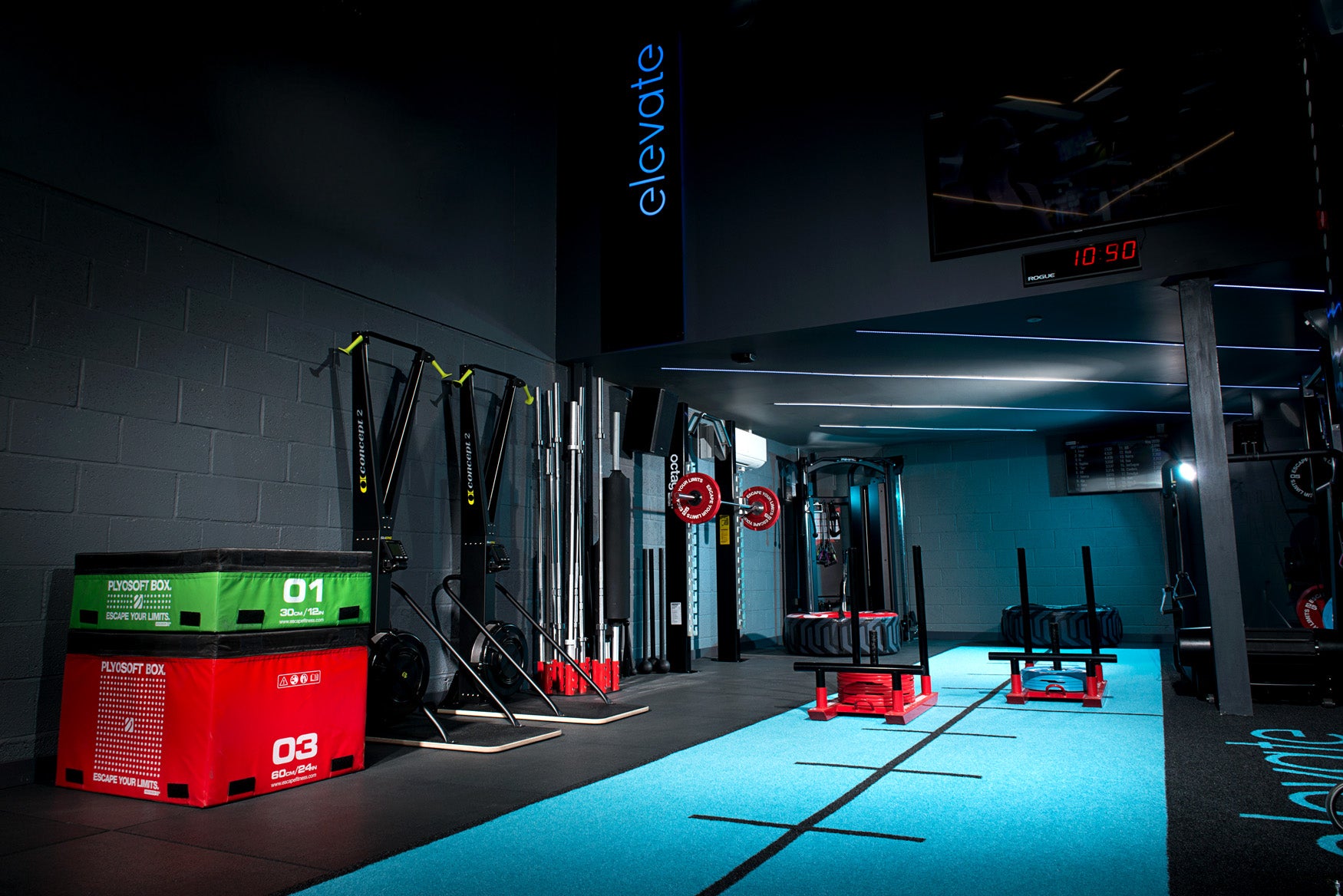
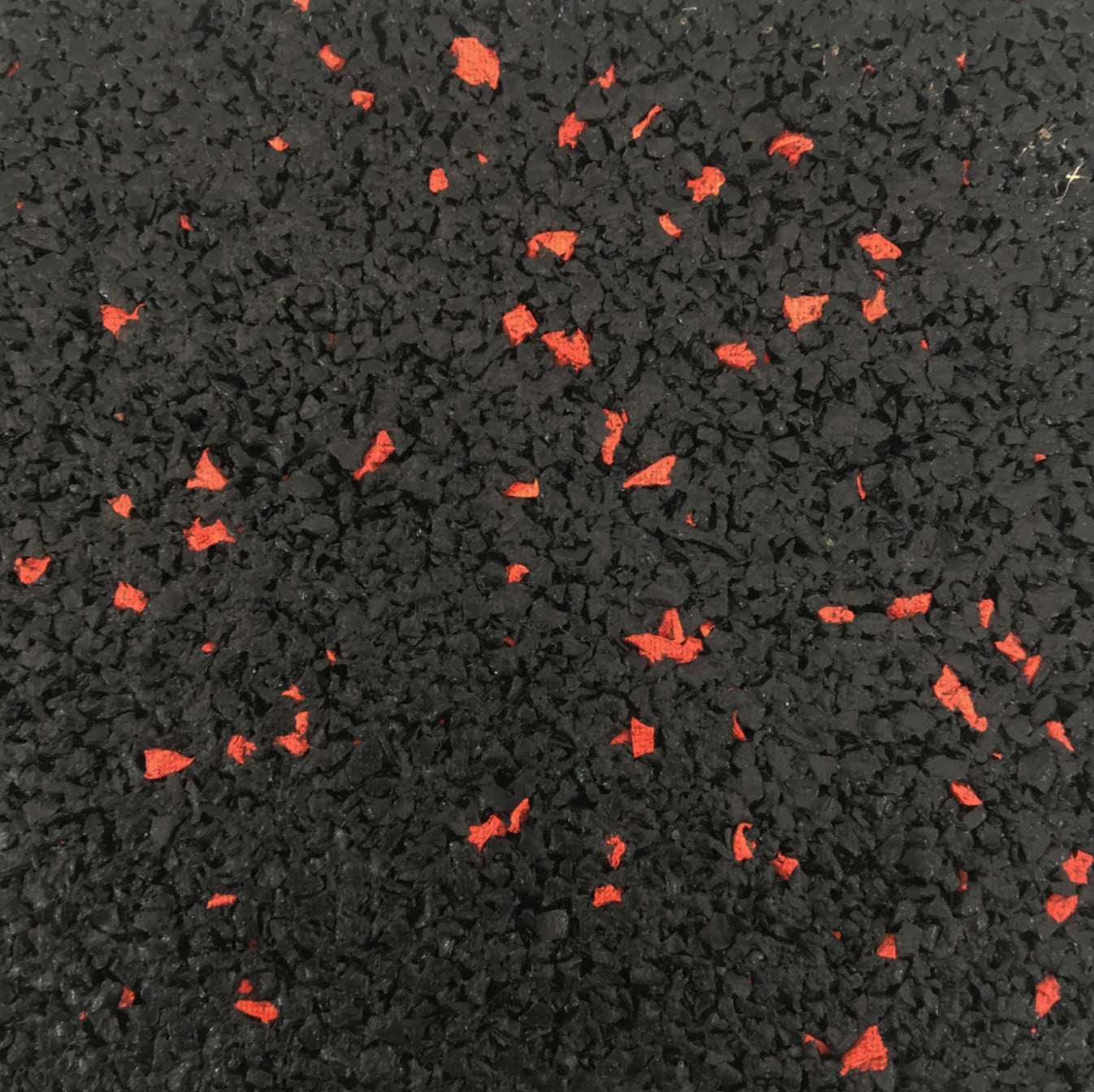
Rubber gym flooring is a popular choice for fitness spaces due to its safety, durability, and protective properties, making it ideal for both home/garage gyms and commercial environments. It provides superior impact absorption, noise reduction, and slip resistance, ensuring a safer and more comfortable workout experience while preserving both equipment and subfloor integrity.
Benefits of Rubber Gym Flooring
- Safety and Traction: Rubber gym flooring offers excellent non-slip surfaces, reducing the risk of injuries from falls or slips—crucial for spaces that host dynamic or high-intensity workouts.
- Shock Absorption and Joint Protection: Its cushioned feel absorbs impacts from weights and high-impact movements, minimizing joint stress and fatigue for athletes and casual users alike.
- Durability and Longevity: Rubber is highly resilient, standing up to years of heavy foot traffic, weight drops, and rigorous use without significant wear or tear.
- Noise Reduction: Rubber tiles and rolls dampen noise from equipment use and dropping weights, helping maintain a peaceful and less disruptive environment.
- Easy Maintenance: Typically water-resistant and stain-repellent, rubber floors are simple to clean and resistant to mold and mildew, making them low maintenance.
Rubber Gym Flooring Features
- Available Formats:Rubber gym flooring comes in rolls, interlocking tiles, and mats. Rolls are best for quickly covering large areas, while tiles are suited for custom layouts and DIY installation.
- Thickness Options: Thicknesses are commonly offered in 10 or 15mm, 20mm, 32mm, 40mm, or higher. Thicker flooring (30-40mm) is recommended for areas with heavy weights or equipment to maximize impact absorption and subfloor protection.
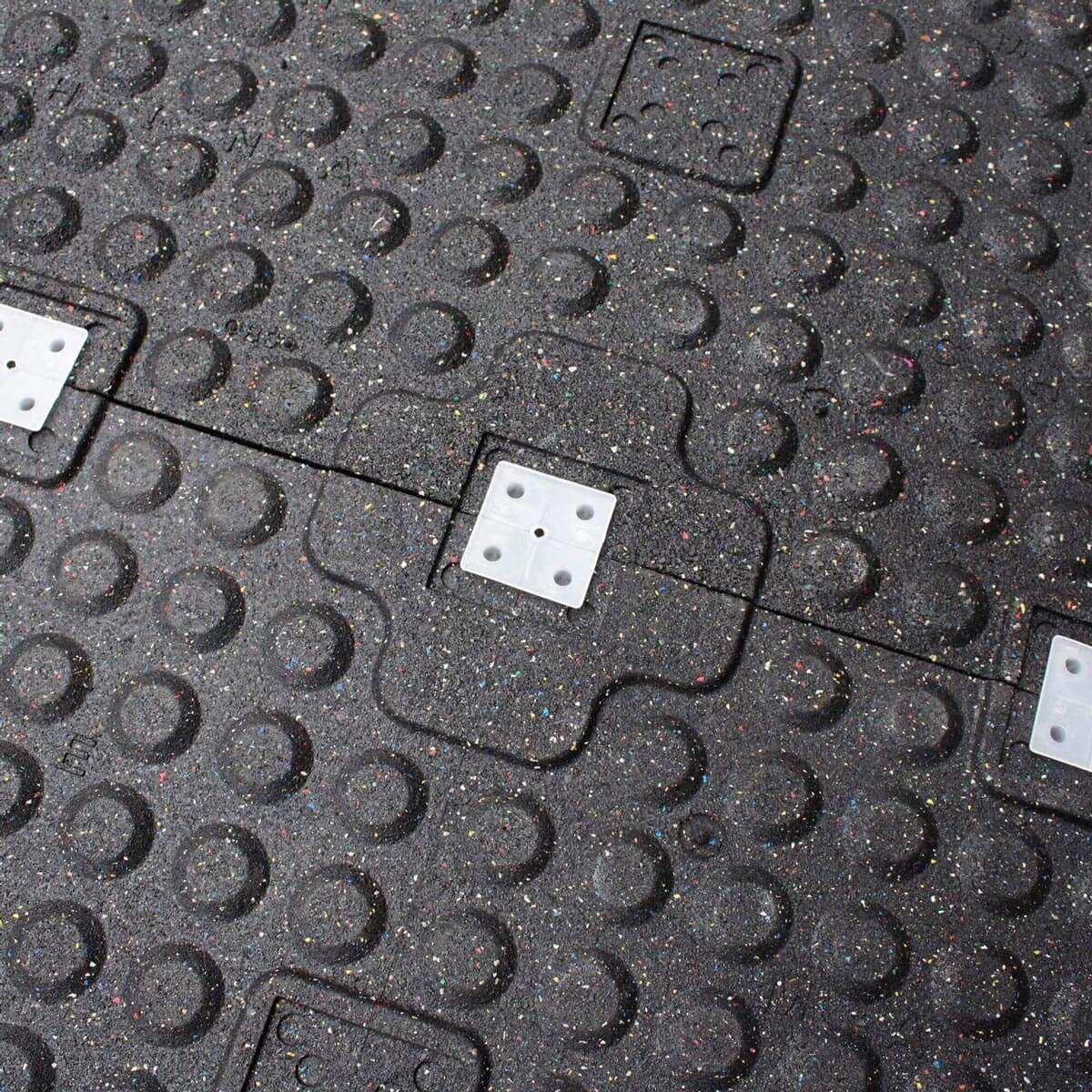
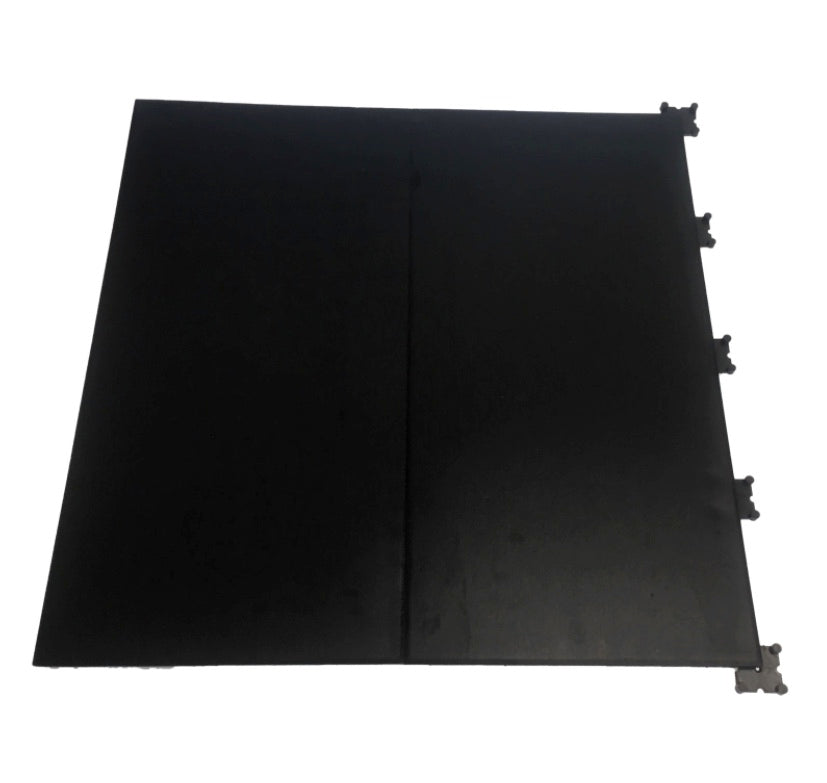
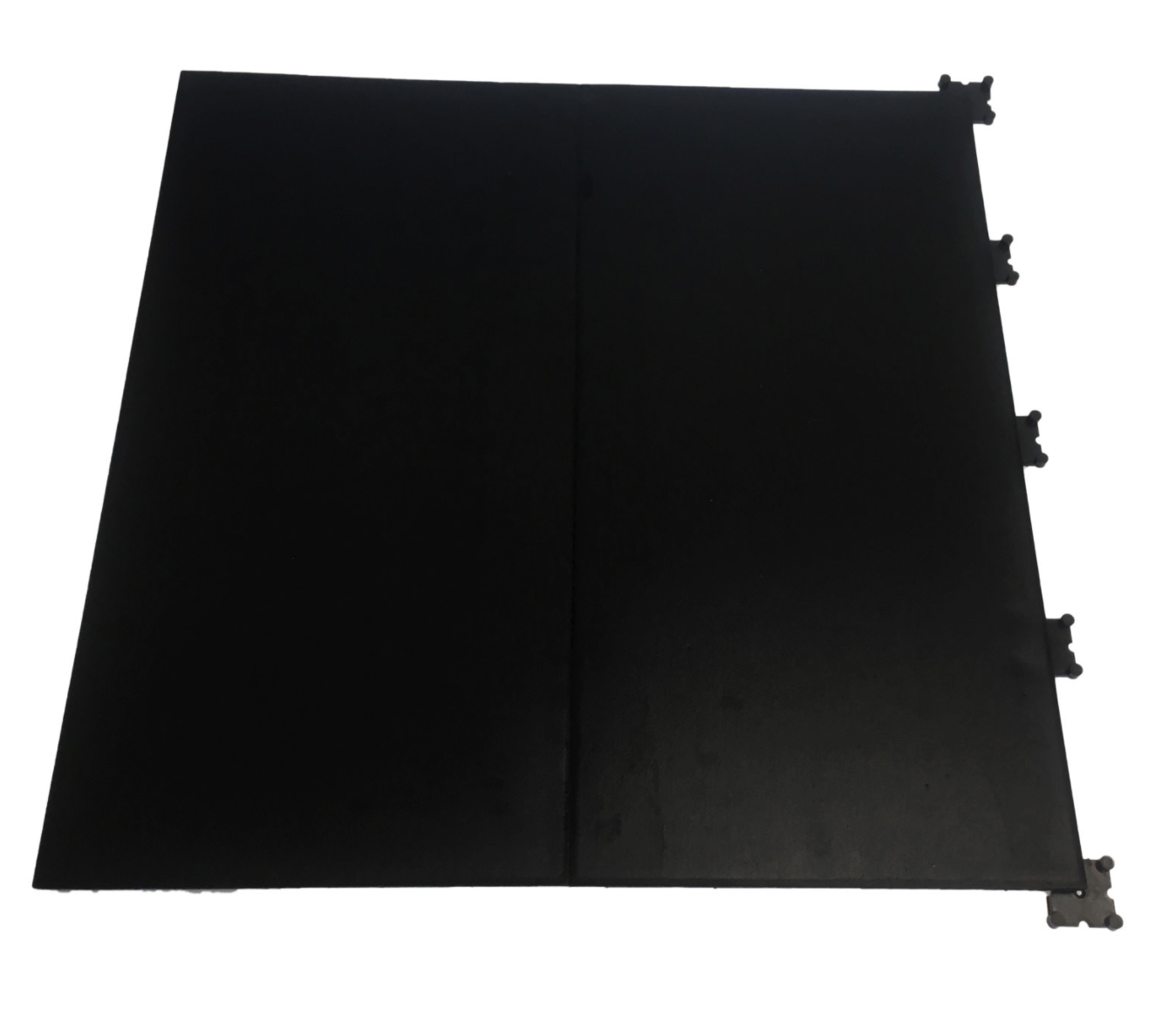
- Puzzle/Interlocking Design: Most rubber gym tiles feature interlocking edges for easy installation, making them ideal for flexible layouts and home gyms.
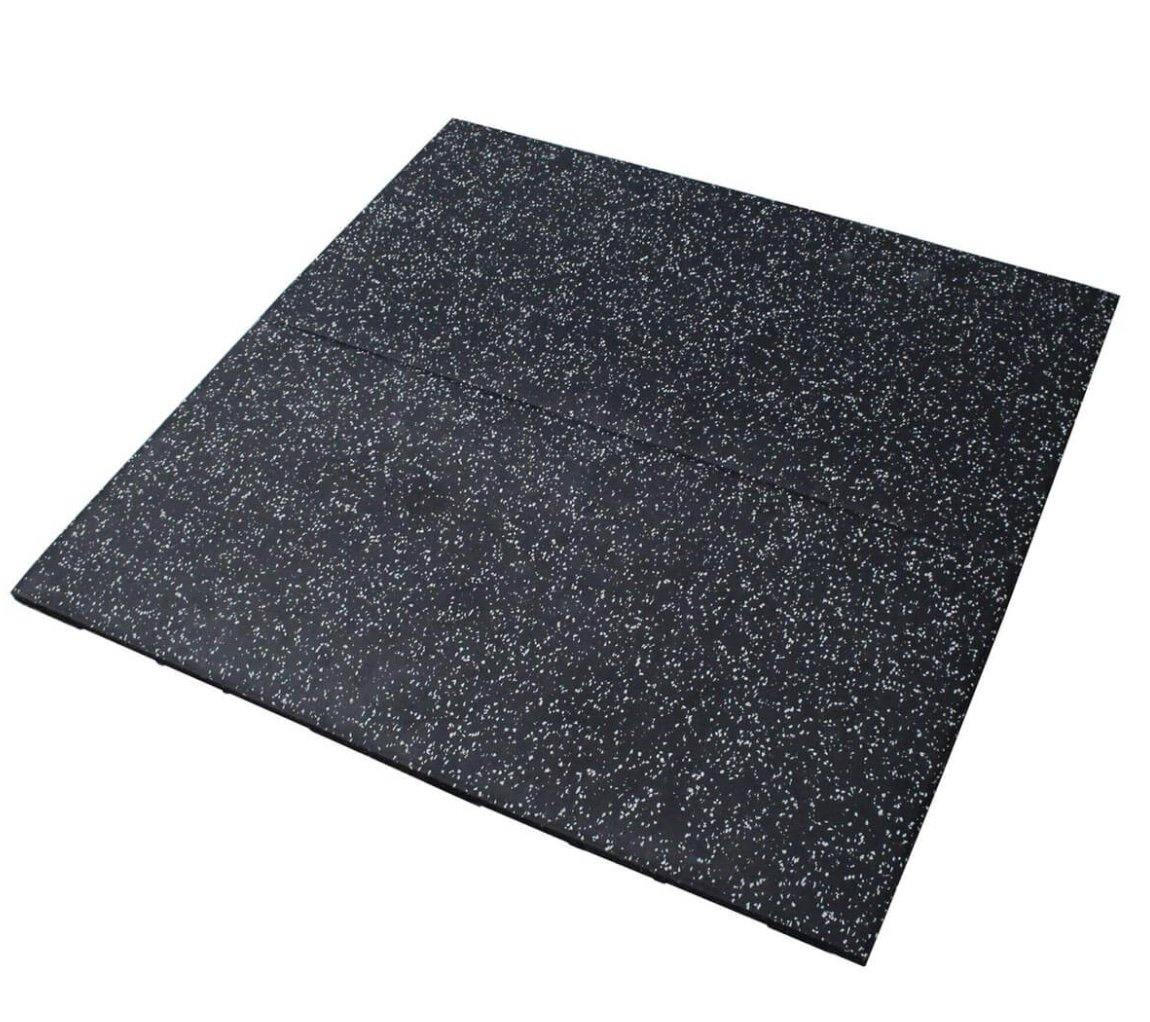
- Aesthetics: Available in a variety of colors, patterns, and contrasting edge profiles to complement gym design themes.
- Anti-Fatigue: EPDM rubber provides superior anti-fatigue properties, keeping floor performance consistent over time.
Rubber Gym Floor Buying Tips
- Match Thickness to Use: Choose thickness based on the intended activity—thicker for free weight zones, thinner (8–12mm) for light equipment or high-traffic walkways.
- Measure Accurately: Measure your space and zone requirements to avoid wastage or gaps; consider custom cuts or templates to maximise efficiency.
- Compare Formats: Rolls are cost-effective for large areas, while tiles are easier to install and replace for smaller or irregular spaces.
- Budget and Quality: Factor in total cost of ownership (initial cost, long-term durability, maintenance). Smell / toxicity of tile is important.
- Professional Advice: When in doubt or dealing with large/commercial spaces, consult professionals for optimal layout and thickness selection.
- Consider Color and Edge Profiles: Choose finishes that match your gym’s look and enable seamless transitions between training zones.
Rubber Gym Flooring FAQs
Can I install rubber gym flooring myself?
Yes, most rubber tiles and rolls are DIY-friendly, especially interlocking tiles that fit together like puzzle pieces.
Does rubber gym flooring need to be glued down?
Not necessarily. Heavier gym floor tiles (20mm+) can be loose-laid, but some rolls and commercial applications may benefit from glue for added stability.
Can rubber gym flooring be installed over concrete or carpet?
Rubber gym flooring can be installed directly over concrete if the surface is clean and level. Over carpet, it should be a tight, low-pile type; plush carpet may require plywood underlayment for stability.
Is rubber gym flooring durable?
Yes, quality rubber flooring is highly resilient and long-lasting, commonly lasting up to 20 years with proper care.
Does rubber gym flooring expand or smell?
Rubber flooring may expand slightly before installation, especially in fluctuating temperatures. It can have a strong to mild odor when new based on quality, which should dissipates over time.